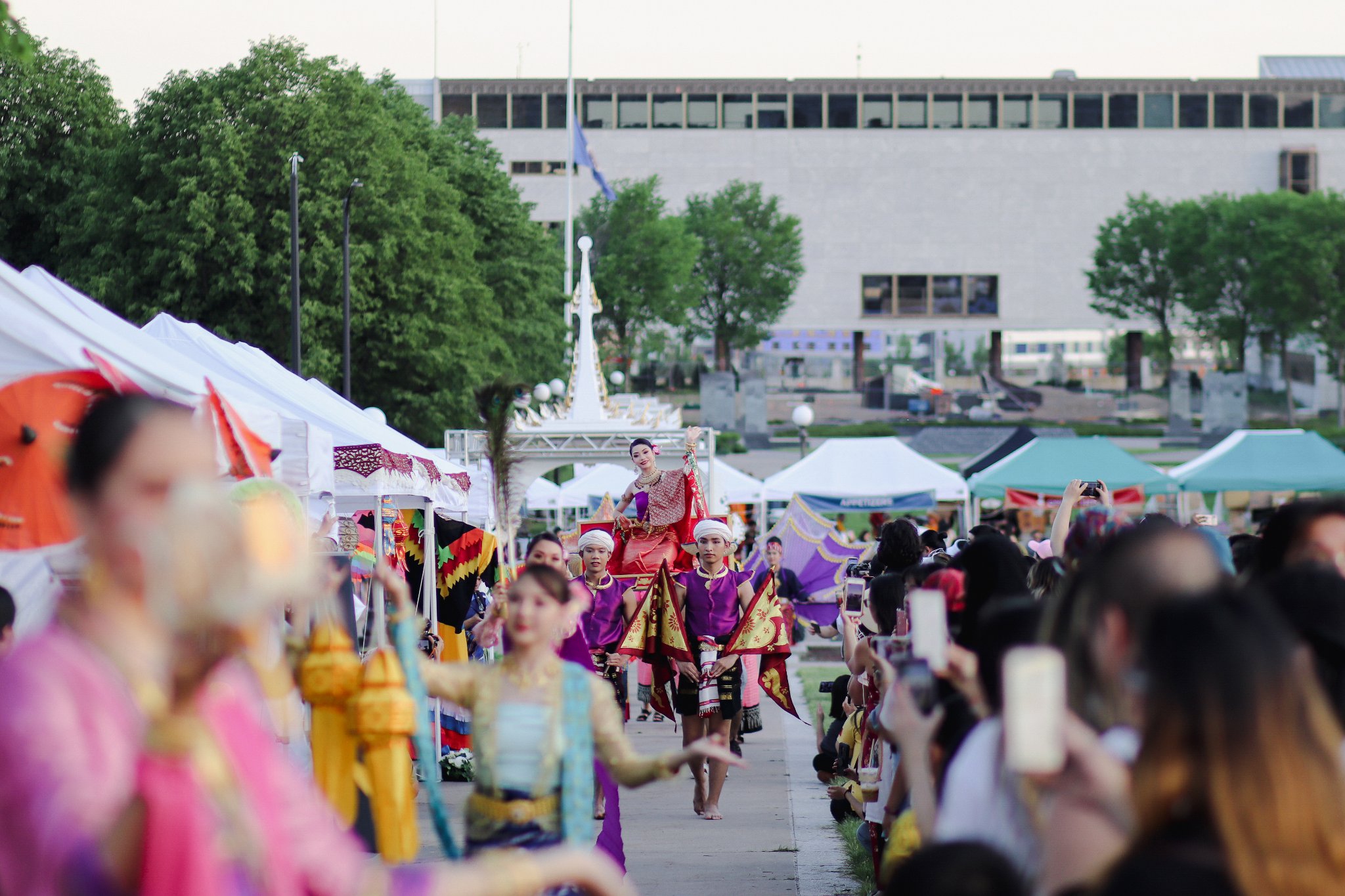
The sounds of harps and dulcimers can be heard echoing in the distance. Bright and festive colors adorn banners as a sea of brocade clothing is illuminated by the midday sun. What a beautiful thing it is to hear many languages all spoken at one time, and to see thousands of years old art, music and poetry being performed before our own eyes, it warms the heart and brings us joy. We can not overlook the importance of building a strong foundation for our communities. We can build a strong foundation by first creating more diversity, creating a cultural environment that is all inclusive, and also by educating others about our own cultural identities and ways of expression.
For thousands of years art has been the one thing that brought people together. Regardless of background, location, language etc, our arts have been there evolving alongside us. These arts we hold close to our hearts, because they carry the voices and stories of our ancestors journeys. These poems speak of their lives, these sounds ring the sounds of their dreams and visions, these dances depict many historical events, and to be able to experience the beauty of these arts is absolutely incredible.
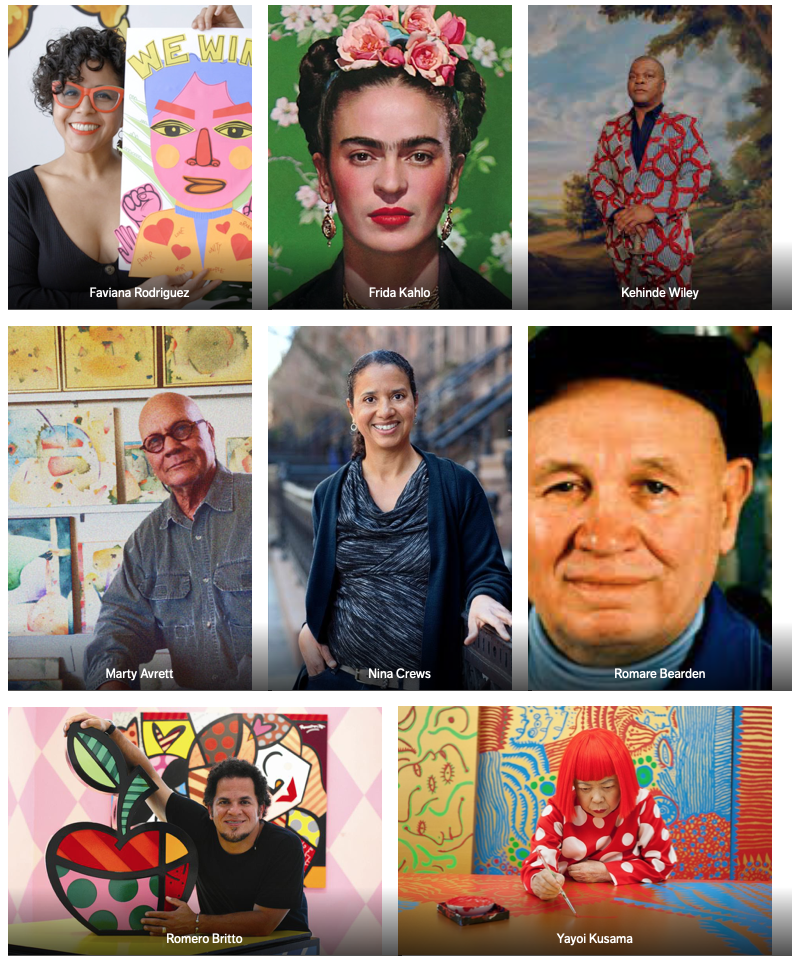
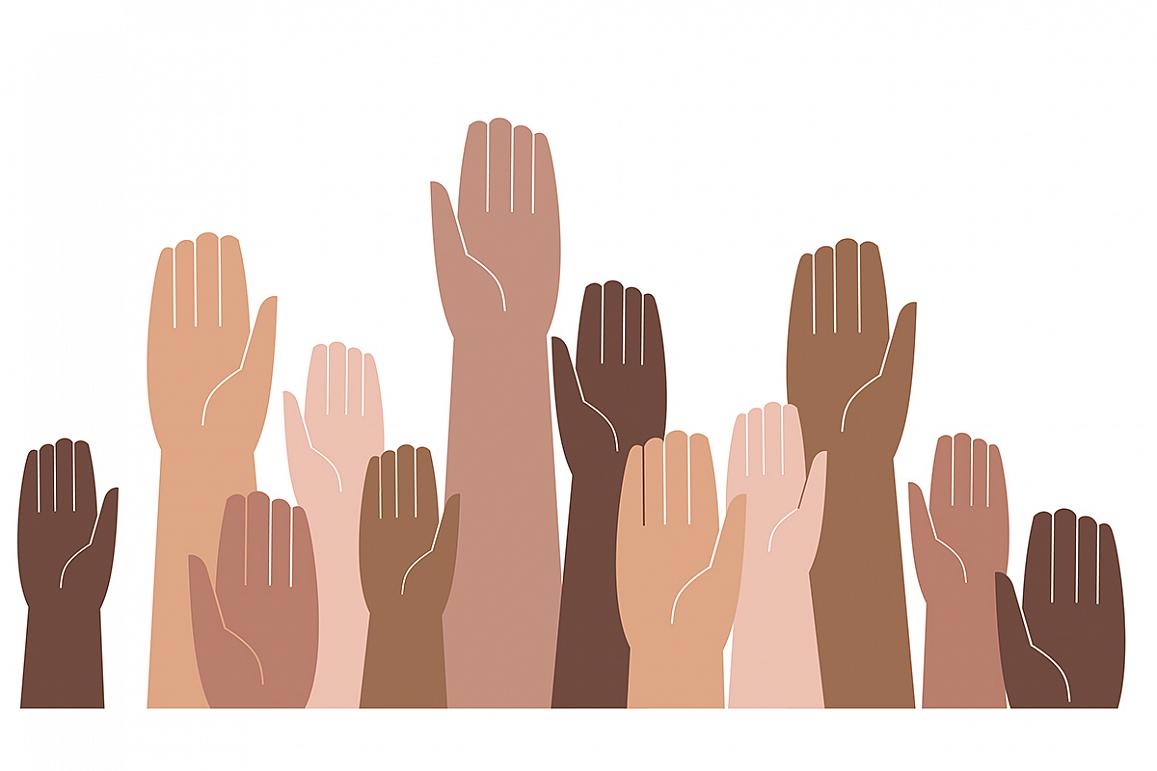
“To me, beauty is inclusion– every size, every color– that’s the world I live in.”
Prabal Gurung (Fashion Designer)
Photo by: Wat Promwachirayan
Within our beautifully diverse communities we have created space for everyone to share, express and be who they are. Everyone in our BIPOC AAPI communities has a VOICE, and everyone is valid. We have learned to respect each others differences and we have learned to mix the old and the new, traditional and modern, to create a new path for future generations and for the present moment by sharing and promoting culture and freedom of expression through cultural arts. Historically speaking, this is the greatest movement in our history towards global peace.
” The way you dress is an expression of your personality.”
~Alessandro Michele ~
Bruce lee
For many BIPOC/ AAPI artists, it may sometimes be challenging to express themselves in a way that is uniquely original, partly due to the fact that society has a so called “standard” way of expression. They may have an idea about what colors they like, what style of shirt and shoe’s, or what brush strokes to use on a painting, what ink with what brush etc, but still maybe they feel something might be blocked or just missing all together. This is when we must look at our world, we must look at our cultures, we must look into our dreams and the stories that our grandparents have told us. Here, in those things, are the colors and textures that can be used to paint your vision, here is the the medium for part of your expression, the other part is you, your life and your experiences. Being brought up in a multi-cultural, or bicultural home is the greatest blessing of all, never forget that. I say it’s the greatest blessing because it not only challenges our minds, but also opens our minds and gives our mind more windows of light to work with. All of these things and more can influence, and also impact our creativeness and our expression.
Ways to express yourself:
Writing poetry
Working with clay
Writing stories
Painting
Composing your own songs
Keeping a journal
When we are able to find that medium in which we can express ourselves through freely, either by painting, writing poetry or stories, or even creating our own original fashion statements, in those moments we have tapped into our potential of unique original expression. For us POC, we may also at times feel ashamed to express ourselves freely, because of how society may label us as POC, or because of the complexities of culture and religion. It can be so challenging to take the courageous step of liberating ourselves through expression, however once we are able to achieve such, all of the nets society has thrown on us will fall away.
I encourage you to be creative, listen to your heart, respect traditional cultures of your own and others, and live each moment as colorfully possible.
As meditation becomes a more globally popular way to destress and bring about an inner peace many may be questioning what it means to have a Bicultural perspective on the practice. Let us have a look at the benefits of bicultural meditation and what bicultural meditation actually means. First, what is biculturalism?.
Biculturalism refers to the ability of an individual to successfully navigate and integrate into two different cultures. It can also refer to the coexistence of two different cultures within a society, where individuals from both cultures are able to live and work together while maintaining their own cultural identity. Bicultural individuals are able to understand, appreciate and respect the values, customs, and beliefs of both cultures they are part of, while still maintaining a sense of belonging to each culture. They are able to communicate effectively in both languages and understand the nuances of each culture, which can be a valuable asset in many different settings. Biculturalism can be a result of a variety of factors such as growing up in a family with parents from different cultural backgrounds, living in a country with a dominant culture different from one’s own, or actively seeking to learn about and immerse oneself in another culture.
Bicultural meditation is a universal practice that integrates principles and techniques from two different cultural traditions into one unified meditation practice. This is especially helpful for individuals who come from bicultural backgrounds or those who have a deep appreciation and respect for multiple cultures.
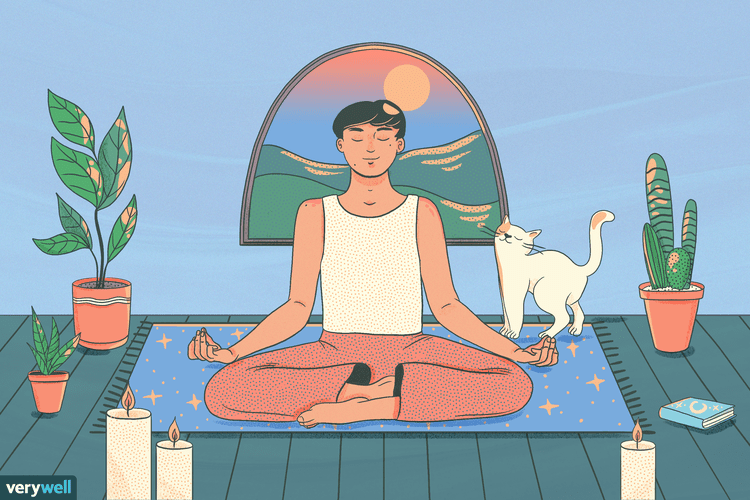
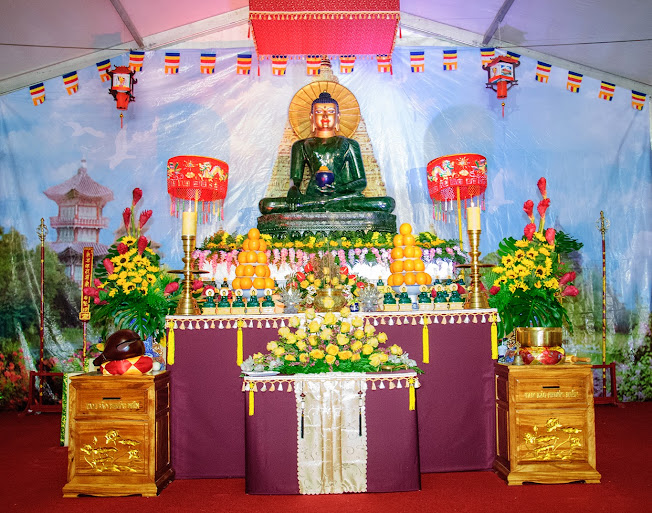
Bicultural meditation can involve combining different meditation techniques, such as mindfulness meditation from the Buddhist tradition and heart centered prayer from the Christian tradition. It can also involve incorporating different cultural symbols, ritual instruments, practices or chants into the meditation practice, such as lighting incense or candles, using specific postures or hand gestures ( mudra ) or chanting in different languages.
Bicultural meditation can offer a variety of benefits for individuals who are seeking to integrate principles and techniques from multiple cultural traditions into their meditation practice. Here are some potential benefits:
Increased self-awareness: Bicultural meditation can help individuals gain a deeper understanding of their own cultural identity and how it impacts their thoughts, emotions, and behaviors.
Greater empathy and understanding: By incorporating practices and symbols from different cultures into their meditation practice, individuals can develop a greater appreciation and understanding of other cultures, which can promote empathy and understanding.
Enhanced mindfulness: Combining different meditation techniques can help individuals cultivate a more focused and present state of mind, which can promote greater mindfulness and reduce stress and anxiety.
Greater spiritual growth: Bicultural meditation can provide a unique opportunity for individuals to explore and deepen their spirituality, drawing on the wisdom and practices of multiple cultural traditions.
Improved emotional regulation: By cultivating greater awareness and compassion for oneself and others, individuals may find that they are better able to regulate their emotions and respond more effectively to challenging situations.
Greater sense of connectedness: Bicultural meditation can help individuals feel more connected to their cultural heritage while also promoting a sense of connectedness and community with others who share similar values and beliefs.
Bicultural meditation can offer a powerful way to explore and integrate multiple cultural traditions into a meaningful and effective meditation practice, promoting personal growth, cultural understanding, and spiritual development.
Alison Czinkota / Verywell
Spirituality and identity are closely related because they are both fundamental aspects of human experience that help shape our understanding of ourselves, our place in the world, and our relationship with others. Our spirituality can play a significant role in shaping our identity by providing a framework for how we understand and interpret our experiences, emotions, and values.
Buddhism’s first root touched earth in India, the peaceful teachings of Buddha Shakyamuni which emphasized healthy living and harmony in community, has traveled across the globe reaching us here in the west by Zen masters such as Thich Nhat Hanh, Bishop Yemyo Imamura and spiritual leader the Dalai Lama. Many of you may have heard of these Buddhist teachers at some point. Let us have a look at Thich Nhat Hanh, Thich Nhat Hanh also called Thay or teacher, is a buddhist monk from Vietnam, global and spiritual teacher, and peace activist. Thich Nhat Hanh became friends with Martin Luther King Jr in 1966, although their friendship was cut short by the assassination of Martin Luther King in 1968, they achieved a lot in a short time. During that brief friendship the two worked together in building and promoting peace and equity, and the result of their selfless hard work has greatly shaped our society, culture, and world today in their vision. Sadly, Thay (Thich Nhat Hanh) died on Jan 22, 2022, however his message of peace, non violence and love still touches our hearts.
Buddhism was brought to the United States by Asian immigrants in the 19th century, during a time when many immigrants from East Asia began to arrive in the New World. Immigrants from China came around 1820, and arrived in large numbers pursuing the California Gold Rush in 1849. Buddhist congregations in North America are quite diverse. The United States is home to Sri Lankan Buddhists, Chinese Buddhists, Japanese Buddhists, Korean Buddhists, Thai Buddhists, Cambodian Buddhists, Vietnamese Buddhists and Buddhists with a family background in Buddhist countries. In 1965 the Immigration Act also increased the number of immigrants arriving from China, Vietnam and Theravada practicing countries of Southeast Asia.
Today the United States has become a melting pot of diversity. The lines of what defines American culture can sometimes seem blurry. Many ethnic communities seek spiritual healing and peace at temples, or from shamans or elders. The beauty of this practice is that also, in a way, they are keeping alive an ancient tradition that the ancestors have practiced and kept alive for use today, an ancient and global key that unlocks the potential in all of us regardless of culture or identity, and yet also gives us the strength and cultural comfort that many of us may need as BIPOC AAPI people. Immigrants who recently moved to the U.S, or even those who have been here for a while can find peaceful refuge in their spiritual communities, and this helps in eliminating acculturative stress and depression. As a black bicultural Buddhist and musician trained in Chinese classical music, I have also found refuge and peace at our local Buddhist temples.
My Journey With Buddhism
My journey with buddhism began at the age of 16. I used to play the Guzheng ( Chinese plucked musical instrument) at the Mall of America (MOA) for the Passage to China event. One time out of the year the Mall would be decked out in gold and red, Chinese lanterns hanging above the rotunda and traditional Chinese opera could be heard as one enjoyed the festivities. There were many performers, lots of traditional arts and crafts, and delicious moon cakes, then before I knew it, the MC spoke over the microphone, “Now introducing Jarrelle Barton!”. After I had finished my performance the audience cheered, and I thought to myself ” Yes!, not too many missed strings!”. Of course I ended my grand New Year performance with a big and humble bow, carefully moved my guzheng to clear the stage for the next amazing talent. As I was sitting there people would come up to ask questions about the instrument, or to say ” AMAZING PERFORMANCE”, but one person who truly stood out, and whom I will never forget was the one who said, ” I see the buddha in you”. I thought wow, I knew who the Buddha was but didnt know much about him, so what did I do?, I went home and studied all about the Buddha. Gradually the more I studied, the more I became interested in this Buddha and his teachings and began to read Sutras or buddhist scriptures. I was amazed at the level of peace the Buddha had attained and I wanted to attain that peace as well, so then I became a buddhist. Usually one becomes buddhist by going to a temple or monastery and receiving the triple gem, however at that time I wasn’t aware that there were temples, monastics and buddhist communities actually practicing, and practicing right here in Minnesota of all places. I started to become like a part of Limei’s family, who’s home was adorned with Buddha statues, scrolls and a huge altar in the living room. She would critique every error I made while writing Chinese calligraphy, speaking Chinese, or wrapping Jiaozi, Limei taught me buddhist chanting, meditation and how to give offerings at the altar. I began to learn so much more about the actual practice of Buddhism and it has helped me on my journey in becoming who I am today. Whenever I was sad or depressed I would listen to Thich Nhat Hanhs words and those words helped to lift my mood and return my mind to balance.
May the sound of this bell penetrate deep into the cosmos Even in the darkest spots Living beings are able to hear it clearly So that all suffering in them cease Understanding comes to their heart And they transcend the path of sorrow and death. The universal dharma door is already open The sound of the rising tide is heard clearly The miracle happens A beautiful child appears in the heart of a lotus flower One single drop of this compassionate water Is enough to bring back the refreshing spring to our mountains and rivers. Listening to the bell I feel the afflictions in me begin to dissolve My mind calm My body relax A smile is born on my lips Following the sound of the bell My breath brings me back to the safe island of mindfulness In the garden of my heart The flowers of peace bloom beautifully.
Thich Nhat Hanh
Bicultural Mission
There is certainly no doubt that we all want to live in a safe and peaceful world. However for this to happen we must ALL take action and put forth the effort and hard work in building a fair and culturally accepting peaceful world, peace starts with YOU. We must be able to express ourselves freely without fear, we must learn to live in harmony with our own selves first and then with others, we must also learn to accept differences. Creating for yourself a bicultural worldview is the greatest blessing you can offer to yourself and to the world. I cant help but be moved to tears each time I read and contemplate on Thich Nhat Hanhs teachings and poems, his vision is also the vision of many BIPOC AAPI people.
We BIPOC AAPI people must constantly endure the weight of white supremacy, It may be difficult for BIPOC AAPI youth to feel they ( Fit In) in school or with their peers. Sometimes they may even experience discrimination for being different as well. BIPOC AAPI people must use our differences as our strengths to fight discrimination, use our bicultural lifestyles to sever the strings of deep rooted white supremacy by educating others about our multicultural lifestyle practices, and inspire others to learn our languages and our traditional arts. Educating people is the only way to keep the wheel of peace turning.
The challenges we face in mental health as BIPOC people are quite complex. First, our cultural identities as BIPOC people may greatly differ from each other, socially and culturally; this can add an even more difficult layer of challenge to mental health as a person of color. Secondly, lack of cultural understanding can also have a role in mental health challenges for BIPOC communities. It may seem easy to put a (one size fits all) label on mental health, however this is not how we should go about our mental health and generational healing. The questions we should be asking are; how do we as a diverse community heal together, without devaluing each other or totally disregarding another?, and how do we establish better equity in mental health specifically designed for AAPI / BIPOC individuals and our communities?.
Now, let us have a look at some in depth information on our unique mental health needs and resources. So often, when seeking help we tend to get just the basic in care, or even at times no care at all due to racial disparities and inequities in the health care system. Some of the factors contributing to lack of care may also be:
Lack of insurance, or underinsurance
Mental stigma which may be greater in AAPI / BIPOC communities
Lack of diversity amongst mental healthcare providers
Lack of providers with a diverse cultural worldview or cultural competence
Distrust in mental health care system
Inadequatesupport for mental health service in safety net settings
Ruth Simmons a former Brown University President, explained in a Washington Post article, individuals who are the target of racist actions “must move through the world limited by sometimes invisible or unpredictable restrictions on their movements, their behavior and their words … Determining how to live life openly and productively in the face of such attacks on one’s existence is a lifelong task.”
Healthforward.org
Photo Credit: NIH.GOV
It is absolutely crucial that we develop better cultural competence in mental health care, with better cultural competence in mental heath we can establish stronger and more interconnected engagement between healthcare providers and those seeking health care. Georgetown University’s National Center for Cultural Competence stated, “A set of congruent behaviors, attitudes, and policies that come together in a system, agency or among professionals and enable that system, agency or those professions to work effectively in cross-cultural situations.” Therefor a more diverse health care team, health care professionals with a deeper cultural worldview, and specialized culturally diverse training is certainly needed in reducing inefficiencies in mental health care.
Shared below are links to diverse mental health resources:
The COVID-19 pandemic has disproportionately affected Asian Americans and Pacific Islanders, causing a major gap in equality, and increased racism and xenophobia. The pandemic has intensified the isolation among AAPIs, who are more culturally collective. Technology use has given some support during the social distancing, however seniors and older adults may not have the same social support from technology use.
You can read more about social support and technology use and their association with mental and physical health during COVID-19 at: https://publichealth.jmir.org/2023/1/e35748
Obesity is a present health concern in the US and it’s important that it is continued to be discussed about. In order to prevent and decrease obesity rates in the US, there have been many attempts and programs to help people better understand what causes obesity, how to prevent it, and the ways we can educate people on it.
Some quick facts from a research conducted by CDC:
“Childhood obesity is associated with negative health consequences in childhood (1) that continue into adulthood (2), putting adults at risk for type 2 diabetes, cardiovascular disease, and certain cancers (1). Obesity disproportionately affects children from low-income families (3).
Overall obesity prevalence increased from 14.0% in 2000 to 15.5% in 2004 and 15.9% in 2010, and then decreased to 14.5% in 2014. During 2010–2014, the prevalence of obesity decreased significantly overall, among non-Hispanic whites, non-Hispanic blacks, Hispanics, American Indian/Alaska Natives and Asians/Pacific Islanders, and among 34 (61%) of the 56 WIC state agencies in states, the District of Columbia, and U.S. territories.” – CDC
Who is generally at risk for obesity:
Low-income families
Young mothers
People without access to healthy food/alternative food options
What can we do to prevent obesity?
Spread the knowledge of obesity among friends, families, peers, co-workers, etc. through various use of communications and social media platforms
Encourage people to live a active, balance, and healthier lifestyle by:
Encouraging healthy habits
Participating in activities outside of home/schools/work environment
Buying produces at local markets/groceries or partaking in a community garden or growing your own produces
Using other methods of transportation such as walking, biking, skating, etc.
“Community efforts across the country are improving the health of more people by working with groups that include public health professionals, hospitals, local community members, and more.
By Nolan Ly
A lack of access to healthy living opportunities in communities can affect obesity and other preventable chronic diseases. Learn more about community efforts to support healthy eating and active living: http://bit.ly/2knQTvl” – https://www.cdc.gov/
What are the benefits to a active community?
Reduce pollution and trash to the environment
Provide social and economic opportunities for the people of the community to collaborate and develop better relationships
Support social cohesion, events, and activities
What can you do to take part:
Going out to explore and enjoy the community by walking, biking, via other outdoor activities etc., either with yourself, friends, or family members.
Volunteering at a community garden to help grow veggies/fruits for the community and learning more about gardening along the way.
Educate your family, friends, and yourself on recycling, the benefits to it, and how it’s a little step towards making the Earth cleaner.
Volunteer for local parks and recreation centers to support and spread awareness for environmental concerns.
1) Keep the focus on fun, not food. Indulge in only the most special holiday treats. For example in the Chinese new year eve dinner, the dumpling is the most special dish, and when families prepare the dumplings, they will hind the couple coins in the dumplings, who gets to bite on the coins, who will have the best luck at coming year. It’s fun to eat the dumplings to find the coins, but keep in mind not overdoing it.
2) Staying physically active during the holidays. A study conducted by the U.S. government found adults gained, on average, more than a pound of body weight during the winter holidays – and that they were not at all likely to shed that weight the following year. The good news is that the people who reported the most physical activity through the holiday season showed the least weight gain. Some even managed to lose weight.
3) Toast the new year with just one glass of bubbly.
Alcohol can interfere with your blood sugar by slowing the release of glucose into the bloodstream; it also contain a lot of calories – 89 calories per glass of white wine or champagne, 55 calories in a shot of vodka, and 170 calories in a pint of stout beer. What’s more, alcohol breaks down your inhibitions and judgment, which makes you that much less likely to resist the junk foods that you would otherwise be able to pass by.
4) Shop wisely this season. It’s easy to be tempted to buy things that you don’t need that are on “sale” and “clearance”. Best thing you can do to prevent this from happening is:
Set a budget to limit your spending on gifts.
Make a list of all the people you are going to buy gifts for and the things you plan on buying.
Differentiate wants from needs. “I want this, but do I need it?”
Use coupons when applicable. There are coupons available through online websites, in your mails, and in stores.
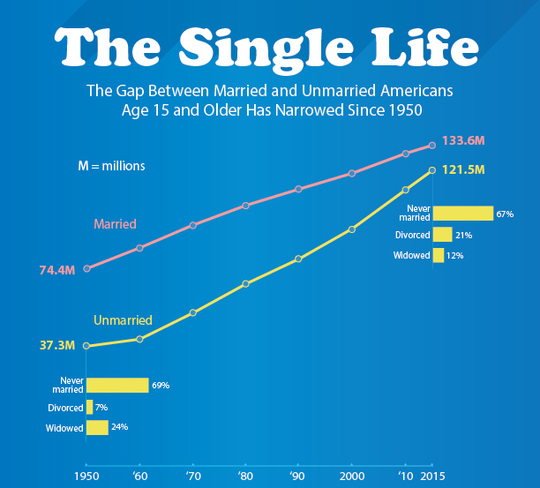
We want to highlight the contributions of people who are unmarried and/or living the “single life” in society. Let’s celebrate the idea of living and being single in the US. We are always told that we need to be with someone most of our life to be happy. But being happy starts within yourself. By being alone, you can discover what you enjoy doing, what you dislike, things that makes you happy, and so on. And best of all, the single life also means you are responsible for yourself.
Fun facts:
109 million – The number of unmarried people in America 18 and older in 2015. This group made up 45 percent of all U.S. residents 18 and older
88 – The number of unmarried men 18 and older for every 100 unmarried women in the United States in 2015
59 million – The number of households maintained by unmarried men and women in 2015. These households comprised 47 percent of households nationwide.