Mental Health Resources For Black, Indigenous, And People Of Color

The challenges we face in mental health as BIPOC people are quite complex. First, our cultural identities as BIPOC people may greatly differ from each other, socially and culturally; this can add an even more difficult layer of challenge to mental health as a person of color. Secondly, lack of cultural understanding can also have a role in mental health challenges for BIPOC communities. It may seem easy to put a (one size fits all) label on mental health, however this is not how we should go about our mental health and generational healing. The questions we should be asking are; how do we as a diverse community heal together, without devaluing each other or totally disregarding another?, and how do we establish better equity in mental health specifically designed for AAPI / BIPOC individuals and our communities?.

Now, let us have a look at some in depth information on our unique mental health needs and resources. So often, when seeking help we tend to get just the basic in care, or even at times no care at all due to racial disparities and inequities in the health care system. Some of the factors contributing to lack of care may also be:

  • Lack of insurance, or underinsurance
  • Mental stigma which may be greater in AAPI / BIPOC communities
  • Lack of diversity amongst mental healthcare providers
  • Lack of providers with a diverse cultural worldview or cultural competence
  • Distrust in mental health care system
  • Inadequate support for mental health service in safety net settings
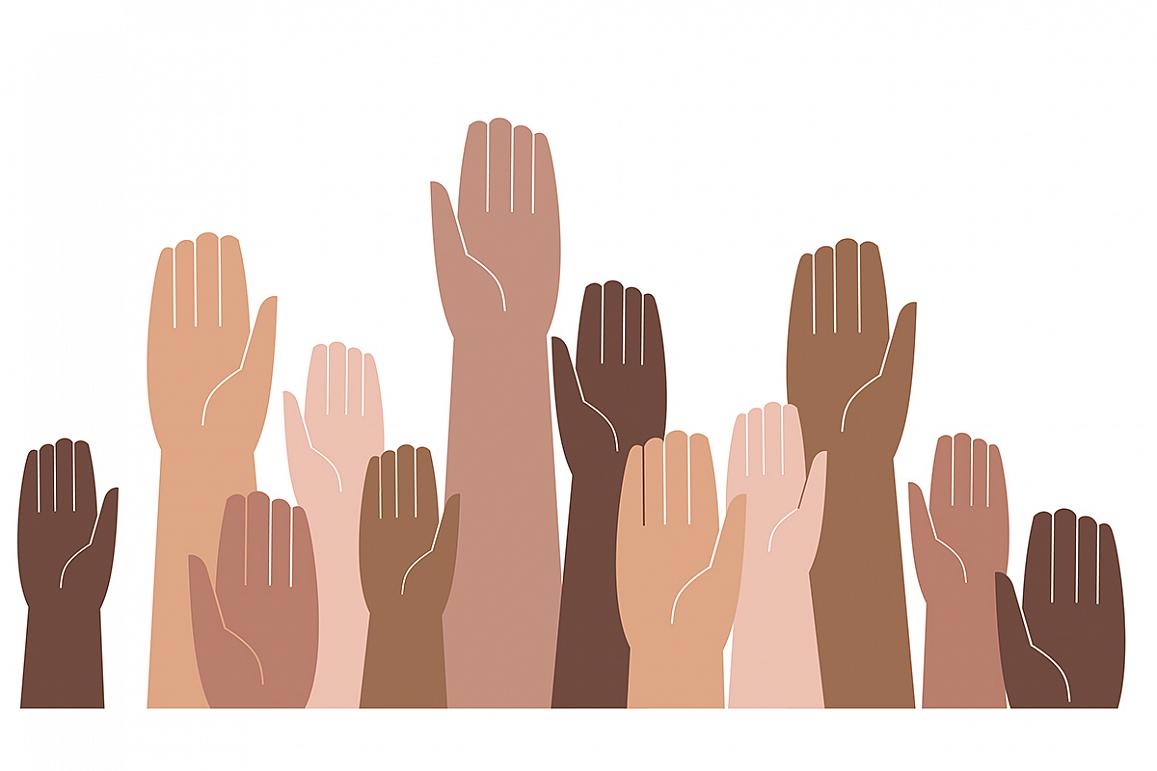
Ruth Simmons a former Brown University President, explained in a Washington Post article, individuals who are the target of racist actions “must move through the world limited by sometimes invisible or unpredictable restrictions on their movements, their behavior and their words … Determining how to live life openly and productively in the face of such attacks on one’s existence is a lifelong task.”

Healthforward.org

Photo Credit: NIH.GOV

It is absolutely crucial that we develop better cultural competence in mental health care, with better cultural competence in mental heath we can establish stronger and more interconnected engagement between healthcare providers and those seeking health care. Georgetown University’s National Center for Cultural Competence stated, “A set of congruent behaviors, attitudes, and policies that come together in a system, agency or among professionals and enable that system, agency or those professions to work effectively in cross-cultural situations.” Therefor a more diverse health care team, health care professionals with a deeper cultural worldview, and specialized culturally diverse training is certainly needed in reducing inefficiencies in mental health care.

Shared below are links to diverse mental health resources:

https://beam.community/

https://www.therapyforlatinx.com/

https://aapaonline.org/

https://www.wernative.org/

https://www.thetrevorproject.org/

This is a great article on Cultural Respect by the National Institutes of Health; https://www.nih.gov/institutes-nih/nih-office-director/office-communications-public-liaison/clear-communication/cultural-respect

References : https://www.psychiatry.org/File%20Library/Psychiatrists/Cultural-Competency/Mental-Health-Disparities/Mental-Health-Facts-for-Diverse-Populations.pdf

Social Support and Technology Use and Their Association With Mental and Physical Health During the COVID-19 Pandemic Among Asian Americans: The COMPASS Cross-sectional Study

The COVID-19 pandemic has disproportionately affected Asian Americans and Pacific Islanders, causing a major gap in equality, and increased racism and xenophobia. The pandemic has intensified the isolation among AAPIs, who are more culturally collective. Technology use has given some support during the social distancing, however seniors and older adults may not have the same social support from technology use.

You can read more about social support and technology use and their association with mental and physical health during COVID-19 at: https://publichealth.jmir.org/2023/1/e35748

Check out the Asian Smokers’ Quitline during Lunar New Year Celebration

Prepare to Celebrate the Year of the Dog

The first day of Lunar New Year is on Feb 16, 2018 and it’s fast approaching! ASQ would like to wish everyone will have a fresh start in the year of the dog!

Getting ready for the new year

Some of the Asian community members may be busy with getting ready for the Lunar New Year and thinking about a resolution for the year of the dog, ASQ has prepared a pack of lucky red envelopes which will be given to each caller who calls ASQ to inquire quit smoking materials or to complete an online enrollment to receive quit smoking service. Red symbolizes good fortune in Chinese and Vietnamese cultures, that is why red envelopes are widely used during Lunar New Year and other celebratory events.

To celebrate the year of the dog and to wish everyone will have a healthy start of the New Year, these red envelopes are given out to Chinese and Vietnamese callers from now till Feb 20. While supplies last!

Help Smokers Quit

You can assist community members or patients to make a quit attempt by making direct referrals via ASQ web-based referral website or assist them to fill out an online enrollment form by going to one of the in language forms below:

简体中文
繁體中文

한국어

Tiếng Việt

Mental Well-being Matters

Mental well-being is about your quality of life: realizing your abilities, dealing with day to day stress, have meaningful relationships, working and contributing to family and community.

About 80% of us struggle with mental wellbeing at some point, whether we have a mental illness or not. Common challenges and signs include: ▪ Lack of a sense of purpose ▪ Regularly stressed from daily pressures ▪ Lack of a good social support system ▪ Lack of housing or employment ▪ Experiencing social exclusion

Life Implications Poor mental well-being is linked with higher rates of: ▪ Injury ▪ Disability ▪ Chronic disease ▪ Job productivity ▪ Criminal justice involvement ▪ Life expectancy ▪ Lifetime Mental Illness


Culturally Important For groups that have experienced oppression, moving toward optimal mental well-being is an important goal. This struggle is fueled by historical and current collective trauma and injustice, which must be addressed to achieve mental well-being.

Tools and Tips

  • Develop relationships with people who are caring, supportive, emotionally healthy and safe. This is critical at every stage of life. Join a group. Get your child a mentor. Invest in your friendships.
  • Develop skills to manage stress and to engage in your world. Learn about your unique strengths and passions. Use them! Volunteer. Develop a gratitude practice, guided imagery, mindfulness, yoga, or other centering activity. 
  • Find hope and connection often found through community, culture, and faith is powerful. Cultivate connections that are important to you.
  • Connect with nature to reduce stress and improve attention. Walk outside. Play outside. Protect and expand green spaces near your home, daycare, and work.
  • Sleep, exercise, and eat healthy Good choices for overall health also matters for mental well-being. Our bodies and brains are connected; our physical and mental well-being are linked.
  • Organize Get active in your community. Almost every government and business decision impacts our mental well-being. Decisions can influence inclusion or availability of key mental well-being ingredients. While you’re at it, you will build and model self-determination and self-efficacy, key social and emotional health skills.

For more mental well-being resources go to MN Dept. of Health’s Mental Health Promotions (https://www.health.state.mn.us/divs/cfh/t opic/mentalhealth/).

Minnesota Increasingly Multilingual

image by MPR News

It’s not hard to notice, especially in the Twin Cities area, of all the different languages we hear, at work, at school, out shopping, on public transits. Even in some rural areas, that has also become more common.

With the different languages, it is also not hard to imagine the different clothing, different cultures, different cuisines, etc., that come along with the people that speak the languages.

MPR files a report on how a family navigates in a bicultural world…

https://www.mprnews.org/story/2017/12/07/census-shows-minnesota-increasingly-multilingual


Simple Tips to Be Happier!

Belongs to rightful owner.

Life can be stressful sometimes where we forget take care of our mind and body. It’s important to always take some time to slow and process what we are going through; whether it is good or bad things. Here are some tips on how you can be happier:

  • Worry less, start doing more! The first steps to do anything is always a challenge, especially if it is out of our comfort zone. Make a list of steps or mini goals to reach your ultimate goal. Try to follow through with by making small actions every day to help you start doing more.
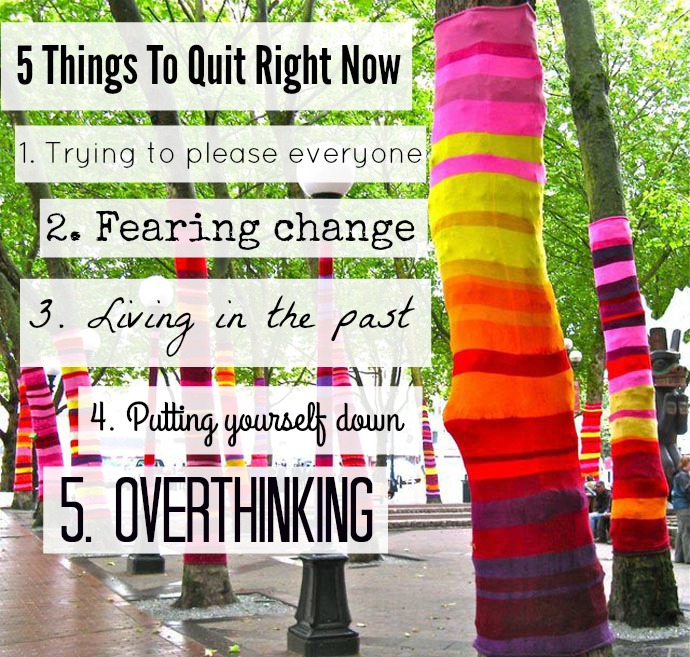
  • Chill your mind! Overthinking won’t do you any good if you don’t break things down into simpler thoughts and see the bigger picture. Whatever that is bothering, ask yourself these questions:
    • How important is it? Is it affecting you in a positive or negative way?
    • Would you prefer talking to somebody about it? If not, writing it down? Put ideas and thoughts onto tangible things if it helps you declutter your thoughts.
  • Exercise can help! Exercise has been studied and shown that it helps reduce stress in your body. Not only is it good to keep up a exercise routine, it also help with your mental health by releasing happy brain chemicals that makes you feel better. After a work out, you’ll feel a lot better than you did before.
  • You’re not in it alone! Tons of people are probably going through similar problems or challenges as you. Take the time to reach out to your social network and resources. Don’t forget that you are not alone and there are always people are willing to be a help and listening pal.

National Park Week and National ParkRx Day

National Park Week is America’s largest celebration of national heritage. It’s about making great connections, exploring amazing places, discovering open spaces, enjoying affordable vacations, and enhancing America’s best idea—the national parks! It’s all happening in your national parks. The National Park Service is once again partnering with the National Park Foundation, the official charity of America’s national parks, to present National Park Week from April 15 to 23, 2017.

Plan your visit by what you want to do or where you want to go. Here are some highlights during National Park Week:

  • April 15–16 and 22–23: Visit for free!
    On these National Park Week weekends, every national park will give you free admission!
  • April 15: Junior Ranger Day
    Calling kids of all ages! Earn a Junior Ranger badge at one of the many fun programs happening at parks across the country.
  • April 22: Earth Day
    Join a volunteer project or simply enjoy the natural wonders and wildlife preserved in national parks.
  • April 23: Park Rx Day
    Get healthy and active in a national park with a ranger-led program or with family and friends. Learn more about Park Rx Day.
  • April 23: Volunteer Recognition Day
    Find volunteer opportunities at a national park. If you are a current volunteer, share your story of why you volunteer and be recognized on social media. Learn more about Volunteer Recognition Day.
Try something new this year. Find your park!

Click on links down for more info!

Info belong to https://www.nps.gov/.

Talking to Teens About Alcohol

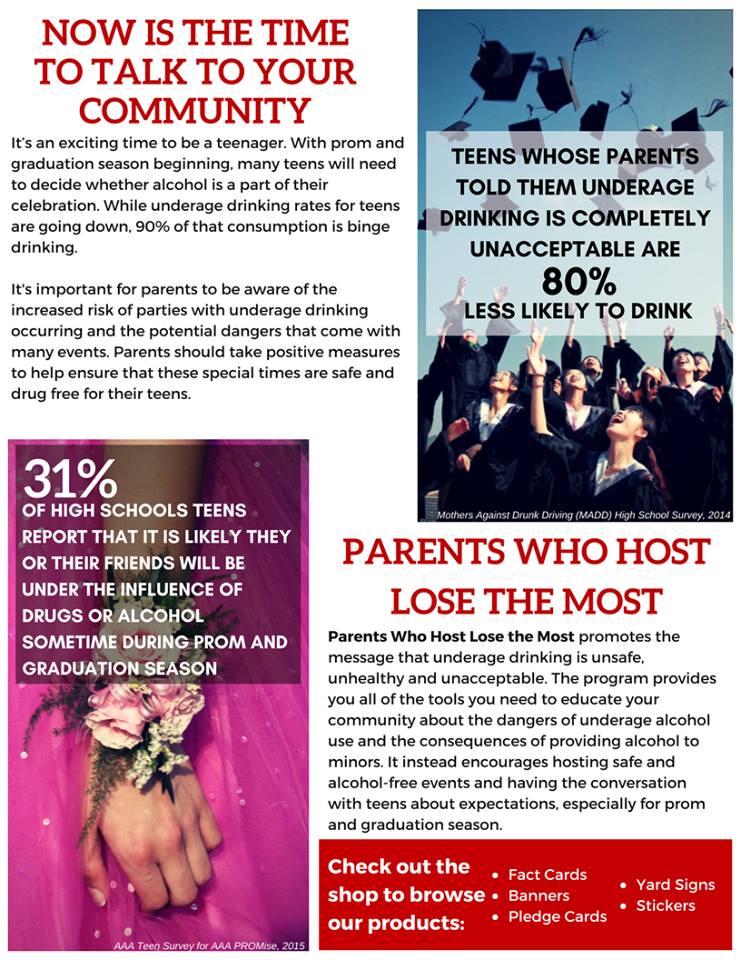
It’s important to discuss about the topic of alcohol usage and influences among teens. Whether it may be from their parents, schools, peers, friends, and so on. It’s matter of helping teenagers to develop better decision skills and to make decisions based on what they want. Why do we care? Because we want teens to know the risks of early alcohol use and how it can affect them.

So what are some reasons why teens drink?

  • Social events and social peer pressure
  • Mental, behavior, school, and/or problems at home
  • History of abuse or trauma

What are the consequences of early drinking?

  • Possibility of increased related problems
  • Alcohol-related accidents
  • Higher risk of engaging in:
    • Sexual activity
    • Violent Crime
    • Alcoholism

Belongs to rightful owner.

Minnesota’s Number 3 in US State Ranking

Minnesota welcomes you sign at the state border

mnlyme.org

ST. PAUL, MN – Citing economic opportunities, great educations, and quality health care in Minnesota, U.S. News and World Report today released a study ranking Minnesota the 3rd-best state in the nation. The study also ranked Minnesota as the best state in the region, when compared to North Dakota, South Dakota, Nebraska, Kansas, Minnesota, Iowa, and Missouri.

“This ranking affirms what we already know: we live in one of the very best states in the country,” said Governor Mark Dayton. “But we still have more work to do to ensure that Minnesota is a state that works for everyone. I urge the Legislature to join me in making the investments necessary to ensure that our state remains a national leader in education, health care, modern infrastructure, and other essential elements of economic opportunity for all our citizens.”
 
Among the categories considered in the study, Minnesota scored top rankings in opportunity, health care, infrastructure, education, and the economy. In every category scored, Minnesota beats the average of all states in the nation. The study notes that Minnesota has “the third-best health care and some of the best infrastructure and opportunity in the nation.”
 
“This study underscores that investments in education and infrastructure drive opportunities for all Minnesotans, everywhere in our state,” said Lt. Governor Tina Smith. “Governor Dayton’s Opportunity Agenda will continue this progress.”
 
Since Governor Dayton took office, the state has turned a $6 billion deficit into consistent budget surpluses, paid back $2.8 billion in debt to our schools, and added more than 255,400 jobs. Under the Governor’s leadership, the state has made investments in education every year – no excuses, no exceptions – to grow greater opportunity for all Minnesota families. Governor Dayton is now calling for An Opportunity Agenda for a Better Minnesota, to continue that progress and make Minnesota a state that works for everyone, everywhere in our state.
 
Minnesota’s Number 3 Best State Ranking
In addition to Minnesota’s national number 3 best state ranking, the study also ranked Minnesota as the number 1 state in the region, which also includes North Dakota, South Dakota, Nebraska, Kansas, Minnesota, Iowa, and Missouri. Below, see Minnesota’s rankings in the different categories studied.
 
Category
National Ranking
Regional Ranking
Opportunity
2
1
Education
3
1
Infrastructure
5
1
Health Care
3
1
Economy
12
2
Crime and Corrections
17
3
Government Administration
24
5
 
In the study, Minnesota also ranked #1 nationally for Labor Force Participation, #4 for Educational Attainment, and #5 for Medicare Quality. Additional information is available on the U.S. News and World Report website.
 
Information belong to rightful owner. For more, click here.