
Published: 2:00pm, 7 Feb 2026 Updated: 1:37pm, 24 Feb 2026
If you’re enjoying a cup of apple herbal tea, starting your day with tai chi, and winding down with a soothing foot bath, you may be part of an intriguing trend known as “Becoming Chinese.”
Since January, a TikTok influencer has unintentionally ignited a global movement centred on adopting Chinese lifestyle habits, with videos showcasing these practices attracting over 20 million views.
In one engaging clip, Sherry Zhu Xirui, 23, humorously proclaims to her audience: “If you love hotpot, dim sum, Sichuan cuisine, and Biangbiang noodles, then you are Chinese. Your body is simply yearning for that wonton.”
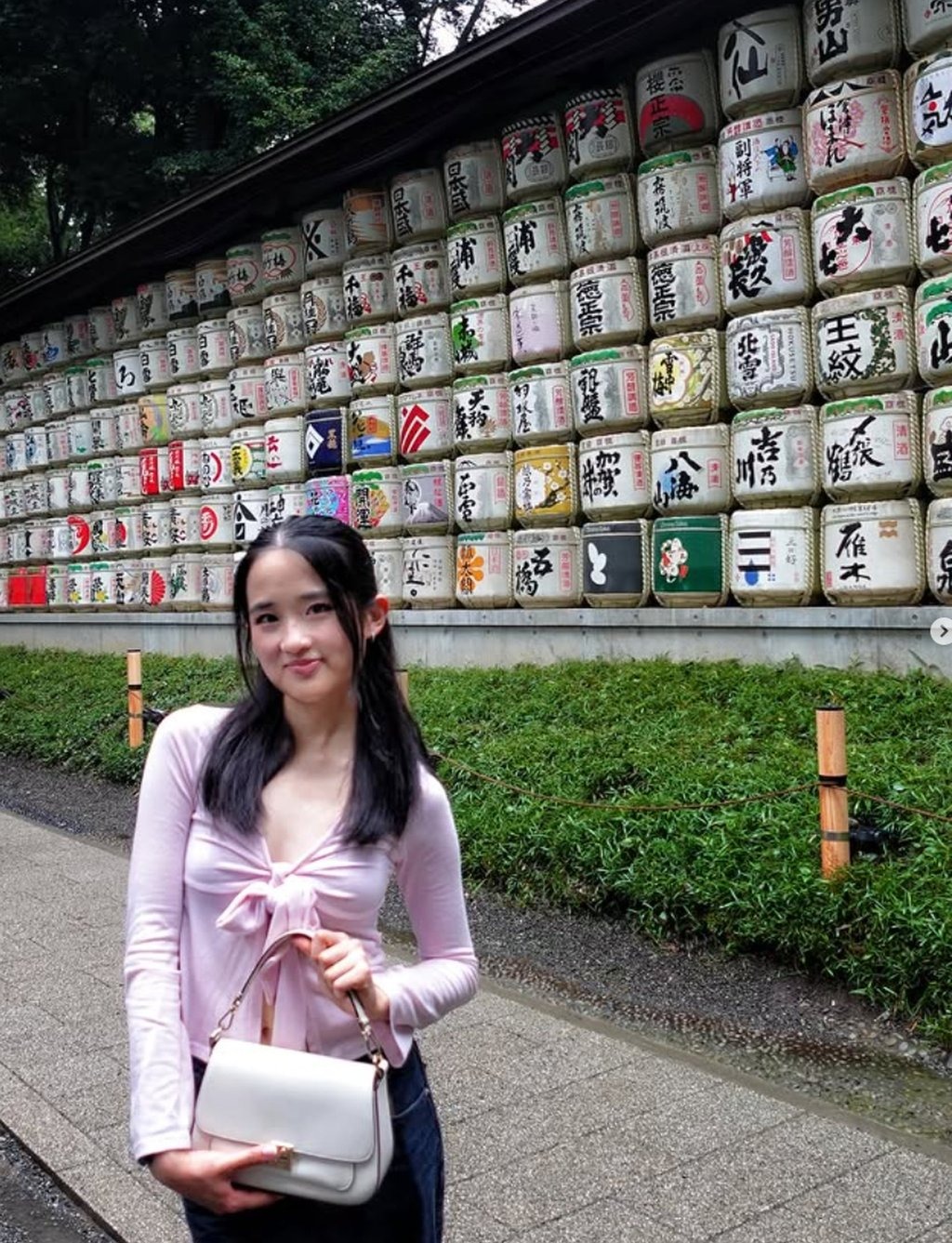
TikTok influencer Sherry Zhu, above, unintentionally sparked a global movement focused on embracing Chinese lifestyle habits, with her videos showcasing these practices garnering over 20 million views. Photo: Instagram
Zhu, whose father is from Pinghu in Zhejiang province, eastern China, and mother hails from Guizhou, southwest China, was raised in New Jersey after her father came to the US for studies.
In an interview with the SCMP, Zhu shared that her Chinese-American upbringing included traditional wellness habits, such as drinking hot water for digestion and wearing slippers indoors to protect from han qi, the body’s cold energy.
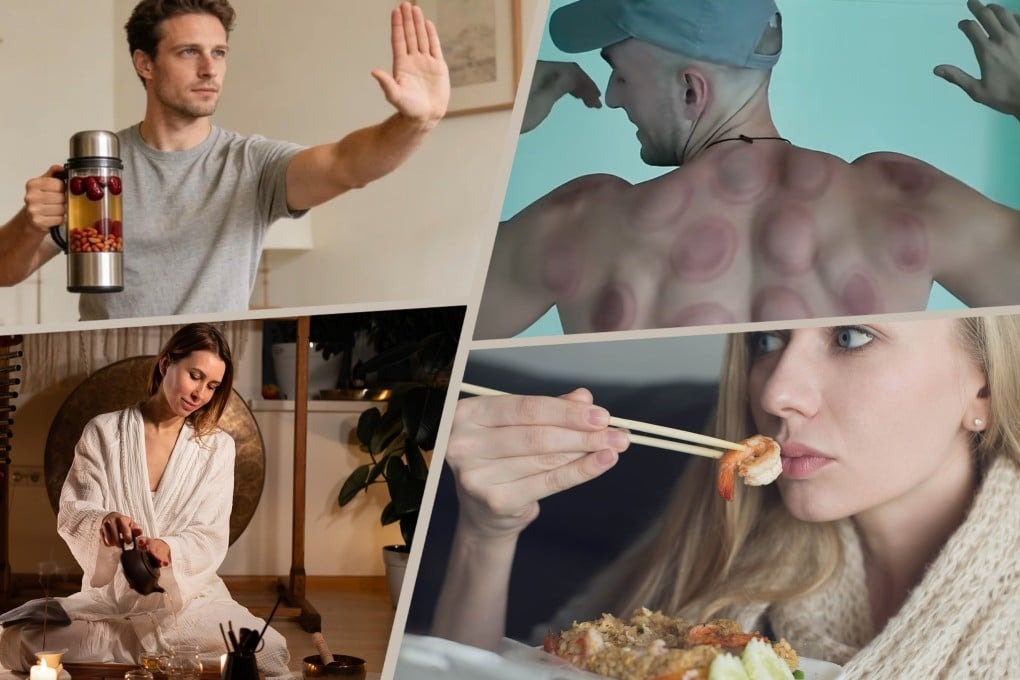
Many users have joined Zhu by posting content tagged “becoming Chinese” or “transforming into a Chinese baddie,” showcasing lifestyle changes like opting for bone broth over salads, replacing coffee with hot water, or practising tai chi and Baduanjin qigong to alleviate work-related stress.

Zhu, second from left, whose father is from Zhejiang province and mother from Guizhou, was raised in New Jersey after her father moved to the US for his studies. Photo: Instagram
One TikTok user remarked on experimenting with acupuncture and cupping, referring to it as “the painful but worthwhile step to becoming a Chinese baddie.”
As Western audiences increasingly embrace Chinese lifestyles, they are also reevaluating their own cultural identities through this journey.
A year earlier, with the threat of a TikTok ban in the US, many users transitioned to the Chinese platform RedNote, dubbed “TikTok refugees,” leading to a significant cross-cultural exchange that saw RedNote rise swiftly in popularity.
This migration prompted the rapid introduction of AI translation features, facilitating connections across cultural lines.
Sun Fei, a social work professor at Michigan State University, observed that the “becoming Chinese” phenomenon underscores a disillusionment among some non-Chinese individuals with their own societal norms.

Experts said as Western audiences increasingly adopt Chinese lifestyles, they are also reassessing their own cultural identities amid this transformative experience. Photo: Shutterstock
He explained to the SCMP: “Western users realised that China’s technology, urban lifestyle, and culture differ from their expectations. Engaging with Chinese culture allowed many to dismantle prejudices and feel empowered to redefine their perceptions of social reality and justice.”
However, the trend is not without its critics.
Zhu remarked that some negative responses have come from fellow Chinese-Americans, who may feel conflicted seeing their culture commodified.
“They’ve faced bullying and now grapple with the confusion of witnessing Chinese culture presented as trendy,” she noted.
In the wake of the Covid pandemic, animosity towards overseas Chinese communities surged, adding complexity to the conversation.

Reflecting on her childhood experiences, Zhu recalled being teased for bringing noodles to school; nevertheless, she refused to let negativity cloud her spirit, proudly embracing her cultural heritage. Photo: Instagram
Recalling her childhood struggles, Zhu mentioned being teased for bringing noodles to school, with remarks like her food resembling worms. Others would condescendingly acknowledge her proficiency in English.
Despite these challenges, Zhu did not allow negativity to deter her; she embraced her cultural roots with pride.
“I’ve understood from a young age the warmth and benefits that Chinese culture offers. The support of my family and friends has been unwavering. Those who deride a culture they don’t comprehend are the truly pitiful ones,” Zhu expressed.
Why ‘becoming Chinese’ has gone viral among Americans despite US-China tensions
She is encouraged by the increasing number of individuals eager to learn about Chinese culture.
Meanwhile, Chinese mainstream media sees the trend as an opportunity to enhance the country’s soft power.
Sociologists emphasise that any nation aiming to reshape its international image must cultivate cultural confidence while addressing domestic issues of fairness and harmony, steering clear of excessive focus on external validation.
Professor Sun remarked: “Those embracing ‘becoming Chinese’ might overlook some of the internal challenges within Chinese society, yet these are the realities recognised and experienced by the Chinese public.”

Following the looming threat of a TikTok ban in the US last year, many Western users flocked to the Chinese platform RedNote, fostering significant cross-cultural exchanges and propelling its rapid rise in popularity. Photo: shobserver.com
He advocates for social media platforms, global content creators, and social organisations to present a wider spectrum of cultural narratives.
While the “Becoming Chinese” trend may not endure indefinitely, the phenomenon of cultural imitation facilitated by digital mediums is anticipated to resurge.
“In the future, we may witness cycles of trends such as embracing Japanese lifestyles, adopting Nordic minimalism, or relocating to Thailand. Today’s global youth are eager to explore their identities and foster cross-cultural connections,” Sun said.
He posed a challenge to content creators: “You have established cultural trends, but can you evolve into true leaders, advocates, and influencers who inspire meaningful societal change?”

Zoey Zhang is a multimedia reporter who covers ranges of topics including China culture, education, social trends, and Asian human interest stories. She previously interned with the Post on the video desk over the winter of 2022-2023. She holds a master’s degree in Journalism from the University of Hong Kong.