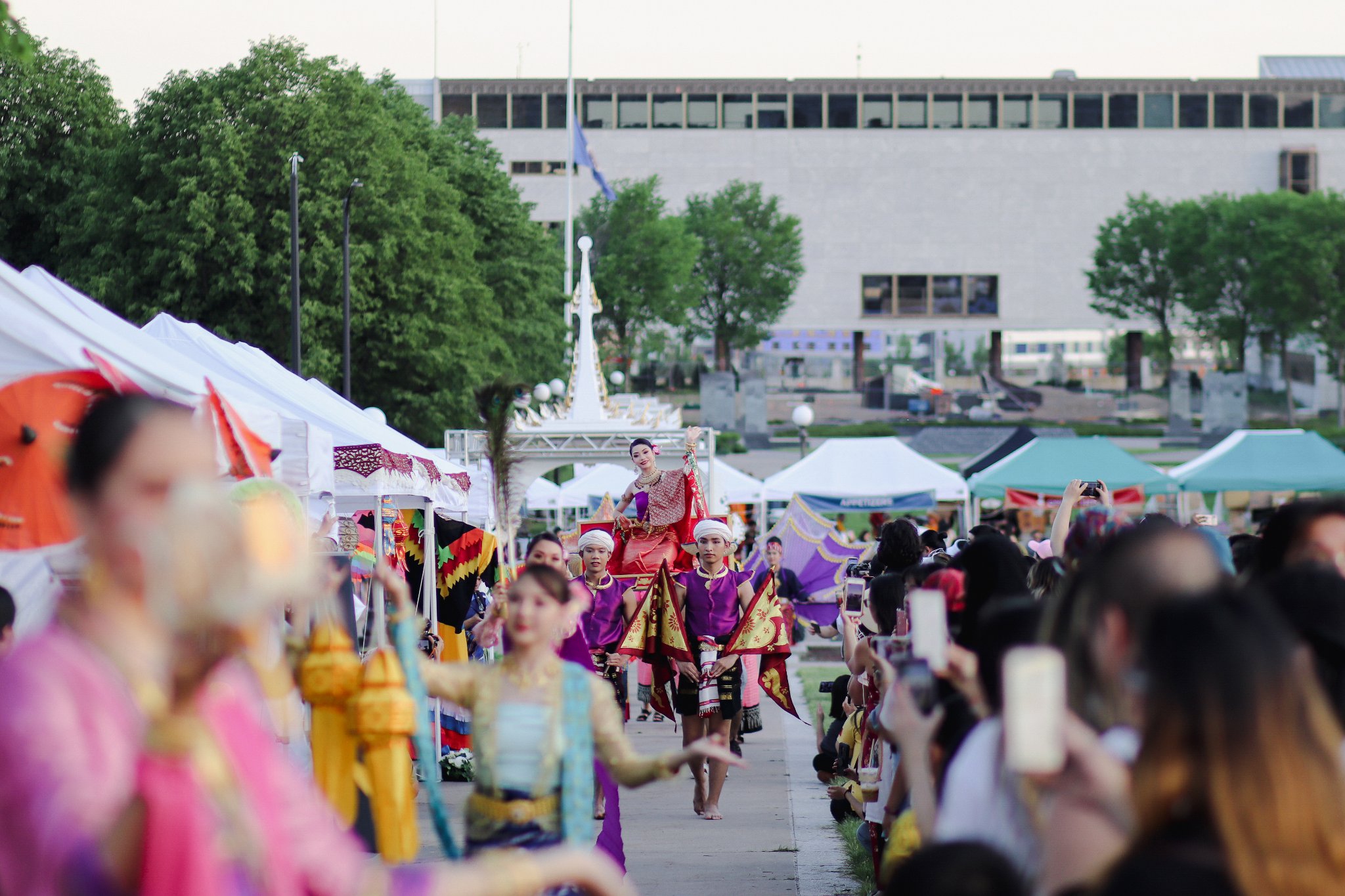
The sounds of harps and dulcimers can be heard echoing in the distance. Bright and festive colors adorn banners as a sea of brocade clothing is illuminated by the midday sun. What a beautiful thing it is to hear many languages all spoken at one time, and to see thousands of years old art, music and poetry being performed before our own eyes, it warms the heart and brings us joy. We can not overlook the importance of building a strong foundation for our communities. We can build a strong foundation by first creating more diversity, creating a cultural environment that is all inclusive, and also by educating others about our own cultural identities and ways of expression.
For thousands of years art has been the one thing that brought people together. Regardless of background, location, language etc, our arts have been there evolving alongside us. These arts we hold close to our hearts, because they carry the voices and stories of our ancestors journeys. These poems speak of their lives, these sounds ring the sounds of their dreams and visions, these dances depict many historical events, and to be able to experience the beauty of these arts is absolutely incredible.
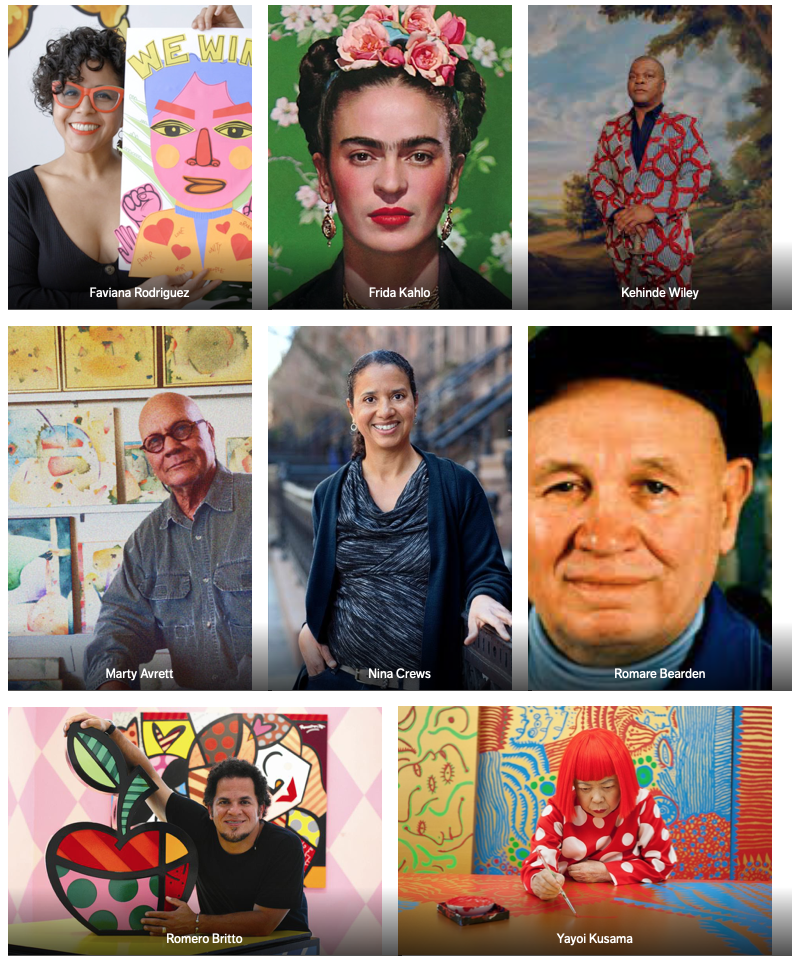
“To me, beauty is inclusion– every size, every color– that’s the world I live in.”
Prabal Gurung (Fashion Designer)
Photo by: Wat Promwachirayan
Within our beautifully diverse communities we have created space for everyone to share, express and be who they are. Everyone in our BIPOC AAPI communities has a VOICE, and everyone is valid. We have learned to respect each others differences and we have learned to mix the old and the new, traditional and modern, to create a new path for future generations and for the present moment by sharing and promoting culture and freedom of expression through cultural arts. Historically speaking, this is the greatest movement in our history towards global peace.
” The way you dress is an expression of your personality.”
~Alessandro Michele ~
Bruce lee
For many BIPOC/ AAPI artists, it may sometimes be challenging to express themselves in a way that is uniquely original, partly due to the fact that society has a so called “standard” way of expression. They may have an idea about what colors they like, what style of shirt and shoe’s, or what brush strokes to use on a painting, what ink with what brush etc, but still maybe they feel something might be blocked or just missing all together. This is when we must look at our world, we must look at our cultures, we must look into our dreams and the stories that our grandparents have told us. Here, in those things, are the colors and textures that can be used to paint your vision, here is the the medium for part of your expression, the other part is you, your life and your experiences. Being brought up in a multi-cultural, or bicultural home is the greatest blessing of all, never forget that. I say it’s the greatest blessing because it not only challenges our minds, but also opens our minds and gives our mind more windows of light to work with. All of these things and more can influence, and also impact our creativeness and our expression.
Ways to express yourself:
Writing poetry
Working with clay
Writing stories
Painting
Composing your own songs
Keeping a journal
When we are able to find that medium in which we can express ourselves through freely, either by painting, writing poetry or stories, or even creating our own original fashion statements, in those moments we have tapped into our potential of unique original expression. For us POC, we may also at times feel ashamed to express ourselves freely, because of how society may label us as POC, or because of the complexities of culture and religion. It can be so challenging to take the courageous step of liberating ourselves through expression, however once we are able to achieve such, all of the nets society has thrown on us will fall away.
I encourage you to be creative, listen to your heart, respect traditional cultures of your own and others, and live each moment as colorfully possible.
As meditation becomes a more globally popular way to destress and bring about an inner peace many may be questioning what it means to have a Bicultural perspective on the practice. Let us have a look at the benefits of bicultural meditation and what bicultural meditation actually means. First, what is biculturalism?.
Biculturalism refers to the ability of an individual to successfully navigate and integrate into two different cultures. It can also refer to the coexistence of two different cultures within a society, where individuals from both cultures are able to live and work together while maintaining their own cultural identity. Bicultural individuals are able to understand, appreciate and respect the values, customs, and beliefs of both cultures they are part of, while still maintaining a sense of belonging to each culture. They are able to communicate effectively in both languages and understand the nuances of each culture, which can be a valuable asset in many different settings. Biculturalism can be a result of a variety of factors such as growing up in a family with parents from different cultural backgrounds, living in a country with a dominant culture different from one’s own, or actively seeking to learn about and immerse oneself in another culture.
Bicultural meditation is a universal practice that integrates principles and techniques from two different cultural traditions into one unified meditation practice. This is especially helpful for individuals who come from bicultural backgrounds or those who have a deep appreciation and respect for multiple cultures.
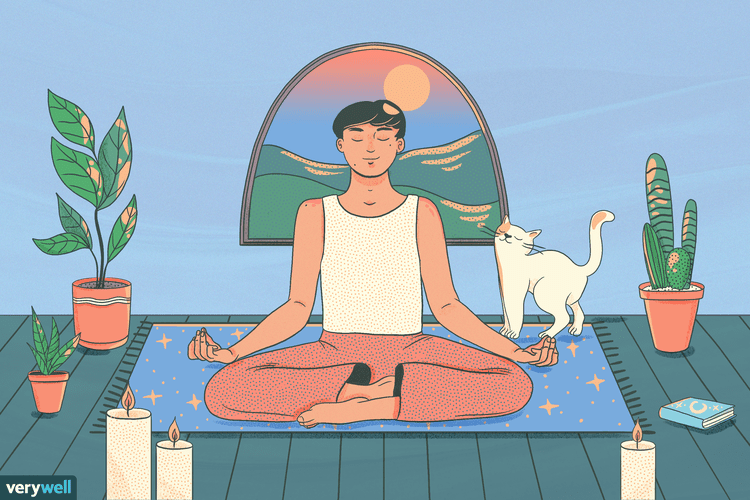
Bicultural meditation can involve combining different meditation techniques, such as mindfulness meditation from the Buddhist tradition and heart centered prayer from the Christian tradition. It can also involve incorporating different cultural symbols, ritual instruments, practices or chants into the meditation practice, such as lighting incense or candles, using specific postures or hand gestures ( mudra ) or chanting in different languages.
Bicultural meditation can offer a variety of benefits for individuals who are seeking to integrate principles and techniques from multiple cultural traditions into their meditation practice. Here are some potential benefits:
Increased self-awareness: Bicultural meditation can help individuals gain a deeper understanding of their own cultural identity and how it impacts their thoughts, emotions, and behaviors.
Greater empathy and understanding: By incorporating practices and symbols from different cultures into their meditation practice, individuals can develop a greater appreciation and understanding of other cultures, which can promote empathy and understanding.
Enhanced mindfulness: Combining different meditation techniques can help individuals cultivate a more focused and present state of mind, which can promote greater mindfulness and reduce stress and anxiety.
Greater spiritual growth: Bicultural meditation can provide a unique opportunity for individuals to explore and deepen their spirituality, drawing on the wisdom and practices of multiple cultural traditions.
Improved emotional regulation: By cultivating greater awareness and compassion for oneself and others, individuals may find that they are better able to regulate their emotions and respond more effectively to challenging situations.
Greater sense of connectedness: Bicultural meditation can help individuals feel more connected to their cultural heritage while also promoting a sense of connectedness and community with others who share similar values and beliefs.
Bicultural meditation can offer a powerful way to explore and integrate multiple cultural traditions into a meaningful and effective meditation practice, promoting personal growth, cultural understanding, and spiritual development.
Alison Czinkota / Verywell
Spirituality and identity are closely related because they are both fundamental aspects of human experience that help shape our understanding of ourselves, our place in the world, and our relationship with others. Our spirituality can play a significant role in shaping our identity by providing a framework for how we understand and interpret our experiences, emotions, and values.
The challenges we face in mental health as BIPOC people are quite complex. First, our cultural identities as BIPOC people may greatly differ from each other, socially and culturally; this can add an even more difficult layer of challenge to mental health as a person of color. Secondly, lack of cultural understanding can also have a role in mental health challenges for BIPOC communities. It may seem easy to put a (one size fits all) label on mental health, however this is not how we should go about our mental health and generational healing. The questions we should be asking are; how do we as a diverse community heal together, without devaluing each other or totally disregarding another?, and how do we establish better equity in mental health specifically designed for AAPI / BIPOC individuals and our communities?.
Now, let us have a look at some in depth information on our unique mental health needs and resources. So often, when seeking help we tend to get just the basic in care, or even at times no care at all due to racial disparities and inequities in the health care system. Some of the factors contributing to lack of care may also be:
Lack of insurance, or underinsurance
Mental stigma which may be greater in AAPI / BIPOC communities
Lack of diversity amongst mental healthcare providers
Lack of providers with a diverse cultural worldview or cultural competence
Distrust in mental health care system
Inadequatesupport for mental health service in safety net settings
Ruth Simmons a former Brown University President, explained in a Washington Post article, individuals who are the target of racist actions “must move through the world limited by sometimes invisible or unpredictable restrictions on their movements, their behavior and their words … Determining how to live life openly and productively in the face of such attacks on one’s existence is a lifelong task.”
Healthforward.org
Photo Credit: NIH.GOV
It is absolutely crucial that we develop better cultural competence in mental health care, with better cultural competence in mental heath we can establish stronger and more interconnected engagement between healthcare providers and those seeking health care. Georgetown University’s National Center for Cultural Competence stated, “A set of congruent behaviors, attitudes, and policies that come together in a system, agency or among professionals and enable that system, agency or those professions to work effectively in cross-cultural situations.” Therefor a more diverse health care team, health care professionals with a deeper cultural worldview, and specialized culturally diverse training is certainly needed in reducing inefficiencies in mental health care.
Shared below are links to diverse mental health resources:
The COVID-19 pandemic has disproportionately affected Asian Americans and Pacific Islanders, causing a major gap in equality, and increased racism and xenophobia. The pandemic has intensified the isolation among AAPIs, who are more culturally collective. Technology use has given some support during the social distancing, however seniors and older adults may not have the same social support from technology use.
You can read more about social support and technology use and their association with mental and physical health during COVID-19 at: https://publichealth.jmir.org/2023/1/e35748
We will all experience anxiety, for example, speaking in front of large groups can make us anxious, however that anxiety can also motivate us to prepare and practice. Driving in heavy traffic is another common source of anxiety, but it helps us stay alert to avoid accidents.
However, when feelings of intense fear and distress become too overwhelming and they prevent us from doing everyday activities, an anxiety disorder may be the cause.
Anxiety disorders are the most common mental health concern in the United States. Over 40 million adults in the U.S. have an anxiety disorder, and about 7% of children aged 3-17 experience issues with anxiety each year. Most people develop anxiety symptoms before the age of 21. In this article you will learn about anxiety symptoms, types of anxiety, causes of anxiety, diagnosis and treatments for anxiety.
This article discusses the clinical needs for youth and the families of youth in crisis. The clinical needs of children and youth are different than that of adults, much care needs to be taken in establishing health services that can help the needs of children and their families in crisis.