November is National Diabetes Month

livingwithdiabetes_456v2px

It’s Your Life. Treat Your Diabetes Well.

http://www.cdc.gov/

“November is National Diabetes Month, and the City of Minneapolis wants to help prevent diabetes by encouraging people to get screened for Type 2 diabetes and then take action if they’re at risk for developing it.

The Minnesota Department of Health estimates that one out of three Minnesotans have prediabetes, but most of them don’t know it. People with prediabetes are likely to develop Type 2 diabetes within five years if they don’t take action.” – http://www.minneapolismn.gov/

The Minneapolis Health Department, with funding from the Minnesota Department of Health and the Centers for Disease Control and Prevention sponsors the prevention program for Minneapolis residents in four community clinics and one community organization.

Under the guidance of a trained coach over 16 weeks, participants learn healthy eating, physical activity, managing stress, staying motivated, and solving problems that can get in the way of making healthy changes.

New classes are forming now. For more information, people can go to www.minneapolismn.gov/health/living/diabetesor call a class provider directly:

  • Native American Community Clinic (Brian Joyce at 612-872-8086 x1041).
  • Hennepin County Medical Center (Pa Xiong at 612-873-6641).
  • Neighborhood HealthSource clinics (Julie Lor at 612-287-2447).
  • Stairstep Foundation (Sylvia Amos at 612-521-3110).

For more information about the National Diabetes Prevention Program, go to www.cdc.gov/diabetes/prevention/index.htm.  Credits belong to the rightful owner.

Nov 19: the Great American Smokeout

svcKw0nNG36ZGJT_-PuE0nxt41ultJIh8QtTKn12pZg

AMA STEPUP 2015

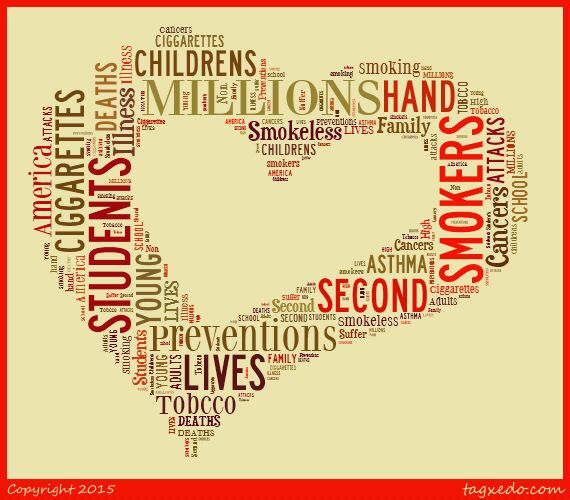
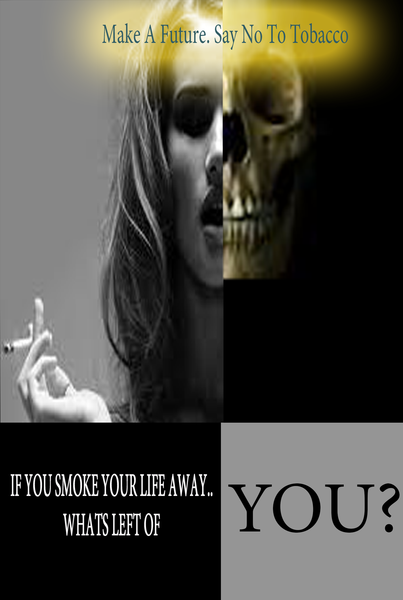
One problem that the U.S. and in other parts of the world still face today is the usage of tobacco. Tremendous research and data has proven that it can ruin your health. If you’re a smoker, take the steps now to live a healthier life. It is easier said than done as many smokers are addicted. But there is always help available for those who wants quit smoking.

“That’s where the American Cancer Society’s Great American Smokeout can help. This event takes place on November 19 and encourages smokers to quit or to use the day to make a quit plan. Free help is available at 1-800-QUIT-NOW (1-800-784-8669) and at 1-855-DÉJELO-YA (1-855-335-3569) (for Spanish speakers).

When you quit smoking during the Great American Smokeout, you have the support of many other people across the nation. And you’re taking an important step towards a healthier life.” – http://www.cdc.gov/

Five Ways to Get Ready to Quit Smoking

Quitting smoking can be hard, so a good plan can help you get past symptoms of withdrawal. Five steps can help.

  1. Set a quit date. Choose the Great American Smokeout or another quit day within the next 2 weeks.
  2. Tell your family and friends about your quit plan. Share your quit date with the important people in your life and ask for support. A daily phone call, e-mail, or text message can help you stay on course and provide moral support. Try SmokefreeTEXT for 24/7 help on your mobile phone.
  3. Be prepared for challenges. The urge to smoke is short—usually only 3 to 5 minutes. Surprised? Those moments can feel intense. Even one puff can feed a craving and make it stronger. Before your quit day, write down healthy ways to cope.
    • Drink water.
    • Take a walk or ride your bike.
    • Listen to a favorite song or play a game.
    • Call or text a friend.
  4. Remove cigarettes and other tobacco from your home, car, and workplace. Throw away your cigarettes, matches, lighters, and ashtrays. Clean and freshen your car, home, and workplace. Old cigarette odors can cause cravings.
  5. Talk to your pharmacist, doctor, or quitline coach about quit options. Nicotine patches, gum, or other approved quit medication can help with cravings.

Other benefits include:

  1. Financial savings! As you slowly quit, you’ll realized that all the side cashes that you usually spend on cigarettes can be spent on better things or put into your savings for future use.
  2. Health recovery and improvement! The sooner you quite smoking, the better condition your body will be in. Within 3 days, the nicotine in cigarettes are completely flushed out of your system. Within 1-9 months, your lungs, and other parts of your body will start to repair itself from the damage of smoking tobacco. Within 10 years, your chances of getting cancer decreases by 30%-50%!
  3. Having an environment with clear air! By being a non-smoker, you can help lessen the pollution that goes into the air. Also, you would be lessening the amount of trash that comes from leftover cigarette parts.

Credits and for more information is link here!

This Month in Japan | November

koyomi11

“Frost month” or Shimotsuki is the old name for November. This is because in many parts of Japan, frost becomes visible in the mornings and this is the month when colder weather begins to set in.

During this month, there are two national holidays: Culture Day (Bunka no hi) on 11/3 and Labor Thanksgiving Day (Kinro kansha no hi) on 11/23. Culture Day is a special day where achievements in culture, the arts, and academic endeavor are recognized. Award ceremonies, festivals, parades, and art exhibitions are part of the celebrations that occur to honor professionals in these fields as well as to maintain local culture traditions in general.

While shichi-go-san on 11/15 is not an observed national holiday, it is a popular day throughout Japan where 7 (shichi) year-old-girls, 5 (go) year-old boys, and 3 (san) year old boys and girls visit shrines wearing traditional clothing. The purpose of the holiday is to celebrate the growth and well-being of children.

 Shichi Go San -Family Portrait

https://grittymonkey.wordpress.com/

Fun facts:

  • Shimotsuki is also a Japanese surname.
  • Based on the zodiac, it is the month of the dog.
  • Labor and Thanksgiving Day is a time where Japanese people express their thankfulness for employment.

Credits belong to rightful owner.

Facts for Features Halloween

jack-o-lantern_crop

Halloween

Halloween, which dates back to Celtic rituals thousands of years ago, has long been associated with images of witches, ghosts and vampires. Today, Halloween has evolved into a celebration characterized by child-friendly activities, such as costumes, trick-or-treating and carving pumpkins into jack-o’-lanterns.

Dressed to Thrill

A sampling of occupations that one may dress up as for a Halloween costume:

Graph

The estimates of athletes, coaches, umpires, and related workers and detectives and criminal investigators are not statistically different from one another.

Spooktacular


4,471 The number of motion picture theaters (except drive-ins) in the U.S. in 2013 where one could possibly enjoy a horror movie. California (495), Texas (310), New York (273) and Florida (203) had the most of such establishments. There were 219 drive-in motion picture theaters in 2013 — Ohio had 21 and Pennsylvania had 20 drive-in motion picture theaters. Click here for table.

50,900

Acres of pumpkins harvested in the U.S. in 2013, with a total estimated production value of $149.9 million. Of the top six pumpkin-producing states, Illinois led the country by producing an estimated 547.6 million pounds of this vined gourd, followed by California, Ohio, Michigan, New York and then Pennsylvania. Pumpkins are frequently carved as decorations around Halloween.

$820 million

The estimated construction spending on theme/amusement parks in 2014. Halloween events at theme/amusement parks can be frighteningly fun. For more information about construction spending, please visit: <http://www.census.gov/constructionspending>.

1,148

The number of costume rental and formal wear establishments; they had a total of 6,574 paid employees across the nation in 2013 (for the pay period including March 12, 2013). Click here for table.

302

The number of broomstick and casket manufacturing establishments (for the more authentic witches and vampires); combined, these two industries employed 12,627 people and had a total value of shipments of $3.6 billion in 2012. Click here for table. $1.1 billion Dollar value of U.S. fresh apples exported in 2014. Whether bobbing for or dipping in caramel, apples can be a fun treat around Halloween. Source: U.S. Census Bureau, International Trade Statistics, Commodity Code 080810 https://usatrade.census.gov/

Who You Gonna Call?

89% Percent of households that had a cellular phone in 2011, compared with only 36 percent in 1998. The percentage of households with a cellular phone only (no landline) rose from less than 1 percent in 1998 to 28 percent in 2011. <http://www.census.gov/prod/2013pubs/p70-136.pdf> Click here for PDF.

Credits belong to rightful owner.


Today is #WorldStrokeDay!

ginormous

www.strokeassociation.org

Today highlights the importance and awareness of stroke. By being more knowledge in what stroke is, we can better understand how it affects people afflicted with stroke. According to http://powertoendstroke.org/, “stroke is a type of cardiovascular disease. It affects the arteries leading to and within the brain. A stroke occurs when a blood vessel that carries oxygen and nutrients to the brain is either blocked by a clot or bursts. When that happens, part of the brain cannot get the blood (and oxygen) it needs, so it starts to die.” What can you to spread the knowledge:

  • Share, tweet, and tell your friends about #WorldStrokeDay
  • Tell Congress that stroke survivors on Medicare deserve better. If Congress does not act before next spring, stroke patients on Medicare will face limits on the outpatient therapy needed to regain vital skills, like walking and talking. The typical Medicare beneficiary has a $1,900 therapy cap. On average, that amounts to a single evaluation and just 19 outpatient therapy sessions. However, stroke survivors often need 3-5 therapy sessions a week, which means they’d reach the caps in less than two months. We must do better for these survivors! Tell Congress to remove this harmful cap on stroke patients once-and-for-all! (http://www.strokeassociation.org/)
  • Symptoms include sudden numbness, severe headaches, and troubles with walking, and seeing. The faster you call for help, the quicker it can be helped!
    • If you think someone may be having a stroke, act F.A.S.T.1 and do the following simple test:F—Face: Ask the person to smile. Does one side of the face droop?
      A—Arms:
      Ask the person to raise both arms. Does one arm drift downward?
      S—Speech:
      Ask the person to repeat a simple phrase. Is their speech slurred or strange?
      T—Time:
      If you observe any of these signs, call 9-1-1 immediately.

Here are some quick facts about stroke (www.cdc.gov):

  • Stroke kills almost 130,000 Americans each year—that’s 1 out of every 20 deaths.
  • Stroke is a leading cause of serious long-term disability.
  • On average, one American dies from stroke every 4 minutes.
  • In 2009, 34% of people hospitalized for stroke were younger than 65 years.
  • The country’s highest death rates from stroke are in the southeastern United States.2 Below is a map showing the prevalence of stroke across the United States.

stroke_death_rates

Credits belong to rightful owners.

Online Resources for Community Health

p1008-ebola-screening

Need a reliable search engine for topics related to health, wellness, and more? The official site of CDC has many resources that are available to the public. CDC hosts more than just health information as there are scientific data, current events, and other great topics!

“This searchable database, available to the public, is populated with practice-based resources to help you implement changes to prevent disease and promote healthy living in your community.

The resources include Webinars, model policies, toolkits, guides, fact sheets, and other practical materials which are organized by the following content areas:

  • Active Living
  • Clinical and Community Preventive Services
  • Foundational Skills
  • Healthy and Safe Physical Environments
  • Health Equity
  • Healthy Eating
  • Schools
  • Social and Emotional Wellness
  • Workplace Health

Each area has subcategories to make it easy for you to find the information you need. Start your search today!”

Access the CDC resources here!

References belong to CDC.

Team Building Ideas

Week7Blog2Get to know your peers, co-workers, and people around you better by doing activities and sharing experiences together! Most of time, it involves unhealthy food and alcohol for people to relax and come together, but there are other healthier options that can still provide the same entertainment. Here are some ideas that can help break the ice and have everyone’s active participation:

  1. Volunteer together as a group! The best part about this option is that there are so many different kinds of volunteer opportunities that are available and locally nearby. Have everyone make a vote of which cause you all want to support and do it together to build relationships and contribute to the community.
    1. Walk or run a marathon!
    2. Build a community garden!
  2. Host a potluck! Encourage people to bring healthy snacks and dishes! It will allow people to be creative and try to create healthy foods to bring. And the best part is that it is a sharing event!
    1. Vegan Dishes
    2. Organic Foods
    3. Gluten Free Dishes
  3. Plan a field trip/event! Being able to share experiences together is a great way to bond with other people. It will allow everyone to learn a bit more about each other in a informal setting.
    1. Camping
    2. Fitness class
  4. Organize a club! If many people share similar interests such as sports, books, or foods then have a club dedicated to organizing group events for those topics.
    1. Book club
    2. Sports league team
    3. Cooking club


This Month in Japan | October

Kannazuki, the old name for the month of October, is often translated as “month of no gods.” There is an interesting story behind the meaning of Kannazuki. In October, all of the gods throughout Japan gather at Izumo Shrine and forgo their responsibilities for the month. Conversely, in the town of Izumo where the shrine is located, the month is known locally as Kamiarizuki, or “the month of gods.”

In Japan, the second Monday of October is Taiiku no hi (Health and Sports Day). This year it is set on Oct 12. Typically, schools and some businesses host field days to encourage both physical and mental health. Popular activities include track, field events, and tug of war. This event allows students to bond and work together as a team. Mid-autumn is the best season for sport events as it isn’t too cold or too hot.

IMG_0354

realm-of-reverie.blogspot.com

October also includes lots of festivals that occurs all around Japan. Click here to learn about information about the events.

Credits belong to rightful owners.

Walk to School Day, Oct 7th!

“International Walk to School Day is a global event that involves communities from more than 40 countries walking and biking to school on the same day. It began in 1997 as a one-day event. Over time, this event has become part of a movement for year-round safe routes to school and a celebration – with record breaking participation – each October. Today, thousands of schools across America – from all 50 states, the District of Columbia, and Puerto Rico – participate every October.” – http://walkbiketoschool.org/

WTSD_6inch_Color

www.walkbiketoschool.org

This event occurs each year and serves to remind everyone to live a healthier life. Walking can be exercise too if you do it enough! “Walking briskly for 2 hours and 30 minutes each week— easily broken up into 5, 30-minute walks—helps you meet the Physical Activity Guidelines and gain health benefits.” (http://www.cdc.gov/). If you don’t enjoy running or intense exercise, this is another option. Encourage your community to start walking more often by:

  • Walking with friends and family! It is a great way to spend time and exercise together.
  • Walking outside allows you to be part of the community because you are interacting with environment and people around you. The more people that are outside, the more it will encourage other people to come out.
  • Try to walk to your destinations as often as possible. If it’s close enough, take your time to walk there. Not only will it help you exercise, but help you save transportation money.

October 6: Join Us on Twitter for a Chat on Breast Cancer Awareness‏

October is Breast Cancer Awareness Month. Join the conversation on Twitter this Tuesday October 6th at 1 PM (ET). We’ll be discussing prevention, warning signs and more. The chat will be in English and Spanish.

Join @USAgov on October 6 for a chat on Breast Cancer Awareness

Follow the hashtag #SaludTues to submit questions in advance or join the conversation on Tuesday. You can also follow these Twitter accounts for more information: @USAgov@GobiernoUSA, @FDAWomen @FDAenEspanol and @SaludToday.

Credits belong to rightful owners.