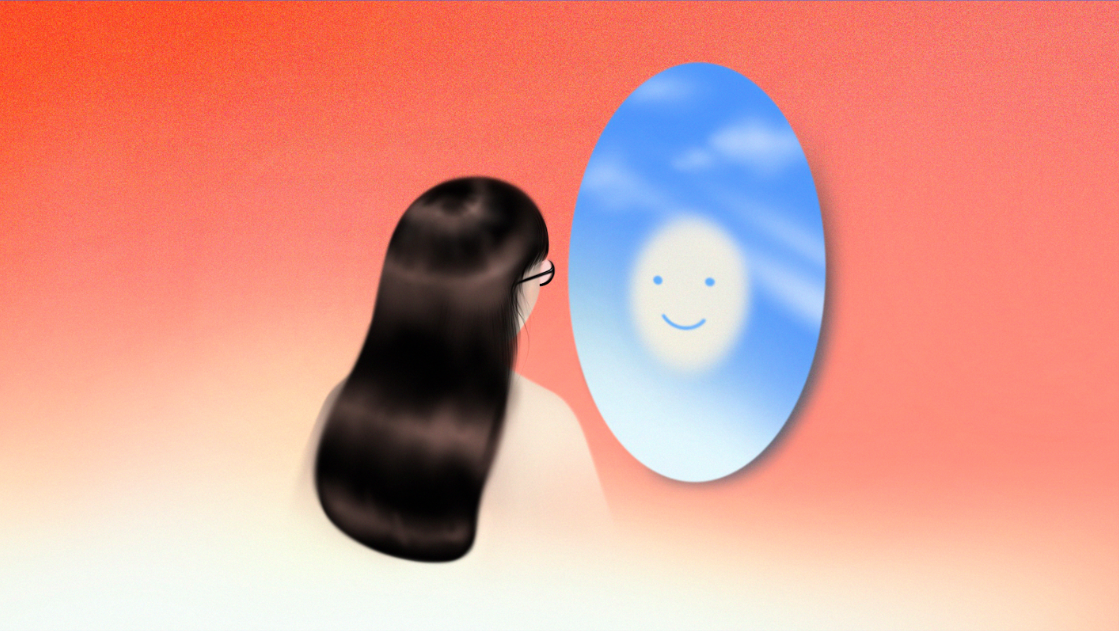
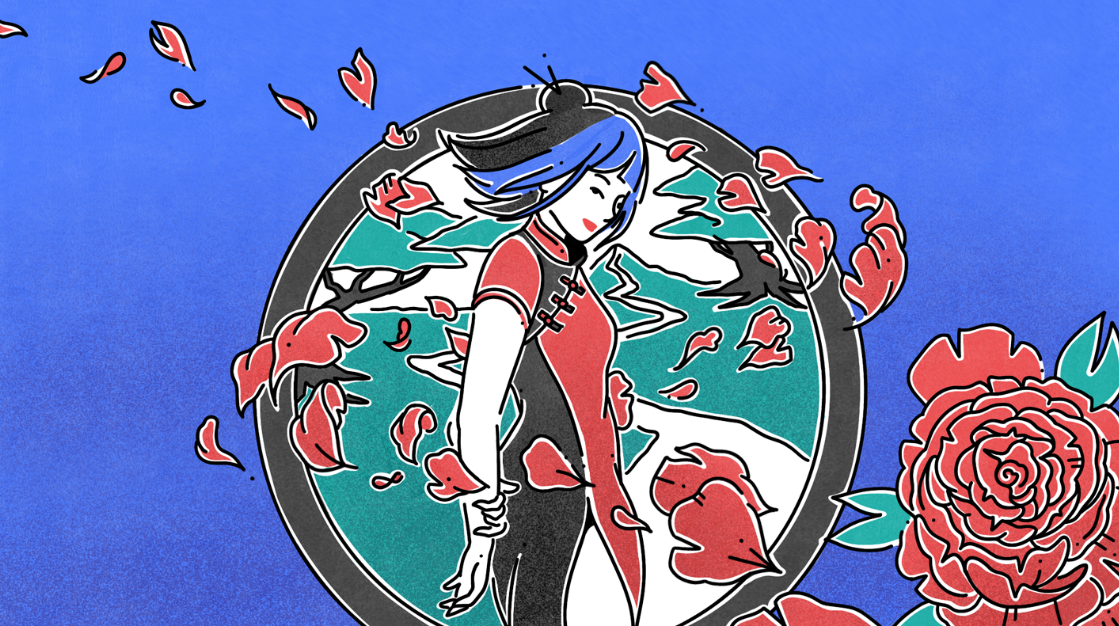
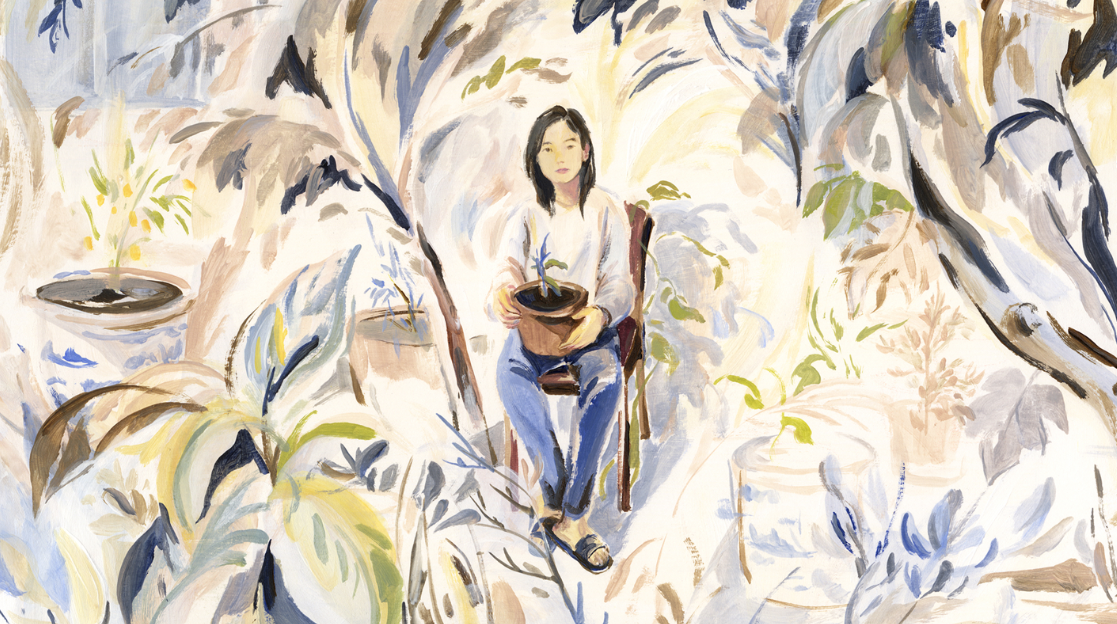
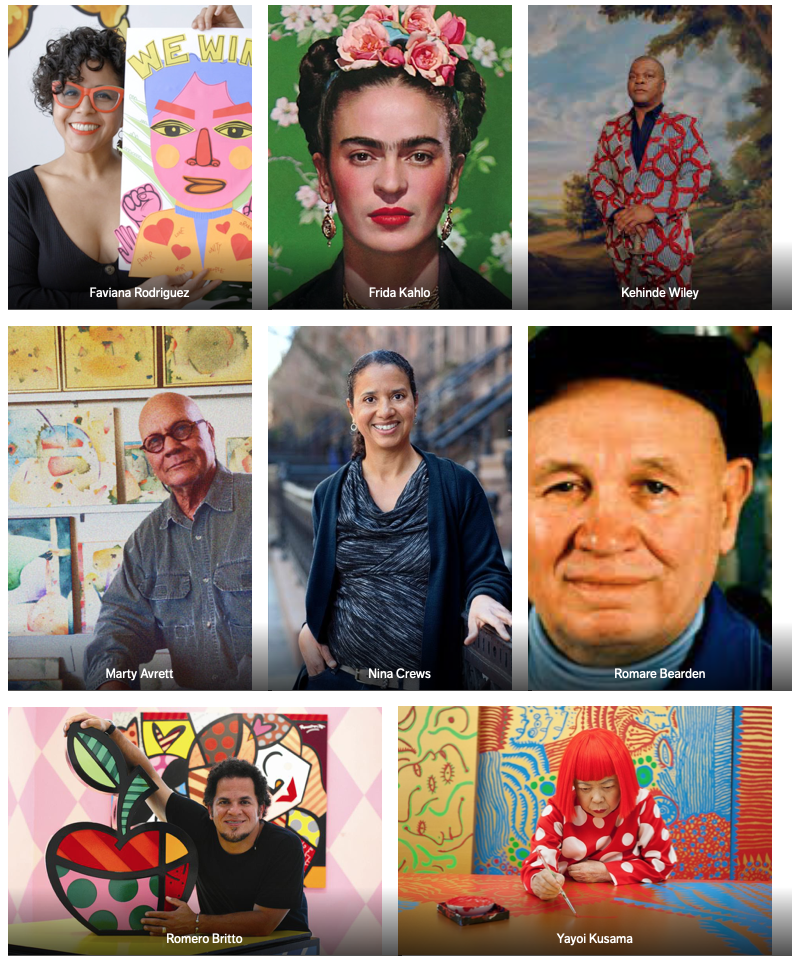
This blog post will share the experiences of, culture, and identity of 11 Asian-American artists.
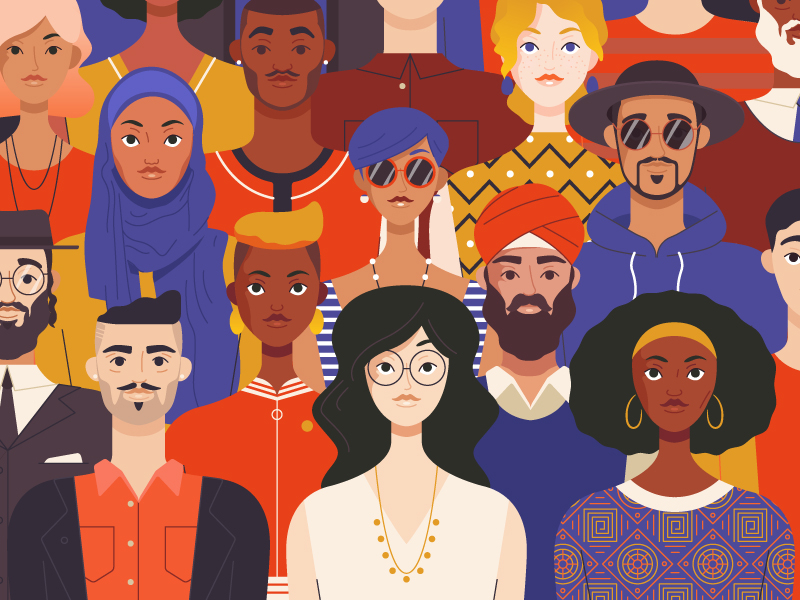
Violence and racism towards Asian-Americans is not new in the United States, it laid hidden in American society until the Covid-19 Pandemic brought it out, revealing the deeply ingrained hate in the U.S. Many Asian Americans have been blamed for the Covid-19 virus, rising hate crimes and incidents of targeted violence were also on the rise. The term “Asian American” covers many cultures within the Asian diaspora, and it must be noted that these cultures have their own unique traditions, practices, languages, and identities. One can not group all Asian peoples together under one group because there are differences culturally and linguistically. These portraits share the complex expressions of Asian identity, representation, and culture by using art as a vehicle of expression.
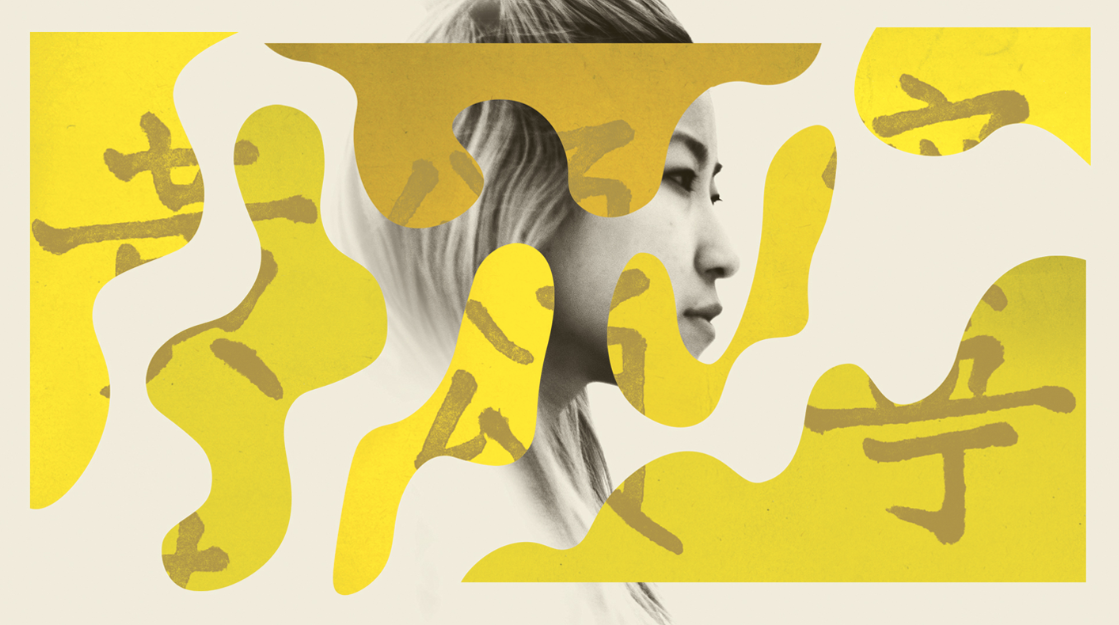
“My parents are among many other Asian parents who cannot express their feelings/love straight. Before I grew to understand that, I hardly felt loved. Instead of saying “Good job” my parents would say sarcastically I could be better. After I grew up and absorbed more American culture. I learned to be more expressive, and I started to appreciate my parents’ subtlety of expressing love. It’s quiet but it’s stronger.”
Shuhua Xiong BORN IN SHANGHAI, CHINA TO CHINESE PARENTS
“My Asian-American experience is defined by memorizing the lyrics to Jay Chou songs without knowing their translations, and learning how to play mahjong, because my Mandarin proficiency starts at Chinese numbers and stops at cardinal directions. The exciting part is that one’s relationship to culture is never clearly defined. It ebbs and flows; it is constantly evolving.”
Gabrielle Widjaja AMERICAN BORN TO CHINESE-INDONESIAN PARENTS
“Like many children of immigrants, I was taught the value of good work ethics by watching my parents toil and overcome endless hardships. I believe I am celebrating my Asian-American culture and honoring my parents as well.”
Sally Deng AMERICAN BORN TO CHINESE PARENTS
“Public school was my first exposure to Western customs. I learned English in school and spoke Cantonese at home. I ate cafeteria PB&J for lunch and rice for dinner. I don’t remember a time where the duality of my identity was not on my mind. I felt a stronger desire to return to my roots. It’s a shift I’ve witnessed not only in myself, but in Asian-Americans as a whole. In the last couple of years we have become more visible and more heard. It has made me feel less alone and injected me with more pride.”
Joan Wong AMERICAN BORN TO HONG KONG PARENTS
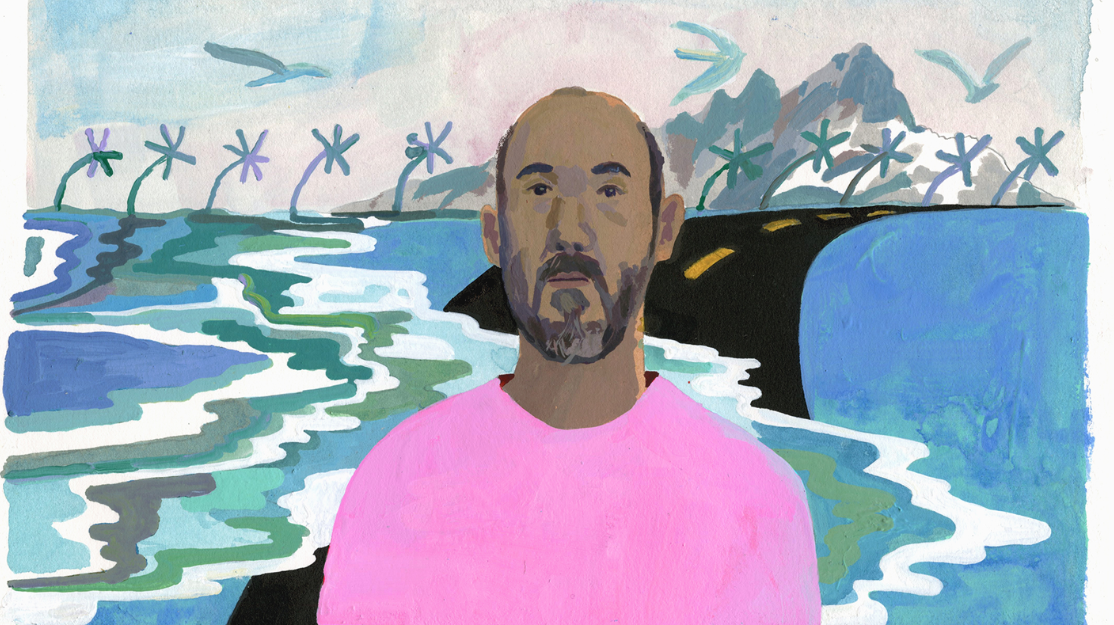
“My mother is Chinese, my father is American. I spent my childhood on the tropical island of Taiwan. Years later, when we moved to the States, I would become obsessed with how others would perceive me. In many ways those memories growing up in Taiwan really formed my identity and left a strong impression on who I am today, even after making my own path all these years later. My identity has become one of the things I’ve thought about my entire life.”
Josh Cochran CHINESE-AMERICAN BORN IN OREGON; LIVED IN TAIWAN
Art is a powerful tool of expression, it can be emotional, it can tell a story. Color and brush stroke fused with the vision of the artist creates a vivid image for viewers to ponder. These portraits capture the life stories, challenges, and cultures of the artist.
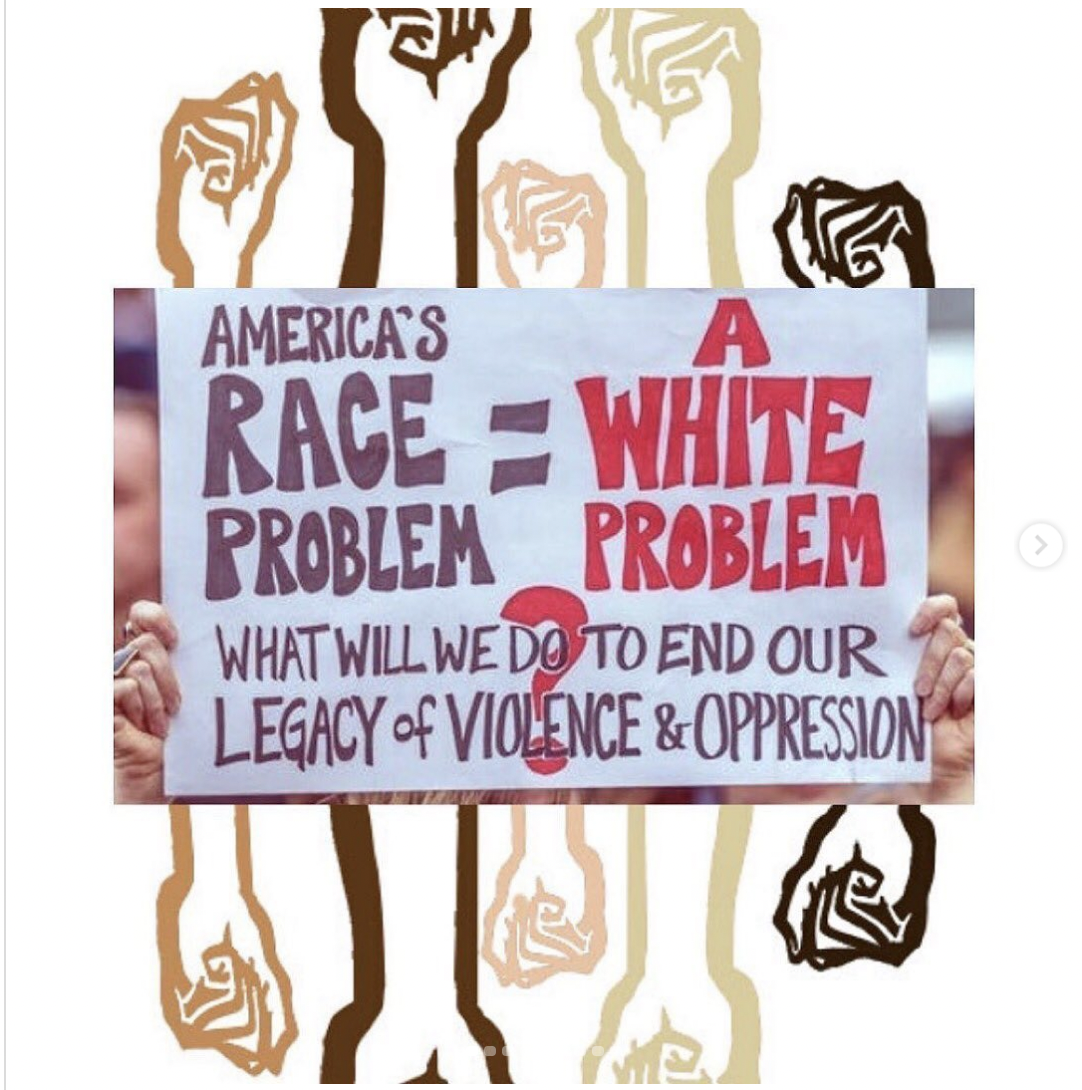
Race in America is a complex discussion that has many facets. We can not ignore POC history, we can not push aside the sad and very real issues we are faced with in the USA. Today we are here, we are present, and our goal is to dismantle white supremacy and build a path for all cultures and identities now, and in the future.
THE FACTS:
White supremacist disapprove multiculturalism
White supremacists only support ” white ” identity
White supremacists sometimes use violence and fear to achieve their goals
THE METHOD:
When we are faced with the pain, trauma, violence, and hate of white America it is important that we BIPOC do not give rise to hate within our own hearts, or we become no different than them. It is important that we cultivate our hearts with love, peace, and non-violence in the quest of racial equity. For most of us BIPOC it is frightening to even think of the tragic history of America, and yet alone live today in the aftermath. So the question arises, “how do we end racism in America?”. First of all, you are NOT the problem, it is not your issue, the problem is within the engrained racism in our society and roots of white nationalism. To end racism we must educate, make our voices heard, and promote peace and equity in our new American culture. It may be difficult for some white nationalists to accept culture, this is not the problem of our BIPOC communities, and we should not internalize it, or it then becomes transformed into internalized racism. We can only continue sharing our cultures, freely expressing our identities and living as genuinely true to ourselves as we possibly can. Radiate love and peace, and eventually a cold heart will become warm.
END GOAL:
The end goal for our bicultural Asian American Pacific Islander AAPI and Black Indigenous People Of Color BIPOC communities is to promote the cultural message of acceptance, love, understand, and appreciation. Many of us come from different cultures and in many ways socially as well, but this does not mean that we disassociate with our neighbors. Many of us have cultural ties to countries that are incredibly diverse and have long histories of peaceful cultural interactions and exchange. Our goal is to appreciate and to embrace the differences, so we can create a better future together.
Heavenly music is interpreted differently by everyone.
Chinese proverb
Any music student, regardless of skill, will most likely have to learn western music theory. What is music theory?, well, Wikipedia says “Music theory is the study of the practices and possibilities of music.”~ Wikipedia. Across the globe civilizations have been playing some form of music for quite a long time. Music has been a part of human evolution since the start, was it called music at that time? probably not. But, this does not mean that humans did not relax to the sounds of song, instrument, or percussion. Music can be found in every culture, sometimes it takes form in ceremonies, or it may have been enjoyed for leisure, whatever the case we can say for certain that music does exist in all cultures.
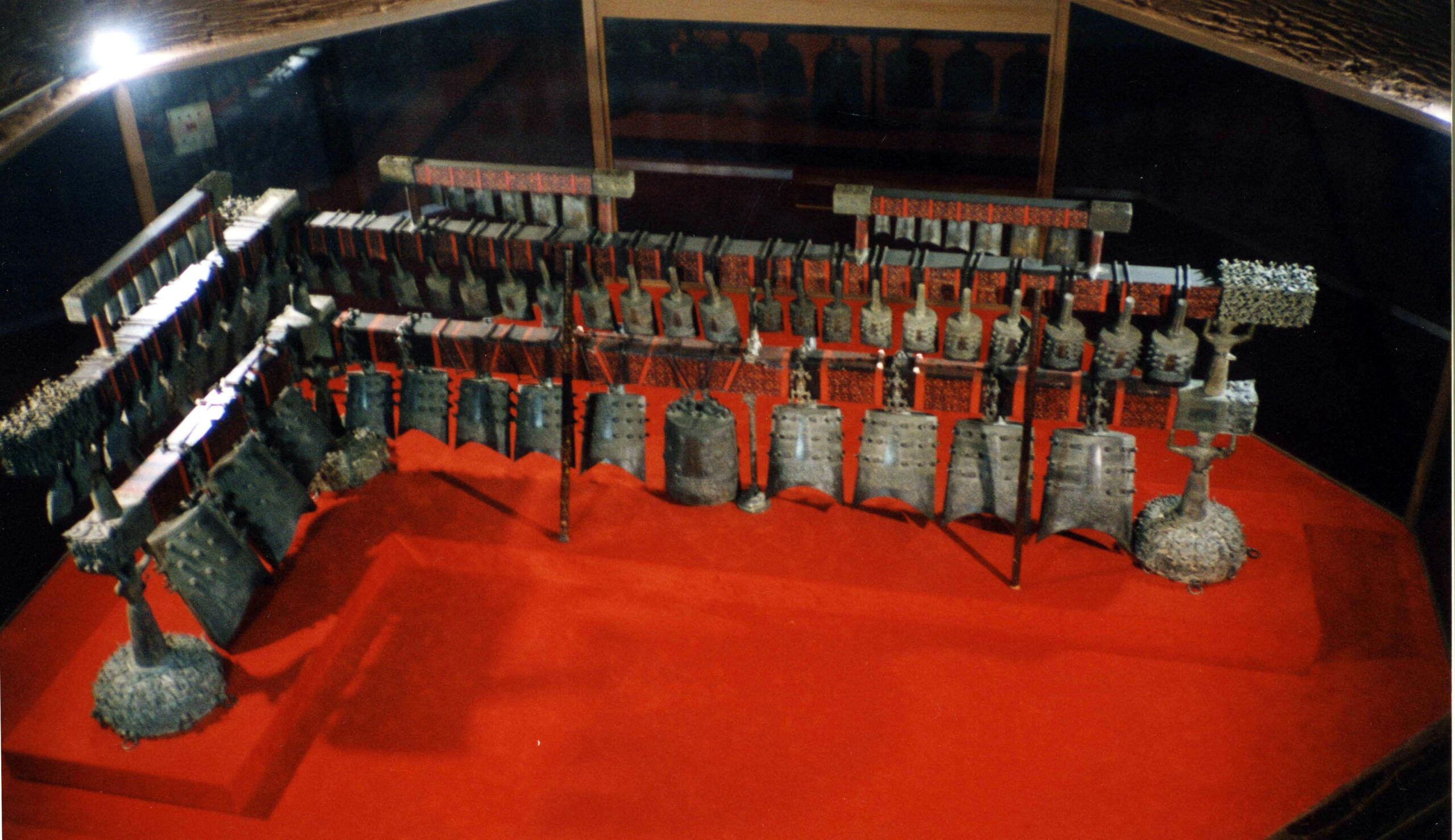
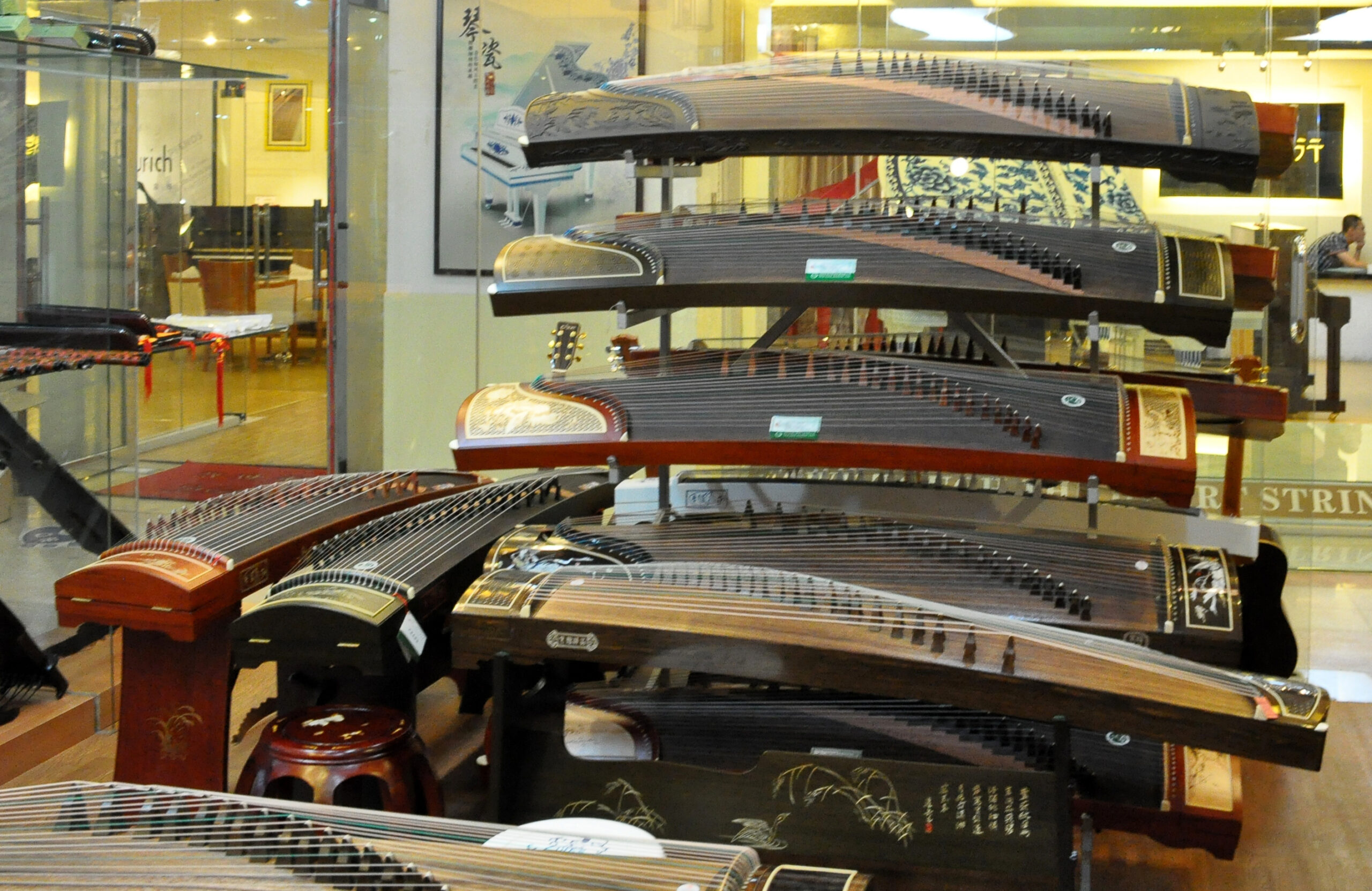
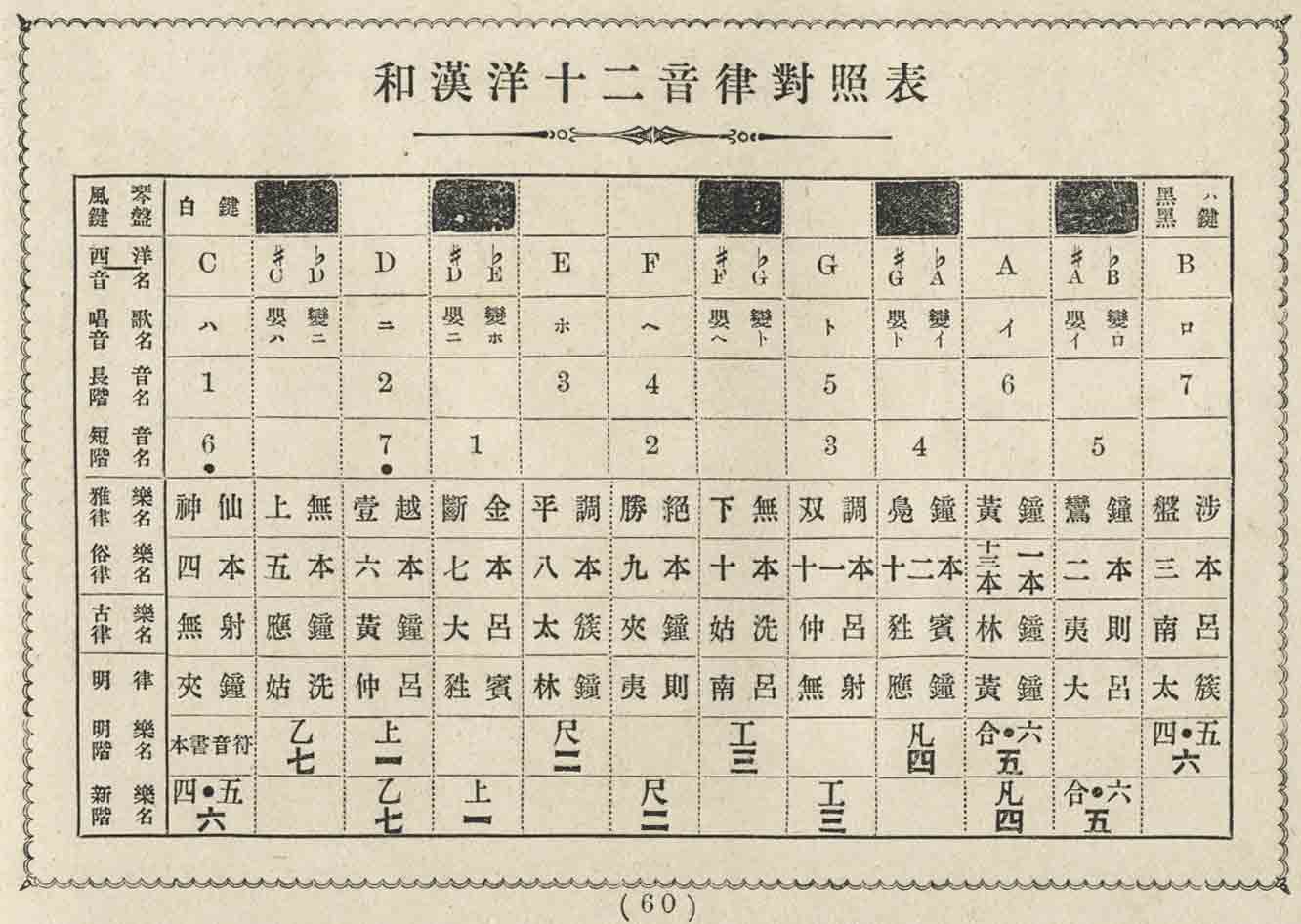
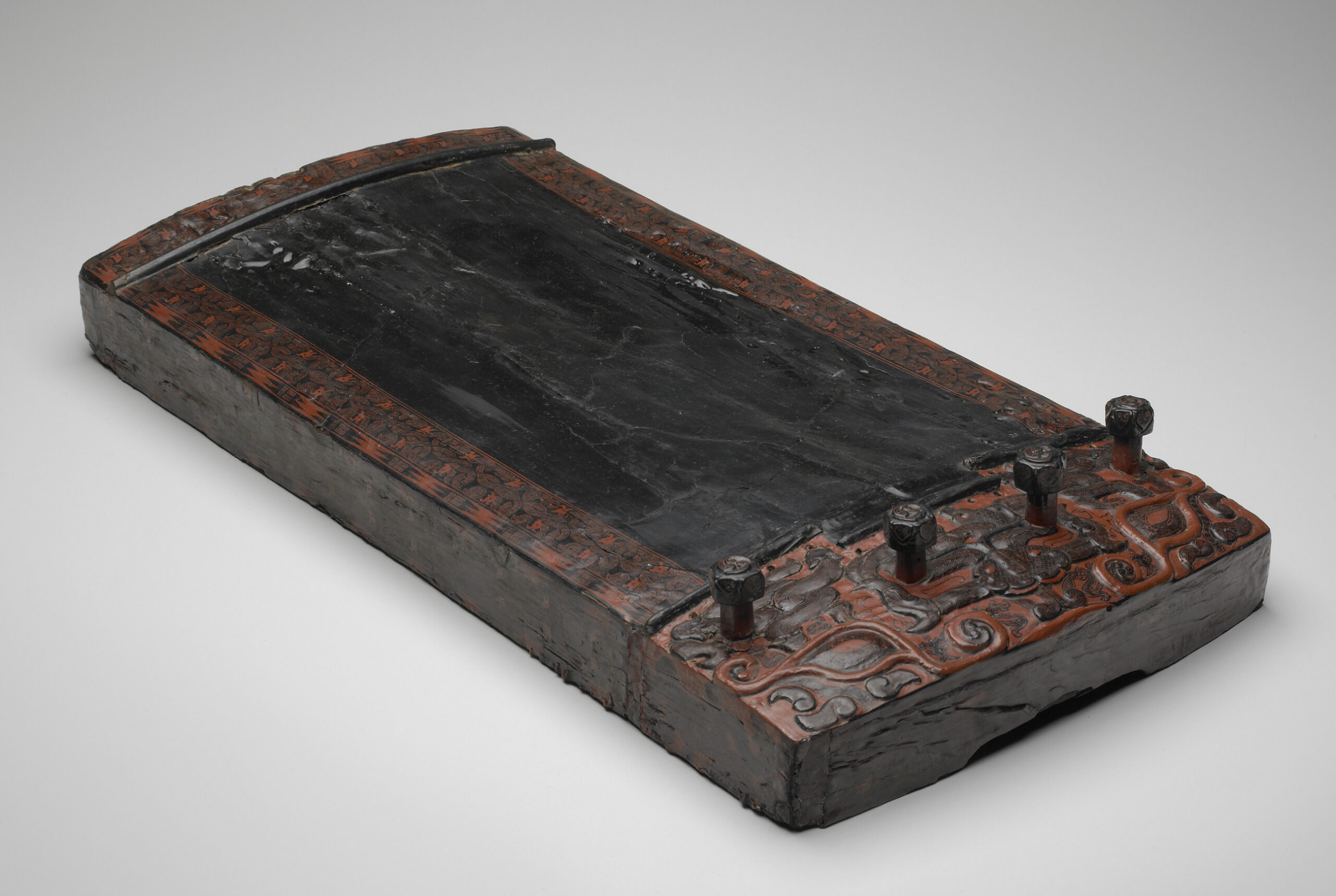
As an African American Guzheng performer, instructor and composer I often meet many musicians, some who are quite skilled in their music, and very knowledgeable in music theory. My training on the Guzheng was quite traditional, I did not learn Western music theory (which is forced on every musician today), I learned Chinese music theory. China has a very long musical tradition which has been documented and practiced for thousands of years. For example, the Guzheng 古筝 has existed for around 2500 years, the Guqin or 古琴 around three thousand years old, and the bronze bells 编钟 around 3,600 years old, and the Se or 瑟 of the Zhou dynasty 1045–771 BC. The list of ancient instruments in China is long, and notations for these instruments have been documented. Unlike the Western European music theory which uses a staff and dots to read, the Chinese developed an ancient thousands of years old numeric musical notation called Gong Che or 工尺 which is still used among the very small group of traditional musicians today. With modern westernization, traditional arts are transforming, some traditions are also dying. We must think about the importance of cultural arts, and not allow the modern world to kill what has held nations together, influenced identity, and promoted the respect of nature.
Here are some pictures of traditional Chinese instruments of the past that still exist today:
The original uploader was Zzjgbc at Chinese Wikipedia. – Transferred from zh.wikipedia to Commons. From the Tomb of Marquis Yi of Zeng, dated 433 BC, during the interregnum between the Spring and Autumn Period and Warring States Period of ancient China.
The original uploader was CharlieHuang at English Wikipedia. – Transferred from en.wikipedia to Commons by Shizhao using CommonsHelper.”Jiuxiao Huanpei” 《九霄環佩/九霄环佩》, the famous Tang Dynasty qin in the Fuxi form by qin maker Lei Wei. Image from a photograph from a friend in China.
A comparative table of Gongche notation and other notations, from a book published in Kyoto in 1909. In Japan, Gongche notation became widespread to a certain extent.
Yale University Art Museum – https://artgallery.yale.edu/collections/objects/92412. A Se (Chinese zither) from the 5th-3rd century BC with four pegs. Red and dark lacquer with carved textures. The strings have decayed.
Many Western European musicians do not consider Chinese music real music, some have even considered Chinese instruments quite easy to learn because of the Wu Yin 五音 or Pentatonic scale consisting of 5 notes. Some of the musicians I spoke to even went as far as saying that Chinese music lacks harmony and so on. These enthusiasts and musicians lack knowledge, and are ignorant to the facts, and ignorant to what it takes to be able to even create a beautiful sound on an instrument. Piano is made easier with keys, but when playing masterfully on an instrument like Er Hu 二胡 (Chinese fiddle), it can take years and years to master the techniques of just 2 strings. The Guzheng 古筝 is also incredibly difficult to master, it can take years to refine the many very complicated techniques on the instrument. If Music theory is the study of practices and possibilities of music, we should also include the practices and possibilities of non European music.
Without culture what would our world be like? It’s hard to imagine isn’t it?. Perhaps it’s hard to imagine a world without culture because a world with culture is essential. Our cultures are all very colorful, woven into our human experiences as a fabric, and very much important to us as human beings.
“Culture is a way of coping with the world by defining it in detail.”
Malcolm Bradbury
Culture is an important aspect of human life, and it plays a crucial role in how we shape our individual and collective identities. Culture provides us with a sense of belonging, purpose and meaning, as it embodies the values, customs, beliefs and practices that are shared within a community. Culture can also serve as a medium for expression and communication through shared experiences, and also influences our society in many ways. Our communities and ourselves as individuals are also shaped by culture, hence culture is very important.
Sharing our cultures can reward us with many benefits that can improve how we better understand others with cultural backgrounds different than our own. By sharing our cultures we inspire new ways of expression and appreciation, and we learn to accept differences in traditions and different ways of life. When cultures are shared, horizons become broader, and more understanding and less conflict is created. When we share culture, new ideas are also born, new music and arts are created, and different perspectives are also shared. Sharing cultures creates paths and opens doors for many sincere hearts to learn, study and practice traditional arts, revitalize traditional arts and keep alive ancient customs, languages and traditions.
There are different ways of understanding, and by sharing culture we learn this. Our way may look like its the only way, however we must step back sometimes and simply listen and observe other ways that are different than our own, we may even find a lot in common. We can break down racist stereotypes, and end discrimination by sharing cultural family stories, and educating people about our cultural history. We are all living on this planet together, as one family under the sky and clouds, let us live happily, colorfully and beautifully unique.
Cultural differences should not separate us from each other, but rather cultural diversity brings a collective strength that can benefit all of humanity.” Also: “Intercultural dialogue is the best guarantee of a more peaceful, just and sustainable world.
Our world is vast, our experiences, identities and ways of expression vary from individual to individual and sometimes it can be difficult for people to communicate with each other. There are verbal and non verbal ways of communication, and at times we greet others with a handshake or with a bow, depending on how and where we were raised. It can be easy to offend someone, or totally lose communication, or other opportunities all by that first greeting gesture and this is why learning about intercultural communication is important.
Interculturality refers to the interaction and exchange between different cultures with the goal of promoting mutual understanding, respect and appreciation. It recognizes the complexity of cultural diversity and the importance of creating inclusive environments that value and celebrate different cultures. Interculturality is something that goes beyond tolerance and aims at creating a space where individuals from different cultures can learn together and work together in shared goals. Now, when we speak of intercultural communication we are talking about how to communicate with others in or from different parts of the world who’s backgrounds may be greatly different than our own. Intercultural communication is about having respect for people who’s cultures are different than ours, having a curiosity about their cultures, and learning about other cultures and customs.
Ways that Intercultural communication benefit society:
Promoting mutual understanding and respect
Enhanced creativity
Enhanced personal and professional development
Stronger communication skills
Promotes social connectedness and shared identity among cultures
Breaks down barriers and unites with a common goal
Appreciation of differences
Gives us skills to handle complex issues regarding culture and communication
On our mission of creating a more equitable and just society we need to not forget how to listen. We must learn when to be silent, think, feel, process and understand before speaking, and this is especially helpful when discussing things like politics, race, identity etc. Many of our global problems are all caused by lack of understanding, lack of appreciation for each other. If we can flip the switch and learn how to communicate with each other, we would learn a lot about ourselves as well, and bring more love and peace into our world. If we can educate ourselves of different cultures, make the effort to actually learn, we would unlock more communication skills that can allow us to communicate more fluently with others as well. It would be incredibly beautiful to see a world who sees their neighbors as friends.
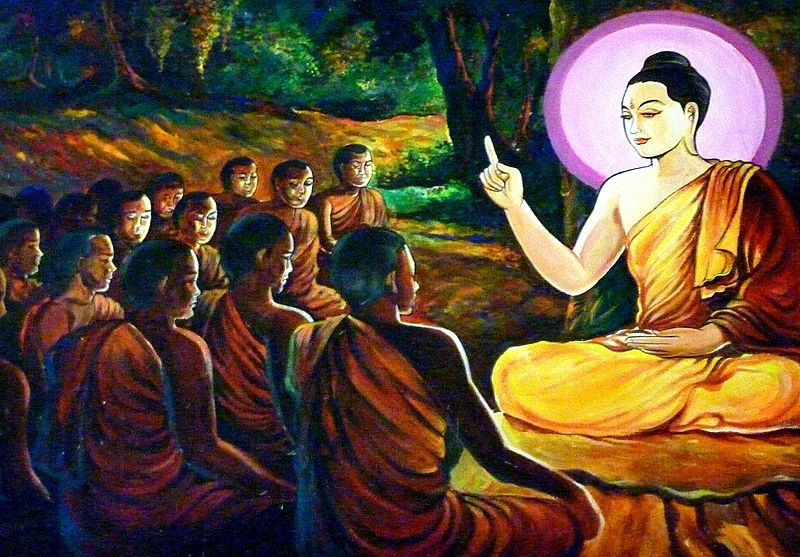
In Asian Buddhist countries that follow the lunar calendar, those certain days depending on the phases of the moon are considered to be sacred and holy days. Those days are called Uposatha Observance Days. On Uposatha days we Buddhists practice even more seriously, even more intensely. We try to eat healthier, more mindfully eating and preparing food. We try to practice meditation with more focus, and also do more spiritual reading. We practice giving, and also compassion and selflessness. These moon phase days or ( Uposatha Days) are considered to be sacred because they relate to the Buddhas life achievements which were all on full moon days. The Birth of the Buddha was on a full moon day, his renunciation also took place on a full moon. He achieved Enlightenment on a full moon day, taught his first sermon and also passed away on full moon days.
Slight is this perfume
of tagara and sandalwood,
best the perfume of the virtuous
blowing even to the devas.
The perfume of flowers does not go against
	the wind,
neither that of sandalwood, jasmine, or tagara:
but the perfume of the virtuous does go
	against the wind.
The good man suffuses all directions,
Sandalwood or tagara,
lotus or the jasmine great —
of these perfumes various,
virtue's perfume is unexcelled.
Buddha
Many Buddhists practitioners visit temples or monasteries on these sacred Uposatha days. They go to practice with the monastics who are also observing Uposatha more intensely, they also go to practice in a monastic way for a day. There are so many healthy benefits of observing sacred or holy days, practicing alone is good as well as practicing with a community. Some people need their space, and others do better and can study better with a community, however you practice though it doesn’t matter so as long as you practice working on the ( Inner Work), this is what’s important. The Buddhist Uposatha days are supposed to bring us peace of mind, joy, happiness, and less stress. I have found that by observing the practices, living more mindfully and eating vegetarian foods, one can achieve a certain inner peace.
Just like in practicing an art form or a skillful craft, practicing peace and compassion also rewards us with peace. When we can take time to focus on what brings us peace, whatever healthy practices we may have, not just Buddhist practices but any practice, we can come closer to that peace we seek in our lives. Turning this practice into a lifestyle practice reminds us to take time to focus on our mental health needs, to eat healthy and to have time to just breathe and relax. Even if someone doesn’t practice the Buddhist traditions, there is still so much beneficial material that can be applied into ones daily life.
Questions to contemplate
what hours of the day do I feel most relaxed?
What healthy foods do I enjoy eating that leave me feeling healthy and full?
How can I create a more relaxing and peaceful environment in my home?
What meditation practices bring me peace?
How can I practice in a way that liberates me and brings me peace?
“If there is righteousness in the heart, there will be beauty in the character. If there is beauty in the character, there will be harmony in the home. If there is harmony in the home, there will be order in the nations. When there is order in the nations, there will peace in the world.”
Confucius
Living in harmony with oneself is a practice, it is a lifestyle and it is a spiritual journey within oneself. It is a journey within the soul and heart, a journey into the entirety of the mind. When we can sit in total silence, witnessing each thought, each breath, breath by breath, present with our hearts beat, we are on the right step to inner peace and harmony. To live in harmony with oneself means to love oneself totally, completely satisfied with oneself, having compassion with oneself including accepting what we see as flaws or imperfections. Existence does not create mistakes, instead it simply creates. We are not flawed, we are alive, living and breathing beings that are all different from each other and yet so similar in many ways.
What does “Just be” mean to you?. I think that this is something we should all ponder in depth. For me, to “Just be” means to stand tall, in total confirmation, embracing yourself as you walk compassionately against the winds of an imperfect and oftentimes harsh world. It means to have such a great strength within yourself, a strength so strong that no matter the outer storms, the inner is peaceful and calm. You have arrived within yourself, you’ve found yourself, and you love yourself. This is what “Just be” means to me, and to live this way brings us harmony within ourselves, within our relationships with others and in our environments.
Here are some helpful steps that may guide you to achieving that inner harmony
Focus on keeping a balanced and healthy diet, they say that we are what we eat!
You are human, allow yourself to learn and be imperfect. Wisdom and harmony comes from accepting our little imperfections.
Prioritize self-care by taking care of physical and mental health.
Get plenty of sunlight and fresh air in nature
Keep a healthy social life, friends are important but so is YOU TIME.
Get enough sleep each night, our brains work better with sleep!
Get in touch with your inner artist, creativity births happiness and peace.
Dont be afraid to buy that bright yellow shirt with polka dots if it calls to you, wear it and rock it! Wearing what we like builds up confidence within ourselves.
Set aside time out of each day to practice sitting meditation, this helps us to balance ourselves in life and within our minds.
Get plenty of exercise
Stay hydrated and lower intoxicants like alcohol, lower caffeine as well. Water is our friend!
When we can live a healthy lifestyle, keep a positive self image and make healthy lifestyle choices we begin to live in harmony. We are more peaceful, less stressed out and quick tempered and able to quickly retreat to that zen space within if life starts to get a little crazy. Challenge yourself to be the best version of yourself you can possibly be, and let your beautiful light shine color and love into this world!.
” The way you dress is an expression of your personality.”
~Alessandro Michele ~
Bruce lee
For many BIPOC/ AAPI artists, it may sometimes be challenging to express themselves in a way that is uniquely original, partly due to the fact that society has a so called “standard” way of expression. They may have an idea about what colors they like, what style of shirt and shoe’s, or what brush strokes to use on a painting, what ink with what brush etc, but still maybe they feel something might be blocked or just missing all together. This is when we must look at our world, we must look at our cultures, we must look into our dreams and the stories that our grandparents have told us. Here, in those things, are the colors and textures that can be used to paint your vision, here is the the medium for part of your expression, the other part is you, your life and your experiences. Being brought up in a multi-cultural, or bicultural home is the greatest blessing of all, never forget that. I say it’s the greatest blessing because it not only challenges our minds, but also opens our minds and gives our mind more windows of light to work with. All of these things and more can influence, and also impact our creativeness and our expression.
Ways to express yourself:
Writing poetry
Working with clay
Writing stories
Painting
Composing your own songs
Keeping a journal
When we are able to find that medium in which we can express ourselves through freely, either by painting, writing poetry or stories, or even creating our own original fashion statements, in those moments we have tapped into our potential of unique original expression. For us POC, we may also at times feel ashamed to express ourselves freely, because of how society may label us as POC, or because of the complexities of culture and religion. It can be so challenging to take the courageous step of liberating ourselves through expression, however once we are able to achieve such, all of the nets society has thrown on us will fall away.
I encourage you to be creative, listen to your heart, respect traditional cultures of your own and others, and live each moment as colorfully possible.
As meditation becomes a more globally popular way to destress and bring about an inner peace many may be questioning what it means to have a Bicultural perspective on the practice. Let us have a look at the benefits of bicultural meditation and what bicultural meditation actually means. First, what is biculturalism?.
Biculturalism refers to the ability of an individual to successfully navigate and integrate into two different cultures. It can also refer to the coexistence of two different cultures within a society, where individuals from both cultures are able to live and work together while maintaining their own cultural identity. Bicultural individuals are able to understand, appreciate and respect the values, customs, and beliefs of both cultures they are part of, while still maintaining a sense of belonging to each culture. They are able to communicate effectively in both languages and understand the nuances of each culture, which can be a valuable asset in many different settings. Biculturalism can be a result of a variety of factors such as growing up in a family with parents from different cultural backgrounds, living in a country with a dominant culture different from one’s own, or actively seeking to learn about and immerse oneself in another culture.
Bicultural meditation is a universal practice that integrates principles and techniques from two different cultural traditions into one unified meditation practice. This is especially helpful for individuals who come from bicultural backgrounds or those who have a deep appreciation and respect for multiple cultures.
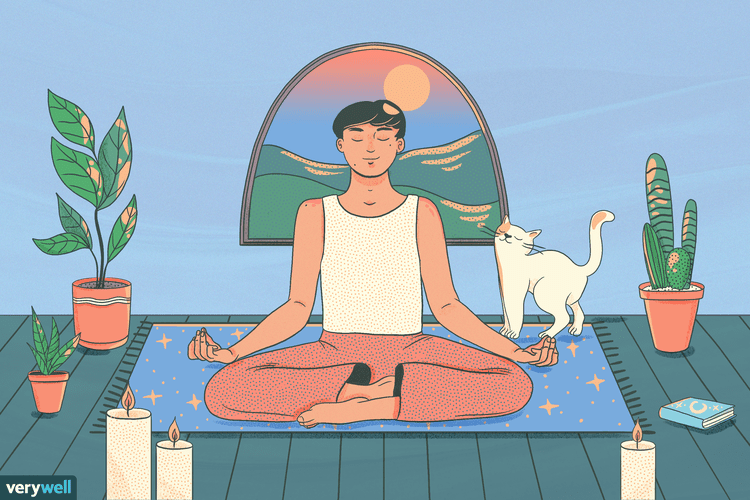
Bicultural meditation can involve combining different meditation techniques, such as mindfulness meditation from the Buddhist tradition and heart centered prayer from the Christian tradition. It can also involve incorporating different cultural symbols, ritual instruments, practices or chants into the meditation practice, such as lighting incense or candles, using specific postures or hand gestures ( mudra ) or chanting in different languages.
Bicultural meditation can offer a variety of benefits for individuals who are seeking to integrate principles and techniques from multiple cultural traditions into their meditation practice. Here are some potential benefits:
Increased self-awareness: Bicultural meditation can help individuals gain a deeper understanding of their own cultural identity and how it impacts their thoughts, emotions, and behaviors.
Greater empathy and understanding: By incorporating practices and symbols from different cultures into their meditation practice, individuals can develop a greater appreciation and understanding of other cultures, which can promote empathy and understanding.
Enhanced mindfulness: Combining different meditation techniques can help individuals cultivate a more focused and present state of mind, which can promote greater mindfulness and reduce stress and anxiety.
Greater spiritual growth: Bicultural meditation can provide a unique opportunity for individuals to explore and deepen their spirituality, drawing on the wisdom and practices of multiple cultural traditions.
Improved emotional regulation: By cultivating greater awareness and compassion for oneself and others, individuals may find that they are better able to regulate their emotions and respond more effectively to challenging situations.
Greater sense of connectedness: Bicultural meditation can help individuals feel more connected to their cultural heritage while also promoting a sense of connectedness and community with others who share similar values and beliefs.
Bicultural meditation can offer a powerful way to explore and integrate multiple cultural traditions into a meaningful and effective meditation practice, promoting personal growth, cultural understanding, and spiritual development.
Alison Czinkota / Verywell
Spirituality and identity are closely related because they are both fundamental aspects of human experience that help shape our understanding of ourselves, our place in the world, and our relationship with others. Our spirituality can play a significant role in shaping our identity by providing a framework for how we understand and interpret our experiences, emotions, and values.
Buddhism’s first root touched earth in India, the peaceful teachings of Buddha Shakyamuni which emphasized healthy living and harmony in community, has traveled across the globe reaching us here in the west by Zen masters such as Thich Nhat Hanh, Bishop Yemyo Imamura and spiritual leader the Dalai Lama. Many of you may have heard of these Buddhist teachers at some point. Let us have a look at Thich Nhat Hanh, Thich Nhat Hanh also called Thay or teacher, is a buddhist monk from Vietnam, global and spiritual teacher, and peace activist. Thich Nhat Hanh became friends with Martin Luther King Jr in 1966, although their friendship was cut short by the assassination of Martin Luther King in 1968, they achieved a lot in a short time. During that brief friendship the two worked together in building and promoting peace and equity, and the result of their selfless hard work has greatly shaped our society, culture, and world today in their vision. Sadly, Thay (Thich Nhat Hanh) died on Jan 22, 2022, however his message of peace, non violence and love still touches our hearts.
Buddhism was brought to the United States by Asian immigrants in the 19th century, during a time when many immigrants from East Asia began to arrive in the New World. Immigrants from China came around 1820, and arrived in large numbers pursuing the California Gold Rush in 1849. Buddhist congregations in North America are quite diverse. The United States is home to Sri Lankan Buddhists, Chinese Buddhists, Japanese Buddhists, Korean Buddhists, Thai Buddhists, Cambodian Buddhists, Vietnamese Buddhists and Buddhists with a family background in Buddhist countries. In 1965 the Immigration Act also increased the number of immigrants arriving from China, Vietnam and Theravada practicing countries of Southeast Asia.
Today the United States has become a melting pot of diversity. The lines of what defines American culture can sometimes seem blurry. Many ethnic communities seek spiritual healing and peace at temples, or from shamans or elders. The beauty of this practice is that also, in a way, they are keeping alive an ancient tradition that the ancestors have practiced and kept alive for use today, an ancient and global key that unlocks the potential in all of us regardless of culture or identity, and yet also gives us the strength and cultural comfort that many of us may need as BIPOC AAPI people. Immigrants who recently moved to the U.S, or even those who have been here for a while can find peaceful refuge in their spiritual communities, and this helps in eliminating acculturative stress and depression. As a black bicultural Buddhist and musician trained in Chinese classical music, I have also found refuge and peace at our local Buddhist temples.
My Journey With Buddhism
My journey with buddhism began at the age of 16. I used to play the Guzheng ( Chinese plucked musical instrument) at the Mall of America (MOA) for the Passage to China event. One time out of the year the Mall would be decked out in gold and red, Chinese lanterns hanging above the rotunda and traditional Chinese opera could be heard as one enjoyed the festivities. There were many performers, lots of traditional arts and crafts, and delicious moon cakes, then before I knew it, the MC spoke over the microphone, “Now introducing Jarrelle Barton!”. After I had finished my performance the audience cheered, and I thought to myself ” Yes!, not too many missed strings!”. Of course I ended my grand New Year performance with a big and humble bow, carefully moved my guzheng to clear the stage for the next amazing talent. As I was sitting there people would come up to ask questions about the instrument, or to say ” AMAZING PERFORMANCE”, but one person who truly stood out, and whom I will never forget was the one who said, ” I see the buddha in you”. I thought wow, I knew who the Buddha was but didnt know much about him, so what did I do?, I went home and studied all about the Buddha. Gradually the more I studied, the more I became interested in this Buddha and his teachings and began to read Sutras or buddhist scriptures. I was amazed at the level of peace the Buddha had attained and I wanted to attain that peace as well, so then I became a buddhist. Usually one becomes buddhist by going to a temple or monastery and receiving the triple gem, however at that time I wasn’t aware that there were temples, monastics and buddhist communities actually practicing, and practicing right here in Minnesota of all places. I started to become like a part of Limei’s family, who’s home was adorned with Buddha statues, scrolls and a huge altar in the living room. She would critique every error I made while writing Chinese calligraphy, speaking Chinese, or wrapping Jiaozi, Limei taught me buddhist chanting, meditation and how to give offerings at the altar. I began to learn so much more about the actual practice of Buddhism and it has helped me on my journey in becoming who I am today. Whenever I was sad or depressed I would listen to Thich Nhat Hanhs words and those words helped to lift my mood and return my mind to balance.
May the sound of this bell penetrate deep into the cosmos Even in the darkest spots Living beings are able to hear it clearly So that all suffering in them cease Understanding comes to their heart And they transcend the path of sorrow and death. The universal dharma door is already open The sound of the rising tide is heard clearly The miracle happens A beautiful child appears in the heart of a lotus flower One single drop of this compassionate water Is enough to bring back the refreshing spring to our mountains and rivers. Listening to the bell I feel the afflictions in me begin to dissolve My mind calm My body relax A smile is born on my lips Following the sound of the bell My breath brings me back to the safe island of mindfulness In the garden of my heart The flowers of peace bloom beautifully.
Thich Nhat Hanh
Bicultural Mission
There is certainly no doubt that we all want to live in a safe and peaceful world. However for this to happen we must ALL take action and put forth the effort and hard work in building a fair and culturally accepting peaceful world, peace starts with YOU. We must be able to express ourselves freely without fear, we must learn to live in harmony with our own selves first and then with others, we must also learn to accept differences. Creating for yourself a bicultural worldview is the greatest blessing you can offer to yourself and to the world. I cant help but be moved to tears each time I read and contemplate on Thich Nhat Hanhs teachings and poems, his vision is also the vision of many BIPOC AAPI people.
We BIPOC AAPI people must constantly endure the weight of white supremacy, It may be difficult for BIPOC AAPI youth to feel they ( Fit In) in school or with their peers. Sometimes they may even experience discrimination for being different as well. BIPOC AAPI people must use our differences as our strengths to fight discrimination, use our bicultural lifestyles to sever the strings of deep rooted white supremacy by educating others about our multicultural lifestyle practices, and inspire others to learn our languages and our traditional arts. Educating people is the only way to keep the wheel of peace turning.