Youth & Human Trafficking

Human trafficking is a serious crime that is still happening today all around the world and in the U.S. It is the second biggest illegal trade in the black market after the drug trade. Victims of females and males can be found in this industry from as young as 12-14 years old. It is a form of human slavery that traumatizes and abuses people’s human rights.

To prevent more victims, we can try our best to recognize if someone is in a vulnerable position to be possibly become involved or lured into human trafficking. Note that different situations can lead people into this industry by:

  • Kidnapping
  • Homelessness
  • Friend/relative/anyone’s influences
  • Luring/trap by someone suggesting they’ll try to “help” out
  • Prostitution

There are many things we can do to help victims such as supporting them financially, emotionally, and through consultation. We want the victims to be able to support themselves and enjoy the joy of lives as everyone else. Human trafficking charities and programs really tries to help these women and men to have a better life. Here’s how you could help someone and/or get involved in this fight against human trafficking.

Source: http://www.findyouthinfo.gov/

Local Human Trafficking charities and organizations in Minnesota: http://mnhttf.org/human-trafficking/organizationsproviders/


Teen Pregnancy Prevention Methods

If you ever decide to be sexually active, the are multiple ways for you and you partner to stay protected. First thing you need to consider and learn about is that you are putting yourself at risk for pregnancy and other possible risks. Therefore, it is rather wise to use protections to reduce those chances.

  1. Get tested! You may want to know if you and your partner are have any STDs or possibly (higher) risks of getting pregnant, a STD, and more. If you want to be physically involve with someone, note that your are exchanging bodily fluids between them. Therefore, make sure you and your partner are safe to be sexually active. You don’t want to be sexually involve with anyone who could infect you.
  2. Go to your local clinic or school clinic! It’s wiser to get consultation and you will need a doctor/nurse’s permission to get any type of pregnancy prevention. These people will keep your information confidential and only the clinic will know about your situation. They can help you get the resources you need to be sexually active (usually at a cheaper price) at a young age such as condoms, birth control pills, and more. You will feel more comfortable and confident with your body knowing that you are preventing pregnancy.
  3. Plan out which pregnancy prevention method is best for you! There are many ways to prevent pregnancy, but not all is fit for everyone. But know that all of these methods ranges from affordable to expensive. Don’t worry about sticking with one choice, you can always change it depending on how your body responds to them.

Get tested at your local clinic or at your school clinic.

get-tested

Use protection! There many contraceptives options for teens to use. If more contraceptives are used together, the better chance it reduces pregnancy.

These suggested pregnancy prevention options are listed due to it’s most common option, lower price, and easy access.

Barrier Methods

  • Female condom
  • Male condom
  • Diaphragm (inserted into the vagina with spermicidal cream before intercourse which blocks sperm)

diaDiaphragm

Hormonal methods

  • Birth control pills
  • Contraceptives patch (sticks to the skin of buttock, lower abdomen, outer arm, or upper body which releases hormones through the skin into the bloodstream)

patch [lacesContraceptive Patch

  • Birth control injection (injected to arm or buttock once every three month)
  • Implant rods (implanted rods which are inserted surgically into the upper arm; can last up to 5 years)
  • Emergency Contraceptives Pill is used after unprotected intercourse up to 2 days and is not a pregnancy prevention method for daily use

There are other methods like IUDs, vaginal ring, and more, but those are not as common in teens. These are just the few most common and popular pregnancy prevention methods out there for youths.

Image Source:

1. http://albahelpinternational.blogspot.com/2011/12/contraceptives.html

2. http://albahelpinternational.blogspot.com/2011/12/contraceptives.html

3. http://teentalk.ca/issues/stis/ways-to-stay-safer

Runaway Prevention: Communication

There are many reasons why youth homelessness occurs, but one solution that could prevent this from happening is effective communication. By understanding the other person’s situation and being supportive, you can help advise them not to run away from home or instead, seek refugee in supportive programs relatives, friends, and more. 

  • Being understanding is key to know how you can help somebody. Sometimes what youths really need is someone they can talk to without feeling or/and being judged. They may like having someone to talk to about solving the issues of they have and your input could possibly lead them to make a better decision for themselves.
  • Try to get youths to discuss their problems with their direct families. Sometimes, youths may not feel supported in their struggles and feeling neglected can make them feel unwanted at home or have the desire to leave home. Although both side may share different perspectives, it is all about understanding one another. Through that, youths and families can learn how to positively help each other in different ways.
  • There are other ways for youths to be supported if they are not by their families through relatives, friends, guardians, youth programs, helpful phone lines, and more. You can advised them to look for other options that is safe and trustworthy besides running away from home.
  • Prevention of youth runaways can help them avoid other possibly dangerous situations/risks. Such as experiencing homelessness, substance or/and sexual abuse, human trafficking, pregnancy, trauma, and more.

By effectively communicating with youths, we can help solve their problems and give them more options than what they know. If we can prevent youths from becoming homeless and give them a place to solve their concerns, they will be able to have a more positive outlook on their lives and have the opportunity of a better future.

Korean Americans

According to the 2010 U.S. Census the eight largest Asian American populations in Minnesota are the Hmong, Asian Indian, Chinese, Vietnamese, Korean, Filipino, Laotian, and Cambodian communities. Specifically, 27 percent of the total population identify themselves as Hmong, 15.5 percent are Asian Indian, 11.7 percent are Chinese, 11.1 percent are Vietnamese, 4.9 percent are Laotians, and 3.9 percent are Cambodians (See Figure 2).

Minnesota is home to over 40 different Asian Pacific Minnesotan immigrant and refugee communities. Each community has its own strengths and challenges that may be unique to that ethnic community. The following is an overview of how the Korean American community is faring in Minnesota.

Korean American Community Overview chart
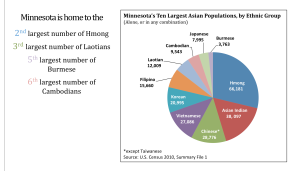
The Korean community in Minnesota is defined by three distinct populations: Korean immigrants who came to the state as wives of U.S. servicemen following the Korean War, Korean immigrants drawn by educational and professional opportunities, and Korean adoptees who were brought to the state by Minnesotan families after the end of the Korean War.[i] There are about 13,000 to 15,000 Korean adoptees in the state.[ii] Most members of the Koreans community in Minnesota are professionally employed with a median household income of $60,984.i   APA ComMNet REACH CORE project staff and volunteers met with Korean American community members and leaders throughout the Twin Cities to understand the community’s strengths, challenges and other social and environmental factors affecting its overall health and well being.
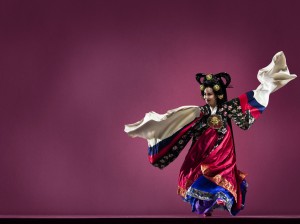
 korean dance

Korean American Community Strengths

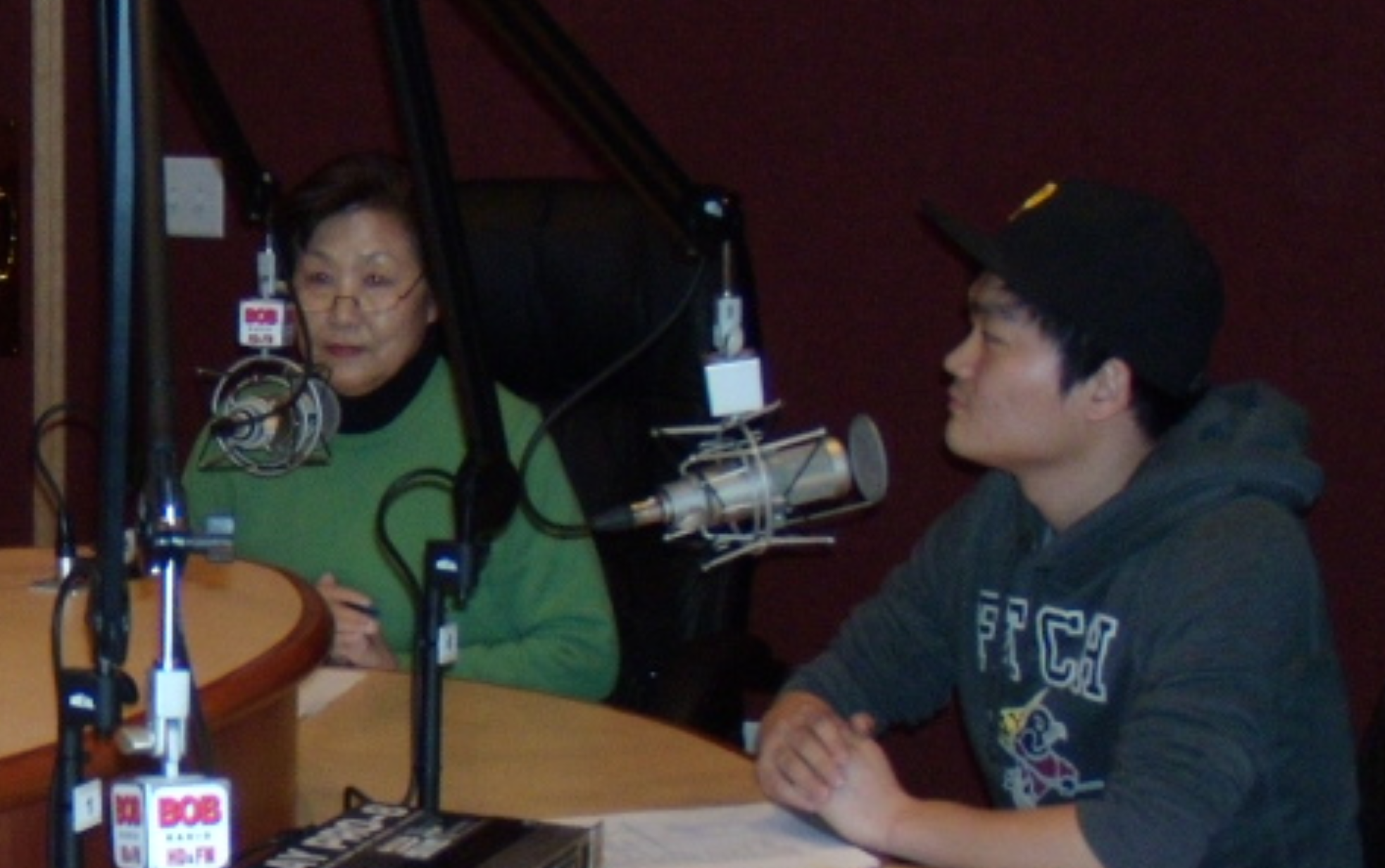
In general, the Korean American community perceived its quality of life in the Twin Cities as one consisting of increasing financial wellbeing and higher educational and professional attainment. Ample activities and opportunities exist for Korean Americans to be academically, financially, and socially healthy.   Korean American members who participated in the project said they were proud of the their community’s academic and professional achievements. More than half of the Korean American population over the age of 25 years old in the state has a college or professional degree and only 6.3 percent are unemployed.i   As a guest in the Korean Radio show stated, “Many Koreans in Minnesota have professional jobs. High education standard is one of characteristics of Minnesota. A good educational environment is the most important factor too.” Korean Americans also identified having a good family relationship and relationship to the Korean community was important towards a healthy life in Minnesota. They added that maintaining a spiritual or religious practice, such as the Korean church, helps community members to be healthy.

Korean American Community Challenges

Korean American community members who participated in the project indicated that elders and newly arrived immigrants faced challenges in accessing appropriate health care services. Many stated that the lack of resources for limited English proficiency populations and affordable health insurance were among the issues that concerned Korean Americans. “Cost of private health insurance are high. Some of Koreans are still working to pay their health insurance. We have a private insurance before [turning 65 years old, when one is eligible for government subsidized health care]. We need to have solution for this,” stated one guest during the Korean radio show. APA ComMNet survey results also showed that Korean Americans were less likely to do any physical exercise or see a medical professional and were more likely to have been diagnosed with diabetes and suffer a heart attack than most other AAPI groups that participated in this project (See Figure 4).

REACH CORE Radio Talk Show:
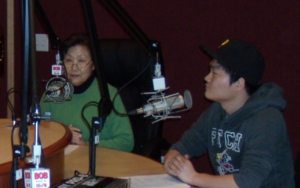
radio talk

Korean Community

Host Park: What are the three most important factors for a healthy Korean community in Minnesota?

Guest Kang: Strong family relationship, healthy life style, and religious or spiritual values are the three most important factors. Strong family relationship can improve our community in many ways like low crime rate, child education, safe neighborhoods, etc. Keeping healthy life style will be helpful for our community to become healthy. Religious values are the most important one.

Host Park: I agree with that strong family relationship is one of the three most important factors. When one’s home is happy, all goes well.

[i] Minnesota Historical Society, 2013. “Becoming Minnesotan: Stories of Recent Immigrants and Refugees.” St. Paul, MN: Minnesota Historical Society. Retrieved January 8, 2013 (http://education.mnhs.org/immigration/)

[ii] Olson, Norma Smith, 2010. “We’re From Here: New Book Gives a Visual History of Adopted Koreans in Minnesota.” Minnesota Women’s Press (September 10, 2010).

 

Remembering Where We Came From

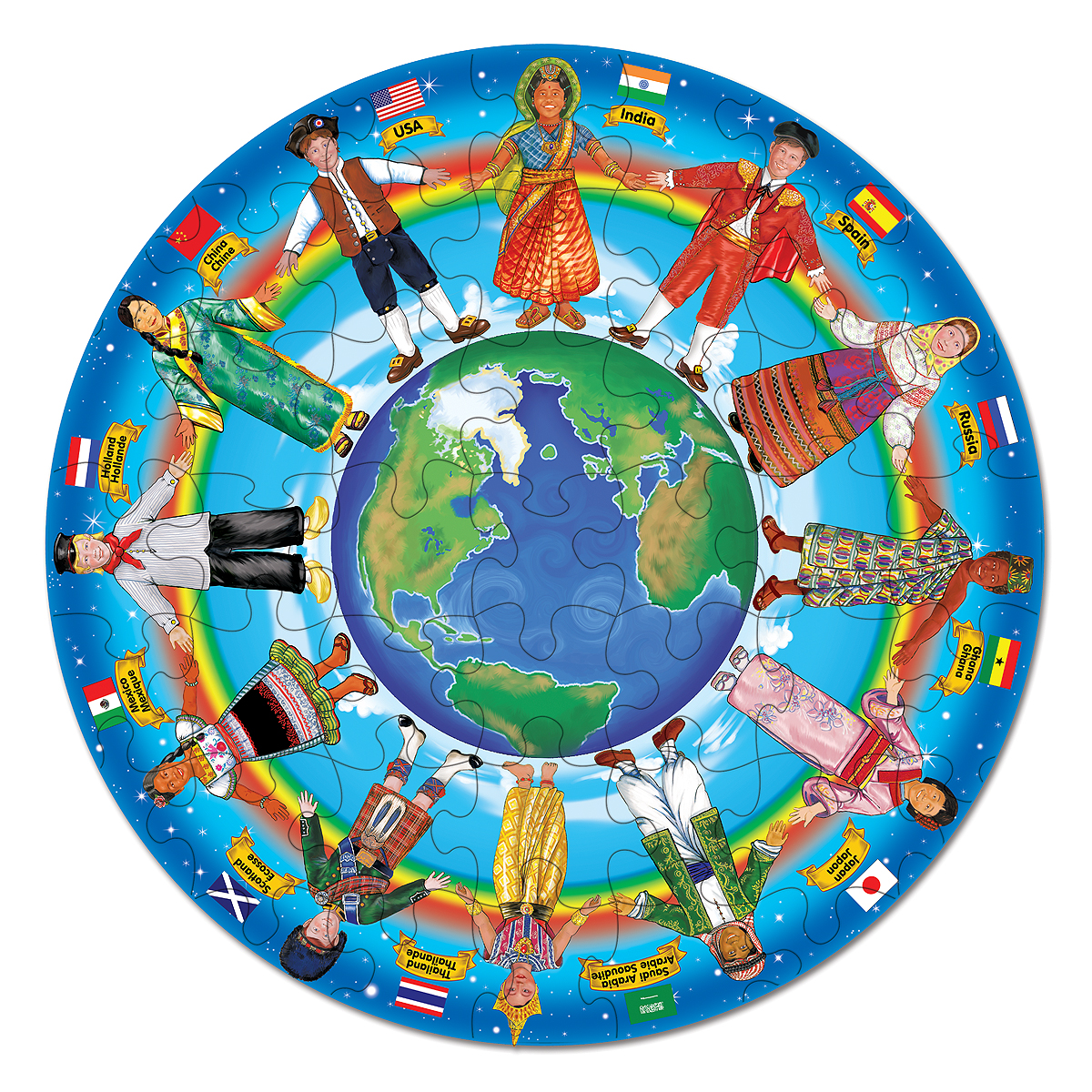
ChildrenAroundtheWorld

www.digitween12-2.flatclassroomproject.org

Many of us came from our parents and our parents came from their parents and so on. Everyone must’ve came from somewhere in the world to get to the place that they are now. As time passes on, we can forget our cultural roots and traditions that has faded due to many reasons. Such as assimilation, none to very little exposure to our own cultural heritage, or/and untold/forgotten stories, values, folktales, and traditions.

Thankfully, we have many resources nowadays if we want to learn where our ancestors come from, where they live, and such. But the real reason why it’s important to know your own cultural background is because it has to do with your identity. It is about learning more about your ancestors and understanding that as an individual, you and everyone else all connect somehow and are a part of a bigger world.

For example, the struggles of our ancestors directly impacts us how we may live life or make decisions today because we learn from our right and wrong choices. Idealistically, people like to become more advanced/better over time and without our ancestors going through the challenges that we didn’t have to, our present lives was made easier by little factors.

Some people in your life like your parents, grandparents, and elderly relatives had to go through hard times to provide for their families and themselves. Whether it was giving up their own education to find a job, leaving their home country to emigrate to a different country, sacrificing their time to invest in their offspring, and shedding blood, sweat, and tears for the sake that everyone present today has a better life and more opportunities.

Also, it is thanks to our ancestors that today the world have so many different kinds of ethnic groups, languages, religions, civilizations, and intellectual knowledge about life, space, animals, and more. Our ancestors made some impact in the future where we can arguably say that we do live in a better world in some aspects.


Holidays From All Over the World

There are many countries that the U.S. don’t share holidays with and it’s nice to know what we miss out on some of the great things people celebrate from all over the world. Here’s a list of cultural groups that have their own unique holidays.

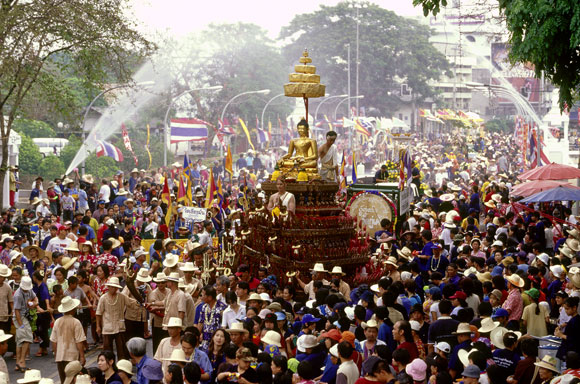
1. Thailand – Songkran

a_Chiang-Mai-Songkran-Fest-a

http://www.hellomagazine.com

One of the many celebrations of Songkran involves people splashing each other with water in the hot weather. “Part of the ritual was the cleaning of images of Buddha. Using the ‘blessed’ water that cleaned the images to soak other people is seen as a way of paying respect and bring good fortune.” – http://www.officeholidays.com/

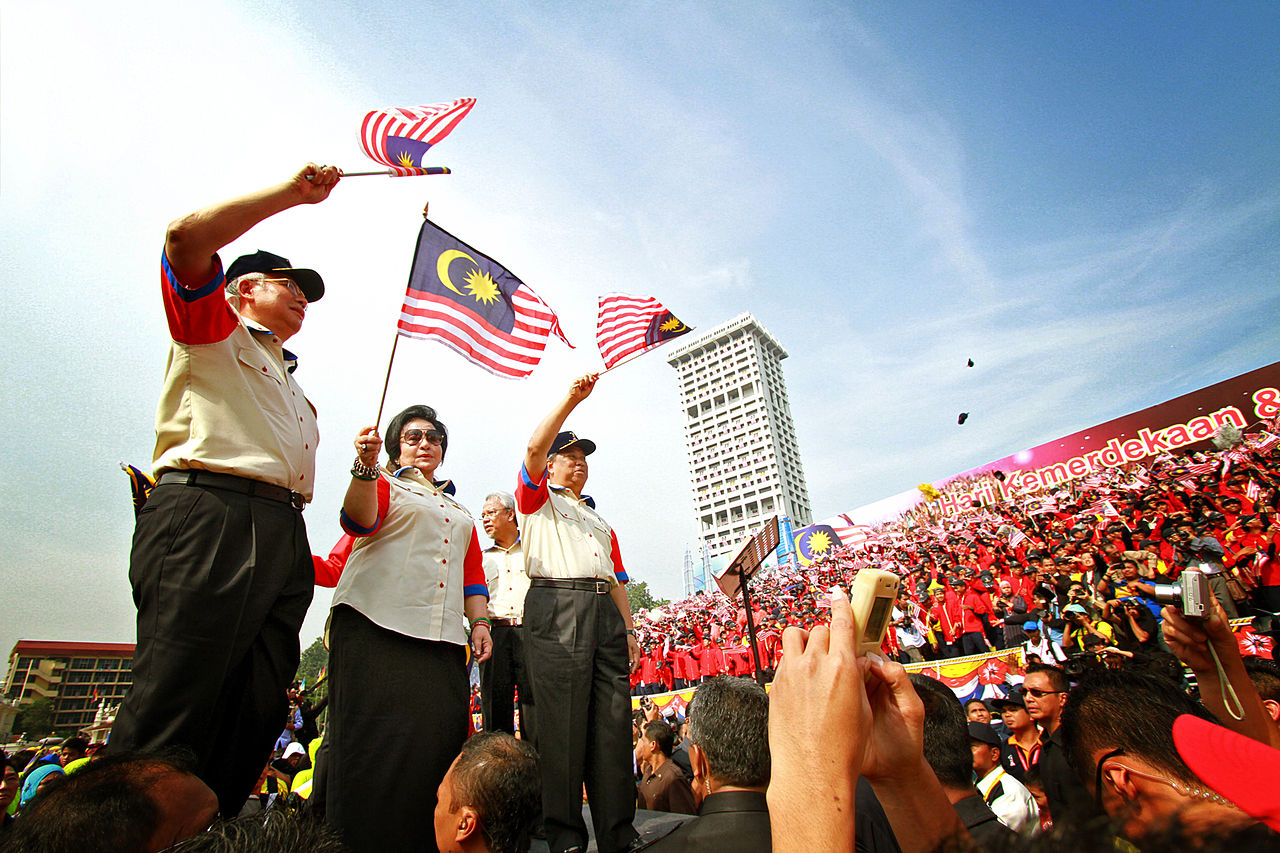
2. Malaysia – Malaysia Day

1280px-Hari_Malaysia_celebration_in_2011

http://en.wikipedia.org/wiki/Malaysia_Day

The holiday day title is literally what the holiday stands for. The people of Malaysia celebrate the day “16 September 1963, when the former British colony of Singapore and the East Malaysian states of Sabah and Sarawak, joined to create the Federation of Malaysia” – http://www.officeholidays.com/. It’s for everyone to take pride of Malaysia and its historical events of the people and country gaining independence.

3. Japan (including other Asian countries) – Childerns’ Day

kinryu_main

www.cheng-tsui.com

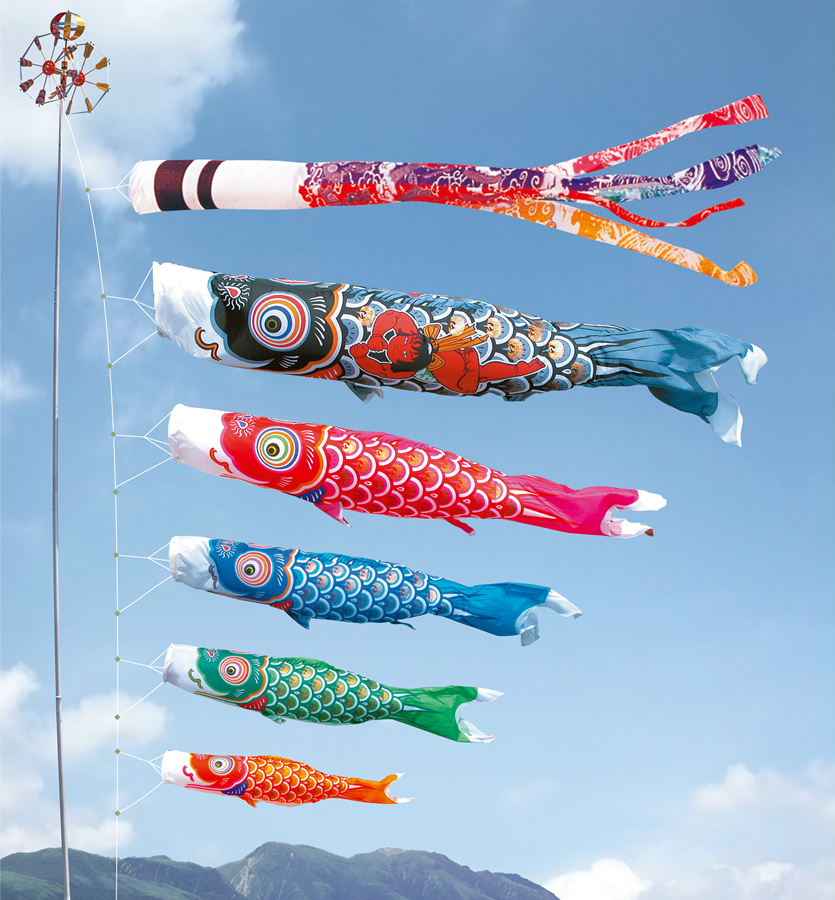
Yes, there is a national holiday to celebrate children with gifts, food, blessings, and wishes. Also, it is a time when parents pray for the best in health and success for their children.

4. Korea – Hanguel Day

Spectators gather in front of a bronze s

http://asiasociety.org

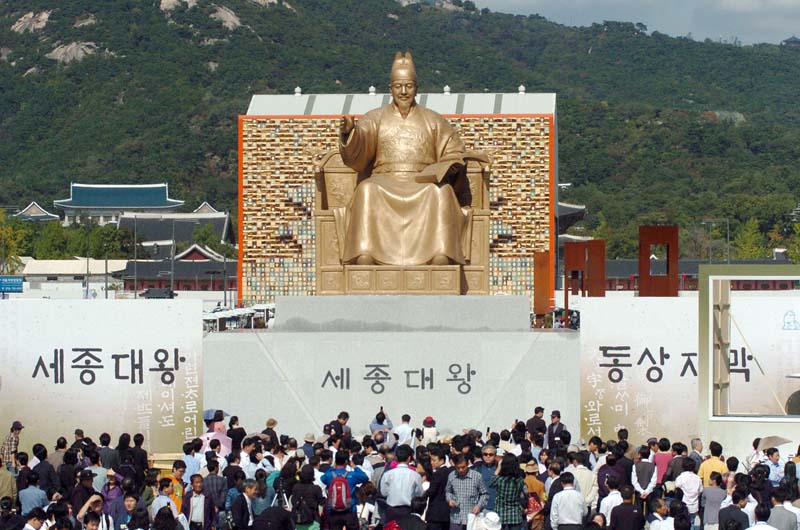
In celebration of the development of Korean alphabets after the colonial rule of Japan. “King Sejong the Great who was the fourth monarch of the Joseon Dynasty, devised and proclaimed the Korean alphabet in the 15th century” – http://www.officeholidays.com/. Korea did not develop their own alphabets as early as other cultural groups due to strong influence of the Chinese and Japanese characters.

5. Indonesia (including other Asian countries) – Waisak Day

wesak

http://www.borneoexplorertours.com

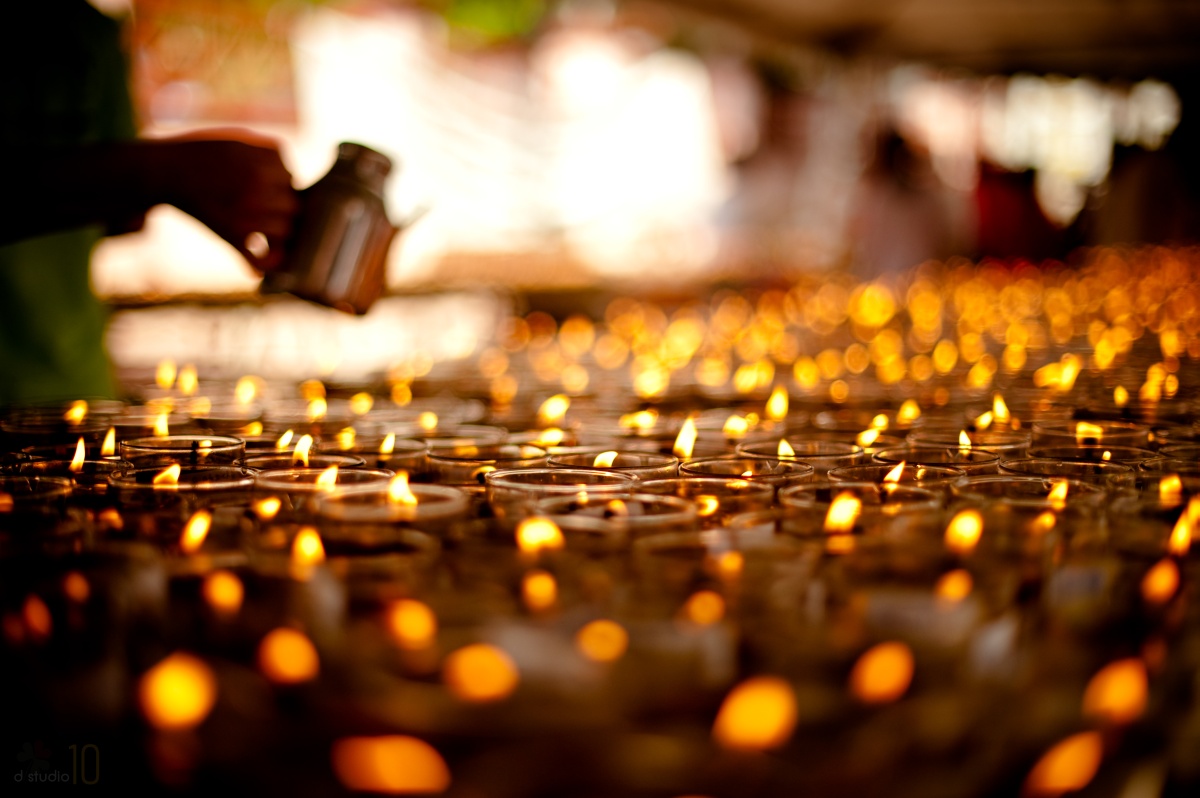
A national holiday made in name of Buddha’s birthday, death, and enlightenment. A ‘holy day’ for Buddhists monks and Buddhism believers that celebrates the life of Buddha. The holiday allows people to pray, receive or/give blessings, cleanse one soul and mind, make offerings, and display beautiful lights.

Customs of the Hmong New Year

www.trekearth.com

Whenever the end of the year is nearing, there are many traditions that the Hmong people have to do to welcome the new year. Instead of giving summaries to the many customs of the Hmong New Year, here some are links to outside resources that have great in-depth information about it:

1. Traditions, rules, and ceremonies during the Hmong New Year

2. Old Folktales 

3. Hmong Shamans

Hmong New Year is first celebrated in the home then with the (last name) clan to the outside community. The Hmong welcome the new year by honoring their ancestors to receive their blessings from them, families, friends, and others for health, good luck, wealth, and a new beginning. It involves community gathering from young to elderly to feast, celebrate, and engage in fun activities.

Today’s Health Topic: Diarrhea

According to www.mayoclinic.com, diarrhea is a “loose, watery stools that occur more frequently than usual”. In the old days, diarrhea was known to be able to cause death of people due to dehydration. But nowadays, it is a common health issue that is less threatening under normal conditions. Diarrhea could result because of many reasonings such as :

  • Expired food/food poisoning that may require your body to force out impurities and waste
  • Diet that could cause a imbalance in your digestive system
  • Medications/surgery/bacteria/virus/sickness/parasites that may cause you to have diarrhea as a side effect

Here are the symptoms of diarrhea:

  • Experience of multiple of watery loose stools (little waste to water)
  • Stomach bloating/pain/cramps
  • Dehydration
  • Sweating
  • Fever usually can accompany it or/and cause it to occur more

At this point, diarrhea would eventually go away in a day. If the symptoms worsen and last to the second day such as:

  • Vomiting
  • Severe sweating
  • Blood in stool
  • Fever with high body temperature of 102 F (39 C)

Make sure to contact for emergency help because it could be serious concern. Afterwards, remember to monitor what you eat after experiencing diarrhea so that it doesn’t reoccur. If you had mild diarrhea, drink water/sports water (contain salt and sugar, which your body flushed out) and snack or have smaller meals. If you had mild to severe diarrhea, make sure to drink water little by little and stick to a bland diet that contains no dairy, alcohol, high food saturated, artificial flavors/food dye, non-processed, non-organic, and hard to digest food.


Today’s Health Topic: Coronary Artery Disease

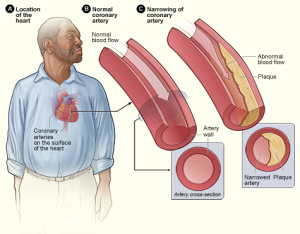
The most common type of heart disease in the U.S. is coronary artery disease where cholesterol leaves deposit of plaque and it contributes to plaque build up over a period of time. Most people don’t know that they may have this disease unless there is a heart attack or possible early signs.

atherosclerosis_2011

www.nhlbi.nih.gov

Being aware of the symptoms can give people more information on how to identify if they may have this heart disease:

  • Chest pain that could frequently occur in your upper body and back
  • Short breaths where your body is leaving lacking oxygen due to the slow or very little blood flow from your heart
  • Heart attack which means that your arteries are blocked and cause your body to be deprived of oxygen

Call for emergency help if you think that you may be experiencing some of these symptoms. So what can cause this heart disease or add more stress to the heart:

  • Lifestyle/diet is a huge factor that affects your body. If people are not active enough or/and have a bad diet, they are more likely to develop heart diseases.
  • Smoking/drugs that could another stress to the heart and affect other organs besides your heart like the lungs, stomach, liver, and more.
  • Diabetes or insulin resistance
  • High blood pressure that may be genetics, kidney problems, thyroid problems

Resource: www.mayoclinic.org


Push for No More Tobacco

tobacco-figure1

From http://www.hhs.gov./

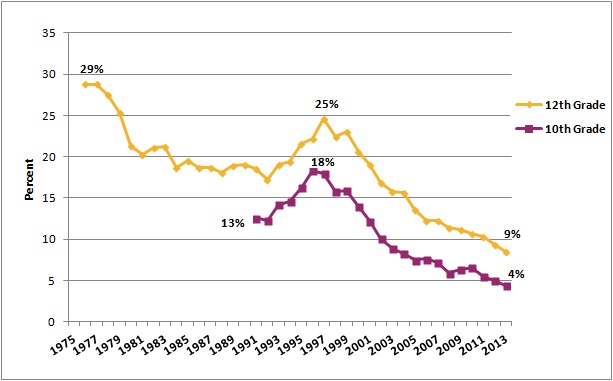
Source: Johnston, L. D., O’Malley, P. M., Bachman, J. G., & Schulenberg, J. E. (2014). Monitoring the Future national survey results on adolescent drug use, 1975-2013: Volume I, Secondary school students. Ann Arbor: Institute for Social Research, The University of Michigan.

Over the last 40 years, the use of tobacco has steadily decreased due to many enforcement of laws, regulations, government and local support, and established health awareness programs. But the concern is now focused on teens and adults who are still buying and using tobacco in different forms. Once someone has used tobacco, they could eventually or become immediately addicted to nicotine.

So what are the trends of using tobacco besides smoking tobacco:

  • Oral tobacco products that dissolves in the user’s mouth; they still contain tobacco properties that puts the user’s health at risk and they can come in different forms and flavors.
  • Hookah is a mouth piece smoking pipe that is commonly popular among teens and is used among groups where they pass it on to each other. Not only is it not sanitary of bodily fluids, it is technically like smoking a cigarette where the toxins are released and inhaled into the body.
  • Smokeless tobacco is in the form where tobacco can be sniffed and chewed. “For smokeless tobacco use, the highest rates of initiation are in the seventh through 11th grades. Although approximately equal proportions of male and female adolescents smoke cigarettes, users of smokeless tobacco products are nearly all males.” – http://www.hhs.gov/
  • E-cigarette is a cigarette that can be used electronically to vaporized a liquid that gives off the feeling that one is smoking tobacco. Although e-cigarettes has no tobacco, they still contain nicotine.

Sometimes, people don’t understand the consequences of using tobacco. The fact that tobacco was scientifically proven to lead to other cancer diseases and cause the user to have other health related problems is already a concern. We can’t stop the production of tobacco, but at least try to educate the public what tobacco can do to the body.

  • Increases the risk of almost every organ disease such as the mouth, bladder, stomach, lung, heart, kidney, and more.
  • Worsen asthma symptoms
  • Nicotine is scientifically proven to be a addictive stimulant and can cause people to rely on it for temporarily relaxation
  • Affects the body’s sexual, thyroid, pituitary, and adrenal hormones
  • Affects the production and sensitivity of insulin that could lead to type 2 diabetes and other potential health issues
  • Trying to quit smoking tobacco can cause physical reactions such as strong cravings for the substance, an increased appetite, insomnia and sleep disturbances, gastrointestinal problems and mood-related complaints including anxiety, anger and frustration, depression, irritability and restlessness. –  [source: MayoClinic]” – http://science.howstuffworks.com

So before using tobacco in any way of any form, think about how it could affect you, your body, and your health in the long term.