A Cup of Tea

Week2Blog5

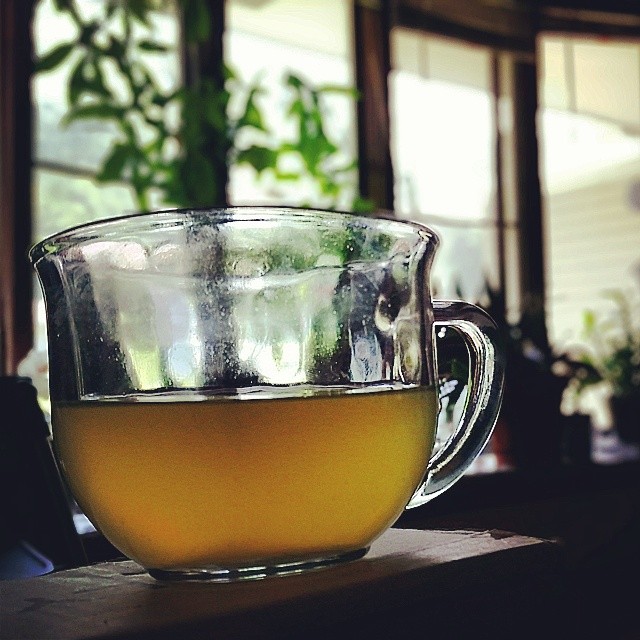
Grab a cup of tea now because its health benefits can only do you good. Many places in the world like in Asia, Europe, and more drinks tea on a daily basis. It’s popularity has continued to rise with more research showing that tea can help your body be healthier. Tea originated in China and has come such a long way from ancient times to now that there  are about 1,500 kinds of tea. There are so many that you are guarantee to find flavors suited to your taste.

So what are some benefits by drinking tea?

  • Fight against different types of cancer
  • Protect organs
  • Lower cholesterol
  • Be a weight losing supplement
  • Hydrate the body
  • Fight against cardiovascular diseases
  • Body degradation – skins, bones

Some recommended tea to try is:

  • Green tea
  • Black tea
  • Oolong Tea
  • White Tea
  • Jasmine Tea

Tea on its own is a either dried leaves or a blend of herbs/flowers/spices. There is a wide range of flavors and taste from bland to citrus to bitter. You can always make add other ingredients into your tea that will help you drink it.


Exercising Differently

Exercising can be a difficult thing to do. Not everyone particularly enjoy it or can develop a habit of working out. It is hard because there may be not enough time, motivation, and everyone’s body is different, etc. But if you’re struggling to decide who you can be active, here are a few tips what to do.

1. Yoga

Yoga has been long known to be great for the body and mind. It can help relax the body in ways that releases stress, increases flexibility, and usage of different body muscles. The best part is that anyone from beginner to expert can learn, even together. Yoga ranges from different types such as hot to spiritual to healing and more.

2. Eating clean(er)

If you can’t work out first, then start being healthier by eating cleaner. Eating habits are challenging because we are so used to eating what we want. Not only this can help with self discipline, but improve your overall health. Recommended foods that should be cut or consume less is processed and fast food. Those are often filled with unhealthy fat, sugar, and oil. Try to eat fresh (better if also organic) produces or simply cook your own dishes. This way you can control how much you eat and know what you are putting in your body.

3. Tai Chi

Tai Chi is a type of Chinese martial art that has been practiced by many different kinds of people for a long period of time. In today’s world, it is still practice for its healthy benefits. It can help the body (and mind) meditate, condition, flexibility, and strength. Many believe that by practicing Tai Chi can help lengthen the life of people. This form of exercise is great for beginners to start out with something simple and easy to learn.

4. Become part of a group!

If you dislike being active alone, join a group/club that requires you to be active. Dance groups, outdoor cleaning programs, garden clubs, sport teams, and even participation in social events will allow you to be active with other people. You can become more encouraged and motivated to be active by being socially engaged. Just make sure to find the right one for you.


Eating Traditional is Healthy!

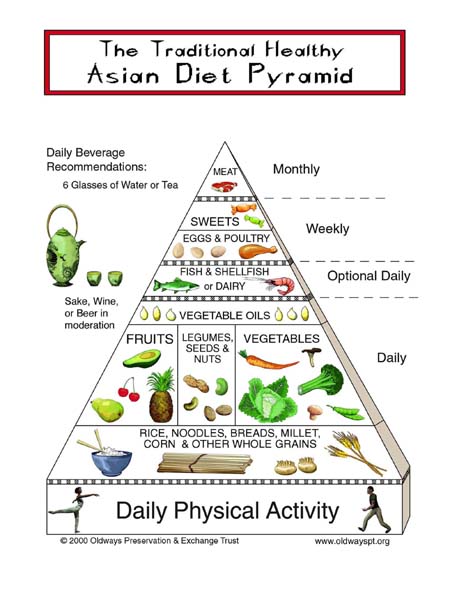
Asian Americans who grew up in the U.S. have been influenced over their lifetime of how to eat healthy. The American diet is shown in a food pyramid that doesn’t really represent or incorporate foods from other cultures. Many people choose to mix in both diet and switch other things. But did you know that many Asian cultures actually have a healthy diet too? Here’s an example of what many Asian foods consist of.

health asian food

So what are the main differences between the two diets?

1. One difference between Western and Eastern diet is at the bottom of the pyramid. Westerns tend to eat more grains, oats, and more. While the Eastern diet consist majorly of rice, noodles, and tofu. A great change to make in your diet is to eat 100% whole grain/wheat breads and switching from white rice to brown rice can be a healthier choice.

2. In many Asian dishes, there is usually vegetables/fruits mixed in or as side dishes. In Japan, even fruits can be seen as deserts and served to children after dinner. Western dishes don’t usually include side dishes and whenever there is some, they are usually considered a full entree plate. It’s just more common for Asians to eat vegetables and fruits on a daily basis due to the different types of cuisines and culture.

3. Some people eat meat daily, rarely, and sometimes, always. The point is that everyone eats meat differently and at a different rate. In many cultures, meat was perceived as a luxury food and only available to the middle to rich classes. But in these days, it is something that everyone can have easy access to and it has become affordable.

4. One of the biggest differences between the American diet compared to Eastern diet is that the Eastern diet consist less processed food than the American diet. It could because of culture differences since America was built upon the slogan of ‘bigger and faster things can produce, the better’. In the U.S., it is much harder to find organic or fresh produces that are not being sent of to large groceries or being very expensive. In Eastern cultures, foods are usually home cooked with organic or local produces from their markets. It could because that they do have better access to fresh produces like fruits, veggies, fishes, and more.

Heart Disease


Heart disease, such as coronary heart disease, heart attack, congestive heart failure, and congenital heart disease, is the leading cause of death for men and women in the U.S. Prevention includes quitting smoking, lowering cholesterol, controlling high blood pressure, maintaining a healthy weight, and exercising.

Bi-cultural Healthy Living

Benefit of dancing

Dance has physical and mental health benefits. Dancing is an exercise which helps keep fit. There are many different dancing types, such as, ballet, belly dancing, salsa, ballroom dancing, hip-hop, square-dancing and tap dancing.

Dance has physical and mental health benefits. Dancing is good exercise and a fun way to keep fit. Ballet, belly dancing, salsa, ballroom dancing, hip-hop, square-dancing and tap dancing are different dancing styles. Currently, dance has always been a part of human culture, rituals and celebrations. And it is a relaxed way to be actively and keep fit.

Here are the physical and mental benefits of dance:

1) improved condition of your heart and lungs

2) increased muscular strength, endurance and motor fitness

3) increased aerobic fitness

4) improved muscle tone and strength

5) weight management

6) stronger bones and reduced risk of osteoporosis

7) better coordination, agility and flexibility

8) improved physical confidence

By the way, learning the general tip for dancing is important to keep healthy too. Below are some suggestions for dancing:

1) see your doctor for a check-up if you have a medical condition, are overweight, are over 40 years of age or are unfit.

2) wear layers of clothing that you can take off as your body warms up

3) do warm-up stretches or activities before you begin a dance session

4) drink plenty of water before, during and after dancing

5) make sure you rest between dance sessions

6) don’t push yourself too far or too fast, especially if you are a beginner

7) wear professionally fitted shoes appropriate to your style of dance

8) perform regular leg-strengthening exercises

9) move as fluidly and gracefully as you can

10) cool down after a dance session, including stretching


Culture and Substance Abuse

Culture is defined in many ways. Based on Dwight Health, “Culture is a system of patterns of belief and behavior that shape the worldview of the member of the society. As such, it serves as a guide for action, a cognitive map, and a grammar for behavior.”

In general, substance abuse is related with the alcohol and illicit drugs. Illicit drug will consider culturally and change between different social groups. Substance use and abuse are depended on sociocultural beliefs. Culture plays an important role on affecting individuals about the potential problems they may face with drug use.

For the cultural group who have little exposure to a drug, rapid social changes exceed substance abuse. Such as, Anomie, or called loss of a healthy ethnic or cultural identity, may occur among native populations whose cultures have been devastated by the extensive and sudden influx of outside influence.

Substance use and abuse are related to an individual identity with his or her native culture. For example, native American elders believe that substance abuse are caused  by the loss of traditional culture. Higher rates of substance use have been found in persons who closely identify with non-Native American values and the lowest rates are found in bicultural individuals who are comfortable with both sets of cultural values.


Childhood Obesity Diet, Nutrition and Exercise

Currently, childhood obesity has became a serious problem worldwide. Many children have difficulties in maintaining healthy weight. As we all know, obesity will affect our overall health; also, it has complications with heart disease, diabetes, and high blood pressure and other health issues. Therefore, healthy diet and proper nutrition are important to children’s growth. Additionally, regular exercise is necessary to lose weight.

Diet

A healthy diet plays an important role for children to keep in shape and lose weight. It is essential to help children understand the importance of proper amount of food intakes every day, and identify the difference between healthy food and unhealthy food. It becomes easier for children to adopt the healthy diet once they understand the different food options. Here are some resources for diet:

1) Snacks for Healthy Kids:  This resource gives ideas on snacks that healthy kids would eat. It is good resource when you are trying to build a diet.

2) Choose My Plate:  The basic dietary guidelines for a basic diet. This program replaced the food pyramid.

3) Growing Healthy Kids: This resource offers a variety of recipes and lesson plans to help kids eat a healthier diet.

4) Age Appropriate Diet for Kids: The National Institutes of Health outlines the basic dietary guidelines for children at the different ages of their lives.

5) Child Nutrition and Health:  This resource by the USDA provides games and sites to help your teach nutrition to kids.

6) Fun ways to Teach Kids About Healthy Food Choices: Parenting Magazine offers an article about how you can make teaching about healthy food choices fun.

Proper Nutrition

Having healthy eating habits is one of the important parts of fighting against obesity. Additionally, making a good food choice is also necessary for children to keep fit everyday. Therefore, it is essential for them to understand the nutrition contents in different food groups. Parents could also lead the healthier food options because they make food purchase in the home. Below are some resources for proper nutrition:

1) Nutrition for School Aged Child:  Learn about the different nutrients kids need to eat each day as the move from child to teenager to adult. As well as look at ideas for snacks.

2) Kids World Nutrition: This website provides trivia and games to teach children about getting proper nutrition.

3)Kids in the Kitchen: Review video recipes and ideas to help kids learn to make healthy food.

4) Easy Child Care Nutrition: Learn about the recommended steps for child care centers to take to provide proper nutrition while preventing childhood obesity.

Exercise

Becoming active plays an important role on fighting against obesity. Regular basis of exercise helps young people stay fit, however, the structured exercise program is needed for elderly people who want to lose weight. There are many resources to help people to work out and have fun:

1) Physical Activity Guideline for Children: Learn the basic recommendations of exercises for kids to complete.

2) Exercise Goals for Kids: This outlines the basic recommendations for exercise, as well as listing the benefits of regular exercise.

3) How Much Physical Activity Do Children Need?: The CDC outlines the basic physical activity requirements for children as well as gives suggestions on different types of activities.

4) The Benefits of Physical Activity:  Learn the basic benefits of becoming more physically active.

5) Get Active: The Let’s Move website offers tips and resources to help you and your entire family get active.

Obesity

Obesity is a complex disorder involving an excessive amount of body fat. It increases the risk of health problems, for example, heart disease, diabetes, and high blood pressure. Understanding the causes of obesity and how it affects us is important to everyone.

Here are some facts which cause obesity:

1) Genetic. It is more common for children to become obese when one or both of the parents are also obese. Genetics also have effects on hormones which regulate fat.

2) Overeating. People eat even when not physically hungry . Overeating is one of the main ways to gain weight, especially when we choose the foods which are high in fat or sugar. Such as, fried food, fast food or desserts.

3) Slow metabolism. Muscle (metabolism) burns more calories than other tissues. Compared with men, women have less muscle. Then women gain weight easier than men, but losing weight is more difficult for women. As we are older, we are losing our muscle and our metabolism slows. Therefore, it is necessary to reduce calories intake as we age.

4) Physical inactivity. Sedentary people  become obese more than people who are active. According to a National Health and Nutrition Examination Survey (NHANES), physical inactivity is strongly correlated with weight gain in both sexes.

Among Minnesota’s adults age 18 and over, 62.3% of adults were overweight, with a Body Mass Index of 25 or greater; 24.8% of adults were obese, with a Body Mass Index of 30 or greater.

Understanding the effects of obesity on our bodies is helpful to reduce or avoid obesity. Obviously,there are no quick remedies for these problems, and it may need the combination of help from others and medications as well as some professional help for the people who are severely obese. Based on CDC (Centers for Disease Control), there are strategies to address the five target areas for preventing and reducing obesity.

1) Increase consumption of fruits and vegetables.

2) Increase physical activity.

3) Increase breastfeeding initiation, duration, and exclusivity.

4) Decrease consumption of sugar drinks.

5) Decrease consumption of high-energy-dense foods, which are high in calories.

It is important to pay attention to people who are obese, because there are many health risks associated with obesity including cardiovascular disease, diabetes, some cancer and arthritis. It is important to control the weight gain and exercise to keep healthy.


Trauma Information

Trauma can be defined as a physical injury or a painful experience. It can be a factor that can cause serious damage to someone’s mental and physical health. Trauma comes in different types and forms so people experience them differently. It’s important to be informed about this issue because understanding how trauma can impact people will allow us to better understand how it changes them. Here are some factors that can cause trauma:

  • Violence that is found in a home, a relationship, and outsiders such as friends, bullies, etc.
  • Physical damage/abuse to someone’s body that have a lasting after effect such as rape, a car accident, etc.
  • Death of a loved one
  • Natural disasters that can destroy people’s home and as a result, people have to be relocated

Being able to recognized if someone is traumatized by their experience will help them solve/confront their problems. Of course, it doesn’t mean everyone is able to do that so easily or quickly. It often takes time, consultation, and maybe the help of others like medications, programs, and professional help. How you will know if someone is going through their emotional state and behavior act such as:

  • Mood swings, temper, denial, and responses to daily actives/conversations
  • Anxiety
  • Having a hard time concentrating
  • Sleep disorders such as excessive nightmares and loss of sleep
  • Eating less/more than usual

It is important to treat people with trauma to ensure that they will recover through the process sooner. It may take weeks to months to years for people to overcome their traumas. But we should always try to help others cope with their traumas so they can also return to their usual life.

Here is another great source to check out for more information about trauma.

Family Communication

Family is a support system that can help us get through many stages of our lives. It takes great understanding and communication to work together through different challenges. Sometimes it is hard for us to talk to our families or have them support us in the ways we want them to. But of course, your family is there to help you in any ways they can. Here are some tips on communicating with your family members in positive ways:

1. Be open-minded and understanding of others. Although everyone in your family may share different opinions, it doesn’t mean they’re against you. Often time, talking things out will help people come to terms of understanding your situation. Try to avoid being narrow minded because it won’t solve anything.

2. Share your life with them. Being part of a family means you share and make memories with them. You don’t share every aspect of your life with them because everyone has separate experiences in life. By sharing little daily things (over dinner, a movie, etc.) with them can help you reconnect with them at the end of the day.

3. You have a problem? Address it now; sooner is better than later. If you’re struggling with something, then don’t let it drag on. By the time you realize what you could have done by asking your family for help, it may be too late. Your family will help you if they are able to, but don’t take them for granted.

4. Always be grateful for them. Whether you like your family or not, be grateful for your family. You wouldn’t be who you are without their influence, support, and love. Not every family is perfect and that’s okay. You’ll learn over time that family is something that always stays with you for a lifetime.

5. Enjoy their company! Hey, time will fly before you become independent yourself. You’ll realize that your life with your family was really short compared to the other years you’ll continue to live with your own family. So really take the time to make more memories and enjoy being with your family.