Remembering Where We Came From

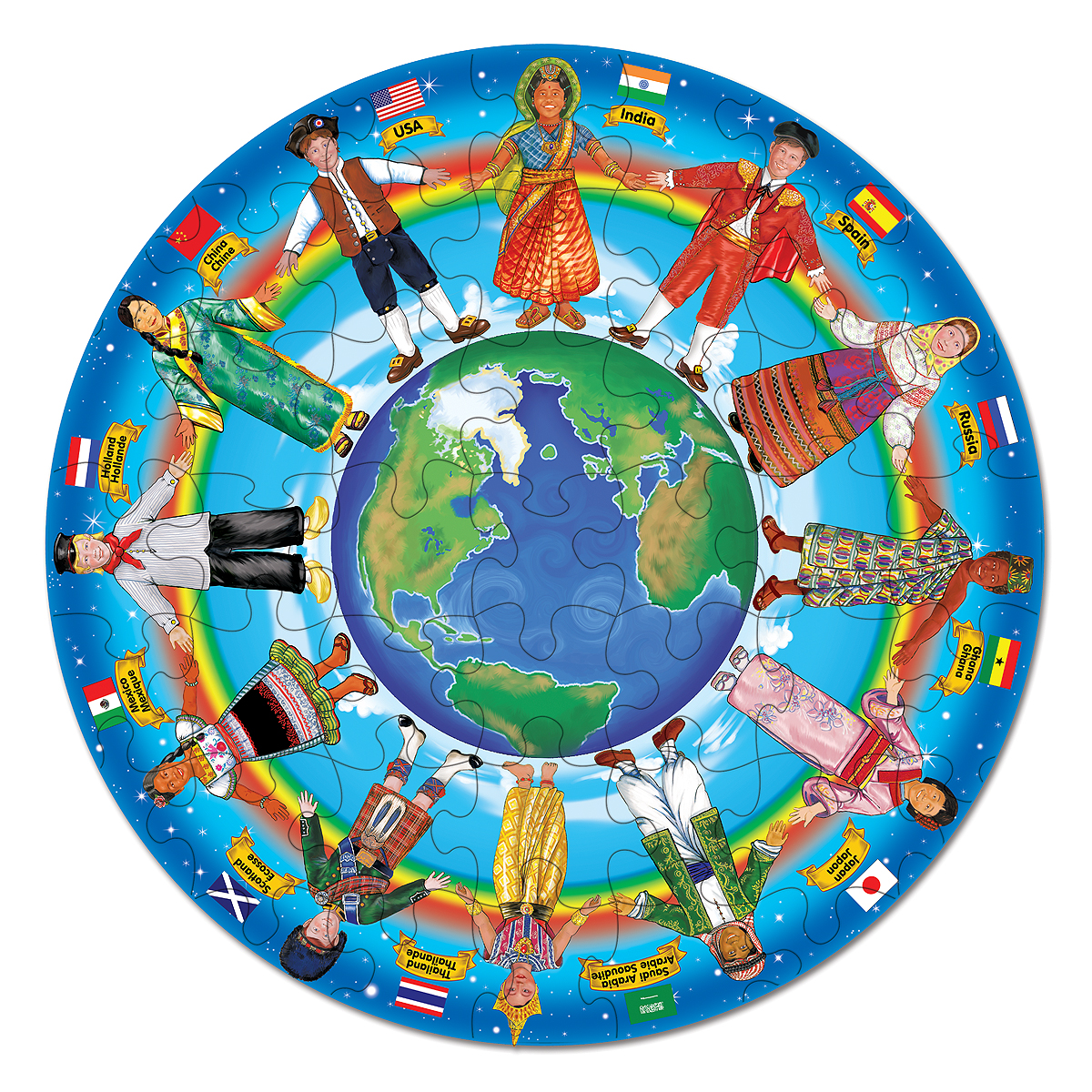
ChildrenAroundtheWorld

www.digitween12-2.flatclassroomproject.org

Many of us came from our parents and our parents came from their parents and so on. Everyone must’ve came from somewhere in the world to get to the place that they are now. As time passes on, we can forget our cultural roots and traditions that has faded due to many reasons. Such as assimilation, none to very little exposure to our own cultural heritage, or/and untold/forgotten stories, values, folktales, and traditions.

Thankfully, we have many resources nowadays if we want to learn where our ancestors come from, where they live, and such. But the real reason why it’s important to know your own cultural background is because it has to do with your identity. It is about learning more about your ancestors and understanding that as an individual, you and everyone else all connect somehow and are a part of a bigger world.

For example, the struggles of our ancestors directly impacts us how we may live life or make decisions today because we learn from our right and wrong choices. Idealistically, people like to become more advanced/better over time and without our ancestors going through the challenges that we didn’t have to, our present lives was made easier by little factors.

Some people in your life like your parents, grandparents, and elderly relatives had to go through hard times to provide for their families and themselves. Whether it was giving up their own education to find a job, leaving their home country to emigrate to a different country, sacrificing their time to invest in their offspring, and shedding blood, sweat, and tears for the sake that everyone present today has a better life and more opportunities.

Also, it is thanks to our ancestors that today the world have so many different kinds of ethnic groups, languages, religions, civilizations, and intellectual knowledge about life, space, animals, and more. Our ancestors made some impact in the future where we can arguably say that we do live in a better world in some aspects.


Important Proverbs We Should All Live By

According to www.yourdictionary.com/proverb, “the definition of a proverb is a short saying that is widely used to express an obvious truth”.

So why exactly are proverbs important to know? Well, they influence the way people interact with one another and the way we could perceive different situations. Often, they teach us important values in terms of respect, acceptance, love, responsibility, and more. Proverbs can teach us different aspects of many cultures and give us insights how people used to thought in the past. So here is a collection of proverbs from all kinds of cultures!

1. Korea : “A picture of a rice cake.”

In the Korean culture, rice cakes are loved by many people. If there’s only a picture of rice cakes, they can’t literally eat it. So the meaning behind this proverb is that you shouldn’t develop a desire that you cannot have.

2. China: “Do not do to others what you don’t want done to yourself.”

In Chinese cultures, there is an important emphasize of being a good nature person. That means that you wouldn’t want to do anything that would disrespect, harm, or possibly affect someone in a negative way because you wouldn’t want them to happen to you too. So treat people like how you want to be treated.

3. Vietnamese: “Ghosts have no pity on the sickly. Robbers have no pity for the poor.”

Life is about experiencing ups and down. It won’t be a smooth sail and expect to have good and bad situations because you can’t predict the uncertainly of what life may offer  you.

4. Thai: “As diligent as an ant.”

Thai people can see how little ants are and recognize that they work very hard. That is why even if it is hard work, be determined to carry out your responsibility.

5. Japan: “If you do not enter the tiger’s cave, you will not catch its cub.”

You can’ expect life to give you everything. Sometimes, it is up to you to take the initial step. So if you don’t risk trying, you will not get what you want.

6. Filipino: “A monkey dressed up is still a monkey.”

You can change your outer appearances and what you wear, but you are still who you are. It takes more than that to change yourself.