School work identified as key stressor for AAPI youth

Mental health challenges among AANHPI (Asian American, Native Hawaiian, and Pacific Islander) youth have often been overlooked due to a lack of research and attention to their unique struggles. A recent study by The Asian American Foundation (TAAF), titled “Beyond the Surface: Understanding Mental Health Among Asian American, Native Hawaiian, and Pacific Islander Youth,” sheds light on this critical issue. The study reveals that academic pressure is one of the most significant stressors for AANHPI youth, driven by cultural expectations linking success in school to upward mobility and respect. This stress is further amplified by the “model minority” stereotype, which imposes unrealistic standards of excellence while dismissing emotional vulnerability. By addressing these unique challenges, the study offers insights into solutions for a group often misunderstood and underserved in mental health discussions.

“The biggest stressor on mental health that youth reported was actually pressure to succeed, both self-imposed and from families,” Dr. Charissa Cheah, lead researcher

Key Facts

Exacerbation by the COVID-19 Pandemic:

  • Heightened mental health struggles during the pandemic.
  • Complicated identity development due to the rise in anti-Asian hate.

Cultural Challenges:

  • Difficulty navigating cultural heritage in a climate of racism.

Stressors:

  • Discrimination and its impact on mental health.
  • Academic pressures contributing to a “perfect storm” of stress.

Isolation and Anxiety:

  • Increased feelings of loneliness and worry among AANHPI youth.

Alarming Statistics:

  • Suicide is the leading cause of death for young AANHPI individuals, per CDC data.
  • One in three AANHPI youth has considered or attempted suicide.

Addressing the mental health challenges faced by AANHPI youth requires urgent attention and action. The compounded pressures of academic expectations, cultural identity struggles, and discrimination, particularly during the COVID-19 pandemic, have created a crisis that cannot be ignored. With one in three AANHPI youth considering or attempting suicide, these alarming statistics serve as a stark reminder of the need for culturally responsive mental health resources and support systems. By acknowledging and addressing these unique challenges, we can work towards creating a more inclusive and understanding environment where AANHPI youth feel seen, supported, and empowered to thrive.


面对压力时,要学会呼吸放松。
Learn to breathe and relax when facing stress.
Reference: https://asamnews.com/2024/12/27/beyond-the-surface-of-aanhpi-youth-mental-health-research/?fbclid=IwZXh0bgNhZW0CMTEAAR0Oe5d1oc80z-JadHPJuCvh3k2LdlTzZeJHW6kUaPH5VFXwjnpg9aXnmVU_aem_aKVwcfNMD6Tnep0Xa9lLtA

Harmony Between Worlds: A Black Buddhist Artist’s Journey

Living as a Black Buddhist artist immersed in a bicultural experience is a profound act of self-discovery. My heritage as a Black individual expresses resilience, creativity, and community, while my Buddhist practice offers a framework for mindfulness, compassion, and balance. These two identities do not simply coexist—they enrich and inform each other, creating a unique lens through which I experience this world. Through the teachings of lord Buddha, I’ve come to understand my cultural roots not as a separate identity but as a path in which I cultivate dharma..

As an artist, the bicultural experience manifests in the stories I tell and the mediums I use to tell them. My work is a reflection of both celebration and introspection, merging the rhythms of my heritage with the contemplative silence of my Buddhist practice. Whether through the meditative pluck of the Guzheng or the quiet resilience embedded in my poems, I strive to create art that speaks to the shared humanity between cultures. This process has taught me that self-cultivation is not about abandoning one identity to embrace another but about finding harmony in the tension, allowing each aspect of myself to bloom.

Self-cultivation within this bicultural space is an ongoing practice of loving-kindness toward myself and others. It is about embracing the complexities of my identity without judgment, cultivating wisdom through the lessons of my ancestors, and staying grounded in the present moment. As a Black Buddhist, I see my journey not only as personal liberation but also as a call to inspire others in my community to explore the depths of their identities with courage and compassion. Together, we can honor the beauty of our roots while forging new paths of creativity and cultivation.

Jarrelle (杰遨) Jieao

Marijuana use linked to higher risk of heart attack and stroke

New research suggests that using cannabis—whether by smoking, eating, or vaping—may increase the risk of heart attacks and strokes. Published in the Journal of the American Heart Association, the study found that cannabis users faced higher cardiovascular risks, regardless of tobacco use or other underlying health factors. Dr. Abra Jeffers, a data analyst at Massachusetts General Hospital, highlighted the growing misconception that cannabis use is harmless, particularly as smoking remains the predominant method of consumption, exposing users to particulate matter. With recreational marijuana now legal in 24 states and its usage nearly doubling since 2002, understanding its health impacts is increasingly critical. The study analyzed survey data from over 434,000 U.S. adults between 2016 and 2020, focusing on cardiovascular outcomes like heart disease, heart attacks, and strokes—even among non-tobacco users and younger individuals at lower baseline risk. Prior research on marijuana’s cardiovascular effects has been limited due to overlapping tobacco use and younger study populations, but this study underscores the potential dangers as cannabis use becomes more widespread.

Key Facts

  • Higher Risk with Any Use: Any marijuana use was associated with an increased risk of heart attacks and strokes.
  • Frequent Use Increases Risk: Daily marijuana users had 25% higher odds of heart attack and 42% higher odds of stroke compared to non-users.
  • Smoking as Predominant Method: Smoking was the most common way people consumed cannabis, followed by eating and vaping.
  • Increased Odds for Younger Adults: Men under 55 and women under 65 who used marijuana had a 36% higher combined odds of coronary heart disease, heart attack, or stroke, even without tobacco or e-cigarette use.
  • Independent Risk Factor: The elevated odds for cardiovascular issues persisted even in individuals who had never used tobacco products or e-cigarettes.

These findings underscore the importance of understanding the potential health risks associated with marijuana use, particularly as its prevalence continues to rise and perceptions of its safety shift. With smoking remaining the most common method of consumption and frequent use linked to significantly higher odds of cardiovascular issues, it’s crucial for individuals to consider these risks and for healthcare providers to address them in discussions about overall heart health. As marijuana use becomes more widespread, further research is needed to provide a clearer picture of its long-term impact on public health.

Reference: https://www.heart.org/en/news/2024/02/28/marijuana-use-linked-to-higher-risk-of-heart-attack-and-stroke

The Earth is Not Disposable: Nicotine Vape Waste

The Environmental Toll of Vapes

Vaping isn’t just harmful to health—it’s a hidden threat to the environment. Disposable vapes and e-cigarettes contribute to deforestation as their production requires extracting raw materials like lithium for batteries. These batteries, often improperly discarded, leach toxic chemicals into the soil and water, creating hazardous waste that can’t be thrown in regular trash or recycling bins. Additionally, manufacturing and disposing of vapes release greenhouse gases, exacerbating climate change. The harmful contents of vapes, like lithium-ion batteries and plastic casings, persist in landfills for centuries. To reduce the environmental impact, consider alternatives, dispose of used vapes properly, and advocate for sustainable waste solutions. Protecting the planet starts with informed choices.

5 Key Facts

  1. Health Risks: Vaping can lead to respiratory and cardiovascular issues, with some chemicals linked to lung injury and long-term health complications.
  2. Hazardous Waste: Vapes contain lithium-ion batteries and electronic components that can’t be discarded in regular trash or recycling bins, contributing to toxic waste.
  3. Greenhouse Gas Emissions: Manufacturing and disposing of vapes release greenhouse gases, fueling climate change.
  4. Deforestation: Producing vapes requires mining raw materials like lithium and metals, contributing to deforestation and habitat destruction.
  5. Plastic Pollution: Disposable vapes and cartridges add to plastic waste, persisting in landfills and ecosystems for hundreds of years.

Prioritizing eco-friendly alternatives and proper disposal methods is crucial for reducing these harms.

https://youtube.com/watch?v=kdP_Jw_Q9EQ%3Fstart%3D227%26feature%3Doembed

What actions do you think we should take to reduce the environmental damage caused by commercial tobacco and vapes, and how can we hold the tobacco industry accountable for the harm their products have caused?

The impact of vaping goes beyond personal health—it’s a growing threat to our environment. From hazardous waste and greenhouse gas emissions to deforestation and plastic pollution, the environmental toll is undeniable. By making conscious choices, advocating for stricter regulations, and holding the vaping industry accountable, we can work toward reducing these harms. Protecting our planet and well-being requires collective effort, responsible practices, and a commitment to sustainable alternatives. Together, we can create a healthier future for ourselves and the environment.

**By prioritizing the health and safety of its young residents, Minnesota is investing in a brighter, healthier future for all.**

Reference: https://www.youtube.com/watch?v=kdP_Jw_Q9EQ&t=227s

Living With Existential Depression

Existential depression is a deeply challenging experience where individuals grapple with finding meaning in their lives and existence itself. This struggle can lead to a lack of motivation in daily life, fixation on thoughts of death and dying, indifference toward the seemingly “unfixable” state of the world, and avoidance of connections with others. While these feelings can be overwhelming, it’s important to remember that existential depression is not a formal diagnosis but rather a way to describe this specific emotional and philosophical struggle.

“Everyone experiences [a level of] existential depression at some point in their lives and it is very common to find it as one moves through the challenges of the maturation process,”- Jed Turnbull, PhD, LCSW, CHT, a licensed social worker, and therapist.

Questions that often spark feelings of existential depression include:

  • What is the meaning of life? 
  • Why is there suffering?
  • Why do people have to die? 
  • Can I make an impact in the world? 
  • Why do bad people go unpunished?
  • Why do good people experience pain? 

Certain life experiences can also act as potential triggers for existential depression, such as:

  • Stressful life events: Situations that cause major upheaval can greatly impact your life. For example, one study notes that cancer patients may question the meaning of life when they realize that death is a very real possibility.
  • Having poor job satisfaction: Research has shown that there’s a relationship between job satisfaction and mental health. So, if you’re dissatisfied with your job you may have poorer mental health. You may also start to wonder what the purpose or point of your job is.
  • Lack of meaningful relationships: Science notes a strong link between healthy social relationships and aspects of our health and wellness.

“In more immediate circumstances, one’s way of expression can be very helpful in alleviating their depressive symptoms,” Turnbull notes. “Journaling or writing, and other abstract ways of self-expression such as art and music, as well as learning something new, can all be ways to decrease depressive symptoms.”-Jed Turnbull, PhD

Experiencing existential depression can be triggered by deep reflections and life events. It’s crucial to prioritize mental health and adopt a healthy lifestyle in response. Taking time to reflect on your well-being and engage in self-care practices can help manage feelings of existential dread and promote a more meaningful and fulfilling life.


照顾好自己是对的。Taking care of yourself is the right thing to do.

Reference: https://www.verywellmind.com/what-is-existential-depression-5496376

Health Problems Caused by Secondhand Smoke

There is no safe level of exposure to secondhand smoke, as even brief exposure can cause immediate harm. In adults who do not smoke, secondhand smoke increases the risk of coronary heart disease, stroke, lung cancer, and adverse reproductive health effects in women, such as low birth weight. For infants and children, secondhand smoke is linked to sudden infant death syndrome (SIDS), respiratory infections, ear infections, and asthma attacks.

The effects of secondhand smoke are immediate, causing over 2.5 million deaths among non-smokers since 1964.

  • In adults who do not smoke, secondhand smoke exposure can cause coronary heart disease, stroke, lung cancer, and other diseases. It can also result in premature death.
  • Secondhand smoke can cause adverse reproductive health effects in women, including low birth weight.
  • In children, secondhand smoke exposure can cause respiratory infections, ear infections, and asthma attacks. In babies, secondhand smoke can cause sudden infant death syndrome (SIDS).
  • Secondhand smoke exposure can produce harmful inflammatory and respiratory effects within 60 minutes of exposure which can last for at least three hours after exposure.

Protect yourself and those around you by living smoke-free. Quitting smoking not only improves your health but also creates a safer, healthier environment for everyone. Take the first step today—your body and loved ones will thank you.

**By prioritizing the health and safety of its young residents, Minnesota is investing in a brighter, healthier future for all.**

Reference: https://www.cdc.gov/tobacco/secondhand-smoke/health.html

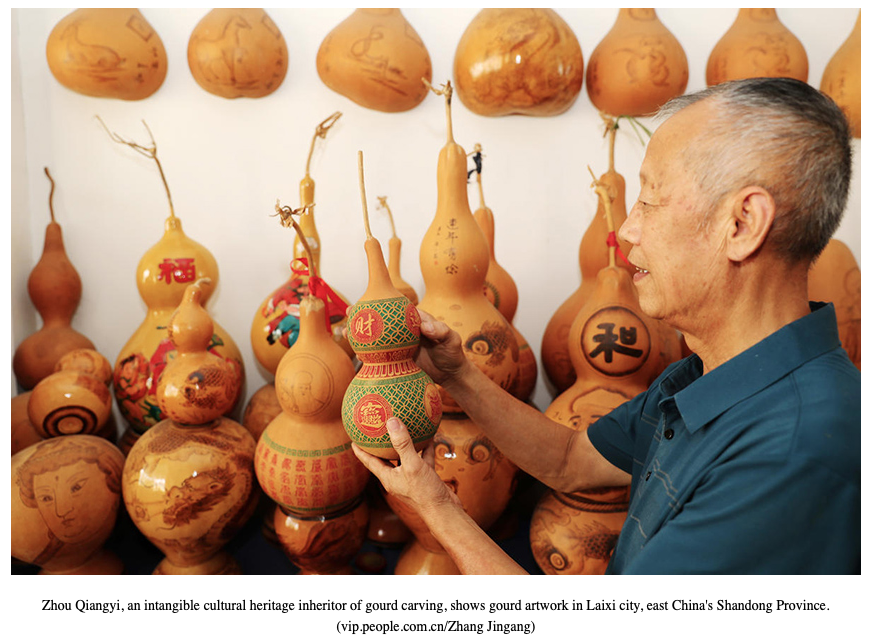
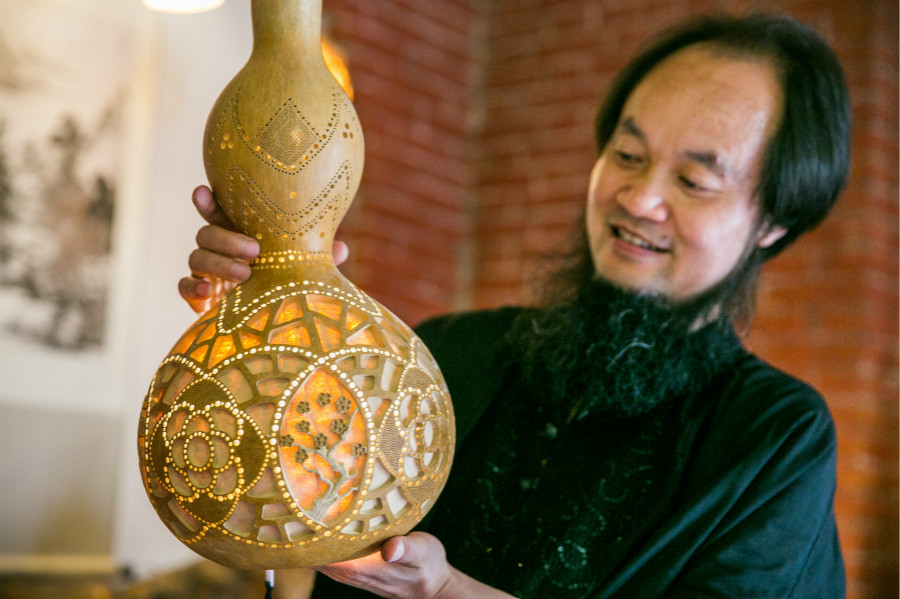
The Chinese Art of Gourd Carving

Sculpture by Li Dehua

Many countries across the globe have used gourds for culinary traditions, building instruments and even art! With its durable material, once dried, it becomes perfect for carved sculptures. In China the gourd or Hulu 葫芦 symbolizes fortune and wealth because it sounds so similar to Hulu. The gourd seeds are also a symbol of fertility and productivity. For thousands of years the Chinese have used gourds for carrying water, displays, erasing negative energy, and carvings. Artists use different gourds with unique shapes for carvings, expressing their creativity, skill, and mastery.

It’s said that the gourd is one of the eight treasures of Feng Shui, and bringing one in the home can remove negative energies, illnesses and also attract fortune. The gourd is the symbol of Li Tieguai, one of the eight immortals, who has the power to liberate his soul from his body. This symbol of longevity is very important in Chinese culture, and has influenced this beautiful art form. Records of gourd artwork first appeared in the Ming Dynasty 1368-1644 in history books, and can be traced back to the Tang Dynasty (618-907).

Artists use many techniques of creating art with gourds, painting, carving, shaping and polishing to name a few. The trick to this art form is to not alter the natural shape of the gourd but to instead highlight it’s natural beauty with the use of paintings or carving. The most valuable artworks are those that have not been altered much, showcasing the natural aesthetic of the gourd. Gourd art that has not been altered much has the highest artistic value and is quite prized.

Reference: http://en.chinaculture.org/library/2008-01/22/content_46365.htm#:~:text=Gourd%20art%20involves%20creating%20works,Dynasty%20(618%2D907).

Multicultural Cooking

With flavors encompassing global culinary traditions, multicultural cooking has become the food of the future. So much of our identities and cultures are tied directly to our food! By learning about foods from around the world, we learn more about ourselves, and we learn a non verbal language that expresses friendship and love. Multicultural cooking brings people together through the language of food and love, enlightening people to new perspectives and enriching our tastebuds with new flavors and textures. The use of different spices, sauces, herbs, and cooking techniques creates a symphonic experience on the palate and opens doors to new rich and ancient culinary cooking techniques.

Food is a way of living, and our food reflects our cultural identities. On different occasions our food may also highlight our cultural and religious values. On Chinese New Year it is common for families to gather together for making dumplings, each dumpling is made by hand, a little pouch filled with love. Sometimes on certain days food may also be offered to ancestors, set on a shrine with incense and candles, prayers and flowers may also be offered in their honor. Many diverse multicultural families will have a colorful array of different foods for New Years, or even for every day meals! For example, dumplings from China, Indian curry, Vietnamese salads, and American BBQ. Every family has their own way, and their own unique ways of preparing cultural foods.

The beauty of multicultural cuisine is certainly in its skillful and innovative use of ingredients and creative ways of blending flavors. When different cultures interact, a new food is born, creating new culinary masterpieces. Home chefs, and professional culinary experts both enjoy experimenting with new flavors and new ingredients, using techniques from different cultures, which leads to an exciting cross-cultural culinary experience.

~Jarrelle

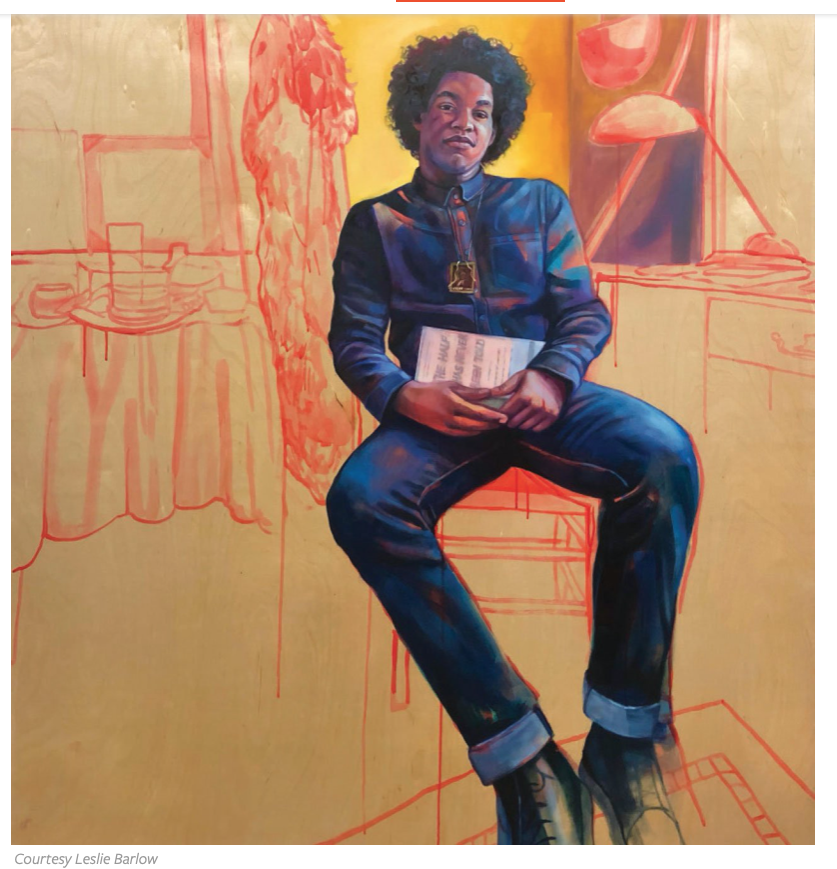
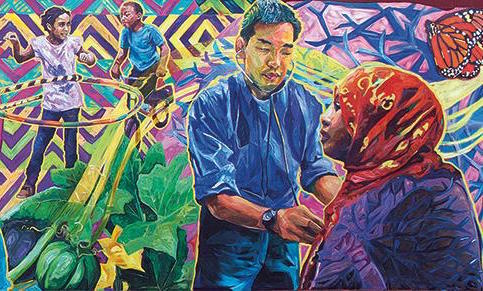
The Multicultural Art of Minnesota

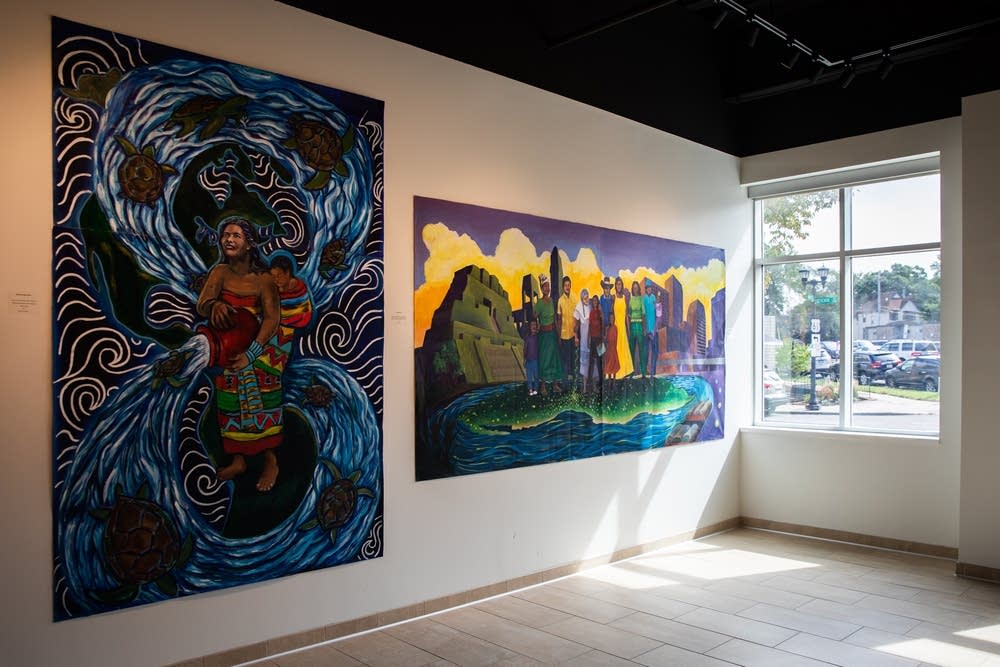
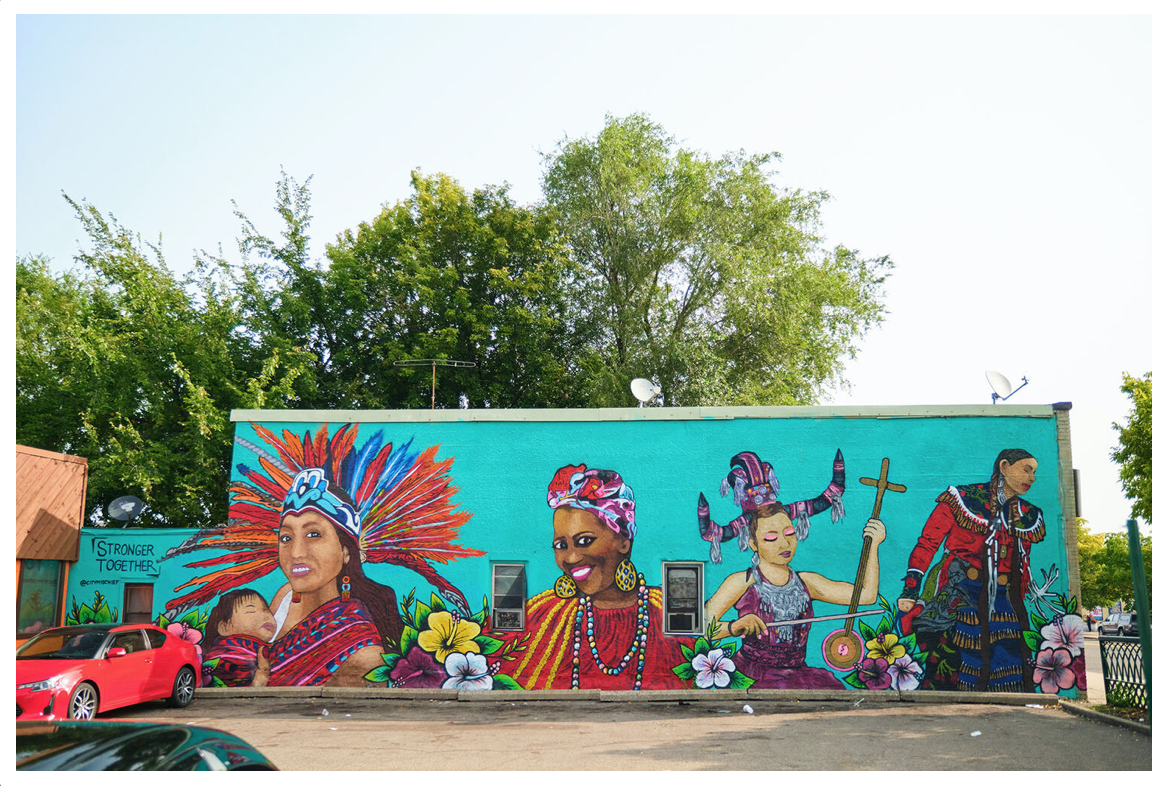
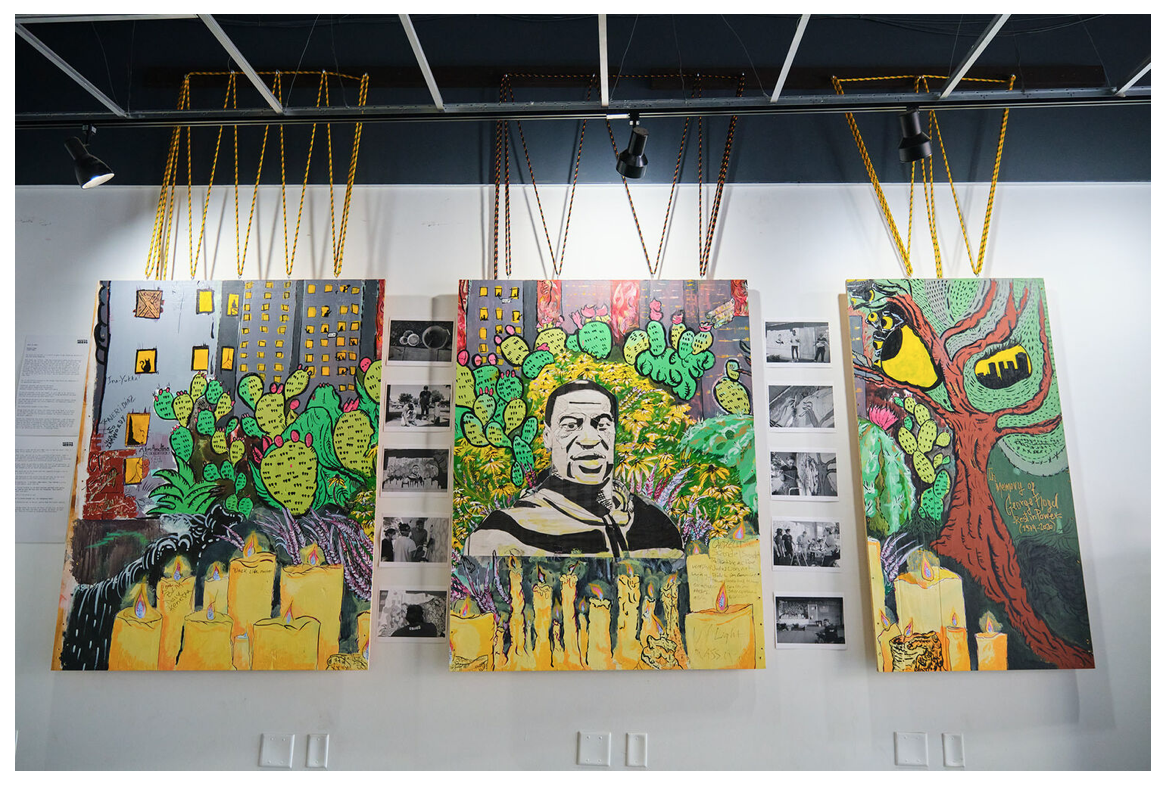
The twin cities is a culturally diverse place with an incredibly active art scene. Every year in the Twin Cities artists join forces creating incredible multicultural art. The Twin cities is also home to Somali, Vietnamese, Chinese, Korean, Japanese, Tibetan, African American, Mexican, German, Lebanese, Hmong, Thai, Cambodian, Indian ethnicities and more! The Twin Cities is certainly a cultural melting pot of ethnicities.

Over the last 30 years Minnesotas culture has been influenced by recent immigrants who brought their traditional arts, music, poetry, painting, and fabric works to Minnesota. These traditional crafts have fused with the existing cultural arts of Native Americans, African Americans and Europeans. This diverse and collaborative fusion has created a uniquely Minnesotan art culture that may be hard to find anywhere else in the entire world.

Minnesotas rich arts scene continues to embrace multicultural identities in many ways. Through the unique collaborations of artists sharing traditional knowledge a new form is born creating a new path of artistic expression. Minnesotas Art scene encompasses the modern, the avant garde as well as the traditional. With a robust energy, the art of Minnesota has left a landmark in American history.

Reference:https://www.mprnews.org/story/2021/09/17/culture-as-cure https://twin-cities.umn.edu/news-events/community-university-health-care-center-receives-national-award-only-center-its-kind https://mspmag.com/home-and-design/leslie-barlow/ https://www.spmcf.org/blog/art-in-this-moment-indigenous-roots

Sitar In Modern Music

Over 700 years old with a unique sound that highlights Indian music, the sitar has become Indias most popular musical instrument. There is a lot of debate over the origins of the sitar, however scholars believe that it may have originated from an ancient Persian instrument called setar. The sitar is popular in many forms of Indian music, from classics to folk songs and new age contemporary music. The instrument has been used in movies, commercials, in bands and has been explored even in the more avant garde world.

Here you can listen to sitar in Norah Jones song named Easy: https://www.youtube.com/watch?v=jguri1qOCY0

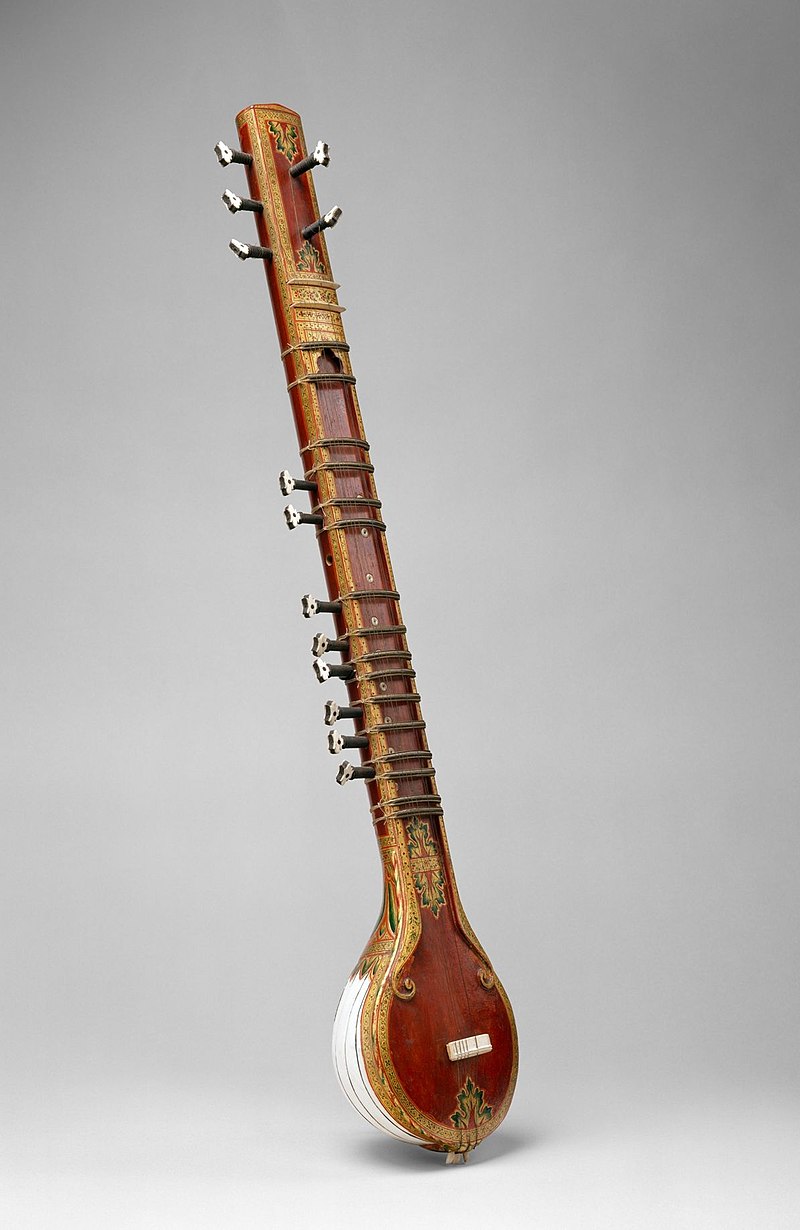
Here is as picture of a 19th century sitar:

A sitar can have 18 to as many as 21 strings, and several of those strings stretch over raised curved frets. The remaining strings are left to resonate with the strings that are being played. The sounds from these strings are used to set the mood for a raga. The frets are moveable and are used to fine tune the instrument. The wood that’s used to construct the sitar is typically teak, and the sound chamber is made from calabash gourd. The bridges are made of deer horn, ebony and sometimes camel bone, synthetic materials are also used.

Ravi Shankar and tabla player Alla Rakha brought the sounds of India to the west in the late 1950’s to early 1960’s. This introduction was the base for many more experimental musical collaborations with sitar and western instrumentation. The sitar was used in music with the legendary Beatles, and also the Rolling Stones featured sitar in their music. During this time elegant Indian sitar became very popular leading Ravi Shankar to name the trend “the great sitar explosion”. Now today, across the globe, many people are familiar with the beautiful serene sound of the sitar, even if they have never seen it in person.

Reference: https://en.wikipedia.org/wiki/Sitar

https://hellomusictheory.com/learn/facts-about-the-sitar/#:~:text=The%20Sitar%20Is%20Over%20700%20Years%20Old,-What%20is%20this&text=It%27s%20one%20of%20India%27s%20oldest,the%20guitar%2C%20and%20the%20violin.