DPS Video: Only One Choice

Screen shot 2015-12-10 at 1.37.23 PM

Screenshot

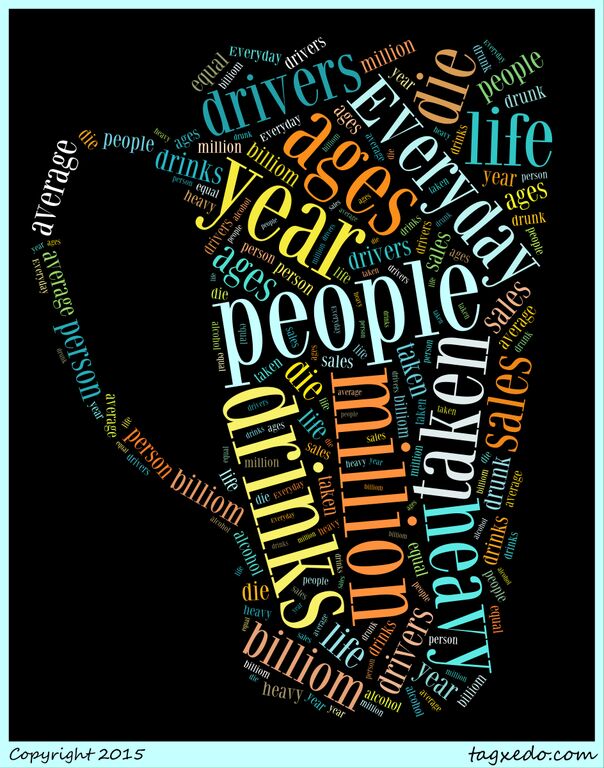
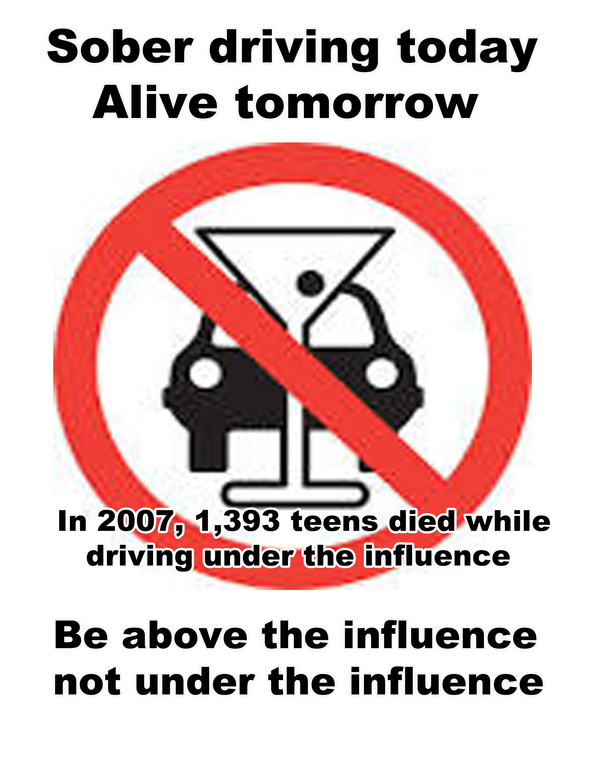
This holiday, make sure you are driving sober. For the safety of yourself and other people, it is recommended that you either stay sober or have a designated driver. It is important that safe driving is enforced, especially during the holidays as many people are going to different places.

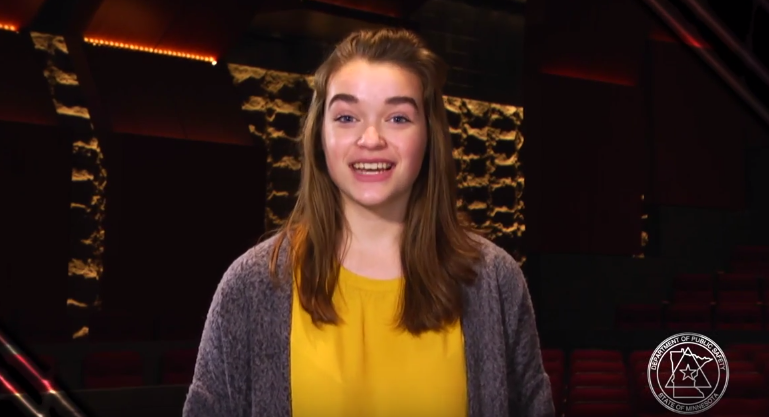
Students from Chanhassen High School and Chaska High School have an important message for parents during this holiday season. The video – “Only One Choice” -shows how parents can be a part of their kids’ lives — now and for years to come. Of course, it applies to everyone so that people are less likely to be harmed while driving on the roads.

Extra Enforcement Now on Minnesota Roads

The extra DWI enforcement campaign started November 25 and runs on weekends through January 2, 2016. The statewide enforcement involves police departments, sheriff’s offices and the State Patrol. The percentage of drunk-driving related deaths compared with total traffic fatalities is significantly higher for the Thanksgiving and Christmas holiday periods than other major holidays (2010 – 2014). During the first two weekends of the campaign, including the Thanksgiving holiday, law enforcement took 732 drunk drivers off Minnesota roads.

To prevent drunk driving:

  • Plan for a safe ride – designate a sober driver, use a cab/public transportation or stay at the location of the celebration.
  • Offer to be a designated driver, or be available to pick up a loved one anytime, anywhere.
  • Buckle up – the best defense against a drunk driver.
  • Report drunk driving – call 911 when witnessing impaired driving behavior. Be prepared to provide location, license plate number and observed dangerous behavior.

References belong to rightful owner.

November is National Diabetes Month

livingwithdiabetes_456v2px

It’s Your Life. Treat Your Diabetes Well.

http://www.cdc.gov/

“November is National Diabetes Month, and the City of Minneapolis wants to help prevent diabetes by encouraging people to get screened for Type 2 diabetes and then take action if they’re at risk for developing it.

The Minnesota Department of Health estimates that one out of three Minnesotans have prediabetes, but most of them don’t know it. People with prediabetes are likely to develop Type 2 diabetes within five years if they don’t take action.” – http://www.minneapolismn.gov/

The Minneapolis Health Department, with funding from the Minnesota Department of Health and the Centers for Disease Control and Prevention sponsors the prevention program for Minneapolis residents in four community clinics and one community organization.

Under the guidance of a trained coach over 16 weeks, participants learn healthy eating, physical activity, managing stress, staying motivated, and solving problems that can get in the way of making healthy changes.

New classes are forming now. For more information, people can go to www.minneapolismn.gov/health/living/diabetesor call a class provider directly:

  • Native American Community Clinic (Brian Joyce at 612-872-8086 x1041).
  • Hennepin County Medical Center (Pa Xiong at 612-873-6641).
  • Neighborhood HealthSource clinics (Julie Lor at 612-287-2447).
  • Stairstep Foundation (Sylvia Amos at 612-521-3110).

For more information about the National Diabetes Prevention Program, go to www.cdc.gov/diabetes/prevention/index.htm.  Credits belong to the rightful owner.
Nov 19: the Great American Smokeout

svcKw0nNG36ZGJT_-PuE0nxt41ultJIh8QtTKn12pZg

AMA STEPUP 2015

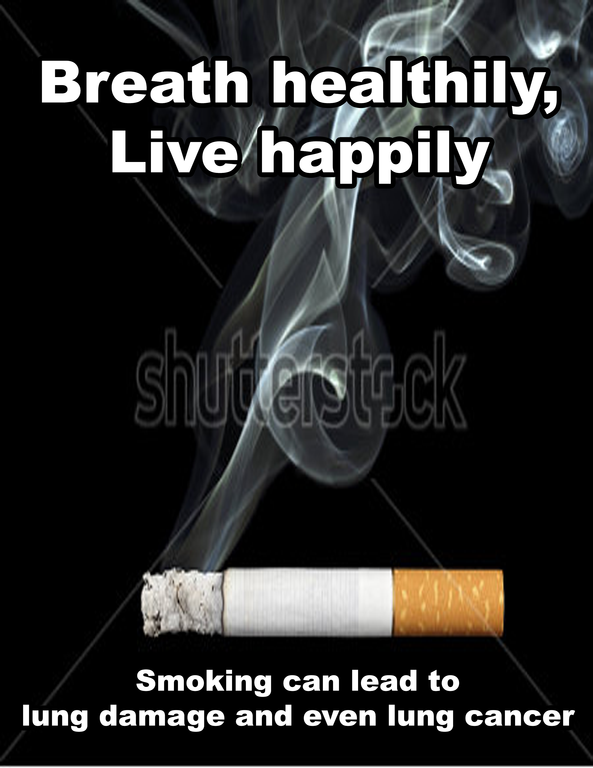
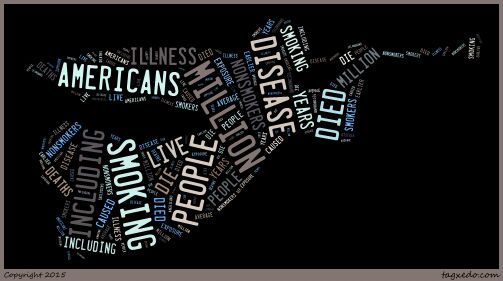
One problem that the U.S. and in other parts of the world still face today is the usage of tobacco. Tremendous research and data has proven that it can ruin your health. If you’re a smoker, take the steps now to live a healthier life. It is easier said than done as many smokers are addicted. But there is always help available for those who wants quit smoking.

“That’s where the American Cancer Society’s Great American Smokeout can help. This event takes place on November 19 and encourages smokers to quit or to use the day to make a quit plan. Free help is available at 1-800-QUIT-NOW (1-800-784-8669) and at 1-855-DÉJELO-YA (1-855-335-3569) (for Spanish speakers).

When you quit smoking during the Great American Smokeout, you have the support of many other people across the nation. And you’re taking an important step towards a healthier life.” – http://www.cdc.gov/

Five Ways to Get Ready to Quit Smoking

Quitting smoking can be hard, so a good plan can help you get past symptoms of withdrawal. Five steps can help.

  1. Set a quit date. Choose the Great American Smokeout or another quit day within the next 2 weeks.
  2. Tell your family and friends about your quit plan. Share your quit date with the important people in your life and ask for support. A daily phone call, e-mail, or text message can help you stay on course and provide moral support. Try SmokefreeTEXT for 24/7 help on your mobile phone.
  3. Be prepared for challenges. The urge to smoke is short—usually only 3 to 5 minutes. Surprised? Those moments can feel intense. Even one puff can feed a craving and make it stronger. Before your quit day, write down healthy ways to cope.
    • Drink water.
    • Take a walk or ride your bike.
    • Listen to a favorite song or play a game.
    • Call or text a friend.
  4. Remove cigarettes and other tobacco from your home, car, and workplace. Throw away your cigarettes, matches, lighters, and ashtrays. Clean and freshen your car, home, and workplace. Old cigarette odors can cause cravings.
  5. Talk to your pharmacist, doctor, or quitline coach about quit options. Nicotine patches, gum, or other approved quit medication can help with cravings.

Other benefits include:

  1. Financial savings! As you slowly quit, you’ll realized that all the side cashes that you usually spend on cigarettes can be spent on better things or put into your savings for future use.
  2. Health recovery and improvement! The sooner you quite smoking, the better condition your body will be in. Within 3 days, the nicotine in cigarettes are completely flushed out of your system. Within 1-9 months, your lungs, and other parts of your body will start to repair itself from the damage of smoking tobacco. Within 10 years, your chances of getting cancer decreases by 30%-50%!
  3. Having an environment with clear air! By being a non-smoker, you can help lessen the pollution that goes into the air. Also, you would be lessening the amount of trash that comes from leftover cigarette parts.

Credits and for more information is link here!

Walk to School Day, Oct 7th!

“International Walk to School Day is a global event that involves communities from more than 40 countries walking and biking to school on the same day. It began in 1997 as a one-day event. Over time, this event has become part of a movement for year-round safe routes to school and a celebration – with record breaking participation – each October. Today, thousands of schools across America – from all 50 states, the District of Columbia, and Puerto Rico – participate every October.” – http://walkbiketoschool.org/

WTSD_6inch_Color

www.walkbiketoschool.org

This event occurs each year and serves to remind everyone to live a healthier life. Walking can be exercise too if you do it enough! “Walking briskly for 2 hours and 30 minutes each week— easily broken up into 5, 30-minute walks—helps you meet the Physical Activity Guidelines and gain health benefits.” (http://www.cdc.gov/). If you don’t enjoy running or intense exercise, this is another option. Encourage your community to start walking more often by:

  • Walking with friends and family! It is a great way to spend time and exercise together.
  • Walking outside allows you to be part of the community because you are interacting with environment and people around you. The more people that are outside, the more it will encourage other people to come out.
  • Try to walk to your destinations as often as possible. If it’s close enough, take your time to walk there. Not only will it help you exercise, but help you save transportation money.

MN’s Obesity Rate Rises

KSIiqJDAwolFwGLVfV2gXWCN9LnvFsfmwvME3DxwNtEmStTiS_4YysUN6BaZHfv2Hw8gJA3eCCrkpcXudGRjtk-Sv5y_4onW6l81mihNLS1YisPIZCUpko_TTKorxMI24PYhnhQ5kVFna6vS84dXBW9smT9RmGJv52fd1OsYARIs

“MINNEAPOLIS (WCCO) — Obesity rates across the country are still high despite the billions of dollars being spent on programs aimed at lowering than number, according to a new report from the Centers for Disease Control.

Minnesota is one of only five states that saw an increase in adult obesity rates last year – just shy of 28 percent.

Despite the rise, Minnesota’s rate is the 15th lowest in the U.S.

Overall, more than two-thirds of U.S. adults are either overweight or obese.

The average American today is 24 pounds heavier than his or her counterpart in 1960.” – http://minnesota.cbslocal.com/

Obesity is a real health issue arising in Minnesota. Sometimes, it is about the choices of a unhealthy lifestyle that affects people’s. So what can we do as a community to lower the rates of obesity?

  • Encourage your family, friends, and community to exercise! Whether it’s a daily or once a week, it is much better for your health than not being physical at all.
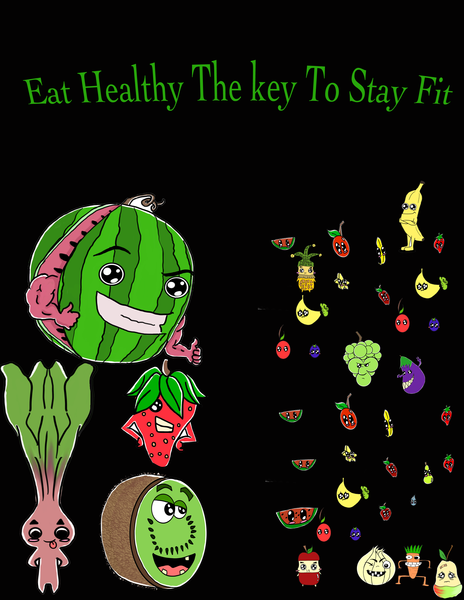
  • Buy groceries and foods from your local farmers and markets! There are actual organic and affordable food on the market. One just have to research a little bit to get information on where to get healthier food alternatives.
  • Stray away from fast food as much as possible. Although they’re cheap, fast, and easy to get, fast foods have more fat and sodium than you need on a daily basis. You can try to reduce the amount you eat fast food as you go on.
  • Join community marathons! These opportunities are a great way to exercise, support organizations, and meet new people. You will learn that there are many people out there who share the same cause as you do.
  • Living healthy is making smart choices! Being obese is a physical struggle and a mental challenge. Anyone can be healthier just by making healthier choices. It is always hard in the beginning, but once you make it a habit to life it won’t seem as difficult as before.

The Truth About Restaurant Food‏ & Eating Out Tips

QLZ72ua6tLXMXVZ8MVtr-dXnHe-sbpwUe0ajIk4w6ospwR34fBiKJRutiRJdndo8cxhsyRahxn1eDto5OPJQ1E_QfFO2wPNtLpzYpu9n4Ax2mvyKLaqD8GHYXY8yvHEBo

AMA’s STEP UP Youth 2015

Eating out can be a fun and social activity thing to do. But of course, it is not always healthy and cheap to eat out. Be aware that restaurant food can be just as unhealthy as fast food. Here are some reasons why:

  • Dishes can contain up to the same or more amount of salt, fat, and calories like fast food. Think about the total intake that comes from the appetizers, main dish, and side dishes.
  • Sometimes, it’s best to skip out on appetizers. Often time, people can’t finish their main course because they’re already full from the appetizers.
  • Are the food cleaner? This can vary from restaurants to restaurants. If you’re interested where the restaurants you eat at source their foods from, you can always ask the owner or do your own research.
  • Try not to order anything to drink besides water. Water is your body’s best friend and is an essential part of your diet. It’s free and keeps you hydrated.
  • Big plates equals big servings. Psychologically, when you have a big plate you feel like you need to fill it up with food. It relates to the old saying “your eyes can eat more than your stomach”. So it’s wise to portion your food and not over eat.

National Childhood Obesity Awareness Month and Fruits & Veggies

“One in 3 children in the United States is overweight or obese. Childhood obesity puts kids at risk for health problems that were once seen only in adults, like type 2 diabetes, high blood pressure, and heart disease.” – http://healthfinder.gov/
Post13Blog3
Children obesity is a real problem and still exist. There are reasons why obesity is still common in the U.S. Such as organic and healthy food tend to be more expensive so lower income families tend to buy lower quality food. Fast food and high calorie snacks are very cheap to buy and widely available everywhere. And many people are still not informed or knowledgeable on how food can affect their health. As much as it is a financial and informative issue, it is also a mental struggle. People have to change the way they think about food within themselves, their family, their friends, and so on.
But no worries, obesity can be prevented! September is the National Childhood Obesity Awareness Month and organizations hope to spread the word of helping others! Here are so helpful resources that you can use and please share with others on social media:
National Childhood Obesity Awareness Month
Fruits and Veggies – More Matters Month

STEP UP Youth 2015 Postcards

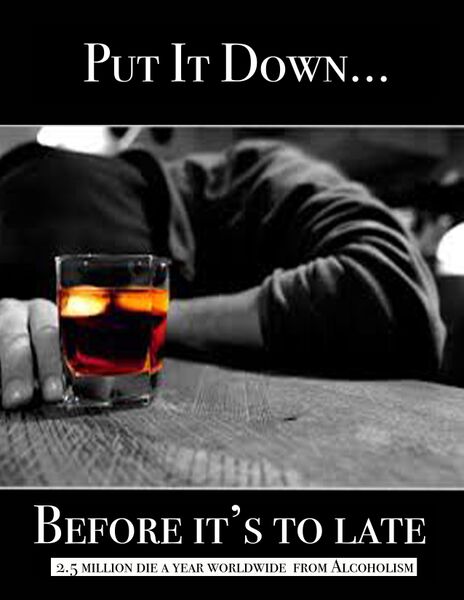
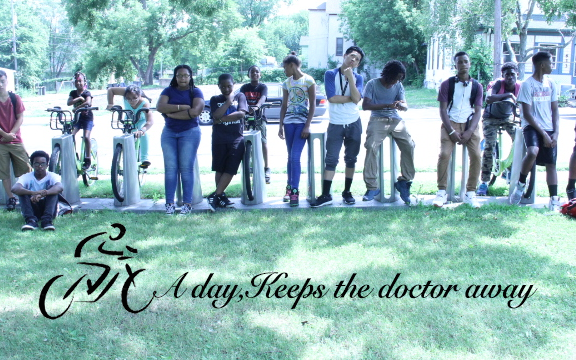
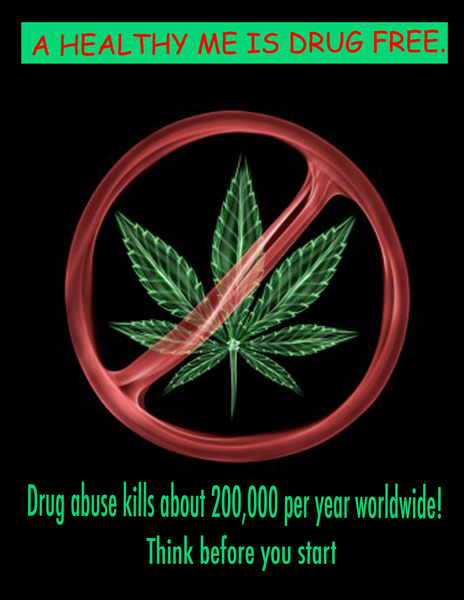
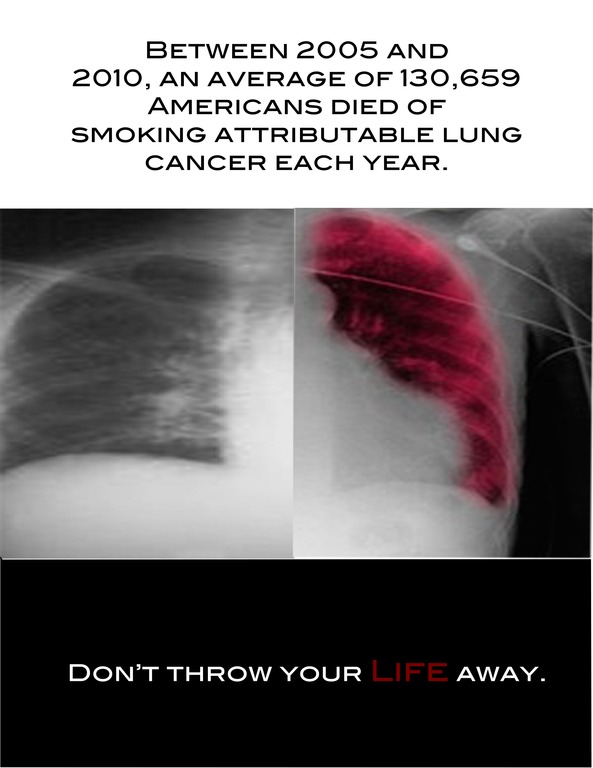
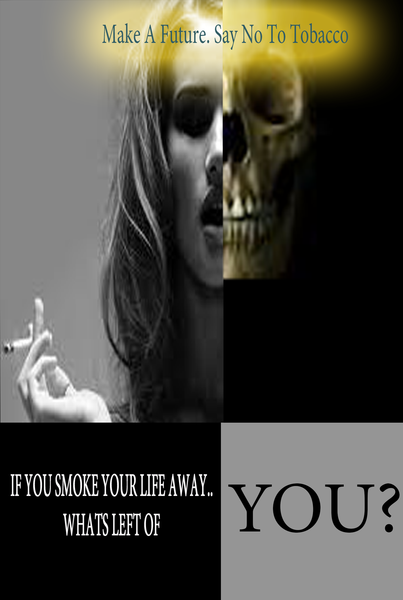
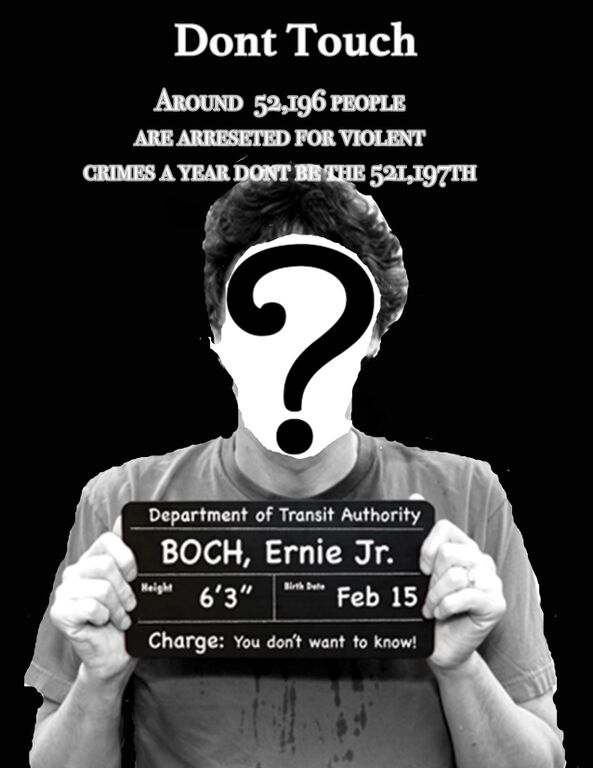
STEP UP youth made an amazing collection of postcards this summer. Topics range from anti-tobacco to domestic abuse and more. We hope to promote bi-culturalism and positive messages to the community. Please check them out down below. Share this post with your friends and family!

 0CtiRKD4NCqcTxTVx7AtgHm4kKQVqraG3OAp5dAWTFQ,4uEawT6JSA-DQzZdg3NsECzwgAv1RqaVTAWNe8uksXA,ixL82f4BILyl8eh8Py5K20vGJGazPGVE7yaYawg-N3w,lx8tvVycl4tmrR7Yc5BczbVusB018xjrH8Qs96LfmpU_MRj9iy-rnGQLizEDyVZ1JGogsB8YWPu4g9XTNbPUKQBJiOQPQw5UcDjhVnO2djvRj_zp9suTOsgTW69_53hJQ,B0p-oS_ElV_cKulEjFr-h1KXiWtXJP1jy7e6tbLpLlY,GQBY-rAuxTG3KDbQhZiWWex-QoJHRt0Ll1ZkZS0VmS8,O7r1Zj_eRdHxE9AglYuU9wQk5kCVvfHX1pHeHk3bxtoy5ZwRgHS46P8YCodifuaIHRtt5mIyq0wxFBhmpjW3Ro (1)b-kpW5GdYj4ltN-ow9Dxjjvb6SjrnzLlqXMWXFY0WK8WzIVOQy8tXWE_Gu500IbnPOZXLfwYRAEAfvwkMETO_g,C5lQ6ZHPW3LdZVUV2xhetHSMusXAbLlFq0yKwELvyaU,jgP__R7JXx-JKKAjVBiu4GdNbK8Kdy8358NxTGEVr5A,ENPd5dWyaN-1NPsojTbwatXiYnn2-0agA2ha9_XBGt4vrv7YAsdY17KdjTPEXBn7n8k6HXyYDRhujT3FiyD6Lk,KJ3KjHMc0n5UJTRyKUe3PC9jz_vcFvA7YEtqRpoqS8I,FwaKcS-udZuvplNLdgj56XYf2_d5tNW01XkiwlzPU50,NGRBPLvKe4QnC9hQb7hvO3iVrObR6w3itvSrRtCzfic

ISUiasjWHaJZhrCCz9a91RaPiCyimGtgXcUX6gUMaVY

4Wm7cHzhrtXKC9BoC5wPmtW88uXIxJIlfO2RN0-sqsA

g7viCr3KpKHezPcdncl9nzHp7dkEm8_M-dq68oFz2mY,-mMKXZz3LLREX6cA0SOZvQANINMuJI0hZLXwHr2wfrw

uVKTfM--IKddzEoaZ6asU0GFfvUYhpnXKFf4xYwcLlgthbq7d-CowScykUeDMVxui-4V3wS3N3njgxxh1IDqz0 (1)aZxWEqrEPWz9b8OPyxPrJqSpY3nncznD70-TUxA2rfM

KSIiqJDAwolFwGLVfV2gXWCN9LnvFsfmwvME3DxwNtE,mStTiS_4YysUN6BaZHfv2Hw8gJA3eCCrkpcXudGRjtk,-Sv5y_4onW6l81mihNLS1YisPIZCUpko_TTKorxMI24,PYhnhQ5kVFna6vS84dXBW9smT9RmGJv52fd1OsYARIs 66-_x95fB5eKvyOrM91RaREVm1dYhjlFfJJNp4Mas-M

Iw_cTicvcsR5hXOfLQIz3Ewsq0bzIJKV02CLoGwP4TY,-ZMKqYxbVeiaUBG0uby90rBIYI-kCBrBNNEzvaT76f8

RjcFZzeU7zIpmN99sqatFsIBiRJBFuwYDFciClS5SK0QLZ72ua6tLXMXVZ8MVtr-dXnHe-sbpwUe0ajIk4w6os,pwR34fBiKJRutiRJdndo8cxhsyRahxn1eDto5OPJQ1E,_QfFO2wPNtLpzYpu9n4Ax2mvyKLaqD8GHYXY8yvHEBoqIo_CCeCV_GpRhSPb1Bfp1BYpYbsggG6c2wa7opqGYo,Mu_ZqpwdEMO7g-FKXvg1w2-wfccy3zsoaMiPInU1nFk,2Zc2Em_LmNEnfAddJYD5gl6NjFaXDfaUjIyTuuT1qi0,Uk_q-36E77jG0JSRMdgMD_EdKIr2ubqZT7TP8AbBSVM

Go Back to School Tobacco-free!‏

image001

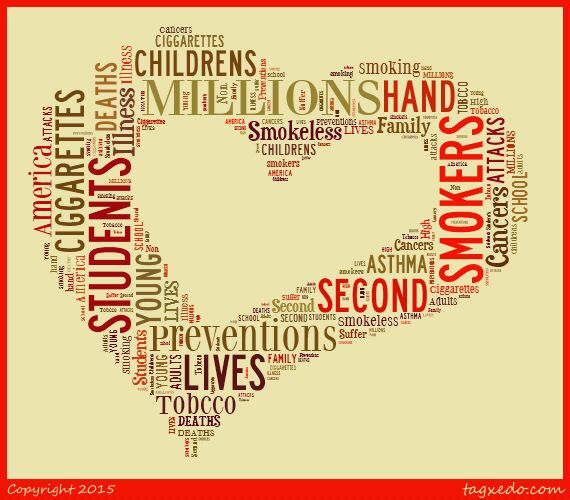
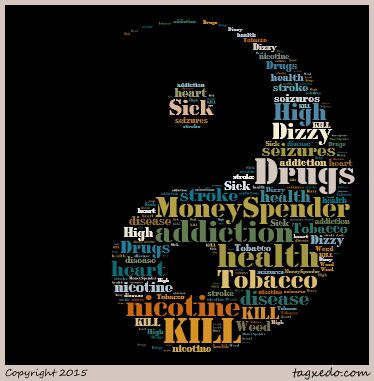
Let’s go back to school with a positive mindset on living healthy! One thing to encourage your peers and friends is to be tobacco-free. Although statistics shows that tobacco use is gradually decreasing, many are still at risk.

Use some of these tips to support this cause:

  • Set yourself or others to be a good role model. It can help change people’s perspective that tobacco usage is not cool or good for your body.
  • Say no to tobacco! Don’t let peer pressure get to you or to your friends! Only do what you want to and not what others say to you.
  • Quitting it sooner is better than never! If you are currently using tobacco or know someone who is, try to convince yourself/them to stop. Extensive research has show that by using tobacco it can cause diseases like lung cancer, breathing problems, stroke, and more.

Here are some quick facts to help you learn more about being tobacco:

  • From 2011 to 2014, current cigarette smoking declined among middle and high school students.4,5
  • Nearly 3 of every 100 middle school students (2.5%) reported in 2014 that they smoked cigarettes in the past 30 days—a decrease from 4.3% in 2011.
  • In 2014, more than 12 of every 100 high school students (12.7%) and approximately 3 of every 100 middle school students (3.1%) reported use of two or more tobacco products in the past 30 days.4
  • In 2014, nearly 25 of every 100 high school students (24.6%) and nearly 8 of every 100 middle school students (7.7%) used some type of tobacco product.4

image004

image003

Credits to www.cdc.gov

Free Entrance Days in the National Parks

America’s Best Idea—the national parks—is even better when it’s free! Mark your calendar for these entrance fee–free* dates in 2015:
BAND_flickr_Hikers-get-inspiring-views-along-the-Cerro-Grande-Trail_1
NPS photo
*Fee waiver includes: entrance fees, commercial tour fees, and transportation entrance fees. Other fees such as reservation, camping, tours, concession and fees collected by third parties are not included unless stated otherwise.


Hikers on the Cerro Grande Trail at Bandelier National Monument.

  • August 25
    National Park Service Birthday
  • September 26
    National Public Lands Day
  • November 11
    Veterans Day
Only 127 of our country’s 408 national parks usually charge an entrance fee. So start planning your visit!
 
For sure to visit Minneapolis very own – The Mississippi National River and Recreation Area offers a multitude of activities to keep you busy during the summer season. Listed below are a few of our featured summer activities. Make sure to check ourCalendar for upcoming park and partner programs.

If you have specific activity questions, contact the Mississippi River Visitor Center at (651) 293-0200. We also offer programs to organized groups such as community centers and summer school groups.

Programs and Activities

Coldwater Spring 2nd Saturdays

From June through October, come explore Coldwater Spring with park rangers and volunteers. Free. Drop-in activities.

 
Fish with a Ranger
Want to learn more about fishing? Brush up on fishing skills? Want to teach your kids how to fish? Then join us on one of our public fishing events.
 
Bike with a Ranger
Join ranger-led bike rides along the Mississippi River this summer. Rides include stops along the way to learn about the history, culture and natural features of the river.
Other Ideas
Don’t forget to check our Calendar for other fun educational or recreational programming.
Credits belong to rightful owner.