MN’s Obesity Rate Rises

KSIiqJDAwolFwGLVfV2gXWCN9LnvFsfmwvME3DxwNtEmStTiS_4YysUN6BaZHfv2Hw8gJA3eCCrkpcXudGRjtk-Sv5y_4onW6l81mihNLS1YisPIZCUpko_TTKorxMI24PYhnhQ5kVFna6vS84dXBW9smT9RmGJv52fd1OsYARIs

“MINNEAPOLIS (WCCO) — Obesity rates across the country are still high despite the billions of dollars being spent on programs aimed at lowering than number, according to a new report from the Centers for Disease Control.

Minnesota is one of only five states that saw an increase in adult obesity rates last year – just shy of 28 percent.

Despite the rise, Minnesota’s rate is the 15th lowest in the U.S.

Overall, more than two-thirds of U.S. adults are either overweight or obese.

The average American today is 24 pounds heavier than his or her counterpart in 1960.” – http://minnesota.cbslocal.com/

Obesity is a real health issue arising in Minnesota. Sometimes, it is about the choices of a unhealthy lifestyle that affects people’s. So what can we do as a community to lower the rates of obesity?

  • Encourage your family, friends, and community to exercise! Whether it’s a daily or once a week, it is much better for your health than not being physical at all.
  • Buy groceries and foods from your local farmers and markets! There are actual organic and affordable food on the market. One just have to research a little bit to get information on where to get healthier food alternatives.
  • Stray away from fast food as much as possible. Although they’re cheap, fast, and easy to get, fast foods have more fat and sodium than you need on a daily basis. You can try to reduce the amount you eat fast food as you go on.
  • Join community marathons! These opportunities are a great way to exercise, support organizations, and meet new people. You will learn that there are many people out there who share the same cause as you do.
  • Living healthy is making smart choices! Being obese is a physical struggle and a mental challenge. Anyone can be healthier just by making healthier choices. It is always hard in the beginning, but once you make it a habit to life it won’t seem as difficult as before.

The Truth About Restaurant Food‏ & Eating Out Tips

QLZ72ua6tLXMXVZ8MVtr-dXnHe-sbpwUe0ajIk4w6ospwR34fBiKJRutiRJdndo8cxhsyRahxn1eDto5OPJQ1E_QfFO2wPNtLpzYpu9n4Ax2mvyKLaqD8GHYXY8yvHEBo

AMA’s STEP UP Youth 2015

Eating out can be a fun and social activity thing to do. But of course, it is not always healthy and cheap to eat out. Be aware that restaurant food can be just as unhealthy as fast food. Here are some reasons why:

  • Dishes can contain up to the same or more amount of salt, fat, and calories like fast food. Think about the total intake that comes from the appetizers, main dish, and side dishes.
  • Sometimes, it’s best to skip out on appetizers. Often time, people can’t finish their main course because they’re already full from the appetizers.
  • Are the food cleaner? This can vary from restaurants to restaurants. If you’re interested where the restaurants you eat at source their foods from, you can always ask the owner or do your own research.
  • Try not to order anything to drink besides water. Water is your body’s best friend and is an essential part of your diet. It’s free and keeps you hydrated.
  • Big plates equals big servings. Psychologically, when you have a big plate you feel like you need to fill it up with food. It relates to the old saying “your eyes can eat more than your stomach”. So it’s wise to portion your food and not over eat.

National Childhood Obesity Awareness Month and Fruits & Veggies

“One in 3 children in the United States is overweight or obese. Childhood obesity puts kids at risk for health problems that were once seen only in adults, like type 2 diabetes, high blood pressure, and heart disease.” – http://healthfinder.gov/
Post13Blog3
Children obesity is a real problem and still exist. There are reasons why obesity is still common in the U.S. Such as organic and healthy food tend to be more expensive so lower income families tend to buy lower quality food. Fast food and high calorie snacks are very cheap to buy and widely available everywhere. And many people are still not informed or knowledgeable on how food can affect their health. As much as it is a financial and informative issue, it is also a mental struggle. People have to change the way they think about food within themselves, their family, their friends, and so on.
But no worries, obesity can be prevented! September is the National Childhood Obesity Awareness Month and organizations hope to spread the word of helping others! Here are so helpful resources that you can use and please share with others on social media:
National Childhood Obesity Awareness Month
Fruits and Veggies – More Matters Month

Edible Lotus?

11051741_10206806208461111_3922905837484592091_n

by Tanya Zhu

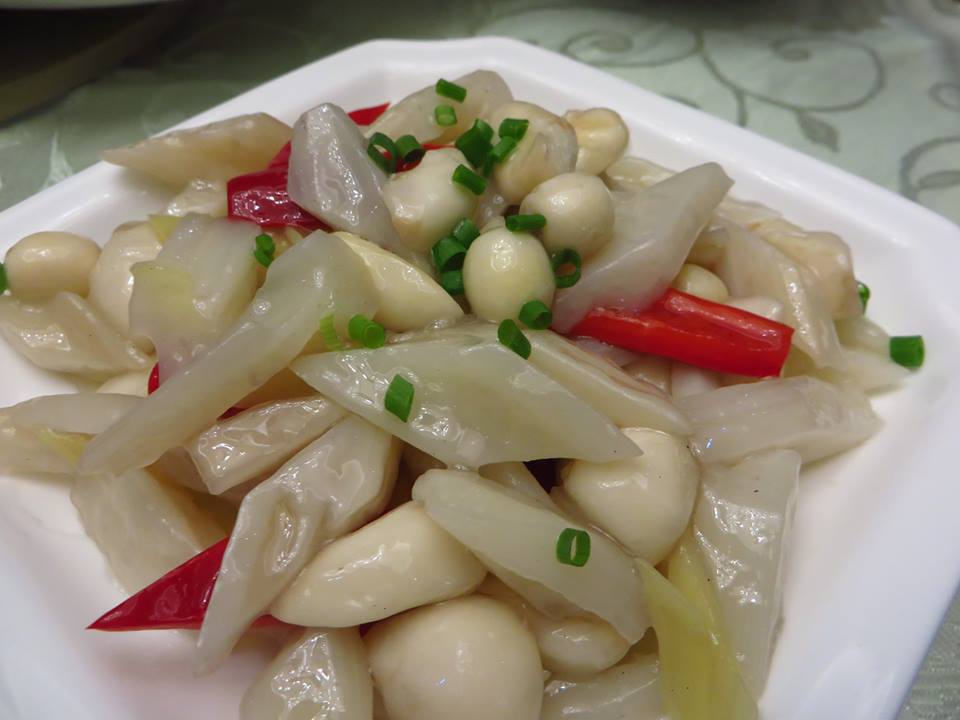
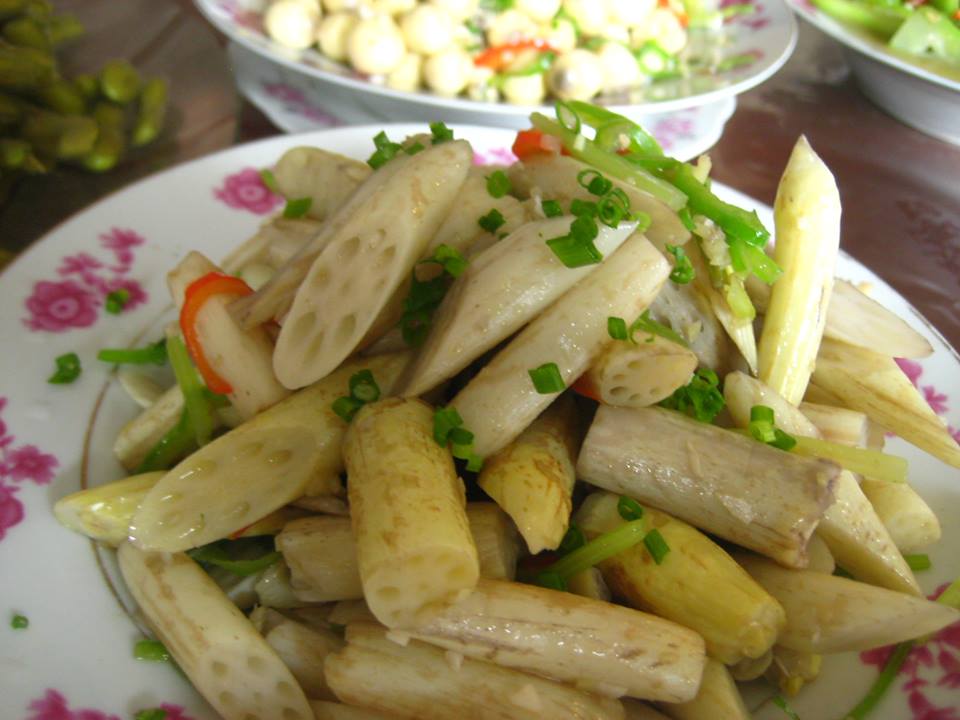
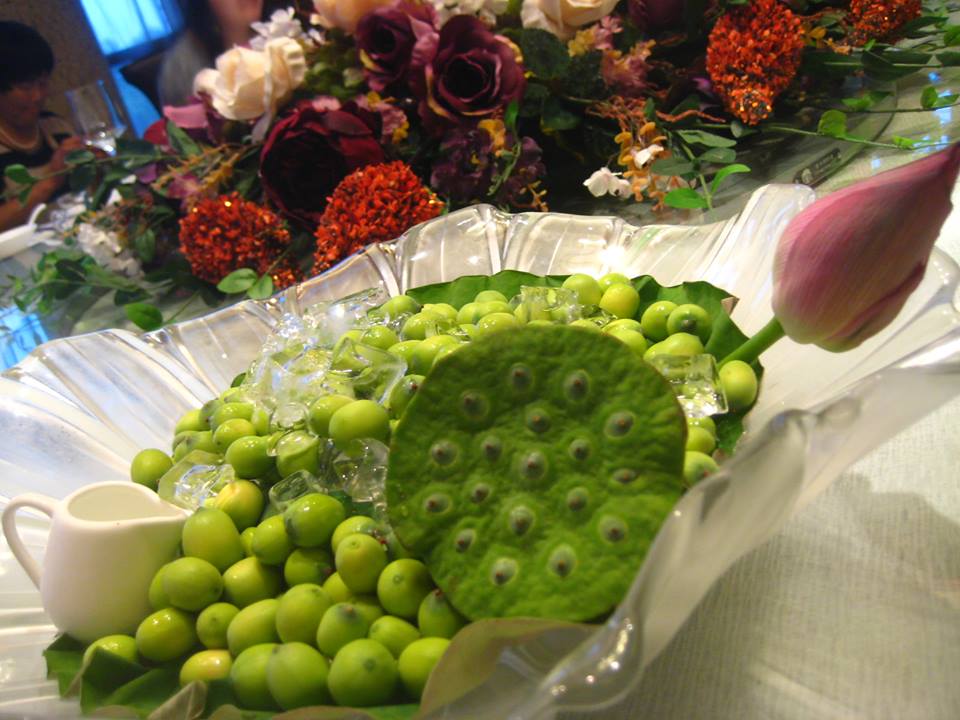
The lotus is an amazingly delicious plant. Aside from the medicinal uses of the lotus plant, the entire plant is edible. After the flower blooms, the golden seed pod turns a vibrant green, which grows larger as the seeds fatten. Eating fresh lotus seeds from a newly picked pod is heaven on earth. The seed germ has not yet developed its signature bitter taste, so you can pop the whole thing in your mouth. The stem of the lotus can be sauteed, as can the lotus root. The root and seeds are the most commonly used parts, but the lotus leaf is great for eating (with scrambled eggs) or wrapping (zong zi!) or as a tea, while the flower can also be lightly battered and fried (not unlike elephant ears). Yum.

11141219_10206806186580564_7177724110967514628_n

11403010_10206806183100477_1294888776554573142_n

11755917_10206806211101177_5425234368581936760_n

5 Insane Facts About How America Has Gotten Bigger

If you look at the data the general philosophy in the United States seems to be “bigger is better.”  And over the past several decades, Americans have supersized our sodas, our refrigerators, our big-box retailers and ourselves — even our feet have gotten larger.

Here’s a look at a few of the most startling things that have grown in size in the U.S. over the past few decades:

1. Our portion sizes

cdc-new-abnormal-infographic

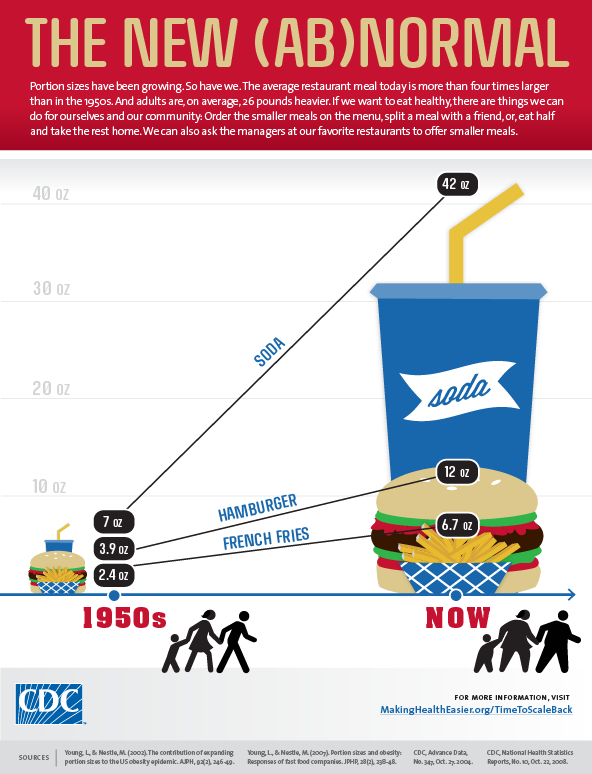
You probably know that portions in the U.S. have been getting bigger — but do you know by how much?

When McDonalds first partnered with Coca-Cola in 1955, the only size of a beverage available was 7 ounces. By 1999, McDonald’s had introduced a drink that was literally six times as large as that — the 42 ounce Super-Size. Today, the largest size that McDonald’s serves in the U.S. is 30 ounces, though many people still get refills.

A similar trend has been at work with our french fries, hamburgers and restaurant meals in general. The Centers for Disease Control and Prevention says that the average restaurant meal today is four times larger than it was in the 1950s. As the graphic below from the CDC shows, the size of the average soda, hamburger and french fries portion has grown substantially since the 1950s.

2. Our chickens

imrs

To meet our insatiable demand for white meat, America has begun super-sizing its chickens. As my colleague Roberto Ferdman writes, Americans now eat 80 pounds of chicken per person per year, and we’ve begun breeding bigger and breastier chickens as a result.

According to a study published last fall, the most commonly raised type of chicken in 1957 weighed only about two pounds when it was 56 days old. Today, the most commonly bred type of chicken weighs nine pounds at the same age.

3. Ourselves

Screen Shot 2015-07-23 at 3.25.16 PM

With the size of our food getting so much bigger, it follows pretty naturally that Americans themselves are getting larger.

As my colleague Chris Ingraham has noted, the average American woman today weighs 166.2 pounds, which is almost exactly as much as the average American man weighed about 50 years ago. The average weight of an American woman rose 18.5 percent in that period, from 140 pounds in 1960.

Men aren’t doing much better. Their average weight has risen 17.6 percent in the same time period to 195.5 pounds today. To make the same comparison, an American man today weighs almost as much as 1.5 American women from the 1960s.

4. Our cars

Screen Shot 2015-07-23 at 3.25.29 PM

Screen Shot 2015-07-23 at 3.25.32 PM

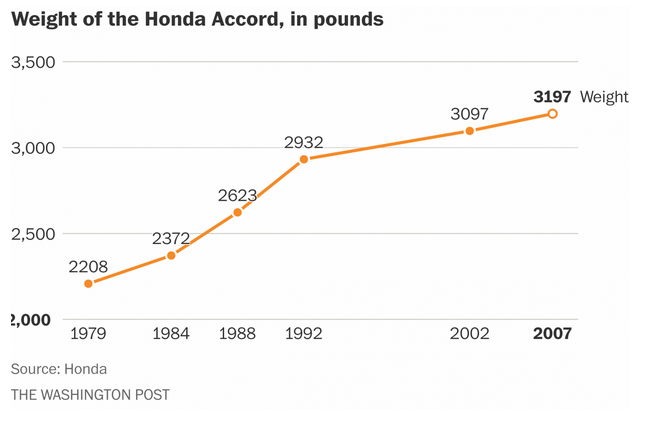
Compared with the gas guzzlers of 1950s, many cars have actually shrunk as time has gone on. Since the energy crisis of the 1970s, however, cheaper fuel prices and expanding waistlines have both encouraged cars and SUVs to once again get bigger.

5. Our houses

Screen Shot 2015-07-23 at 3.25.25 PM

New homes in the U.S. today are about 1,000 square feet larger than they were in 1973, and the living space available per person has doubled over the last 40 years, Mark Perry of the American Enterprise Institute writes, citing data released by the Census Bureau last year.

The average house size in America fell slightly during the Great Recession, but it has once again strongly trended upward in recent years.

Credits to original author link.

10 Things You Need to Know About the Asian Diet

Post10Blog3

The main focus of the Asian diet is to create wellness. This I believe is the best medicine. By practicing these diet habits you will see improvement in your overall health. We all know:

“Health is not simply the absence of sickness.” — Hannah Green

This top 10 list serves up healthier habits, better nutrition and enhanced immune function. This top 10 list has been perfected and practiced for centuries.

To paraphrase Sun Simiao, the great Chinese physician in the sixth century, one wastes the skill of a great physician if one does not first consider the food he or she are eating. This is still true today. Consider also when you eat and how you eat as you read these 10 Asian diet habits.

#1. Limit Drinks, Especially Cold Drinks With Meals

Americans have a bad habit of drinking a cold glass of water or soda with meals. Changing this habit alone will create better digestion of food. Limit fluid intake with your meals and you will stop diluting your digestive enzymes which are so important for proper digestion. Green tea or other hot teas before a meal supports enzymatic activity and helps enhance your digestive abilities. It’s best to add liquids 30 minutes before or after meals, not during.

#2. Have Soup Often

Soup is a nutrient dense food and fills you up quickly. You don’t need much, just a half cup is beneficial. Most Asian soups are made with bones and/or combinations of vegetables so you’re getting lots of vitamins and minerals even with a small portion. Whether it is bone broth soup, vegetable or miso, soups are rich in vitamins and minerals and easily absorbed. Secondly, but equally important is that the warm temperature of soup (like tea) can improve the entire digestive process.

#3. Eat a 3:1 Ratio Vegetables to Meat

3:1 means three times the amount of vegetables to the amount of meat. The meat and potato American diet does not make much room for vegetables on the plate. In fact, the favorite American vegetable, potatoes, (i.e., French fries) should be replaced with sweet potatoes if you absolutely can’t live without that starch. Better still, consider vegetables with bitter flavors. Give radishes, radicchio and bitter melon a spot on your plate.

#4. Small Plates and Chopsticks

Small serving bowls and small plates are a great way to eat smaller portions. I love to mix up attractive small plates and bowls in different shapes and sizes. Not only is it aesthetically pleasing to eat from these but it helps you eat smaller portions. Chopsticks are an easy way to avoid the shovel techniques of eating. For the average American inexperienced chopstick user, they are guaranteed to slow down your rate of consumption and give your stomach time to send the message to your brain that you’re full and it’s time to stop eating.

#5. Rice Combining

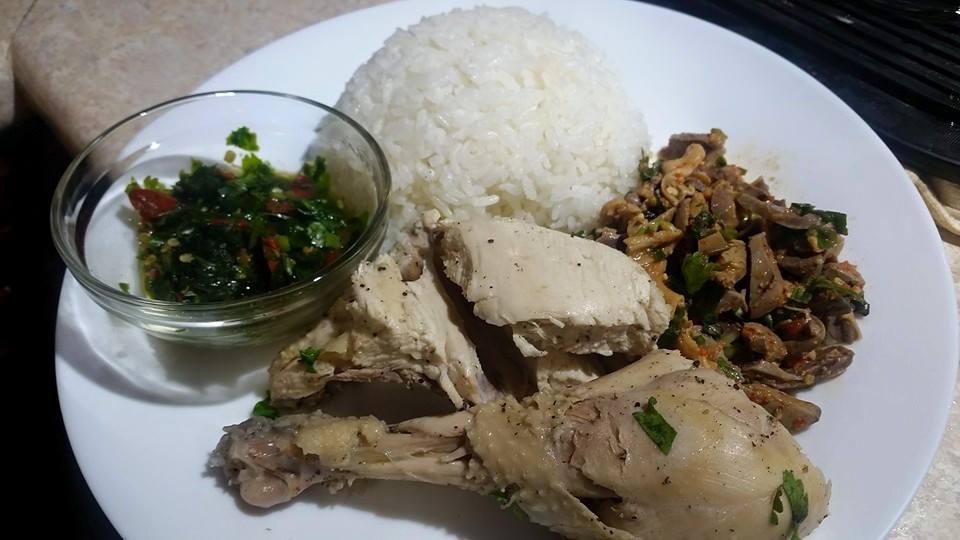
Rice combinations like black, brown, red, or even purple rice are nutritionally denser than white or brown alone. (The best is unpolished/less processed rice, because it is rich in B vitamins.) Rice is eaten to supplement the meal in Asia, not a main course. Rice has always been a popular carbohydrate, cheap to grow and easy to transport and store. But as a carbohydrate it is converted into sugar during the digestive process. This means it can cause a dramatic effect in our glycemic index. This is good for fast energy, but bad if you want to avoid blood sugar fluctuations and bad for those who are diabetic or pre-diabetic. Rice combinations are less starchy therefore less sugar conversion and lower in calories.

#6. Not Every Night Is Dessert Night

My kids will tell you from the time they were very little if they asked about dessert, my standard answer was “tonight is not dessert night.” Admittedly, this didn’t work so well past the age of 7, but it’s still a great rule of thumb. If you must have dessert make it fruit. Fruit is nutritious and delicious and a common Asian dessert. Cut and serve it up in a fun and interesting way to make it that much more exciting. Sugary cakes, cookies and ice cream can be for special celebrations only.

#7. Seafood — See Food Differently

No need to repeat what we already know. Research supports this common Asian diet practice of eating fish daily. We’ve heard all about the healthy oils from fish. Fish has always been part of man’s diet nearly everywhere in the world, not just Asia. But the Asian culture has kept this part of their heritage alive better than most.

#8. Asian Snacks are Healthier

Take a look at what Asians eat for snacks and compare it with the American chips and cookies and you’ll understand part of the reason Americans are so overweight and Asians are not. Choose seaweed snacks, nuts, dried fruit and seeds. I love pumpkin and sunflower seeds. All are easy to find in nearly every market. These healthy snacks are packed full of micro-nutrients, vitamins and minerals and the choices are limitless. One caveat, do watch out for the salt content of nuts. Raw is preferred but admittedly not as tasty as salted. If you really want the salt, try “lightly salted” versions.

#9. Optimize Food Temperatures With Seasons 

Energetic temperatures of foods should not be overlooked. Eat warming foods in cold weather and cooling foods in hot weather. This common-sense rule of thumb is barely spoken in Asia because it’s simply practiced. Cold drinks and cold foods such celery, melons and cold salads are not eaten in the middle of winter. Hot soups and stews with meat are preferred because this is what the body needs in cold weather. A hot summer day is the perfect time for watermelon or a cooling drink made with aloe and cucumber. Every food has an energetic temperature and acts on the body accordingly. Eating the right temperature foods during the various season of the year is an important part of a healthy diet.

#10. Avoid Cow’s Milk and Milk Combining

Milk combines horribly with just about everything, while supplying vastly too much calcium and not enough magnesium. Cow’s milk is completely absent in Asian diets. Other cultures such as Jewish kosher rules recognized thousands of years ago that milk products should be eaten apart from other foods. If you just can’t give up cow’s milk, at the very least don’t ignore the tenet of food combining. Combining the wrong foods, i.e., dairy, slows down gut motility to a snail’s pace, the exact opposite of what is best for healthy digestion. Replacements for cow’s milk are easier than ever today with the arrival of convenient cartons of almond, coconut, rice or organic soy milk.

That’s 10, but if you would like just one more Asian diet tip there is one that the previous 10 helped create. #11 is regular bowel movements. Healthy eating and good digestion create healthy bowel movements and a healthy gut is a clean gut. Although often not talked about in the S.A.D. Standard American Diet, a minimum of one bowel movement a day is an absolute necessity. So much of our immune system is dependent on our gut health and this is one reason proper digestion is key to optimizing our health and wellness. This is our body’s natural detox method and the last on this list of Asian diet tips.

Original article link here.

reTHINK Your Drink

“In an effort to get people and places to choose healthier beverages, the Minneapolis Health eDepartment has launched the reTHINK campaign. The new campaign aims to help people to understand how beverages make up a significant part of their diet, and what people drink can either positively or negatively impact their mind and body. Experts have identified sugary drinks as the single largest contributor of calories and added sugars to the U.S. diet.” – http://www.cdc.gov/

Sweeteners that add calories to a beverage go by many different names and are not always obvious to anyone looking at the ingredients list. Some common caloric sweeteners are listed below. If these appear in the ingredients list of your favorite beverage, you are drinking a sugar-sweetened beverage.

  • High-fructose corn syrup
  • Fructose
  • Fruit juice concentrates
  • Honey
  • Sugar
  • Syrup
  • Corn syrup
  • Sucrose
  • Dextrose

Here are some tips to find what is in your drinks:

  • Look at the nutritional facts that are usually on the side or back of the products. It gives information on how much a product contain sugar, sodium, and calories, etc. Make sure that you are aware of how much you consume throughout the day whether it is foods or drinks. You don’t want to exceed your daily calorie intake or waste it on unhealthy food.
  • Drink water instead of sugary and carbonated drinks. There are many benefits to drinking water. Water helps your body flush out waste, keep your body hydrated, maintain bowel movements, and more. It doesn’t have any calories and can help you lose weight. Don’t substitute water with anything, drink water!
  • When ordering drinks, go for less! Less is more and more satisfying. Whether it’s ordering smoothies, coffees, shakes, etc., get it in small, if possible kid size. If you get it in a smaller size, you won’t feel as bad eating it, you’ll save money, and won’t have the urge to finish the entire drink especially if it’s in a large size.
  • Sodium intake is another thing to watch out for. Too much sodium can lead to heart related accidents and diseases, high blood pressures, stroke, and more. “Based on a 2013 phone survey of more than 180,000 adults across 26 states, DC and Puerto Rico, CDC research reveals that just over half of U.S. adults reported taking action to watch or reduce sodium intake – while one in five say they have received professional medical advice to reduce sodium intake.” http://www.cdc.gov/

Facts & info belong to http://www.cdc.gov/.

9 Ways to Flatten Belly Without Dieting & Exercise

Post10Blog2

Achieving a better body is a challenge for anyone because we are all different. Some things may work for another person, but not for you. It is hard to find motivation to start working out and dieting. But don’t worry, there are some other steps you can take to feel more confident. Here are some ways in which you can easily achieve those goals:

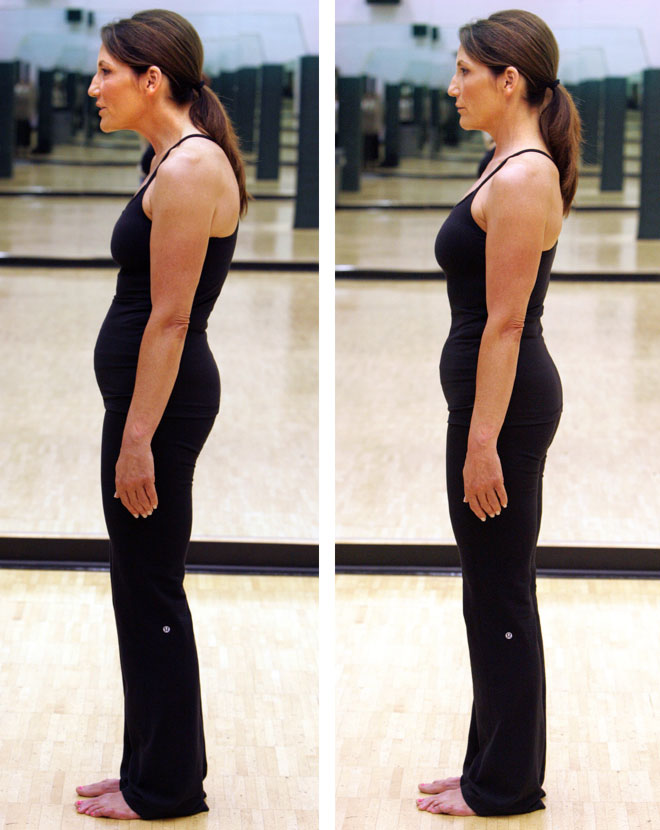
MJS-Posture10p1-1

1. What about the body posture? “Yes, needless to say that having a good and perfect posture will surely reflect a better figure and diet. Kim Lyons, a Biggest Loser coach, says that straightening up your body will not only be good for our bones but also for our physique. “When your posture is good, you’re automatically engaging and toning your stomach muscles.” He advised that if you tend to forget to stand up straight, sticky notes that are strategically placed will constantly remind you. It’s not bad to try this at all. It may come difficult and tiring at first but trust me you’ll get used to it.”

bathroomrenovationsjohannesburg2

2. Bowel movements? “You definitely need to take bad toxins and wastes out of your body. Train yourself to have a bowel deposit every day. This will help you avoid feeling bloated and constipated. It’s also a good way to list in your daily routine for a good diet planning.”

womandrinkingwater

3. Drink more water! “Try to at least drink 7-8 glasses of water a day. Keep all the fluids coming! It’s also helpful for your body so that it’ll flush away those toxins. Who knew that water therapy is the best diet for a flat tummy.”

CE_0413_WomanEatingSalad

4. Eating healthier is always a plus! “Many of us don’t know about how to properly eat our food. Some just scarf down the meals meaning they just eat the food really fast and hastily. The right way is to chew each bite or intake at least 8-10 times before swallowing. Dr. Reichman says,” The body has to work overtime to break down good in the stomach and intestines, which can lead to major gas and indigestion.” In addition to this, when you’re eating fast, you’re actually swallowing some air too which could be a cause for developing a round stomach. So, chew your food thoroughly and don’t gulp. Take your time to eat the food.”

Walk_Park-smaller

5. Walking is exercise? “Now, you might say that walking is an exercise, and yes it truly is! But to take a walk is already part in our everyday lives and we can’t get rid of it knowing that it is really helpful in burning some fats plus it helps you take toxins and ailments out of your body. “Try to squeeze in a 30-minute walk daily. The simple boost in metabolism will help you burn the waistline fat more efficiently. And if you want to work out, skip those gadgets that promise “miraculous abs in minutes”. Remember that you don’t get things easily. You need to work hard for it. And going for a basic exercise such as walking will give you better results.”

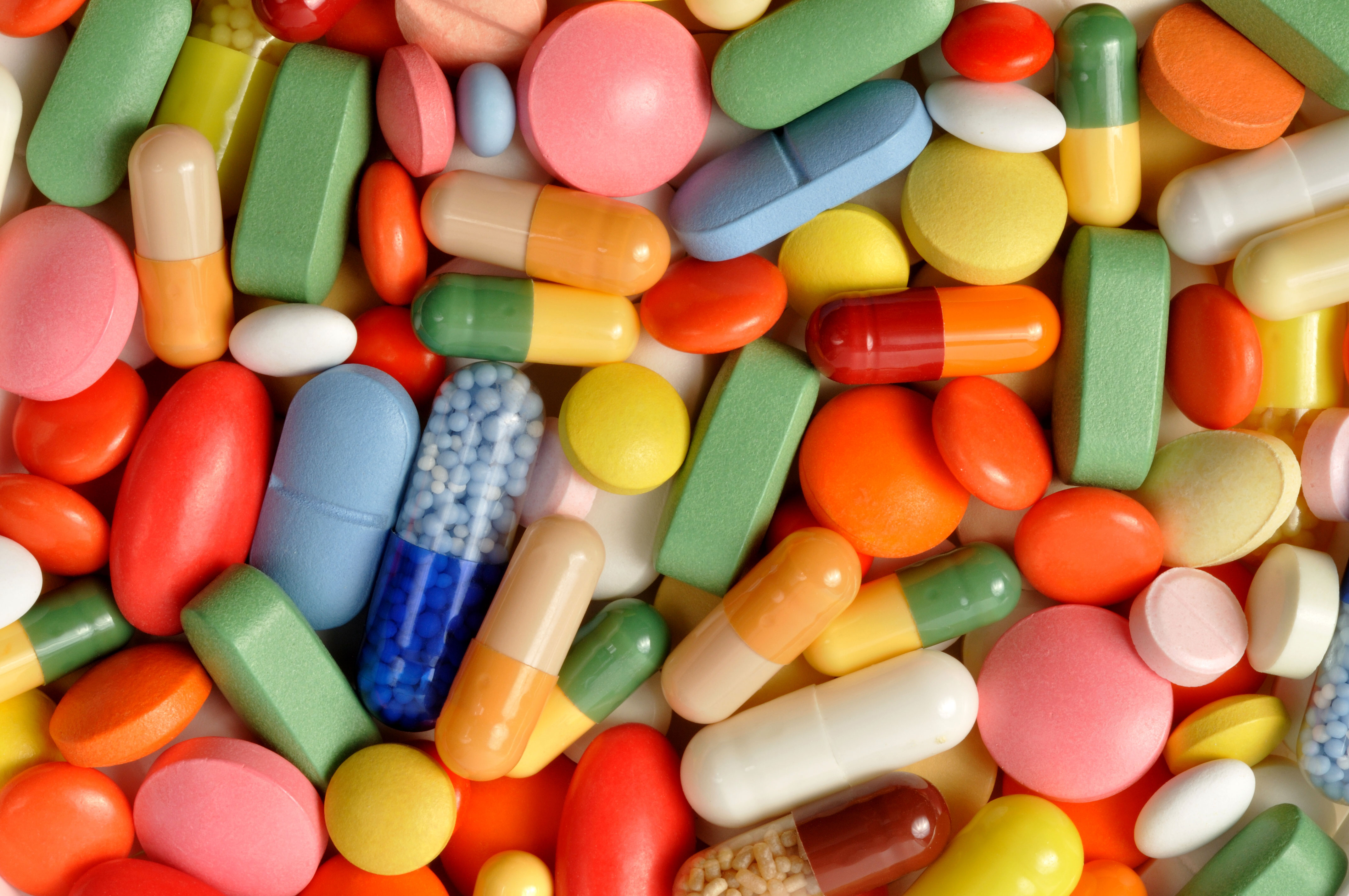
29-vitamins

6. Does taking supplements help too? “C.W. Randolph, M.D., author of From Belly Fat to Belly Flat, says that excess estrogen causes the body to retain fat around the waist. The supplements, calcium D-glucarate ( 1,000 milligrams ) and B- complex, have been shown to help you excrete the hormone, which can cause to a reduced belly fats around the stomach.”

Of course, do your research and make sure that supplements you take are good for your body. And read the directions on how many you can take per day because taking too much of anything can do more bad than good.

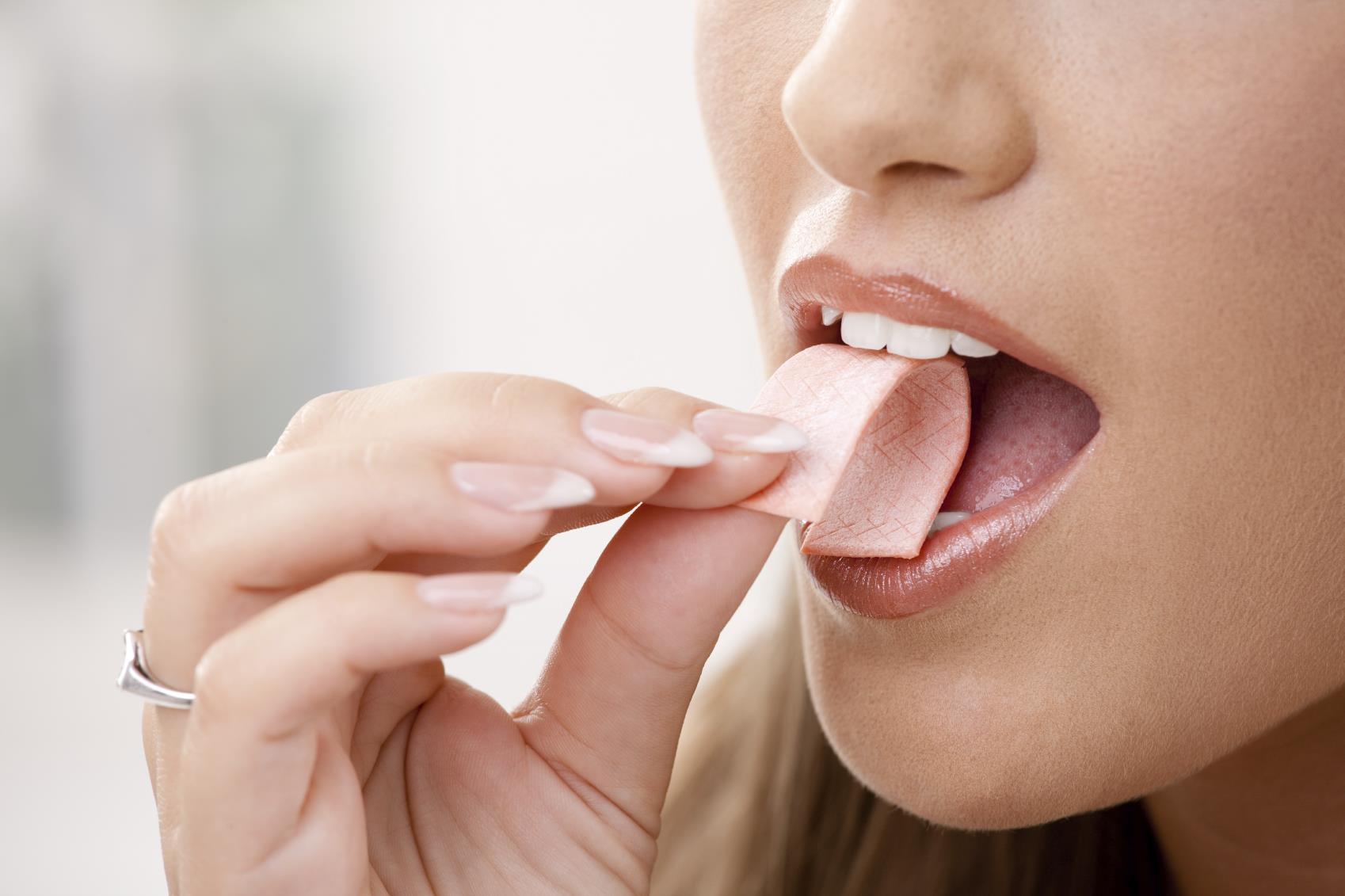
gum_c3f445459e299593471f6bfb96597708

7. Chewing gum less is a good thing? “Researchers at the American College of Gastroenterology say that chewing a gum is also swallowing some air which can also lead to an increase size in the middle. Plus, some artificial sweeteners, such as sorbitol that is found in some gums, give out gas.”

probiotics-vs-antibiotics

8. What should I eat more of? “Probiotics are ‘good’ bacteria that help your digestive system break down food, preventing the gastrointestinal issues that can keep you from having a flat stomach,” says Jonny Bowden, Ph.D. He suggests that we should consume a daily serving of probiotic-rich food like yogurt, ginger beer, mild, dark chocolate or taking supplements containing at least 50 milligrams of probiotics.

Relaxing-Time

9. Time to relax? Dr. Reichman says that when you’re completely frazzled, your body increases the production of stress horomones and sterious, which negatively affects your digestive system, causing a major constipation. Did you know that stress pumps up the production of cortisol, a steroid hormone, which sends excess fat directly to the midsection of your body. He greatly recommends you to take at least 20 minutes a day to relax and go for something that minimizes your stress.

Information and picture belongs to original source.

Bicultural Healthy Living Can Help Memory Loss

Post10Blog4

(NaturalNews) As we grow older, we tend to worry more and more about our memory. Lapses in memory that we didn’t give much importance to when we were younger now seem to have a new meaning. It is common to do such things such as misplace things like car keys, eyeglasses and cell phones, to draw a blank on a friend’s name, to walk into a room and forget why we went there in the first place. However, although we all have had these experiences, as we age, we tend to worry about what these lapses could mean. It is important to realize that, contrary to popular belief, memory loss is not a natural process of aging. Our brains are capable of making new brain cells at any given age.

Memory loss becomes serious when it interferes with our daily activities

Examples of this are:

  • Not being able to perform daily tasks, such as paying bills, dressing properly, tending to daily hygiene, etc.
  • Getting lost in familiar places, such as an immediate neighborhood
  • Repeating the same phrases and questions in the same conversation
  • Being unable to recall recent events
  • Repeatedly misusing or garbling words
  • Difficulty in making choices
  • Exhibiting socially inappropriate behavior.

In these cases, a diagnosis is needed to determine the root of the cause.

Often though, there is a physical reason for these memory lapses. For example, there may be a nutritional deficiency or it could be due to a faulty thyroid. In older adults, dehydration could be the cause. Excessive alcohol consumption creates brain toxicity and increases the risk of such conditions as Alzheimer’s and dementia. By the same note, smoking can cause vascular disorders that can limit oxygen to the brain.

Keeping cognitive functions in a healthy state entails leading a healthy lifestyle

Making sure that the body gets the nutrition it needs includes:

  • Regular physical exercise which decreases the risk of memory loss and encourages the production of new brain cells.
  • Exercising the brain is also important. Activities such as reading, working crossword puzzles, and playing strategic games such as chess or scrabble will lower the risk of mental decline.
  • Proper nutrition that focuses on lots of fruits, vegetables, and foods containing Omega 3 fatty acids. The antioxidants in fruits and vegetables serve to help keep the brain healthy and Omega 3’s help to retain memory.
  • Giving the body the rest it needs. Sleep is necessary for all aspects involving cognitive function. Sleep deprivation leads to poor memory, concentration and decision-making.
  • Avoding stress. Stress is a very common cause of memory loss. Stress dramatically increases the ability of toxins to pass through the blood-brain barrier. Also, prolonged stress results in high cortisol levels in the body which results in impaired memory. Efforts should be made to alleviate stress. One effective way is by laughing. As opposed to emotions that affect only specific areas of the brain, laughter affects wider areas. After all, they say that laughter is the best medicine.

Supplements that prevent and help to reverse memory loss

  • Ginkgo Biloba has been used by the Chinese for thousands of years to treat memory loss.
  • Colloidal Gold improves memory, concentration, and mental focus.
  • Acetyl-I Carnatine also improves mental focus, as do amino acids such as L-Tryptophan, 5HTP, and Tyrosine.
  • B-Complex Vitamins help to prevent memory loss.
  • Inositol helps the brain to process information.
  • Choline helps in overall brain function.
  • Fortify your brain with antioxidants which include carotenoids, flavonoids, vitamin C, vitamin E, selenium and NAC (N-Acetyl Cysteine).Sources:

    http://helpguide.org/life/prevent_memory_loss.htm
    http://www.fi.edu/learn/brain/stress.html

    About the author:
    Luella May is a natural health advocate helping people to heal naturally. She partners with Tony Isaacs, who authors books and articles about natural health including “Cancer’s Natural Enemy” and “Collected Remedies” Luella contributes to The Best Years in Life website for baby boomers and others wishing to avoid prescription drugs and mainstream managed illness and live longer, healthier and happier lives naturally. Luella co-moderates the CureZone “Ask Tony Isaacs featuring Luella May” forum as well as the Yahoo Health Group “Oleander Soup” and hosts her own yahoo group focusing on the natural wellbeing of pets “The Best Years in Life Natural Health for Pets

Learn more: http://www.naturalnews.com/035394_memory_loss_natural_remedies_alternatives.html#ixzz3b07zTfV8

Credits to original author.

Summer Countdown

do-the-summer-countdown-sprockets-saint-paul_crop

Here is a summer challenge to keep you motivated to stay healthy this summer! It can be easily done by taking small steps. The Countdown is fairly simple:

Days a Week of Active Play

New Places to Visit 

Fresh Fruits and Veggies Daily 

Summer Projects 

Time a day with a Good Book 

0 Soda pop – Drink more water

These points are great not only for youth and families but great to keep in mind as summer approaching –  Are your youth active? Are they eating healthy? Are they drinking enough water?

Do the Summer Countdown, even better do the DAILY countdown!!!!
Credits belong to original author.