Customs of the Hmong New Year

www.trekearth.com

Whenever the end of the year is nearing, there are many traditions that the Hmong people have to do to welcome the new year. Instead of giving summaries to the many customs of the Hmong New Year, here some are links to outside resources that have great in-depth information about it:

1. Traditions, rules, and ceremonies during the Hmong New Year

2. Old Folktales 

3. Hmong Shamans

Hmong New Year is first celebrated in the home then with the (last name) clan to the outside community. The Hmong welcome the new year by honoring their ancestors to receive their blessings from them, families, friends, and others for health, good luck, wealth, and a new beginning. It involves community gathering from young to elderly to feast, celebrate, and engage in fun activities.

Today’s Health Topic: Diarrhea

According to www.mayoclinic.com, diarrhea is a “loose, watery stools that occur more frequently than usual”. In the old days, diarrhea was known to be able to cause death of people due to dehydration. But nowadays, it is a common health issue that is less threatening under normal conditions. Diarrhea could result because of many reasonings such as :

  • Expired food/food poisoning that may require your body to force out impurities and waste
  • Diet that could cause a imbalance in your digestive system
  • Medications/surgery/bacteria/virus/sickness/parasites that may cause you to have diarrhea as a side effect

Here are the symptoms of diarrhea:

  • Experience of multiple of watery loose stools (little waste to water)
  • Stomach bloating/pain/cramps
  • Dehydration
  • Sweating
  • Fever usually can accompany it or/and cause it to occur more

At this point, diarrhea would eventually go away in a day. If the symptoms worsen and last to the second day such as:

  • Vomiting
  • Severe sweating
  • Blood in stool
  • Fever with high body temperature of 102 F (39 C)

Make sure to contact for emergency help because it could be serious concern. Afterwards, remember to monitor what you eat after experiencing diarrhea so that it doesn’t reoccur. If you had mild diarrhea, drink water/sports water (contain salt and sugar, which your body flushed out) and snack or have smaller meals. If you had mild to severe diarrhea, make sure to drink water little by little and stick to a bland diet that contains no dairy, alcohol, high food saturated, artificial flavors/food dye, non-processed, non-organic, and hard to digest food.


Push for No More Tobacco

tobacco-figure1

From http://www.hhs.gov./

Source: Johnston, L. D., O’Malley, P. M., Bachman, J. G., & Schulenberg, J. E. (2014). Monitoring the Future national survey results on adolescent drug use, 1975-2013: Volume I, Secondary school students. Ann Arbor: Institute for Social Research, The University of Michigan.

Over the last 40 years, the use of tobacco has steadily decreased due to many enforcement of laws, regulations, government and local support, and established health awareness programs. But the concern is now focused on teens and adults who are still buying and using tobacco in different forms. Once someone has used tobacco, they could eventually or become immediately addicted to nicotine.

So what are the trends of using tobacco besides smoking tobacco:

  • Oral tobacco products that dissolves in the user’s mouth; they still contain tobacco properties that puts the user’s health at risk and they can come in different forms and flavors.
  • Hookah is a mouth piece smoking pipe that is commonly popular among teens and is used among groups where they pass it on to each other. Not only is it not sanitary of bodily fluids, it is technically like smoking a cigarette where the toxins are released and inhaled into the body.
  • Smokeless tobacco is in the form where tobacco can be sniffed and chewed. “For smokeless tobacco use, the highest rates of initiation are in the seventh through 11th grades. Although approximately equal proportions of male and female adolescents smoke cigarettes, users of smokeless tobacco products are nearly all males.” – http://www.hhs.gov/
  • E-cigarette is a cigarette that can be used electronically to vaporized a liquid that gives off the feeling that one is smoking tobacco. Although e-cigarettes has no tobacco, they still contain nicotine.

Sometimes, people don’t understand the consequences of using tobacco. The fact that tobacco was scientifically proven to lead to other cancer diseases and cause the user to have other health related problems is already a concern. We can’t stop the production of tobacco, but at least try to educate the public what tobacco can do to the body.

  • Increases the risk of almost every organ disease such as the mouth, bladder, stomach, lung, heart, kidney, and more.
  • Worsen asthma symptoms
  • Nicotine is scientifically proven to be a addictive stimulant and can cause people to rely on it for temporarily relaxation
  • Affects the body’s sexual, thyroid, pituitary, and adrenal hormones
  • Affects the production and sensitivity of insulin that could lead to type 2 diabetes and other potential health issues
  • Trying to quit smoking tobacco can cause physical reactions such as strong cravings for the substance, an increased appetite, insomnia and sleep disturbances, gastrointestinal problems and mood-related complaints including anxiety, anger and frustration, depression, irritability and restlessness. –  [source: MayoClinic]” – http://science.howstuffworks.com

So before using tobacco in any way of any form, think about how it could affect you, your body, and your health in the long term.


What causes obesity?

What causes obesity?

According to www.cdc.gov, obesity and/or overweight are labels for ranges of weight that are greater than what is generally considered healthy for a given height.

So what exactly can contribute to obesity within people? Here is the quick guide about what factors that may be lead to obesity.

  1. Lifestyle

The way we live affects our body’s health and it can sometimes show through our weight, skin, eyes, hair, and more. If we tend to have little physical activities it will or may become a habit. Or it could be the choices of foods or our eating habit. It could cause a problem with our body because there is an unbalance between intake of calories and output of energy. So balance is the very key to keeping our body healthy so that our body doesn’t take in more calories than needed for our daily activities.

  1. Genes

Genetics can be a reason why some people have more difficult time maintaining their weight or was born and struggled with being over-weighted. Having a family history in obesity can be concern and often times, it could lead to other health related problems; therefore, one should consult with their doctor for any weight concerns and questions.

  1. Outside factors

Sometimes, there are things that we take in or do that may affect our body. For example, a taking a type of drug or medicine could increase or decrease your weight. If you are on a form of birth control or using a drug for something, it is required to consult with your doctor because no one knows entirely how it may affect your body.

  1. Environment

Depending on where we live, our surrounding environment is one of the main factors that affects our physical activities. For example, one person may live in a neighborhood that does not have proper walking conditions and no walking or bicycling trails nearby. It could be a possibly reason why they would avoid going outside or not being as motivated to be more active in their environment. So our environment does an impact on how we chose to be more active and interact with out surroundings.


Laotian American Community Overview

According to the 2010 U.S. Census the eight largest Asian American populations in Minnesota are the Hmong, Asian Indian, Chinese, Vietnamese, Korean, Filipino, Laotian, and Cambodian community. Specifically, 27 percent of the total population identify themselves as Hmong, 15.5 percent are Asian Indian, 11.7 percent are Chinese, 11.1 percent are Vietnamese, 4.9 percent are Laotians, and 3.9 percent are Cambodians (See Figure 2).

Minnesota is home to over 40 different Asian Pacific Minnesotan immigrant and refugee communities. Each community has its own strengths and challenges that may be unique to that ethnic community. The following is an overview of how the Laotian community is faring in Minnesota.

Following a similar path as other AAPI refugees displaced by the Vietnam War, the Laotian community arrived in Minnesota in the late 1970s and 1980s to rebuild their lives.[i] Approximately 12,000 Laotians live in mostly urban counties in the Twin Cities and earn a median income of $40,000, which is the lowest income range among all eight AAPI ethnic communities. Laotian Americans have high unemployment rates at 12.7 percent. Over 40 percent of the Laotian population earned less than a high school diploma.i  APA ComMNet REACH CORE project staff and volunteers met with Laotian American community members and leaders throughout the Twin Cities to understand the community’s strengths, challenges and other social and environmental factors affecting its overall health and wellbeing.

chart

Laotian American Community Strengths

dance

Laotian Americans who participated in this project stated that their strong family and community connections are important in improving the health and wellbeing of their community. Family members rely on each other for support and often visit with one another to talk about issues affecting their family or community. Sunny Chanthanouvong, Executive Director of the Lao Assistance Center, stated in his key informant interview that health information is usually spread using family and community network. Knowledge about diseases and preventive health practices are often communicated through storytelling and discussions during small get-togethers or at large community events. “We talk about sickness and health, we talk about the need for people to get exercise and eat healthy,” said Sunny Chanthanouvong who added that good as well as bad experiences of community members when dealing with health issues are often shared with one another.

Laotian American Community Challenges

Laotian Americans indicated that many in their community live in distressed neighborhoods and physical exercise as well as healthy eating habits may sometimes be difficult for members of the community. Due to their relatively recent introduction to the American health care system, some Laotian Americans may not be familiar with preventive practices to deter diseases or how certain disease can spread through different channels. Sunny Chanthanouvong explained how his organization attempts to educate Laotian Americans on flu prevention.

speehc

“It’s very important to help the community to truly understand the concept – where it’s coming from. People say that you have to save money for retirement, but what does that really mean? When there’s flu going around, they tell us, wash your hands to keep flu away but they still shake hands with someone who is sick. There is something behind just washing the hands, you have to tell the purpose for it, it’s not going to help much…we need deeper education.”

– Sunny Chanthanouvong, Executive Director of the Lao Assistance Center on educating the Lao American community about infectious diseases

In addition, APA ComMNet Health survey results show that the Laotian American community exhibited high tobacco use with nearly 30 percent of Laotian Americans stating that they frequently smoked cigarettes (Figure 3). Anecdotally, Laotian Americans also indicated that alcohol use was prevalent in the community especially during family and community celebrations despite the lack of evidence from this study affirming this notion. Laotian Americans added that smoking and drinking are common practices in Laos and young Laotian Americans who were raised in the U.S. often see their parents drink alcohol and smoke cigarettes leading many Laotian American youth to believe that such behaviors are normal and adopt their parents’ addictive habits as their own.

[i] Minnesota Historical Society, 2013. “Becoming Minnesotan: Stories of Recent Immigrants and Refugees.” St. Paul, MN: Minnesota Historical Society. Retrieved January 8, 2013 (http://education.mnhs.org/immigration/)


Holiday Eating

It is that time of the year again! We all will stuff ourselves on Thanksgiving and Christmas because we all love food. But there are some ways to avoid becoming stuffed turkeys ourselves. Becoming unhealthy after holidays is not the best outcome. It’s all about that balance between your eating habits and your life style choices.

So here are some things to remember when you are enjoying the holiday:

1. Eat a little bit of everything. Although there will be very great food provided, it is best to sample everything you like. Instead of eating a lot of some food, try to enjoy bits and bits from here to there. It’ll give you more chances to try varieties of delicious dishes.

2. Eat a bit now, a bit later; the point is to enjoy the foods. Along with the first tip, enjoy a dish now, enjoy another later. The food won’t run away so take your time. It’ll make you appreciate their flavors and tastes more.

3. Balance out your diet. We all have our guilty pleasure foods such as sweets or friend foods. We can enjoy those of course and no one will blame us. But it doesn’t hurt to eat some fruits and vegetables too. It does help a little to ease your cravings.

4. Drink lots of water! Try to avoid sugary and calories filled drinks because that’s where most of your calories will come from. So let’s not waste them on pop and sugary drinks, but instead yummy foods!

5. Dress comfortably. You may want to have more space to expand your tummy and relax. So dress in clothes that will allow you to stretch because the last thing we want to struggle with is fussing with our tight clothes.

All in all, enjoy your holidays and eat well! Happy holidays!

Vietnamese Americans

According to the 2010 U.S. Census the eight largest Asian American populations in Minnesota are the Hmong, Asian Indian, Chinese, Vietnamese, Korean, Filipino, Laotian, and Cambodian communities. Specifically, 27 percent of the total population identify themselves as Hmong, 15.5 percent are Asian Indian, 11.7 percent are Chinese, 11.1 percent are Vietnamese, 4.9 percent are Laotians, and 3.9 percent are Cambodians (See Figure 2).[i]

Minnesota is home to over 40 different Asian Pacific Minnesotan immigrant and refugee communities. Each community has its own strengths and challenges that may be unique to that ethnic community. The following is an overview of how the Vietnamese American community is faring in Minnesota.

chart

Vietnamese American Community Overview

The Vietnamese were among the first Asian refugees to arrive in Minnesota after the “fall of Saigon” in 1975 and was considered one of the fastest growing AAPI ethnic groups in the state. [ii] In fact it was the 2nd largest AAPI ethnic community in 2000. Although the community grew at a rate of 31.7 percent in the last decade, it is now the fourth largest AAPI community in Minnesota.i   Similar to the Chinese and Taiwanese community, Vietnamese Americans traditionally opened their own businesses and have helped Minnesota’s economy prosper in the past three decades. The median income of a Vietnamese household in Minnesota is $60,767.i   APA ComMNet REACH CORE project staff and volunteers met with Vietnamese American community members and leaders throughout the Twin Cities to understand the community’s strengths, challenges and other social and environmental factors affecting its overall health and wellbeing.

Vietnamese American Community Strengths

dance

While qualitative results show that the Vietnamese American community faces numerous challenges that negatively affect their wellbeing, many in the community stated that they had excellent or very good general health. In fact, more than any other AAPI ethnic group, the Vietnamese American respondents perceived their general health as excellent See Figure 4. APA ComMNet survey results also show that the Vietnamese American community regularly visit with their physician, do regular physical activity such as walking or gardening and are physically healthy with 76.1 percent of the population within the normal Body Mass Index (BMI) range for Asian Americans (Figure 3).

Vietnamese American community members interviewed for this study pointed to their traditional diet of fresh vegetables, fruits and small amounts of meat as the reason for their good health.

Vietnamese American Community Challenges

Similar to other AAPI communities, the Vietnamese community identified the lack of culturally and linguistically appropriate resources and services for their limited English-speaking members, access to affordable health care and lack of transportation as negatively influencing their quality of life. Guests during the Vietnamese radio show outlined key issues they felt were important in their community:

“Point 1: Many immigrants and seniors have low educational level in addition to the language barrier they face when trying to communicate with doctors and health care providers.

Point 2: The lack of transportation prevents Vietnamese seniors from accessing their health care provider even if they have health coverage.

Point 3: Those who do have health insurance may not be using it because they view health care as necessary when they are sick.”

discussion

Compared to other AAPI ethnic groups, the Vietnamese American community was found to use tobacco relatively heavily with a little over 10 percent of the respondents saying that they smoke some days but not everyday. While the community health survey produced different results, anecdotal evidence suggests that the Vietnamese community has high smoking rates, especially among the younger population. In addition, the community also has a higher prevalence of hypertension at 26 percent.  Suggestions from community members for improving conditions to improve Vietnamese Americans’ quality of life includes free or low-cost clinics and health insurance, increased interpretation services, and the development of health education materials, such as flyers, brochures and media products, in the Vietnamese languages.

References:

[i] Council of Asian-Pacific Minnesotans (CAPMN), 2012. The State of Asian Pacific Minnesotans: 2010 Census and 2008-2010 American Community Survey Report. St. Paul, MN. Published by the Council of Asian Pacific Minnesotans.

[ii] Minnesota Historical Society, 2013. “Becoming Minnesotan: Stories of Recent Immigrants and Refugees.” St. Paul, MN: Minnesota Historical Society. Retrieved January 8, 2013 (http://education.mnhs.org/immigration/)


Sparking a Generation of Drug-Free Youth‏

There are many things we can do to make the world a better place. One of them is to prevent youths from drug use and substance abuse. It is a parent’s concern as well as society’s problem because it does affect everyone.

According to www.cdc.gov, in the U.S. 66.2% of teens has had at least one drink of alcohol in their life. It is not surprising because teens are influenced by peer pressures and social expectations. About 40.7% of teens had use marijuana once or more during their life. This statistic could be so high due to the fact that many people perceived marijuana as ‘safe’ to use. Also, 22.1% of teens has been offered, sold, or given illegal drugs on school property. Drug and substance use for many people and teens are easy way out of situations like dealing with stress, making a reputation, developing their image, trying to find their place in life, etc.

pastyearvariousdrugshttp://www.drugabuse.gov

Most of the time drugs, alcohol, tobacco, etc., are not sought out by teens, but they receive or are introduced to them through a friend or a family member. It is those connections that we can’t stop because it is up to the individuals to accept or decline the offer. It is not about whether what is safer to use and what are the ‘acceptable’ risks. What we want is to prevent any possible harm that come onto the user’s health and others as well.

Chinese/Taiwanese Americans

According to the 2010 U.S. Census the eight largest Asian American populations in Minnesota are the Hmong, Asian Indian, Chinese, Vietnamese, Korean, Filipino, Laotian, and Cambodian communities. Specifically, 27 percent of the total population identify themselves as Hmong, 15.5 percent are Asian Indian, 11.7 percent are Chinese, 11.1 percent are Vietnamese, 4.9 percent are Laotians, and 3.9 percent are Cambodians (See Figure 2).
Minnesota is home to over 40 different Asian Pacific Minnesotan immigrant and refugee communities. Each community has its own strengths and challenges that may be unique to that ethnic community. The following is an overview of how Chinese and Taiwanese community is faring in Minnesota.

Chinese and Taiwanese American Community Overview

chart

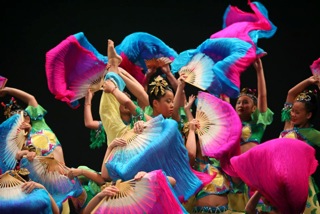
The Chinese Americans are among the earliest AAPIs who settled in Minnesota. Arriving alongside other pioneers, mostly of European descent, Chinese immigrants built their businesses and grew their community in the state starting in the mid-18th century. In the last decade alone, the Chinese and Taiwanese population grew 54.5 percent in Minnesota – much of the growth stemming from the need for highly skilled workers and the rise of Chinese and Taiwanese students seeking educational opportunities in the state’s universities and colleges.ii Although the community is only the third largest AAPI ethnic group in Minnesota, Chinese Americans continue to be the largest AAPI group in the U.S. with an average age of 45 years old.i APA ComMNet REACH CORE project staff and volunteers met with Chinese and Taiwanese American community members and leaders throughout the Twin Cities to understand the community’s strengths, challenges and other social and environmental factors affecting its overall health and wellbeing.

chinese dancers

Chinese and Taiwanese American Community Strengths

Chinese and Taiwanese Americans who participated in the project pointed to their increased economic vitality and the ability to maintain a strong cultural identity as strengths in their community. The Chinese and Taiwanese American community in Minnesota has contributed to the creation and growth of area businesses and improved the state’s economy for over a century.ii Increased economic opportunities may be evident in the higher income most Chinese and Taiwanese American families have. The average household income for Chinese and Taiwanese Minnesotans ranges at $73,333.i The Chinese and Taiwanese community also discussed their pride for Chinese and Taiwanese culture and traditions. Community members stated that they believe their cultural heritage is a source of community and individual health. Dr. Niccu Tarafarrodi, a community health researcher, stated in her 2010 report:

“Art and craft are a central part of Chinese culture and of the personal identity of many Chinese. Interview participants stated that they believed the enjoyment of art and crafts could be helpful for relieving depression, loneliness and hopelessness.”
Chinese and Taiwanese American Community Challenges
Chinese and Taiwanese community members who participated in this project identified the lack of adequate transportation, access to affordable health care, and the limited proficiency in English of some of its members as barriers to the community’s overall health and wellbeing. With over 42 percent of the Chinese and Taiwanese population in Minnesota considered to not be proficient in English, many community members indicated that Chinese and Taiwanese Americans, particularly the elderly in the community, are unable to access appropriate care. As a guest during the Chinese and Taiwanese radio show concluded, “[We need] easy access to clinic, overcome language barrier by attending ESL classes. Not enough classes to offer senior, need more people involve and support.” Chinese and Taiwanese community members also stated that younger members seem to neglect taking care of their elderly, which is customary in traditional Chinese and Taiwanese culture. However, with many Chinese and Taiwanese Americans growing up in a society that typically employs professional help to care for their elders, younger Chinese and Taiwanese Americans’ behavior to not care for their elders in a traditional manner has affected the health of the community as a whole.

In addition, APA ComMNet survey results show that although smoking rates in the Chinese and Taiwanese American community was found to be relatively low (figure 3). Chinese and Taiwanese community members who participated in this project stated that a high number of Chinese restaurant workers smoke cigarettes, with some stating that the smoking rate of this particular population is up to 75 percent.

REACH CORE Radio Talk Show 

Chinese/Taiwanese Community

radio

Host Peiju: Chinese ancient idea about “Take care all the elders like take care our own parents”, share the great love to improve our community’s health.

Guest Shi: lack of information, do not know where to start.

Guest Li: Most of my time in CSSC is volunteering. We need to reach out to our neighbors and to our seniors. They need activities and the opportunity to get together. 2-3 days a week will be appropriate.

References:

Council of Asian-Pacific Minnesotans (CAPMN), 2012. The State of Asian Pacific Minnesotans: 2010 Census and 2008-2010 American Community Survey Report. St. Paul, MN. Published by the Council of Asian Pacific Minnesotans.

Minnesota Historical Society, 2013. “Becoming Minnesotan: Stories of Recent Immigrants and Refugees.” St. Paul, MN: Minnesota Historical Society. Retrieved January 8, 2013 (http://education.mnhs.org/immigration/)

Tafarrodi, Niccu. NorthPoint Health and Wellness Center Community Assessment Report – A Brief Qualitative Assessment of Five Ethnic Communities: Cambodian, Chinese, Hmong, Lao and Vietnamese. Minneapolis, MN.

Hmong Americans

According to the 2010 U.S. Census the eighth largest Asian American populations in Minnesota are the Hmong, Asian Indian, Chinese, Vietnamese, Korean, Filipino, Laotian, and Cambodian communities. Specifically, 27 percent of the total population identify themselves as Hmong, 15.5 percent are Asian Indian, 11.7 percent are Chinese, 11.1 percent are Vietnamese, 4.9 percent are Laotians, and 3.9 percent are Cambodians (Figure 2).

ethnic races pie

Minnesota is home to over 40 different Asian Pacific Minnesotan immigrant and refugee communities.  Each community has its own strengths and challenges that may be unique to that ethnic community.  The following is an overview of how the Hmong American community is faring in Minnesota.

Hmong American Community Overview

The Hmong American community is the largest AAPI ethnic community in Minnesota and is second to California which has the largest Hmong American population in the U.S.1 APA ComMNet was able to survey a larger number of respondents from the Hmong American community – almost three times more than any other ethnic AAPI groups compared to other AAPI groups. .  APA ComMNet REACH CORE project staff and volunteers met with Hmong American community members and leaders throughout the Twin Cities to understand the community’s strengths, challenges and other social and environmental factors affecting its overall health and wellbeing.

Hmong American Community Strengths

In general, the Hmong American community perceived its quality of life in the Twin Cities as fair or improving.  Hmong Americans stated that they are healthier living here in the U.S. compared to their relatives in Thailand, Laos and other areas of Southeast Asia.  Several Hmong community members indicated that ample activities and opportunities exist for youth to be physically fit, reach their academic goals, and live to their fullest potential.  Numerous participants also expressed that Hmong American youth of today hold more degrees in higher education and are expected to live longer compared to their parents’ generation. Furthermore, the Hmong American community pointed to an increasing number of political leaders, male and female, who assist in creating policies and programs that are aimed at improving the overall well-being of the community. Others also mentioned the large number of businesses and institutions created to serve members of the Hmong community.  Such factors have created a positive perception of the how the Hmong community is faring in the eyes of its members. Many Hmong Americans state that their most important community assets include their strong family foundation, clan network and their value of having a good education.

A 2010 report found that the household size of a typical Minnesotan Hmong family is 5.4 members, the largest household size among all AAPI ethnic groups.2   Hmong community members interviewed for this project said that having a large family is an asset because they rely on their family for support and assistance.  Chingla Thao, the Dean of Students at New Millennium Academy – a Hmong charter school in Minneapolis said he comes from a “community-dependent” community that values interdependence between members.  Thao added that this interdependence and the value of having a large family might be traced from the Hmong’s agrarian culture.  According to Thao, more family members provide financial security:

“The Hmong often want bigger families in an event of a crisis, so the burden is shared by more people.  Having bigger families builds community and it helps us be independent in a way that we don’t have to seek for outside help.  We can get that help and support internally, from each other.”

hmong pplEducation also is a priority for many Hmong community members who participated in this project. In recent years, more charter schools have opened its doors in the Twin Cities with a focus in providing culturally appropriate education to students of Hmong descent. When asked about the value of education, Thao stated that the Hmong community recognized early on that education was the “key and the way out of poverty.” He mentioned that a phrase young Hmong American children consistently hear from their parents is “Rau siab kawm ntawv” or “work hard in school.”

Hmong American Community

Some of the barriers to better health and wellbeing for the Hmong community are high rates of unemployment and poverty, limited English ability and unaffordable medical costs.  Over 12 percent of the Hmong community reported that they were uninsured.1   Hmong community members who participated in the project indicated that uninsured members at times seek medical care from Shamans to alleviate their physical and mental health issues (See side bar).  Hmong American families also use herbal remedies and may conduct healing ceremonies in the hospital and in the home. In addition, community members indicated that surgery and organ donation may not be acceptable as treatment for medical ailments and some members of the Hmong community believe that certain Western medicines may poison them, rather than help them.

While Hmong community members value physical activity, especially low-impact exercises such as gardening and walking, many Hmong community members identified the traditional diets as a health issue that needed to be addressed in the community.  Hmong Americans have among the highest obesity rates in comparison to other AAPI ethnic groups (Figure 3). White rice and fatty meats are considered a staple for many Hmong families while vegetables are often cooked with the meats and not eaten raw.  “Hmong people, in general, don’t know what food is nutritional and what is good for the body, but through word of mouth, more people are learning about it,” said a Hmong community member during his key informant interview.

1 Council of Asian-Pacific Minnesotans (CAPMN).  2012.  The State of Asian Pacific Minnesotans: 2010 Census and 2008-2010 American Community Survey Report.  St. Paul, MN.

2 Pierce PhD, Alexandra.  2010.  Health Disparities in Southeast Asian and African Refugee Communities.  Produced for the CAPI – Center for Asian and Pacific Islanders.  Minneapolis, MN.

REACH CORE Radio Talk Show:radio hmong

Hmong Community

Guest P. Vang: Yes. A few have medical insurance. However, there are others who do not have medical insurance due to unemployment or is not eligible to apply for medical insurance through the state.

Host Yang: Without getting access to medical coverage, is there anything else to help you with your health, or are you still looking for resources to help you with this area?

Guest P. Vang: Yes, we do need help. There are those who are in severe pain and in critical conditions who don’t get access to healthcare and don’t get treated due to the lack of medical coverage. Therefore, the only alternative our Hmong communities fall back on is to perform cultural practices; such as performing spiritual activities from a Shaman. Plus, if evil spirits is the cause of the person’s sickness, then “spirit calling/healing” from a Shaman would work. However, if the cause of the sickness is due to diseases, then it is necessary to seek a physician and be hospitalized.