Effective Cross-Cultural Communication and Health Literacy

Post10Blog5 copy

Communicating effectively across cultures is important for public health professionals. People’s ideas about health and illness can vary by cultural group and sub-group, and can affect which health literacy skills are considered culturally necessary. When communicating with diverse cultural groups, public health professionals should be aware of and adjust for linguistic differences, beliefs, values, customs, and behaviors that can affect if the audience receives your intended message.

Here are some tips to make sure you and your materials are well understood:

  • Try not to treat culture as a negative or barrier that must be overcome. Your cultural background may not be the same as your audience’s, but you can learn about and adjust for language, beliefs, and customs as you would for other factors, such as age or gender, that might affect how the audience interprets the messages. 
  • If your messages aren’t in the audience’s preferred language, consider if interpretation of oral information, translation of written materials, or a complete redesign to address cultural differences is necessary.
  • Adapt messages and materials for the literacy and numeracy skills people have in their preferred language.
  • Refer to the National Culturally and Linguistically Appropriate Services (CLAS) Standards as you plan your communication strategy.

To read more about the role of culture in health literacy, please visit http://www.cdc.gov/healthliteracy/culture.html

Stay Motivated in School

thumb-a8209f87

www.annarborfamily.com

Many students return to school with new motivation, but it is quite hard to maintain it! Sometimes, you just want to give up because many things can affect you. But don’t worry, you’re not alone as many other students are going through the same problems. These tips will help you get through the year!

  1. To feel good and energized, you need at least 8 hours of sleep! If your body is on a stable sleeping cycle, you will fall asleep much quicker. You’ll find that you will feel better the next morning as you won’t wake up exhausted.
  2. Eat a balance meal with healthy snacks. It’s normal for students of all ages to feel constantly feel hunger throughout the day. Chances are you may be tired, didn’t get to eat a proper meal, or too busy to worry about eating right. But you can try to avoid unhealthy snacks and meals. Try to bring healthy alternatives to satisfy your cravings!
  3. Along with eating well, try to live a balance life. That means make time for your education, family, friends, exercising, and free time. It will assure you more freedom to do what you need and want. So having a planner and being organized helps out a lot!
  4. Ask questions in class! You probably don’t want to stand out or feel less smart than other students in class, but chances are other students are wondering the same. It’s all about trying to educate yourself without worrying what others may think of you.
  5. Build positive relationships with peers and teachers! The closer you are with the people around you, you all can help and educate each other. Also, they provide new perspectives and knowledge that you may not know or have.
  6. Take effective notes! Everyone has their own styles when it comes to note taking. But don’t relentlessly write down notes without proper organization . You won’t be able to find things easily when you need them to study. A popular note taking style is Cornell notes.

cornell-notes-template-6ks06fha

Picture credit linked here.

STEP UP Youth 2015 Postcards

STEP UP youth made an amazing collection of postcards this summer. Topics range from anti-tobacco to domestic abuse and more. We hope to promote bi-culturalism and positive messages to the community. Please check them out down below. Share this post with your friends and family!

 0CtiRKD4NCqcTxTVx7AtgHm4kKQVqraG3OAp5dAWTFQ,4uEawT6JSA-DQzZdg3NsECzwgAv1RqaVTAWNe8uksXA,ixL82f4BILyl8eh8Py5K20vGJGazPGVE7yaYawg-N3w,lx8tvVycl4tmrR7Yc5BczbVusB018xjrH8Qs96LfmpU_MRj9iy-rnGQLizEDyVZ1JGogsB8YWPu4g9XTNbPUKQBJiOQPQw5UcDjhVnO2djvRj_zp9suTOsgTW69_53hJQ,B0p-oS_ElV_cKulEjFr-h1KXiWtXJP1jy7e6tbLpLlY,GQBY-rAuxTG3KDbQhZiWWex-QoJHRt0Ll1ZkZS0VmS8,O7r1Zj_eRdHxE9AglYuU9wQk5kCVvfHX1pHeHk3bxtoy5ZwRgHS46P8YCodifuaIHRtt5mIyq0wxFBhmpjW3Ro (1)b-kpW5GdYj4ltN-ow9Dxjjvb6SjrnzLlqXMWXFY0WK8WzIVOQy8tXWE_Gu500IbnPOZXLfwYRAEAfvwkMETO_g,C5lQ6ZHPW3LdZVUV2xhetHSMusXAbLlFq0yKwELvyaU,jgP__R7JXx-JKKAjVBiu4GdNbK8Kdy8358NxTGEVr5A,ENPd5dWyaN-1NPsojTbwatXiYnn2-0agA2ha9_XBGt4vrv7YAsdY17KdjTPEXBn7n8k6HXyYDRhujT3FiyD6Lk,KJ3KjHMc0n5UJTRyKUe3PC9jz_vcFvA7YEtqRpoqS8I,FwaKcS-udZuvplNLdgj56XYf2_d5tNW01XkiwlzPU50,NGRBPLvKe4QnC9hQb7hvO3iVrObR6w3itvSrRtCzfic

ISUiasjWHaJZhrCCz9a91RaPiCyimGtgXcUX6gUMaVY

4Wm7cHzhrtXKC9BoC5wPmtW88uXIxJIlfO2RN0-sqsA

g7viCr3KpKHezPcdncl9nzHp7dkEm8_M-dq68oFz2mY,-mMKXZz3LLREX6cA0SOZvQANINMuJI0hZLXwHr2wfrw

uVKTfM--IKddzEoaZ6asU0GFfvUYhpnXKFf4xYwcLlgthbq7d-CowScykUeDMVxui-4V3wS3N3njgxxh1IDqz0 (1)aZxWEqrEPWz9b8OPyxPrJqSpY3nncznD70-TUxA2rfM

KSIiqJDAwolFwGLVfV2gXWCN9LnvFsfmwvME3DxwNtE,mStTiS_4YysUN6BaZHfv2Hw8gJA3eCCrkpcXudGRjtk,-Sv5y_4onW6l81mihNLS1YisPIZCUpko_TTKorxMI24,PYhnhQ5kVFna6vS84dXBW9smT9RmGJv52fd1OsYARIs 66-_x95fB5eKvyOrM91RaREVm1dYhjlFfJJNp4Mas-M

Iw_cTicvcsR5hXOfLQIz3Ewsq0bzIJKV02CLoGwP4TY,-ZMKqYxbVeiaUBG0uby90rBIYI-kCBrBNNEzvaT76f8

RjcFZzeU7zIpmN99sqatFsIBiRJBFuwYDFciClS5SK0QLZ72ua6tLXMXVZ8MVtr-dXnHe-sbpwUe0ajIk4w6os,pwR34fBiKJRutiRJdndo8cxhsyRahxn1eDto5OPJQ1E,_QfFO2wPNtLpzYpu9n4Ax2mvyKLaqD8GHYXY8yvHEBoqIo_CCeCV_GpRhSPb1Bfp1BYpYbsggG6c2wa7opqGYo,Mu_ZqpwdEMO7g-FKXvg1w2-wfccy3zsoaMiPInU1nFk,2Zc2Em_LmNEnfAddJYD5gl6NjFaXDfaUjIyTuuT1qi0,Uk_q-36E77jG0JSRMdgMD_EdKIr2ubqZT7TP8AbBSVM

New School Year = Fresh Start

backtoschool

ashfieldpandc.com

It’s that time of the year where students are returning to school. Everyone wants to have a new start at school and have a positive experience. But it will be different for everyone. Are you worried about your schedule, making friends, joining sports, and such? Here are some tips to help you out:

  • Don’t be shy to ask for help whether it’s for something small or big. School nurses, staffs, and counselors are there to help students out.
  • Finding your classes can be easy or challenging. The best thing to do is ask the school staffs who can help guide you to the right classroom.
  • Want to a join a sport/club? Meet up with the staffs at the athletic/club office. They can help you with the paperwork and fees that may apply.
  • Having problem with or wanting to change your schedule? You are able to change it if you set up an appointment and meet up with your assigned counselor. Just know that people who are grade above you will be in consideration first.
  • Trying to make new friends? Often time, you just need to reach out first (volunteer or partner work, speak first, invite others, etc.). It could be in the classroom, club, or sport team setting. You have more opportunities to make friends with people who share more similarities.
  • Stray away from drama, peer pressure, and negativity. Focus on important things such as your homework, grades, and friends. Don’t get too hung over school drama or with unwanted peer pressure because those things won’t do you much good.

Go Back to School Tobacco-free!‏

image001

Let’s go back to school with a positive mindset on living healthy! One thing to encourage your peers and friends is to be tobacco-free. Although statistics shows that tobacco use is gradually decreasing, many are still at risk.

Use some of these tips to support this cause:

  • Set yourself or others to be a good role model. It can help change people’s perspective that tobacco usage is not cool or good for your body.
  • Say no to tobacco! Don’t let peer pressure get to you or to your friends! Only do what you want to and not what others say to you.
  • Quitting it sooner is better than never! If you are currently using tobacco or know someone who is, try to convince yourself/them to stop. Extensive research has show that by using tobacco it can cause diseases like lung cancer, breathing problems, stroke, and more.

Here are some quick facts to help you learn more about being tobacco:

  • From 2011 to 2014, current cigarette smoking declined among middle and high school students.4,5
  • Nearly 3 of every 100 middle school students (2.5%) reported in 2014 that they smoked cigarettes in the past 30 days—a decrease from 4.3% in 2011.
  • In 2014, more than 12 of every 100 high school students (12.7%) and approximately 3 of every 100 middle school students (3.1%) reported use of two or more tobacco products in the past 30 days.4
  • In 2014, nearly 25 of every 100 high school students (24.6%) and nearly 8 of every 100 middle school students (7.7%) used some type of tobacco product.4

image004

image003

Credits to www.cdc.gov

Summer Travel Health

Post12Blog2

Summer is the most popular season for people to go on vacations and trips. But many can forget to bring items to protect themselves from the harm. So here are the necessary travel items to bring:

  1. Sun protection! It’s important to protect your body from harmful sunlight. It can help prevent sunburn, skin cancer, wrinkles, etc. So try to wear sunglasses, sunscreen products, hats, and clothes to cover your skin from direct sunlight.
  2. Pack medicines! If you get motion sickness, cramps, headaches, stomaches, anything that may require medication then bring enough with you. It will help you feel a lot better along your trip.
  3. Bring a safety kit! Just in case an emergency happen or someone gets hurt, a safety kit can provide many aids without wasting time or money.
  4. Going out of the country? One thing that you must bring is your passport. Also, check to see if you may need to take shots before going so plan your clinic appointments ahead of your flight!
  5. Stay hydrated! Drink at least 8-ounces glasses of water. You may need to drink more because you will sweat more. If you are going to a third world country or a poor region, then always make sure to drink from bottled water.
  6. Bring bug spray! Try to avoid getting bitten or stung by bugs by wearing long sleeves and pants, staying indoors at night, and using bug repellants. They may carry diseases such as malaria, dengue fever, and more.

Nutrition and the Health of Young People

HealthyEating2

www.trueactivist.com

Benefits of Healthy Eating

  • Proper nutrition promotes the optimal growth and development of children.1
  • Healthy eating helps prevent high cholesterol and high blood pressure and helps reduce the risk of developing chronic diseases such as cardiovascular disease, cancer, and diabetes.1
  • Healthy eating helps reduce one’s risk for developing obesity, osteoporosis, iron deficiency, and dental caries (cavities).1,2

Consequences of a Poor Diet

  • A poor diet can lead to energy imbalance (e.g., eating more calories than one expends through physical activity) and can increase one’s risk for overweight and obesity.1,8
  • A poor diet can increase the risk for lung, esophageal, stomach, colorectal, and prostate cancers.9
  • Individuals who eat fast food one or more times per week are at increased risk for weight gain, overweight, and obesity.1
  • Drinking sugar-sweetened beverages can result in weight gain, overweight, and obesity.1
  • Hunger and food insecurity (i.e., reduced food intake and disrupted eating patterns because a household lacks money and other resources for food) might increase the risk for lower dietary quality and undernutrition. In turn, undernutrition can negatively affect overall health, cognitive development, and school performance.10-12

Eating Behaviors of Young People

  • Most U.S. youth
    • Do not meet the recommendations for eating 2½ cups to 6½ cups* of fruits and vegetables each day
    • Do not eat the minimum recommended amounts of whole grains (2–3 ounces* each day)
    • Eat more than the recommended maximum daily intake of sodium (1,500–2,300 mg* each day) .1,3,7
  • Empty calories from added sugars and solid fats contribute to 40% of daily calories for children and adolescents aged 2–18 years, affecting the overall quality of their diets. Approximately half of these empty calories come from six sources: soda, fruit drinks, dairy desserts, grain desserts, pizza, and whole milk.5
  • Adolescents drink more full-calorie soda per day than milk. Males aged 12–19 years drink an average of 22 ounces of full-calorie soda per day, more than twice their intake of fluid milk (10 ounces), and females drink an average of 14 ounces of full-calorie soda and only 6 ounces of fluid milk.6

Diet and Academic Performance

  • Eating a healthy breakfast is associated with improved cognitive function (especially memory), reduced absenteeism, and improved mood.13-15

Credits to www.cdc.gov

National Farmers Week

image002

Help support your local farmers and small business owners by going to your local farmers market this summer! This week is National Farmers Week and it is from August 2-8. Take advantage of locally grown foods that are cheap and healthy. Here are some tips on how to enjoy the farmers market.

  • Find where your local farmers market are. It’s most likely that your area will have more than one spot for farmers and sellers to sell their produces and products. So do your research and go to multiple spots to find your favorite farmers market.
  • You’re supporting the local economy! You are helping out others while getting great things in exchange. Farmers market often have better produces/products at a lower price than groceries.
  • Shop with family, friends, and get to know your community. It is a great way to interact with people from your community and learn more about the available businesses around your area.
  • Eat yummy foods! There will be food stalls that are not offered somewhere else and could be unique only to those certain areas. So explore new flavors and have fun trying new foods from all kinds of backgrounds.

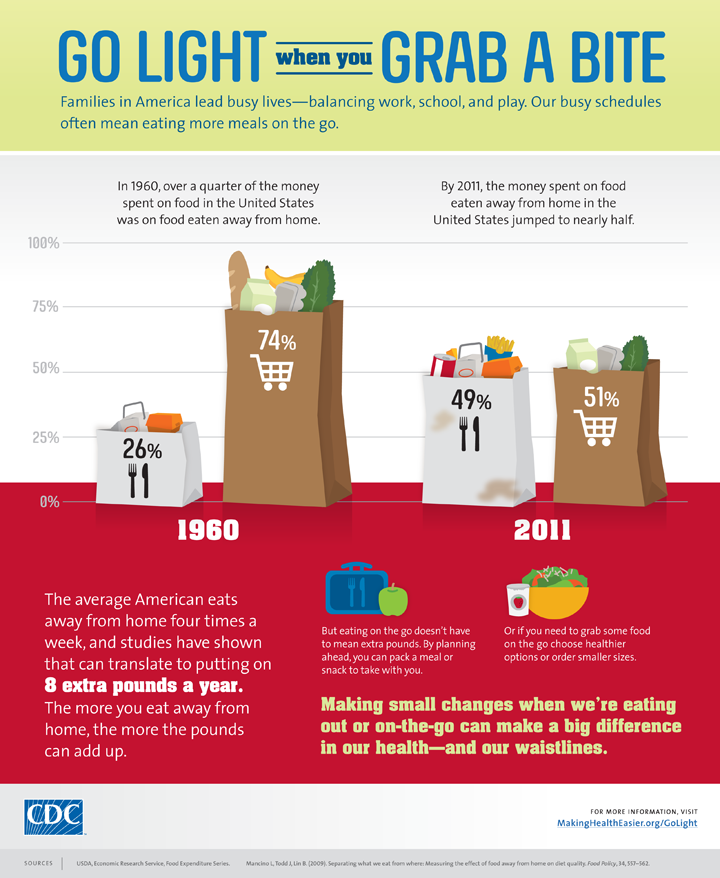
GLGB_Infographic_Final

Photo credits belong to www.cdc.gov

Edible Lotus?

11051741_10206806208461111_3922905837484592091_n

by Tanya Zhu

The lotus is an amazingly delicious plant. Aside from the medicinal uses of the lotus plant, the entire plant is edible. After the flower blooms, the golden seed pod turns a vibrant green, which grows larger as the seeds fatten. Eating fresh lotus seeds from a newly picked pod is heaven on earth. The seed germ has not yet developed its signature bitter taste, so you can pop the whole thing in your mouth. The stem of the lotus can be sauteed, as can the lotus root. The root and seeds are the most commonly used parts, but the lotus leaf is great for eating (with scrambled eggs) or wrapping (zong zi!) or as a tea, while the flower can also be lightly battered and fried (not unlike elephant ears). Yum.

11141219_10206806186580564_7177724110967514628_n

11403010_10206806183100477_1294888776554573142_n

11755917_10206806211101177_5425234368581936760_n

5 Insane Facts About How America Has Gotten Bigger

If you look at the data the general philosophy in the United States seems to be “bigger is better.”  And over the past several decades, Americans have supersized our sodas, our refrigerators, our big-box retailers and ourselves — even our feet have gotten larger.

Here’s a look at a few of the most startling things that have grown in size in the U.S. over the past few decades:

1. Our portion sizes

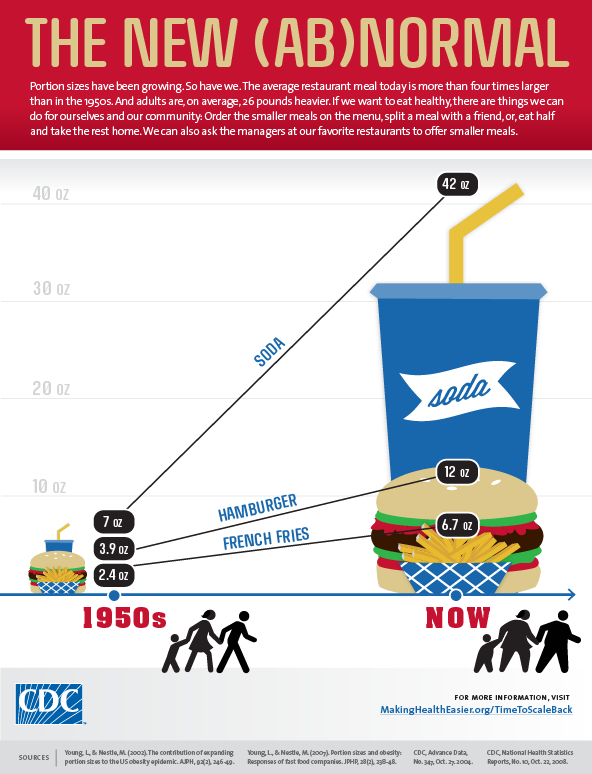
cdc-new-abnormal-infographic

You probably know that portions in the U.S. have been getting bigger — but do you know by how much?

When McDonalds first partnered with Coca-Cola in 1955, the only size of a beverage available was 7 ounces. By 1999, McDonald’s had introduced a drink that was literally six times as large as that — the 42 ounce Super-Size. Today, the largest size that McDonald’s serves in the U.S. is 30 ounces, though many people still get refills.

A similar trend has been at work with our french fries, hamburgers and restaurant meals in general. The Centers for Disease Control and Prevention says that the average restaurant meal today is four times larger than it was in the 1950s. As the graphic below from the CDC shows, the size of the average soda, hamburger and french fries portion has grown substantially since the 1950s.

2. Our chickens

imrs

To meet our insatiable demand for white meat, America has begun super-sizing its chickens. As my colleague Roberto Ferdman writes, Americans now eat 80 pounds of chicken per person per year, and we’ve begun breeding bigger and breastier chickens as a result.

According to a study published last fall, the most commonly raised type of chicken in 1957 weighed only about two pounds when it was 56 days old. Today, the most commonly bred type of chicken weighs nine pounds at the same age.

3. Ourselves

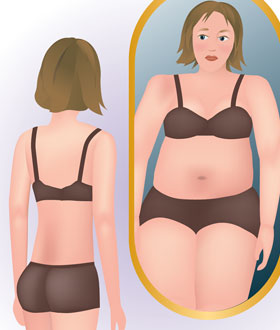
Screen Shot 2015-07-23 at 3.25.16 PM

With the size of our food getting so much bigger, it follows pretty naturally that Americans themselves are getting larger.

As my colleague Chris Ingraham has noted, the average American woman today weighs 166.2 pounds, which is almost exactly as much as the average American man weighed about 50 years ago. The average weight of an American woman rose 18.5 percent in that period, from 140 pounds in 1960.

Men aren’t doing much better. Their average weight has risen 17.6 percent in the same time period to 195.5 pounds today. To make the same comparison, an American man today weighs almost as much as 1.5 American women from the 1960s.

4. Our cars

Screen Shot 2015-07-23 at 3.25.29 PM

Screen Shot 2015-07-23 at 3.25.32 PM

Compared with the gas guzzlers of 1950s, many cars have actually shrunk as time has gone on. Since the energy crisis of the 1970s, however, cheaper fuel prices and expanding waistlines have both encouraged cars and SUVs to once again get bigger.

5. Our houses

Screen Shot 2015-07-23 at 3.25.25 PM

New homes in the U.S. today are about 1,000 square feet larger than they were in 1973, and the living space available per person has doubled over the last 40 years, Mark Perry of the American Enterprise Institute writes, citing data released by the Census Bureau last year.

The average house size in America fell slightly during the Great Recession, but it has once again strongly trended upward in recent years.

Credits to original author link.