STEP UP Youth 2015 Postcards

STEP UP youth made an amazing collection of postcards this summer. Topics range from anti-tobacco to domestic abuse and more. We hope to promote bi-culturalism and positive messages to the community. Please check them out down below. Share this post with your friends and family!

 0CtiRKD4NCqcTxTVx7AtgHm4kKQVqraG3OAp5dAWTFQ,4uEawT6JSA-DQzZdg3NsECzwgAv1RqaVTAWNe8uksXA,ixL82f4BILyl8eh8Py5K20vGJGazPGVE7yaYawg-N3w,lx8tvVycl4tmrR7Yc5BczbVusB018xjrH8Qs96LfmpU_MRj9iy-rnGQLizEDyVZ1JGogsB8YWPu4g9XTNbPUKQBJiOQPQw5UcDjhVnO2djvRj_zp9suTOsgTW69_53hJQ,B0p-oS_ElV_cKulEjFr-h1KXiWtXJP1jy7e6tbLpLlY,GQBY-rAuxTG3KDbQhZiWWex-QoJHRt0Ll1ZkZS0VmS8,O7r1Zj_eRdHxE9AglYuU9wQk5kCVvfHX1pHeHk3bxtoy5ZwRgHS46P8YCodifuaIHRtt5mIyq0wxFBhmpjW3Ro (1)b-kpW5GdYj4ltN-ow9Dxjjvb6SjrnzLlqXMWXFY0WK8WzIVOQy8tXWE_Gu500IbnPOZXLfwYRAEAfvwkMETO_g,C5lQ6ZHPW3LdZVUV2xhetHSMusXAbLlFq0yKwELvyaU,jgP__R7JXx-JKKAjVBiu4GdNbK8Kdy8358NxTGEVr5A,ENPd5dWyaN-1NPsojTbwatXiYnn2-0agA2ha9_XBGt4vrv7YAsdY17KdjTPEXBn7n8k6HXyYDRhujT3FiyD6Lk,KJ3KjHMc0n5UJTRyKUe3PC9jz_vcFvA7YEtqRpoqS8I,FwaKcS-udZuvplNLdgj56XYf2_d5tNW01XkiwlzPU50,NGRBPLvKe4QnC9hQb7hvO3iVrObR6w3itvSrRtCzfic

ISUiasjWHaJZhrCCz9a91RaPiCyimGtgXcUX6gUMaVY

4Wm7cHzhrtXKC9BoC5wPmtW88uXIxJIlfO2RN0-sqsA

g7viCr3KpKHezPcdncl9nzHp7dkEm8_M-dq68oFz2mY,-mMKXZz3LLREX6cA0SOZvQANINMuJI0hZLXwHr2wfrw

uVKTfM--IKddzEoaZ6asU0GFfvUYhpnXKFf4xYwcLlgthbq7d-CowScykUeDMVxui-4V3wS3N3njgxxh1IDqz0 (1)aZxWEqrEPWz9b8OPyxPrJqSpY3nncznD70-TUxA2rfM

KSIiqJDAwolFwGLVfV2gXWCN9LnvFsfmwvME3DxwNtE,mStTiS_4YysUN6BaZHfv2Hw8gJA3eCCrkpcXudGRjtk,-Sv5y_4onW6l81mihNLS1YisPIZCUpko_TTKorxMI24,PYhnhQ5kVFna6vS84dXBW9smT9RmGJv52fd1OsYARIs 66-_x95fB5eKvyOrM91RaREVm1dYhjlFfJJNp4Mas-M

Iw_cTicvcsR5hXOfLQIz3Ewsq0bzIJKV02CLoGwP4TY,-ZMKqYxbVeiaUBG0uby90rBIYI-kCBrBNNEzvaT76f8

RjcFZzeU7zIpmN99sqatFsIBiRJBFuwYDFciClS5SK0QLZ72ua6tLXMXVZ8MVtr-dXnHe-sbpwUe0ajIk4w6os,pwR34fBiKJRutiRJdndo8cxhsyRahxn1eDto5OPJQ1E,_QfFO2wPNtLpzYpu9n4Ax2mvyKLaqD8GHYXY8yvHEBoqIo_CCeCV_GpRhSPb1Bfp1BYpYbsggG6c2wa7opqGYo,Mu_ZqpwdEMO7g-FKXvg1w2-wfccy3zsoaMiPInU1nFk,2Zc2Em_LmNEnfAddJYD5gl6NjFaXDfaUjIyTuuT1qi0,Uk_q-36E77jG0JSRMdgMD_EdKIr2ubqZT7TP8AbBSVM

New School Year = Fresh Start

backtoschool

ashfieldpandc.com

It’s that time of the year where students are returning to school. Everyone wants to have a new start at school and have a positive experience. But it will be different for everyone. Are you worried about your schedule, making friends, joining sports, and such? Here are some tips to help you out:

  • Don’t be shy to ask for help whether it’s for something small or big. School nurses, staffs, and counselors are there to help students out.
  • Finding your classes can be easy or challenging. The best thing to do is ask the school staffs who can help guide you to the right classroom.
  • Want to a join a sport/club? Meet up with the staffs at the athletic/club office. They can help you with the paperwork and fees that may apply.
  • Having problem with or wanting to change your schedule? You are able to change it if you set up an appointment and meet up with your assigned counselor. Just know that people who are grade above you will be in consideration first.
  • Trying to make new friends? Often time, you just need to reach out first (volunteer or partner work, speak first, invite others, etc.). It could be in the classroom, club, or sport team setting. You have more opportunities to make friends with people who share more similarities.
  • Stray away from drama, peer pressure, and negativity. Focus on important things such as your homework, grades, and friends. Don’t get too hung over school drama or with unwanted peer pressure because those things won’t do you much good.

Focus on School Adjustment Problems

Focus on School Adjustment Problems:
INVEST NOW . . . OR PAY LATER!
80601756
Some students experience difficulties adjusting to new classes (content and standards), new schools, new teachers, new classmates, etc. It is particularly poignant to see a student who is trying hard, but is disorganized and can’t keep up.
Over the first few weeks, teachers realize quickly who has and hasn’t made a good adjustment to their classroom and to the school. This is the time to address the problem before it gets worse. If adjustment problems are not addressed, student motivation for school dwindles, and behavior problems increase. Misbehavior often arises in reaction to learning difficulties.
The first month is the time to be proactive. This is the time for staff development to focus on the type of strategies that enable good student adjustment, as well as identifying and addressing problems as soon as they arise. This is the time for student support staff to work with teachers in their classrooms to intervene before problems become severe and pervasive and require referrals for out-of-class interventions.
While some schools already have a proactive approach to student adjustment problems, many do not. These are the type of concerns that are regularly addressed by a transformed system of student and learning supports.*
Making it Happen
(1) To facilitate a strong focus on school adjustment, use a staff development session to encourage structured staff discussions about what teachers can do and what other staff (e.g., student support staff, resource teachers, etc.) can do to team with teachers in their classrooms to enhance school adjustment. Also clarify ways to use aides, volunteers, peer tutors/coaches, mentors, those in the home, etc. to help with additional strategies designed to enhance social, emotional, and cognitive engagement.
(2) Establish September as “Addressing School Adjustment Month – Getting the School Year Off to a Good Start” (see Is the School Year Off to a Good Start? — http://smhp.psych.ucla.edu/pdfdocs/goodstart.pdf )
(3) Let staff know about the following free and easily accessed Center resources:
• Supports for Transitions – Chapter 4 in Transforming Student and Learning Supports: Developing a Unified,
           Comprehensive, and Equitable System–  http://smhp.psych.ucla.edu/pdfdocs/book/book.pdf
            • Addressing School Adjustment Problems — http://smhp.psych.ucla.edu/pdfdocs/adjustmentproblems.pdf
• What Schools Can Do to Welcome and Meet the Needs of All Students and Families 
• Welcoming Strategies for Newly Arrived Students and Their Families –
• Welcoming and Involving New Students and Families – http://smhp.psych.ucla.edu/pdfdocs/welcome/welcome.pdf
• Learning Supports: Enabling Learning in the Classroom — http://smhp.psych.ucla.edu/pdfdocs/rtipract.pdf   
For more, use the Online Clearinghouse Quick Finds to link to other Center resources and to online resources across the country. For example, see:
>Transition Programs/Grade Articulation/Welcoming – http://smhp.psych.ucla.edu/qf/p2101_01.htm
>Classroom Focused Enabling – http://smhp.psych.ucla.edu/qf/classenable.htm
Credits belong to rightful owner.

Go Back to School Tobacco-free!‏

image001

Let’s go back to school with a positive mindset on living healthy! One thing to encourage your peers and friends is to be tobacco-free. Although statistics shows that tobacco use is gradually decreasing, many are still at risk.

Use some of these tips to support this cause:

  • Set yourself or others to be a good role model. It can help change people’s perspective that tobacco usage is not cool or good for your body.
  • Say no to tobacco! Don’t let peer pressure get to you or to your friends! Only do what you want to and not what others say to you.
  • Quitting it sooner is better than never! If you are currently using tobacco or know someone who is, try to convince yourself/them to stop. Extensive research has show that by using tobacco it can cause diseases like lung cancer, breathing problems, stroke, and more.

Here are some quick facts to help you learn more about being tobacco:

  • From 2011 to 2014, current cigarette smoking declined among middle and high school students.4,5
  • Nearly 3 of every 100 middle school students (2.5%) reported in 2014 that they smoked cigarettes in the past 30 days—a decrease from 4.3% in 2011.
  • In 2014, more than 12 of every 100 high school students (12.7%) and approximately 3 of every 100 middle school students (3.1%) reported use of two or more tobacco products in the past 30 days.4
  • In 2014, nearly 25 of every 100 high school students (24.6%) and nearly 8 of every 100 middle school students (7.7%) used some type of tobacco product.4

image004

image003

Credits to www.cdc.gov

Summer Travel Health

Post12Blog2

Summer is the most popular season for people to go on vacations and trips. But many can forget to bring items to protect themselves from the harm. So here are the necessary travel items to bring:

  1. Sun protection! It’s important to protect your body from harmful sunlight. It can help prevent sunburn, skin cancer, wrinkles, etc. So try to wear sunglasses, sunscreen products, hats, and clothes to cover your skin from direct sunlight.
  2. Pack medicines! If you get motion sickness, cramps, headaches, stomaches, anything that may require medication then bring enough with you. It will help you feel a lot better along your trip.
  3. Bring a safety kit! Just in case an emergency happen or someone gets hurt, a safety kit can provide many aids without wasting time or money.
  4. Going out of the country? One thing that you must bring is your passport. Also, check to see if you may need to take shots before going so plan your clinic appointments ahead of your flight!
  5. Stay hydrated! Drink at least 8-ounces glasses of water. You may need to drink more because you will sweat more. If you are going to a third world country or a poor region, then always make sure to drink from bottled water.
  6. Bring bug spray! Try to avoid getting bitten or stung by bugs by wearing long sleeves and pants, staying indoors at night, and using bug repellants. They may carry diseases such as malaria, dengue fever, and more.

This Month in Japan | August

Mount_Fuji_2922131b

www.telegraph.co.uk

August is here! While August is the month most known for the O-Bon festival, in some parts of Japan, O-Bon is celebrated around early or mid-July. The date depends on the customs of local towns and villages, with the selected date based off of either the solar or lunar calendar.Hazuki is the shortened form of Haochizuki, or “month of falling leaves” and is the traditional Japanese way to say August. When Japan followed a lunar-based calendar system, Hazuki was the first month that fell in autumn, hence the name “leaf-falling month.”O-Bon is a Buddhist holiday where Japanese return to their hometowns to visit the graves of their deceased ancestors. While it is a somber occasion, it is also a time for celebrating the life of your family members as you reunite with ancestors whose spirits return at this time of year. A mukae-bi, or welcoming flame, is lit by families to guide their ancestors’ spirits to their homes. The bon-odori dance is a traditional folk dance performed by villagers during the O-Bon festival. When O-Bon ends, the spirits are sent off with another bonfire, called okuri-bi. Some regions release small lanterns down rivers or into the sea as part of the okuri-bi ritual.

Due to the migration of Japanese people to different countries, many other places including the United States host O-Bon events and others are encouraged to take part in the festivities. If you are interested in learning thebon-odori dance, consider joining the Awa Odori Chicago group!

Best,
Amy Klouse (Editor, Technology and Information Coordinator)

Credits belong to rightful owner.

Free Entrance Days in the National Parks

America’s Best Idea—the national parks—is even better when it’s free! Mark your calendar for these entrance fee–free* dates in 2015:
BAND_flickr_Hikers-get-inspiring-views-along-the-Cerro-Grande-Trail_1
NPS photo
*Fee waiver includes: entrance fees, commercial tour fees, and transportation entrance fees. Other fees such as reservation, camping, tours, concession and fees collected by third parties are not included unless stated otherwise.


Hikers on the Cerro Grande Trail at Bandelier National Monument.

  • August 25
    National Park Service Birthday
  • September 26
    National Public Lands Day
  • November 11
    Veterans Day
Only 127 of our country’s 408 national parks usually charge an entrance fee. So start planning your visit!
 
For sure to visit Minneapolis very own – The Mississippi National River and Recreation Area offers a multitude of activities to keep you busy during the summer season. Listed below are a few of our featured summer activities. Make sure to check ourCalendar for upcoming park and partner programs.

If you have specific activity questions, contact the Mississippi River Visitor Center at (651) 293-0200. We also offer programs to organized groups such as community centers and summer school groups.

Programs and Activities

Coldwater Spring 2nd Saturdays

From June through October, come explore Coldwater Spring with park rangers and volunteers. Free. Drop-in activities.

 
Fish with a Ranger
Want to learn more about fishing? Brush up on fishing skills? Want to teach your kids how to fish? Then join us on one of our public fishing events.
 
Bike with a Ranger
Join ranger-led bike rides along the Mississippi River this summer. Rides include stops along the way to learn about the history, culture and natural features of the river.
Other Ideas
Don’t forget to check our Calendar for other fun educational or recreational programming.
Credits belong to rightful owner.

Nutrition and the Health of Young People

HealthyEating2

www.trueactivist.com

Benefits of Healthy Eating

  • Proper nutrition promotes the optimal growth and development of children.1
  • Healthy eating helps prevent high cholesterol and high blood pressure and helps reduce the risk of developing chronic diseases such as cardiovascular disease, cancer, and diabetes.1
  • Healthy eating helps reduce one’s risk for developing obesity, osteoporosis, iron deficiency, and dental caries (cavities).1,2

Consequences of a Poor Diet

  • A poor diet can lead to energy imbalance (e.g., eating more calories than one expends through physical activity) and can increase one’s risk for overweight and obesity.1,8
  • A poor diet can increase the risk for lung, esophageal, stomach, colorectal, and prostate cancers.9
  • Individuals who eat fast food one or more times per week are at increased risk for weight gain, overweight, and obesity.1
  • Drinking sugar-sweetened beverages can result in weight gain, overweight, and obesity.1
  • Hunger and food insecurity (i.e., reduced food intake and disrupted eating patterns because a household lacks money and other resources for food) might increase the risk for lower dietary quality and undernutrition. In turn, undernutrition can negatively affect overall health, cognitive development, and school performance.10-12

Eating Behaviors of Young People

  • Most U.S. youth
    • Do not meet the recommendations for eating 2½ cups to 6½ cups* of fruits and vegetables each day
    • Do not eat the minimum recommended amounts of whole grains (2–3 ounces* each day)
    • Eat more than the recommended maximum daily intake of sodium (1,500–2,300 mg* each day) .1,3,7
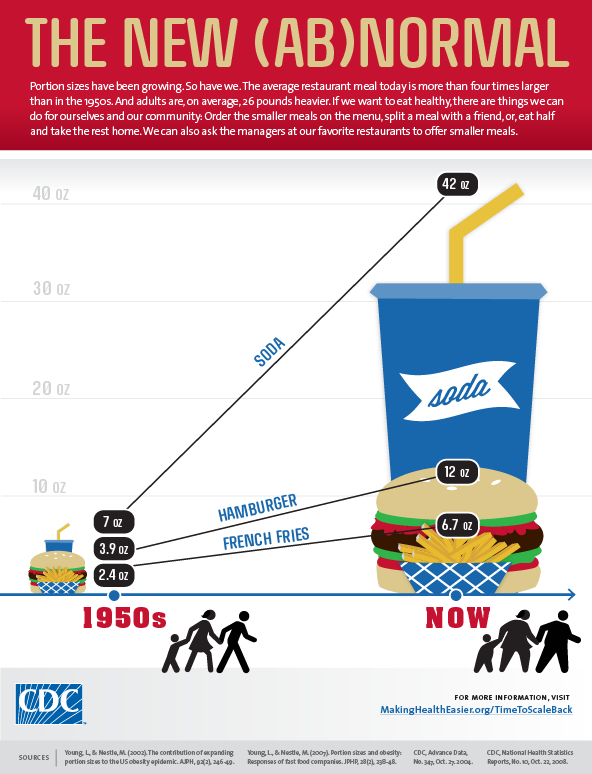
  • Empty calories from added sugars and solid fats contribute to 40% of daily calories for children and adolescents aged 2–18 years, affecting the overall quality of their diets. Approximately half of these empty calories come from six sources: soda, fruit drinks, dairy desserts, grain desserts, pizza, and whole milk.5
  • Adolescents drink more full-calorie soda per day than milk. Males aged 12–19 years drink an average of 22 ounces of full-calorie soda per day, more than twice their intake of fluid milk (10 ounces), and females drink an average of 14 ounces of full-calorie soda and only 6 ounces of fluid milk.6

Diet and Academic Performance

  • Eating a healthy breakfast is associated with improved cognitive function (especially memory), reduced absenteeism, and improved mood.13-15

Credits to www.cdc.gov

National Farmers Week

image002

Help support your local farmers and small business owners by going to your local farmers market this summer! This week is National Farmers Week and it is from August 2-8. Take advantage of locally grown foods that are cheap and healthy. Here are some tips on how to enjoy the farmers market.

  • Find where your local farmers market are. It’s most likely that your area will have more than one spot for farmers and sellers to sell their produces and products. So do your research and go to multiple spots to find your favorite farmers market.
  • You’re supporting the local economy! You are helping out others while getting great things in exchange. Farmers market often have better produces/products at a lower price than groceries.
  • Shop with family, friends, and get to know your community. It is a great way to interact with people from your community and learn more about the available businesses around your area.
  • Eat yummy foods! There will be food stalls that are not offered somewhere else and could be unique only to those certain areas. So explore new flavors and have fun trying new foods from all kinds of backgrounds.

GLGB_Infographic_Final

Photo credits belong to www.cdc.gov

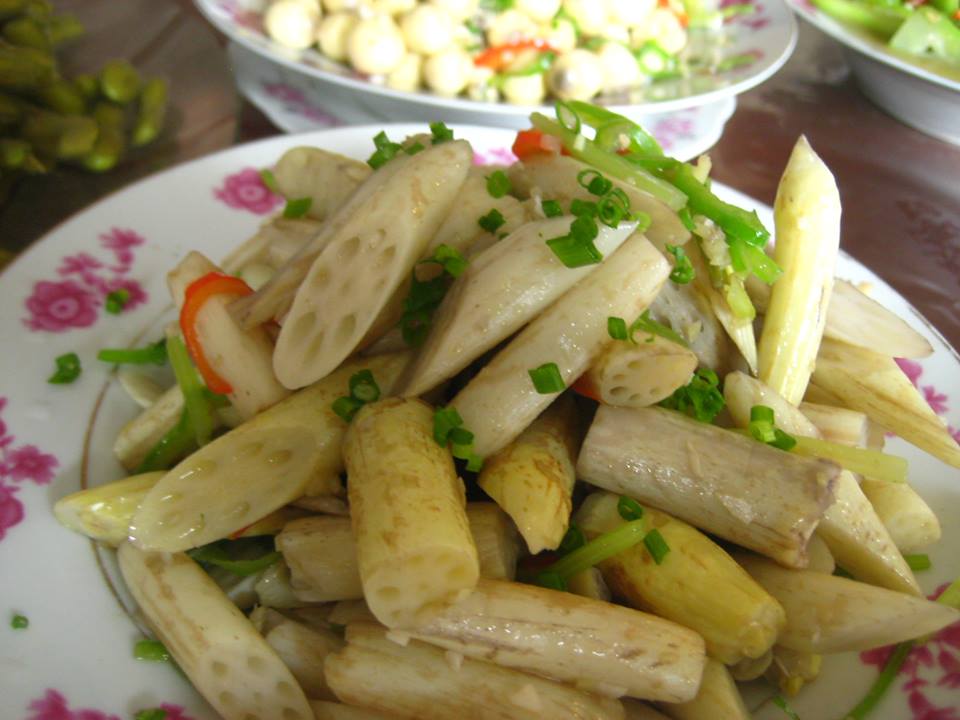
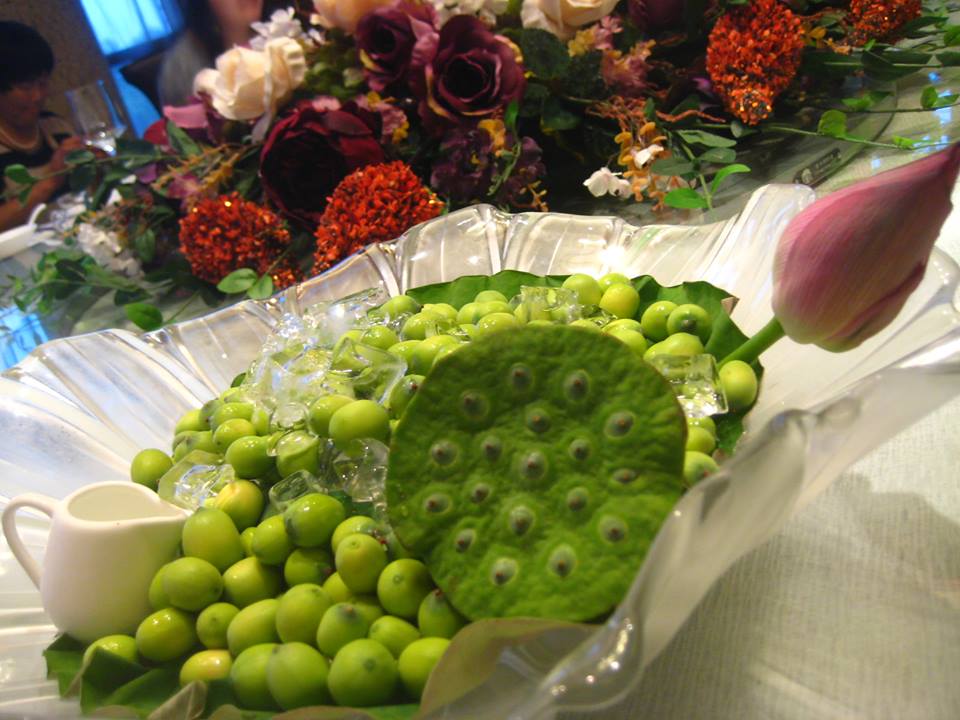
Edible Lotus?

11051741_10206806208461111_3922905837484592091_n

by Tanya Zhu

The lotus is an amazingly delicious plant. Aside from the medicinal uses of the lotus plant, the entire plant is edible. After the flower blooms, the golden seed pod turns a vibrant green, which grows larger as the seeds fatten. Eating fresh lotus seeds from a newly picked pod is heaven on earth. The seed germ has not yet developed its signature bitter taste, so you can pop the whole thing in your mouth. The stem of the lotus can be sauteed, as can the lotus root. The root and seeds are the most commonly used parts, but the lotus leaf is great for eating (with scrambled eggs) or wrapping (zong zi!) or as a tea, while the flower can also be lightly battered and fried (not unlike elephant ears). Yum.

11141219_10206806186580564_7177724110967514628_n

11403010_10206806183100477_1294888776554573142_n

11755917_10206806211101177_5425234368581936760_n