Important Proverbs We Should All Live By

According to www.yourdictionary.com/proverb, “the definition of a proverb is a short saying that is widely used to express an obvious truth”.

So why exactly are proverbs important to know? Well, they influence the way people interact with one another and the way we could perceive different situations. Often, they teach us important values in terms of respect, acceptance, love, responsibility, and more. Proverbs can teach us different aspects of many cultures and give us insights how people used to thought in the past. So here is a collection of proverbs from all kinds of cultures!

1. Korea : “A picture of a rice cake.”

In the Korean culture, rice cakes are loved by many people. If there’s only a picture of rice cakes, they can’t literally eat it. So the meaning behind this proverb is that you shouldn’t develop a desire that you cannot have.

2. China: “Do not do to others what you don’t want done to yourself.”

In Chinese cultures, there is an important emphasize of being a good nature person. That means that you wouldn’t want to do anything that would disrespect, harm, or possibly affect someone in a negative way because you wouldn’t want them to happen to you too. So treat people like how you want to be treated.

3. Vietnamese: “Ghosts have no pity on the sickly. Robbers have no pity for the poor.”

Life is about experiencing ups and down. It won’t be a smooth sail and expect to have good and bad situations because you can’t predict the uncertainly of what life may offer  you.

4. Thai: “As diligent as an ant.”

Thai people can see how little ants are and recognize that they work very hard. That is why even if it is hard work, be determined to carry out your responsibility.

5. Japan: “If you do not enter the tiger’s cave, you will not catch its cub.”

You can’ expect life to give you everything. Sometimes, it is up to you to take the initial step. So if you don’t risk trying, you will not get what you want.

6. Filipino: “A monkey dressed up is still a monkey.”

You can change your outer appearances and what you wear, but you are still who you are. It takes more than that to change yourself.


Eat & Cater Your Own Healthy Diet

There’s a saying that “you are what you eat”. Often time, people don’t realize that part of being healthy is eating healthy and it is in our human nature to want to eat yummy delicious food. Unhealthy food that are fried, loaded with fat, sodium, and have too much sugar can cause you to feel sick inside and out. That is why it isn’t ideal to eat out often or eat junk food on a daily basis because it does affect your health. Also, eating a limited range of foods doesn’t give you proper nutrients, it can contribute to obesity, and body related diseases. So it is up to you to determine how your body can become more healthy or unhealthy. It doesn’t take much, but for you to realize what you’re putting in your body.

Tip 1: Cook your own food. Even if your food isn’t organic, you can wash it multiple times and cook it properly. Also, you know what you’re eating, how much you’re consuming, and what you put in it. So you would know what’s in it compared to eating something that was prepared unseen.

Tip 2: Balance your eating habits. It’s ideal to have at least 3 proper meals a day, but eating snacks in between breakfast, lunch, and dinner can actually benefit you. It’s because you won’t feel the need to eat more when you’re less hungry and your body will crave less. You may consume more calories here and there, but remember these are snacks, not a small meal. So just be careful of what you are snacking on.

Tip 3: Have varieties in your dishes. This means that keep your diet full of different fruits, veggies, carbs, proteins, and such. If you’re stuck on a certain carb like bread or rice, make sure to mix it up and add some color. You’ll enjoy eating something more with colors and textures.

Tip 4: Cut down on eating junk food. We all have some cravings at some point, but we can always try to decrease having them slowly. If you’re eating a donut today, maybe wait another 3 or 4 days to indulge again. It’s all about that balance you want to find and keep up.

Top 5: Drink water most of the time. If not, all the time. We all know pop, juices, mochas, frappes, and those other drinks have high levels of sugar. We can have them once in a while, but the body doesn’t need all that unhealthy sugar. Water can promote better circulation of fluids in the body as well as keep you hydrated throughout the day. Remember that our body does contain 50-60% of water. That’s a lot of water require to make your body function properly.

Fitness Is Fun!

Help improve your health physically and mentally by doing fun exercises! It’s never too late to take a step towards a healthy living lifestyle. Many studies all over the world has shown that people who exercises on a daily basis tend to be healthier and happier. Why? Exercising can help reduce stress hormones in your body like adrenaline and cortisol. It also promote your body to produce more of endorphins that can help raise your happiness, activity, and decrease your overall stress level. Here are some great resources to check out!

Want to know more information? The more information you know, the better you understand how your body works!

Reference: https://www.presidentschallenge.org/

E-mail at info@presidentschallenge.org for more information and questions.

Chinese/Taiwanese Americans

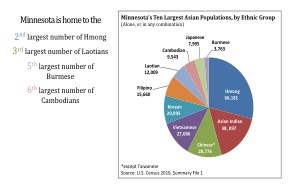
According to the 2010 U.S. Census the eight largest Asian American populations in Minnesota are the Hmong, Asian Indian, Chinese, Vietnamese, Korean, Filipino, Laotian, and Cambodian communities. Specifically, 27 percent of the total population identify themselves as Hmong, 15.5 percent are Asian Indian, 11.7 percent are Chinese, 11.1 percent are Vietnamese, 4.9 percent are Laotians, and 3.9 percent are Cambodians (See Figure 2).
Minnesota is home to over 40 different Asian Pacific Minnesotan immigrant and refugee communities. Each community has its own strengths and challenges that may be unique to that ethnic community. The following is an overview of how Chinese and Taiwanese community is faring in Minnesota.

Chinese and Taiwanese American Community Overview

chart

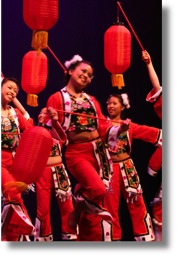
The Chinese Americans are among the earliest AAPIs who settled in Minnesota. Arriving alongside other pioneers, mostly of European descent, Chinese immigrants built their businesses and grew their community in the state starting in the mid-18th century. In the last decade alone, the Chinese and Taiwanese population grew 54.5 percent in Minnesota – much of the growth stemming from the need for highly skilled workers and the rise of Chinese and Taiwanese students seeking educational opportunities in the state’s universities and colleges.ii Although the community is only the third largest AAPI ethnic group in Minnesota, Chinese Americans continue to be the largest AAPI group in the U.S. with an average age of 45 years old.i APA ComMNet REACH CORE project staff and volunteers met with Chinese and Taiwanese American community members and leaders throughout the Twin Cities to understand the community’s strengths, challenges and other social and environmental factors affecting its overall health and wellbeing.

chinese dancers

Chinese and Taiwanese American Community Strengths

Chinese and Taiwanese Americans who participated in the project pointed to their increased economic vitality and the ability to maintain a strong cultural identity as strengths in their community. The Chinese and Taiwanese American community in Minnesota has contributed to the creation and growth of area businesses and improved the state’s economy for over a century.ii Increased economic opportunities may be evident in the higher income most Chinese and Taiwanese American families have. The average household income for Chinese and Taiwanese Minnesotans ranges at $73,333.i The Chinese and Taiwanese community also discussed their pride for Chinese and Taiwanese culture and traditions. Community members stated that they believe their cultural heritage is a source of community and individual health. Dr. Niccu Tarafarrodi, a community health researcher, stated in her 2010 report:

“Art and craft are a central part of Chinese culture and of the personal identity of many Chinese. Interview participants stated that they believed the enjoyment of art and crafts could be helpful for relieving depression, loneliness and hopelessness.”
Chinese and Taiwanese American Community Challenges
Chinese and Taiwanese community members who participated in this project identified the lack of adequate transportation, access to affordable health care, and the limited proficiency in English of some of its members as barriers to the community’s overall health and wellbeing. With over 42 percent of the Chinese and Taiwanese population in Minnesota considered to not be proficient in English, many community members indicated that Chinese and Taiwanese Americans, particularly the elderly in the community, are unable to access appropriate care. As a guest during the Chinese and Taiwanese radio show concluded, “[We need] easy access to clinic, overcome language barrier by attending ESL classes. Not enough classes to offer senior, need more people involve and support.” Chinese and Taiwanese community members also stated that younger members seem to neglect taking care of their elderly, which is customary in traditional Chinese and Taiwanese culture. However, with many Chinese and Taiwanese Americans growing up in a society that typically employs professional help to care for their elders, younger Chinese and Taiwanese Americans’ behavior to not care for their elders in a traditional manner has affected the health of the community as a whole.

In addition, APA ComMNet survey results show that although smoking rates in the Chinese and Taiwanese American community was found to be relatively low (figure 3). Chinese and Taiwanese community members who participated in this project stated that a high number of Chinese restaurant workers smoke cigarettes, with some stating that the smoking rate of this particular population is up to 75 percent.

REACH CORE Radio Talk Show 

Chinese/Taiwanese Community

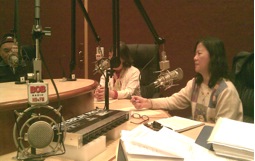
radio

Host Peiju: Chinese ancient idea about “Take care all the elders like take care our own parents”, share the great love to improve our community’s health.

Guest Shi: lack of information, do not know where to start.

Guest Li: Most of my time in CSSC is volunteering. We need to reach out to our neighbors and to our seniors. They need activities and the opportunity to get together. 2-3 days a week will be appropriate.

References:

Council of Asian-Pacific Minnesotans (CAPMN), 2012. The State of Asian Pacific Minnesotans: 2010 Census and 2008-2010 American Community Survey Report. St. Paul, MN. Published by the Council of Asian Pacific Minnesotans.

Minnesota Historical Society, 2013. “Becoming Minnesotan: Stories of Recent Immigrants and Refugees.” St. Paul, MN: Minnesota Historical Society. Retrieved January 8, 2013 (http://education.mnhs.org/immigration/)

Tafarrodi, Niccu. NorthPoint Health and Wellness Center Community Assessment Report – A Brief Qualitative Assessment of Five Ethnic Communities: Cambodian, Chinese, Hmong, Lao and Vietnamese. Minneapolis, MN.

Tackling Sexual Health Issues for Bicultural Girls

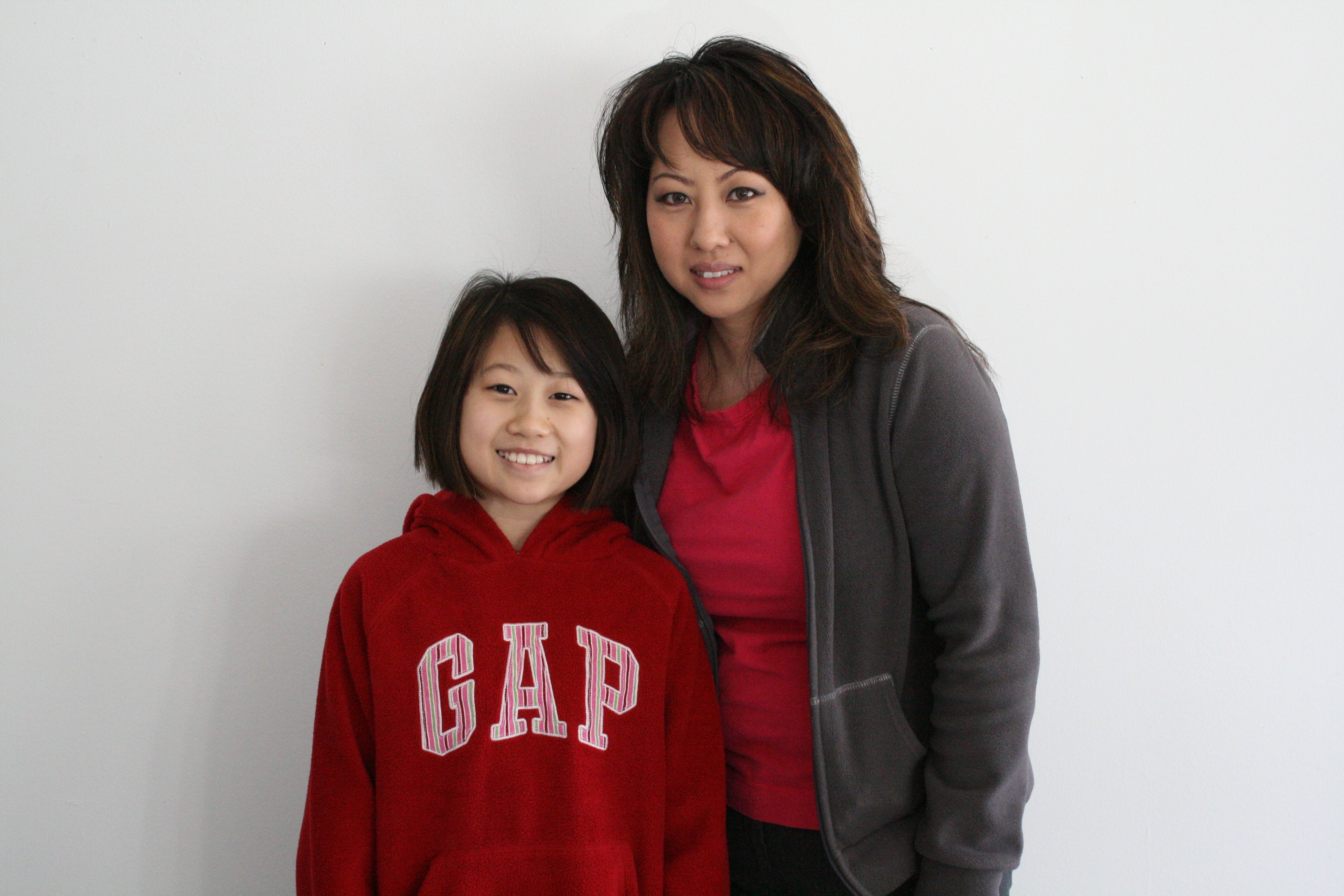
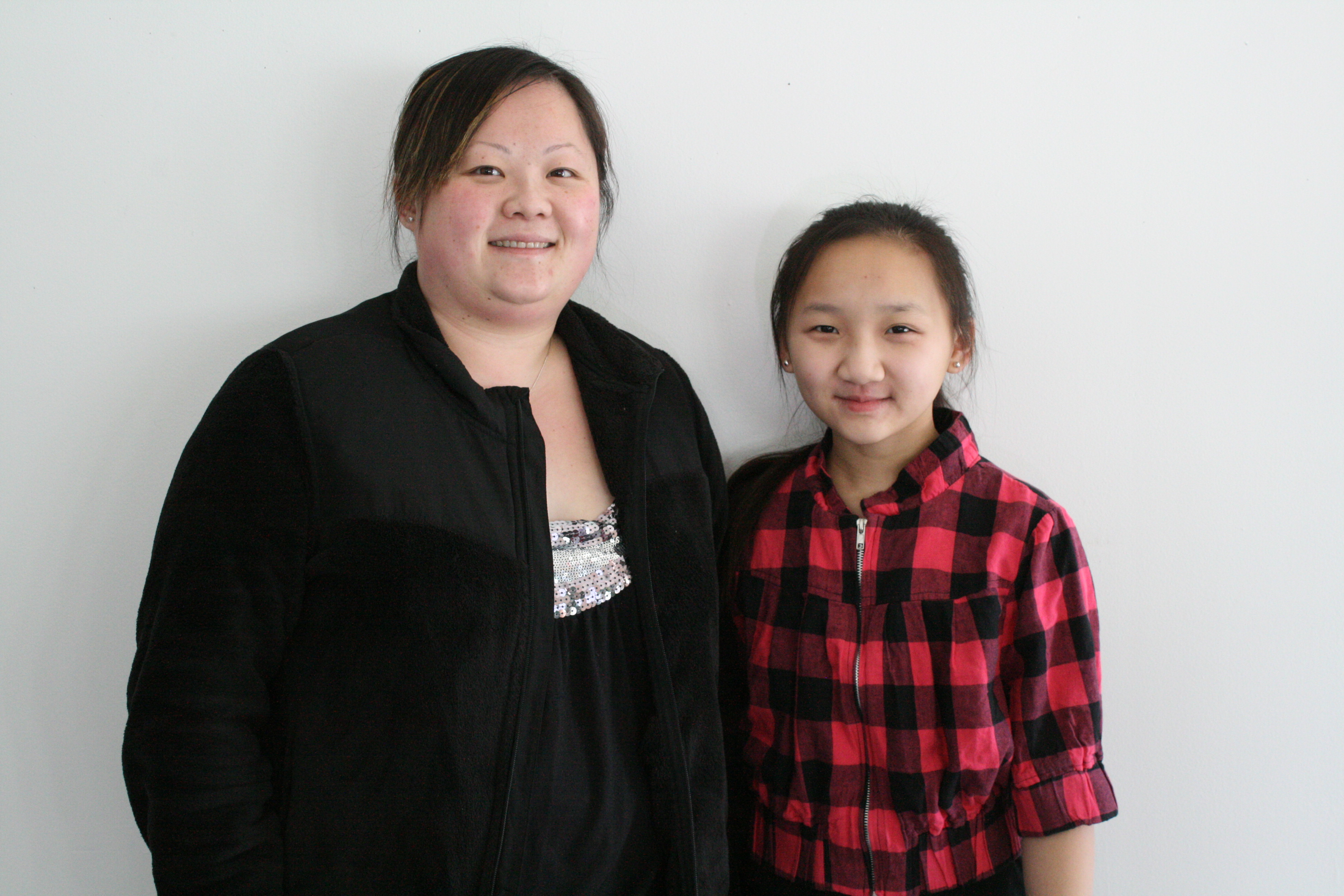
Kaonou and Asia Hang at the Celebrations of Change Event

Kaonou and Asia Hang at the Celebrations of Change Event

Growing up as a teen in a small town in Wisconsin, Kaonou Hang was taught that it was inappropriate for a proper Hmong girl to talk about sexual health issues – whether it was about boyfriends and sex, her monthly periods or simply using words for the female anatomy.   This just wasn’t done in her culture and therefore relied on her friends’ knowledge to understand the changes that were occurring in her body as she grew into adulthood.

After graduating with a degree in biology with a special interest in maternal and child health, Kaonou decided that her 9-year old daughter’s experience of puberty was going to be very different.   She attended, along with other Hmong mothers, a workshop run by the Annex Teen Clinic, a Minneapolis-based health clinic for young people.  The workshop, entitled “Celebration of Change”, created space for mothers and daughters to talk about sexual health issues with a focus on the young girls’ expectations of going through puberty. The program is a part of the Eliminating Health Disparities Initiative of the Minnesota Department of Health’s Office of Minority and Multicultural Health.

Kaonou Hang, an independent oriental medicine specialist, wrote:

As a mother of a pre-teen girl, I wanted make sure my daughter’s experience of puberty was going to be a positive one.  I also knew this was something the whole Hmong American community needed, not just me. After speaking to several community organizations, I came across the Annex Teen Clinic in North Minneapolis who had put together a sexual health curriculum called “Celebrations of Change” for African-American mothers and daughters. This was what I had been searching for.  My daughter and I, along with two other pairs of Hmong mothers and daughters were the first Asian American group to use the curriculum that was adapted for Asian Americans. I have to admit, even with my science and medical background, going into the Celebration of Change event was a little scary. I thought it was going to be filled with some serious heavy material. Instead, it was the complete opposite. It was fun, the dialogue was eye opening, and the time passed by way too quickly.  The event truly felt like a celebration of becoming a woman. Even though we were unable to cover every topic on puberty, this day allowed our daughters to know that they could come talk to us, their moms about this and any other topic.  The girls, the mothers and the instructors all thought the event was a success and the program will be rolled out to the local community in the near future.
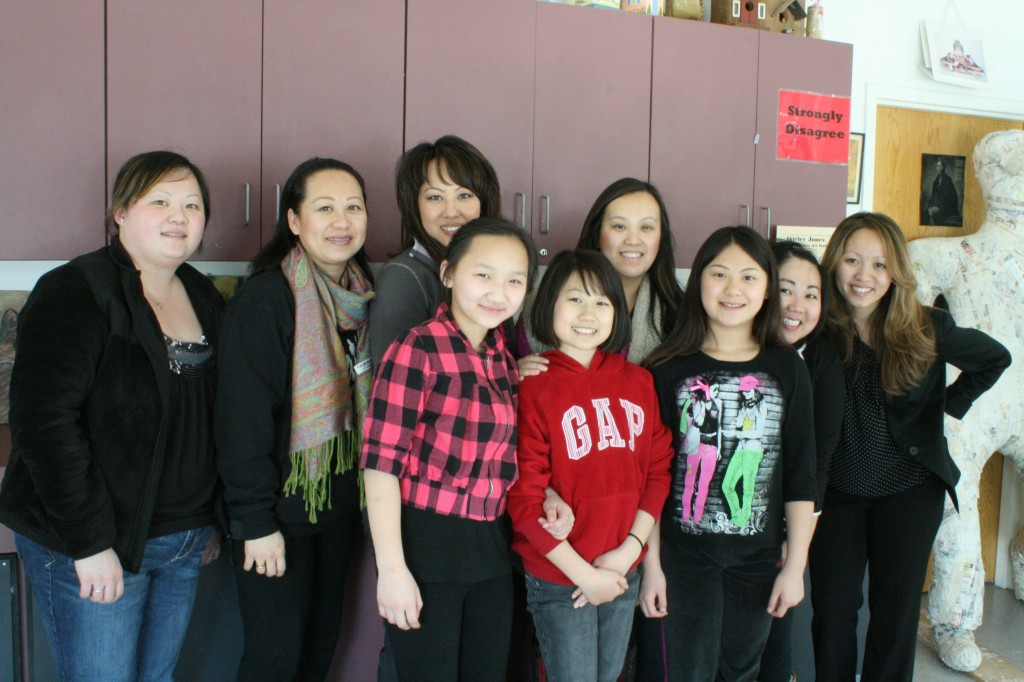
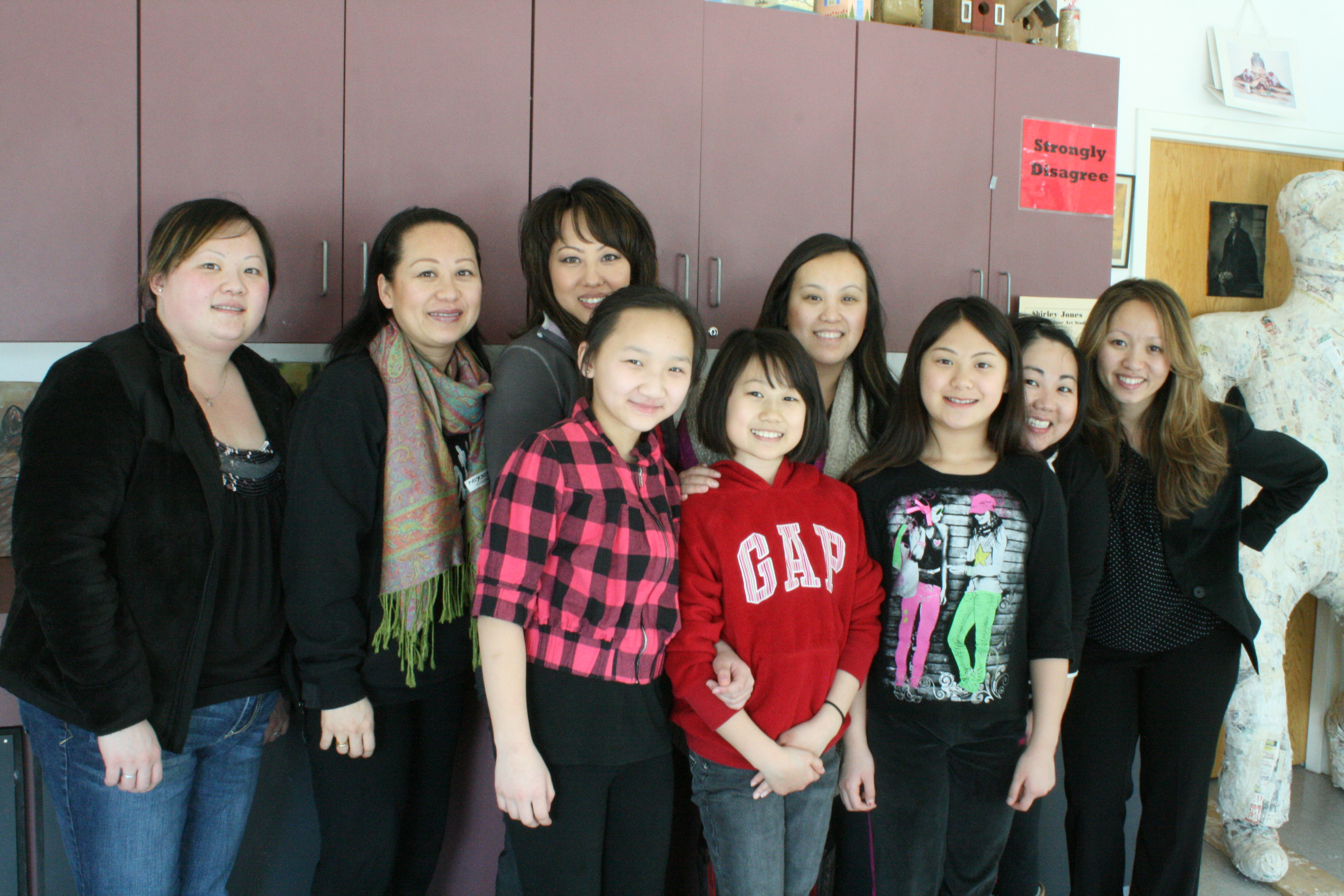
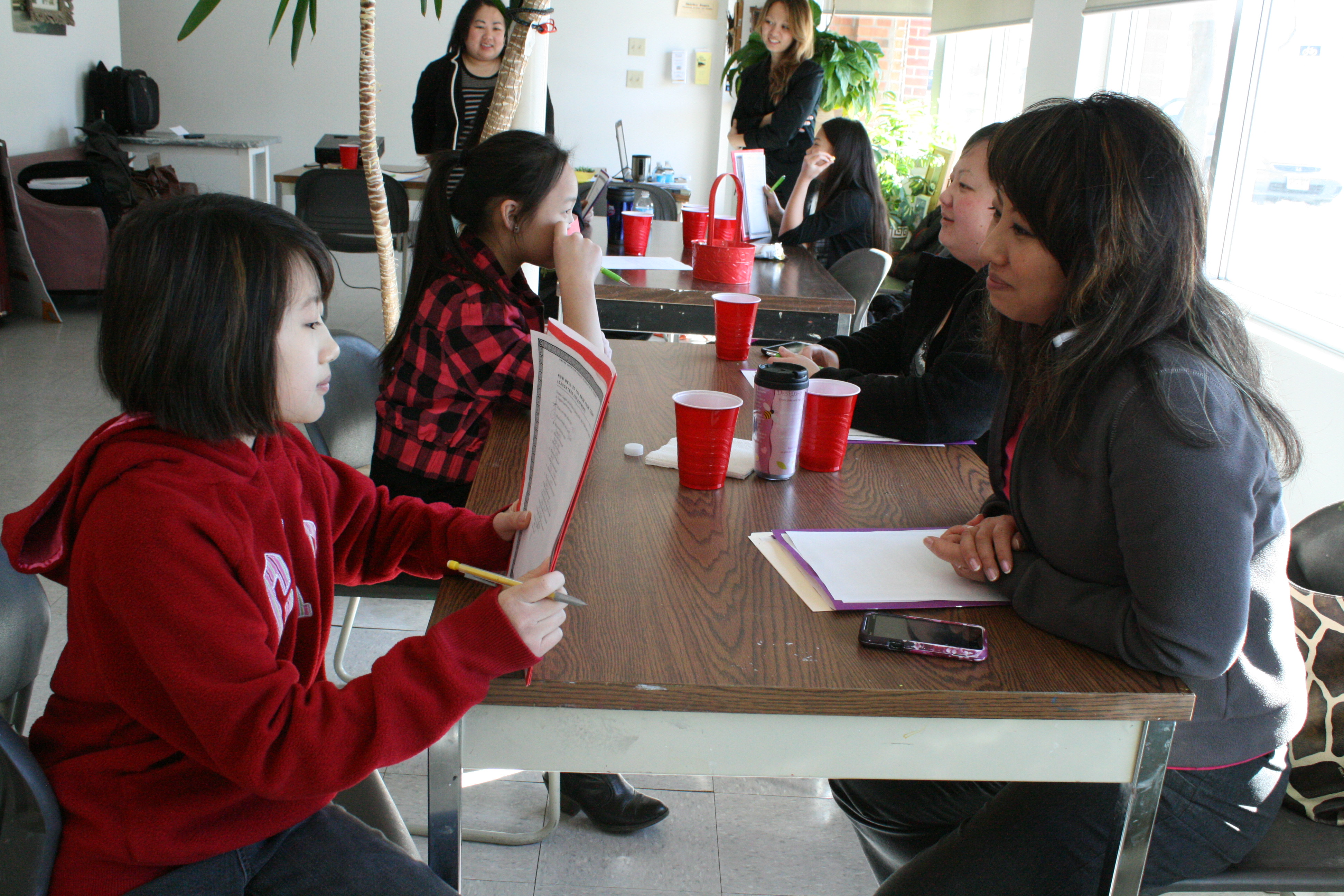
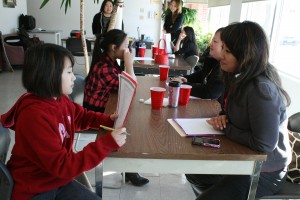
Celebrations of Change Event held on March 2, 2013 at the Annex Teen Clinic - Mothers and Daughters

Celebration of Change Event was held on Saturday, March 2, 2013 at the Annex REACH Community Office Teen Clinic in Minneapolis – A Photo of the Mothers and Daughters who attended the event.

To learn more about the Celebration of Change event and Annex Teen Clinic, we asked health educator Song Thao, the facilitator who conducted the workshop, a few questions.
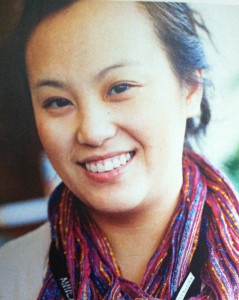
Song Thao, Health Educator at Annex Teen Clinic

Song Thao, Health Educator at Annex Teen Clinic

What is the Annex Teen Clinic?   

The Annex Teen Clinic is a sexual health clinic made for young people. We serve anyone up to the age of 26 years old.  We serve all communities in our area.

What do you do at Annex Teen Clinic?

As a health educator, a big part of my job is doing a federal grant-funded program called the Teen Outreach Program (TOP) in the schools that focus on healthy youth development.  It is a teen pregnancy prevention program designed to help young people make better decisions and to grow into an overall healthy teen.

What is the Celebration of Change Workshop? 

The Celebration of Change workshop is an event that started a couple years ago.  It is a flexible workshop that can be implemented over a few weeks, a weekend, or a full day retreat that explores healthy mother/daughter communication and healthy development during the stage of puberty. It is a program intended to help bridge the communication lines between mothers and daughters and to celebrate the time when young daughters are about to go through puberty.  The purpose is to get mothers & daughters comfortable with talking about the changes that will take place in their bodies and to celebrate this time of change.

How did the curriculum for Celebration of Change come about?

The curriculum for the Celebration of Change was developed in 1996 in an attempt to strengthen family communication around sexual health and development. It was created by a series of community members from different organizations who felt strongly about this topic.

How did you and others tailor the curriculum for the Celebration of Change Workshop to fit the Hmong community?

We kept a lot of the same information but took some information or activities out that we felt weren’t relevant to the Hmong community and we added some information that we felt the Hmong community could relate to.  I met with a few community members to gain their inputs and to figure out what would work best and get the message across the easiest.
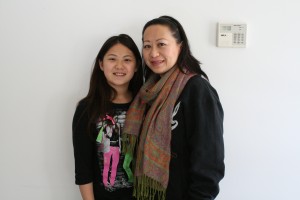
Nou Yang and her daughter Brooke at the Celebrations of Change Workshop

Nou Yang and her daughter Brooke at the Celebrations of Change Workshop

What did you find that you had to do differently with the curriculum so it would be more culturally appropriate for Hmong girls and their moms?

I felt that because talking about body parts and development was always a taboo that by just being comfortable talking about it.  I also had to explain some words in Hmong or use some kind of Hmong reference/example to get them to fully understand some of the terms we were referring to.

Why do you think its important for Hmong girls and their moms to go through this workshop?

I think it’s extremely important for mothers and daughters of any cultural group to go through this workshop but especially important for the Hmong community to go through it because it’s definitely something different.  It opens up the door for communication and gives mothers and daughters a chance to connect in a different way and really deepen their relationship.
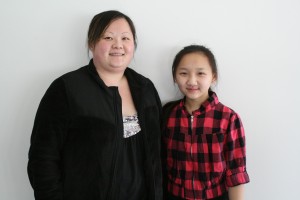
Sujin Vue and her daughter Suyi

Sujin Vue and her daughter Suyi

What did you find most surprising about having Hmong girls and moms go through the workshop compared to girls and moms who are not Hmong?

 Because this was a pilot program to see how well the Hmong community would perceive the program, I have not actually been able to compare it to other workshops.  But we do have other culturally specific celebration of change workshops that have been done in the past with the American (White) culture and the African American culture.

What have you found that helps working with Southeast Asian girls and moms to have them talk about these subjects?

I think having them split into the mother, daughter groups really helps because then they feel more free to talk or ask questions as they wish until they feel a little more comfortable.  I also think that incorporating different types of activities that still teach about sexuality really helps eases them as well as using activities that both mother and daughter can do together really helps.

Why do you think it’s difficult for Southeast Asian cultures to talk about subjects like periods, sexuality, bodies etc? 

I think it’s difficult for Southeast Asians to talk about sexuality because it is a taboo in our culture.  Also because we don’t have all the terms and words that the Western culture has.   And because it’s a generational thing.  Our parents’ parents have never talked to them because their parents haven’t talked to them and so on and that’s why our parents now don’t know how to talk to us about it. But that’s part of the reason for this workshop; it is to break the cycle so that we can freely talk about sexuality and not make it seem like it’s a bad or dirty thing to do but an educational tool.
Kaonou Hang and her daughter Asia at the workshop
Kaonou Hang and her daughter Asia at the workshop