About Minnesota’s Public Transportation

public

The public transportation, Metro Transit, is run by Metropolitan Council and has over a hundred bus routes. Public transportation are cheaper than taxi drivers since bus fares are relatively cheaper and more affordable. So if you want to get to places without spending much on transportations, taking public transportations is another cheap alternative. Here are some things you can do using the public transportation:

  • Purchase a Go-To card for your own convenience and cost varies upon the days to months. It can be used on any regular bus routes and trains.
  • Passengers are able to travel virtually anywhere they want in Minneapolis, St. Paul, Fridley, Brooklyn Park, and more.
  • Metro Transit bus routes and trains that can take passengers to many popular destinations such as the Farmer’s Market, the Target Center, the Weisman Museum, and more.
  • It is quite easy to figure out how to get from one destination to another by either using Google Maps or the Metro Transit’s Trip Planner.
  • Figure out bus and light rail routes, plan your next trip, schedules, and more information by going to the official website.

Summer Countdown

do-the-summer-countdown-sprockets-saint-paul_crop

Here is a summer challenge to keep you motivated to stay healthy this summer! It can be easily done by taking small steps. The Countdown is fairly simple:

Days a Week of Active Play

New Places to Visit 

Fresh Fruits and Veggies Daily 

Summer Projects 

Time a day with a Good Book 

0 Soda pop – Drink more water

These points are great not only for youth and families but great to keep in mind as summer approaching –  Are your youth active? Are they eating healthy? Are they drinking enough water?

Do the Summer Countdown, even better do the DAILY countdown!!!!
Credits belong to original author.

Teen Pregnancy Rate among Asian Girls in Minnesota

Compared to American overall teen pregnancy rates, Asian girls have much higher teen pregnancy rate. Here are facts which may contribute to higher teen pregnancy rate among Asian girls in Minnesota.

Here are some facts which may contribute to higher teen pregnancy among sian girls in Minnesota:

According to the report from CDC, Minnesota teens have a higher rate of LARC use than the national average. Also, the access to go to health care provider, and the use of effective birth control methods, including IUDs, and the implants, these may affect the teen pregnancy rate among Asian girls in Minnesota. All adolescents, but especially youth of color, need comprehensive and culturally competent sexual and reproductive health care. However, those of color teens face serious barrier related to sexual and reproductive health care.

Low-income and insecure family situations increased the rate of teen pregnancy among Asian girls.

In addition, weight perception, mispeception, and dating violence victimization are critical contributors to teen pregnancy rate.

Some teens don’t use condoms because they are afraid of being found by their parents. And social discrimination will significantly increase teen pregnancy rate. AAPI population has a lower social status and faces serious discrimination at their lives.

Finally, substance abuse is related to teen pregnancy. There is a higher percentage of substance abuse among AAPI population, it also increases the teen pregnancy rate.


NATIONAL ASIAN AND PACIFIC ISLANDER HIV/AIDS AWARENESS DAY

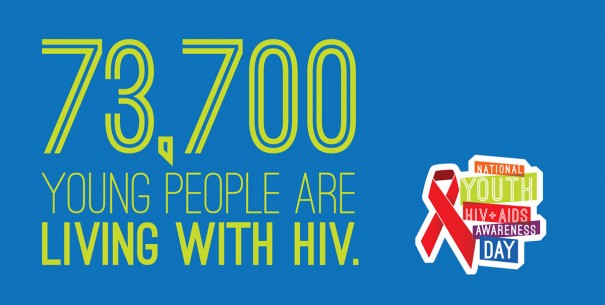
May 19th is National Asian and Pacific Islander HIV/AIDS Awareness Day


hiv-aids-2-300x224
http://guardianlv.com/wp-content/uploads/2012/08/hiv-aids-2-300×224.jpg
National Asian & Pacific Islander HIV/AIDS Awareness Day was first observed in 2005, established by the Banyan Tree Project, a national social marketing campaign to stop HIV/AIDS-related stigma in Asian & Pacific Islander (A&PI) communities. On this day, Organizations around the country dedicated to providing HIV/AIDS services to A&PIs host events in their communities to raise awareness about the impact of HIV/AIDS-related stigma.

According to the CDC, Did you know:

  • The number of HIV diagnoses among Asians has increased in recent years, along with the growth of the Asian population in the United States.
  • Nearly two-thirds of Asians and nearly three-quarters of Pacific Islanders have NEVER been tested for HIV.
  • More than 1 in 5 Asians living with HIV do not know they have it.
Learn more about getting involved in observances in your community or about HIV/AIDS here.
Credits belong to original author.

Teenager pregnancy awareness

Wednesday, May 6, will mark the 14th annual National Day to Prevent Teen Pregnancy. It is organized and overseen by the National Campaign to Prevent Teen and Unintended Pregnancy, the National Day is supported by almost 200 organizational partners; in 2013, almost 500,000 individuals participated.

The rate of teenager pregnancy among AAPI population is much higher than national level in the United States. Therefore, it is important to get our attention on teenager pregnancy issue.

Tips to prevent teenage pregnancy:

1. Be clear about your own sexual value

2. Talk with your children early and often about sex and be specific

3. supervises and monitors your children and adolscents

4. Know your children’s friends and families

5. Discourage early, frequent and steady dating

6. Take a stand against your daughter dating a boy significantly older

7. Help your children have more attractive options for the future than early pregnancy and parenthood

8. Let your children know you value education highly

9. Know what your children are watching, listening to and reading

10. Have a closer relationship with your children at an early age

Additional resources for teenage pregnancy help:

Everyday Miracles

www.everyday-miracles.org/

612-353-6293

FamilyWise Services (formerly Genesis II for Families)

www.familywiseservices.org/

612-617-0191

Heling Us Grow (HUG)

763-504-4983

Hennepin County Child Care Assistance

612-348-5937

Hennepin County Child & Teen Checkups

612-348-5131


Running Time!

run copy

Running is one of the oldest ways of exercising and has been proven to be very effective for maintaining an active lifestyle. People have been doing it for exercising, hunting, and sporting events. It is something that most people can do and fit into their schedule. Here are some tips on how to start:

  1. Stretching is very important before doing any work out! Whether you’re planning to run for 15 minutes or longer, it is good for you to stretch your muscle to relieve muscle tensions, lessen possible sore muscles, and prevent muscle cramping.
  2. Drink lots of water! Do it before, during, and after you have run. Besides the obvious fast paced breathing for oxygen, water is another important source for your body to reboot itself.
  3. Running is cardio work out! If you’re looking to lose weight, running is a great way to do it! You will have to work around and understand how your body loses and gains weight. The best combination to losing weight is dieting and sticking to a exercise schedule. Of course, a mix of cardio exercising will help your body more than just running.
  4. Wear proper work out gears! Some clothes, accessories, and shoes are better suited for working out because of the technology and material behind it. They are made to help absorb the sweat and give you more comfort while working out. And they can somewhat motivate you to work out even more.
  5. It’s great for the body and soul! Exercising helps decrease stress and raise your brain activity. When you are engaging in physical activities, it helps pump more blood, raise your heart beat, and release brain chemicals that makes you feel better. So you are helping yourself destress, losing calories, and incorporating more positive feelings into yourself.

Flu Season

What Is Flu Season?

Flu season is the time of year when the flu virus is most common. Flu season usually begins when cold weather appears. It’s simply a characteristic of the flu and the time of the seasons.

Outbreaks of the flu occur in different seasonal patterns around the world. In temperate climate zones, flu season will typically begin in the late fall and peak in mid-to-late winter.

Flu Season in the United States

Annual outbreaks of seasonal usually occur during the fall through early spring. In a typical year, approximately 5 to 20 percent of the population gets the seasonal flu. Flu-related deaths range from 3.000 to 48,600 (average 23,600). A seasonal flu vaccine is available.

The overall health impact of the flu varies from year to year. Unfortunately, rates of infection, hospitalizations, and deaths can’t be predicted, but by identifying flu symptoms, and knowing about flu treatment and flu prevention options, you cna be better prepared to face the flu season.

Is It Flu?

Flu Symptoms

Flu symptoms can be mild or severe, and can come on suddenly-be sure you know your flu treatment options so you can be prepared. Symptoms generally appear 1 to 4 days after exposure to the virus.

If you have one or more of the symptoms, you could have the flu.

Flu  Prevention Tips

Don’t have the flu and don’t want to get it? Here some some health habits you can work into your life to minimize the chances of getting the flu.

Wash your hands

The flu virus can spread by direct contact, such as sharing drinks, or through indirect contact, such as when an infected coworker sneezes on her hands, and touches an object like the lunchroom microwave door. The influenza virus can live for 2 to 8 hours on surfaces. During flu season, everyone should wash their hands frequently to reduce the risk of transmitting germs to others.

Wash your hands to prevent flu

Cover your sneezes and coughs

When you sneeze or cough, cover your nose and mouth with a tissue (not your hands), and be sure to throw the tissue away immediately.

You can also cough into your sleeve if you don’t have a tissue handy. Hand sanitizers can also help. Try to avoid touching your eyes, nose, or mouth to keep germs away.


AMA: REACH Vietnamese

AsianMediaAccess

Here is a recap from one of the radio talk show done by Asian Media Access. This time around it is focused on the Vietnamese community with issues that arises in health care, culture, and community. It is great way to get direct insights on how these problems can be discussed, addressed, and shared with others.

Asian Media Access: Radio Talk Show

February 14, 2012 9:30am

14443 Armstrong Boulevard Northeast

Ramsey, MN 55303

Radio Talk Show Summary

Guests: Kieu Anh (KA), Anh Ha (AH), Amy Yen (AY), Thiep Nguyen (TN), Nancy Le (NL), Thinh Nguyen (THN)

Host: Phuoc Tran (PT), librarian at Hennnepin County Library

PT: Welcoming guests. Introduced self and the topic of discussion: A look at health disparities in the Vietnamese community in Minnesota as part of the Health Disparities project of Asian Media Access

KA: Introduced self- happy to be part of the project

AH: Introduced self- had been in Minnesota more than 4 years, happy to share her experiences on health care issues

AY: Introduced self-very happy to join the group in discussing health disparities and services of the Vietnamese community in the Twin Cities

TH: Introduced self-had been in Minneapolis, Minnesota more than 30 year, retired

NL: Introduced self- had been in Minnesota for a long time and so happy to discuss about health disparities in the Vietnamese community

THN: Introduced self-happy to be part of the discussion

PT: A recent survey of 103 Vietnamese people over 40 years showed that only 70% had an annual check-up. Why?

  • NL: No health insurance coverage; language barrier (Many immigrants and seniors have low educational level in addition to the language barrier they face when trying to communicate with doctors and health care providers); habit of avoiding doctors in fear of finding out that they might have a serious illness
  • KA: Co-Payments and health insurance premiums are high and expensive; no health insurance coverage from employer; language barrier; the lack of transportation hinders Vietnamese seniors from accessing their health care provider even if they have health care coverage
  • AY: Main reasons for not having annual check-up: having health insurance coverage, but people were busy and ignored it; lack of health coverage; tend to view health care as necessary only when they’re sick.
  • NL: Raise questions about patients were kept in the waiting room for too long before they see the doctor/ urgent care
  • PT: Co-Payments and health insurance premiums are high and expensive.
  • TN: – paid $500 for health insurance after his retirement and it was too much with today’s economy and decided not to buy it if having a good health.

– Medicine prices were often high and not affordable in America, so it was           common to see people buy medicine in Vietnam at a much lower price

– Language barrier: Many immigrants and seniors have low educational level in addition to the language barrier they face when trying to communicate with doctors and health care providers

PT: Questions on health disparities in the Vietnamese Community in Minnesota?

  • NL: Feel unreasonable to pay high cost of health insurance while they may not be utilizing it. Why they need to pay more co-payment in addition to high premium cost; rather pay for daily expenses to their children than pay high cost insurance. Co-Payments and health insurance premiums were high and expensive; the cumbersome paperwork required to take part in government insurance programs has also contributed to the lack of health care coverage for many Vietnamese people.
  • AH: Not happy to pay high cost health insurance, but get limited services and high co-payment. Rather not having health insurance and buy medicine over the counter and have free mammogram services. Co-Payments and health insurance premiums are high and expensive. Couldn’t afford to buy health insurance
  • NL: Sorry for jumping to the discussion:

Medicare health insurance VS employee health insurance: limited services and doctor’s appointment in Government health insurance.

  • PT: Time for advertisement. We’ll come back to our next question.

2 minutes Break Time

  • PT:   Welcome back and discuss on co-payments and affordability on health insurance.
  • TN: Suggestions on health disparities: Vietnamese non-profit organization/ program, like First Call-United Way for free, updated information and referral program; free clinic or low cost clinic for new comers and low income families.
  • PT: Share info on Phillips Neighborhood Clinic, a free clinic operated by University of Minnesota health professional students. All students are supervised by licensed clinicians. No Appointments or Insurance Necessary. Spanish Interpreters are available at all times. No Appointments or Insurance Necessary; Give a Kid’s Smile (free dental exam for k-12);
  • KA: No one knew about these free clinic/services. Lack of resources /information in the Vietnamese community
  • PT: Great idea to have more resources published /advertised to the community via media outlets
  • AH: Why there was no interpreters in these free clinics while there was a interpretation phone line /interpreters in regular doctor office/clinic?
  • TH: Lack of sharing resources, no knowledge of such free clinic/services
  • AY: No knowledge of medical procedures/practices: thought they can see any doctor they wish or visit any hospital they choose; not happy to ask for a referral to see a specialist
  • NL: Not counting a lot of waiting time in the doctor’s office/ emergency room. Most people didn’t see the importance of preventive health services. They were unaware of what their health status was due to a habit of avoiding doctors in fear of finding out that they might have a serious illness
  • PT: Too much paperwork, no knowledge of medical procedures/practices shine people away from the doctor’s office
  • TN: It depended on health care policy some didn’t require a referral to see a specialist

2 minutes Break

  • PT: Welcome back. A need of resources and free clinic, free medicine and how to do it in the Vietnamese Community.
  • THN: We should have different media sources, local magazines, newspapers for seminating health information and resources
  • KA: In addition, information should be shared and brought to social and community gatherings every week
  • PT: Great idea to come to the weekly elderly gathering to share these resources
  • TN: A need of tailoring programs that fit both the audience’s need and the community’s resources.
  • NL : Development of health education, such as flyers, brochures and media materials in Vietnamese
  • AH: A need of developing a health issues website to cover all counties so everyone, including patients, new comers, health care providers, can use it as first resource.
  • PT: Significant use of traditional health practices VS Western Medicine. Why?
  • KA: Tendency to use herbal and traditional medicine among the elders. Use it as alternative or complementary medicine. Herbal treatments are the most popular form of traditional medicine and safe or carry no risk for harm. They are easy to buy and affordable, 10 times cheaper than medicine.
  • TN: Ensure the use of safe, effective and quality products and practices and watch for side effects
  • PT: Language barrier, no knowledge of medical terminology, cultural differences between patients and doctors are among the health disparities in the Vietnamese community
  • AY: Most of the clinics and hospitals have interpretation services while one might not find this service in a private doctor’s office.
  • THN: There were some complaints on interpretation services that weren’t good enough, lack of efficiency/ accuracy. All educational interpreters should have training, certification, and basic qualifications as required by the regulations of the state and by the interpreting industry

Solutions suggested by participants

  1. Free clinic low cost coverage
  2. Community physician who worked for a non-profit clinic that served low income, uninsured and underserved families
  3. Increase interpretation services
  4. Development of health education, such as flyers, brochures and media material in Vietnamese
  5. Reaching out to seniors through various venues, including weekly meetings, community gatherings/events, ethnic media (radio ,T.V, newspaper)
  6. Create a newsletter or website in Vietnamese that list updated resource/ news on health issues
  7. Getting the word out locally “word of mouth”
  8. Recruit community volunteers from within the Vietnamese community to be day doctors or health providers

PT: Thanks to everyone for their participation.

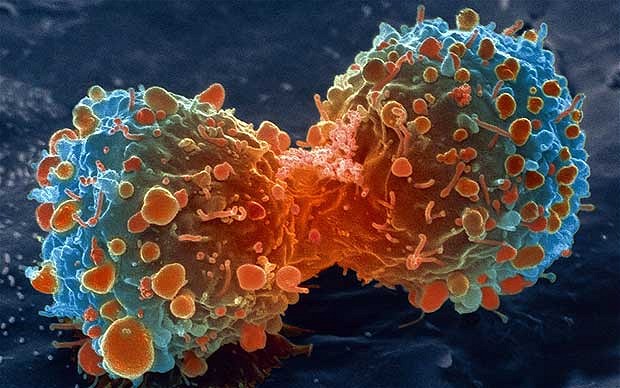
What Causes Cancer? A shocking truth..

What Causes Cancer? A shocking truth..

written by Beatrice
 cancer-lambert_2469736b

I was shocked the first time I heard how and WHY cancer happened. I was also surprised that the medical doctors I have met throughout this journey never explained to me WHY cancer happens at the first place, because we need to know the WHY to get to the prevention/improvement.

This 8 minute video by Shafin de Zane explains well the cancer happens at the first place because our cells are trying to protect itself by mutating, otherwise it would die because it is swimming in a sea of toxins. And also, it shares how cancer can be prevented quite easily. Please do watch this and share with others!