National Park Week and National ParkRx Day

National Park Week is America’s largest celebration of national heritage. It’s about making great connections, exploring amazing places, discovering open spaces, enjoying affordable vacations, and enhancing America’s best idea—the national parks! It’s all happening in your national parks. The National Park Service is once again partnering with the National Park Foundation, the official charity of America’s national parks, to present National Park Week from April 15 to 23, 2017.

Plan your visit by what you want to do or where you want to go. Here are some highlights during National Park Week:

  • April 15–16 and 22–23: Visit for free!
    On these National Park Week weekends, every national park will give you free admission!
  • April 15: Junior Ranger Day
    Calling kids of all ages! Earn a Junior Ranger badge at one of the many fun programs happening at parks across the country.
  • April 22: Earth Day
    Join a volunteer project or simply enjoy the natural wonders and wildlife preserved in national parks.
  • April 23: Park Rx Day
    Get healthy and active in a national park with a ranger-led program or with family and friends. Learn more about Park Rx Day.
  • April 23: Volunteer Recognition Day
    Find volunteer opportunities at a national park. If you are a current volunteer, share your story of why you volunteer and be recognized on social media. Learn more about Volunteer Recognition Day.
Try something new this year. Find your park!

Click on links down for more info!

Info belong to https://www.nps.gov/.

Talking to Teens About Alcohol

It’s important to discuss about the topic of alcohol usage and influences among teens. Whether it may be from their parents, schools, peers, friends, and so on. It’s matter of helping teenagers to develop better decision skills and to make decisions based on what they want. Why do we care? Because we want teens to know the risks of early alcohol use and how it can affect them.

So what are some reasons why teens drink?

  • Social events and social peer pressure
  • Mental, behavior, school, and/or problems at home
  • History of abuse or trauma

What are the consequences of early drinking?

  • Possibility of increased related problems
  • Alcohol-related accidents
  • Higher risk of engaging in:
    • Sexual activity
    • Violent Crime
    • Alcoholism

Belongs to rightful owner.

Postcard Highlights | March 2017

March was a month of many movements and spreading more knowledge to the world. Let’s take the time to highlight positive thinking within ourselves. With many things going around us, we can get caught up in the things that affects us negativeity. It’s important to take the time to reflect, process, and understand how is it that we perceive things. Here are some quotes to help inspire you today.

Minnesota’s Number 3 in US State Ranking

Minnesota welcomes you sign at the state border

mnlyme.org

ST. PAUL, MN – Citing economic opportunities, great educations, and quality health care in Minnesota, U.S. News and World Report today released a study ranking Minnesota the 3rd-best state in the nation. The study also ranked Minnesota as the best state in the region, when compared to North Dakota, South Dakota, Nebraska, Kansas, Minnesota, Iowa, and Missouri.

“This ranking affirms what we already know: we live in one of the very best states in the country,” said Governor Mark Dayton. “But we still have more work to do to ensure that Minnesota is a state that works for everyone. I urge the Legislature to join me in making the investments necessary to ensure that our state remains a national leader in education, health care, modern infrastructure, and other essential elements of economic opportunity for all our citizens.”
 
Among the categories considered in the study, Minnesota scored top rankings in opportunity, health care, infrastructure, education, and the economy. In every category scored, Minnesota beats the average of all states in the nation. The study notes that Minnesota has “the third-best health care and some of the best infrastructure and opportunity in the nation.”
 
“This study underscores that investments in education and infrastructure drive opportunities for all Minnesotans, everywhere in our state,” said Lt. Governor Tina Smith. “Governor Dayton’s Opportunity Agenda will continue this progress.”
 
Since Governor Dayton took office, the state has turned a $6 billion deficit into consistent budget surpluses, paid back $2.8 billion in debt to our schools, and added more than 255,400 jobs. Under the Governor’s leadership, the state has made investments in education every year – no excuses, no exceptions – to grow greater opportunity for all Minnesota families. Governor Dayton is now calling for An Opportunity Agenda for a Better Minnesota, to continue that progress and make Minnesota a state that works for everyone, everywhere in our state.
 
Minnesota’s Number 3 Best State Ranking
In addition to Minnesota’s national number 3 best state ranking, the study also ranked Minnesota as the number 1 state in the region, which also includes North Dakota, South Dakota, Nebraska, Kansas, Minnesota, Iowa, and Missouri. Below, see Minnesota’s rankings in the different categories studied.
 
Category
National Ranking
Regional Ranking
Opportunity
2
1
Education
3
1
Infrastructure
5
1
Health Care
3
1
Economy
12
2
Crime and Corrections
17
3
Government Administration
24
5
 
In the study, Minnesota also ranked #1 nationally for Labor Force Participation, #4 for Educational Attainment, and #5 for Medicare Quality. Additional information is available on the U.S. News and World Report website.
 
Information belong to rightful owner. For more, click here.

March is National Nutrition Month

National Nutrition Month® is a nutrition education and information campaign created annually in March by the Academy of Nutrition and Dietetics. The campaign focuses on the importance of making informed food choices and developing sound eating and physical activity habits. In addition, National Nutrition Month® promotes the Academy and its members to the public and the media as the most valuable and credible source of timely, scientifically-based food and nutrition information.

http://www.eatright.org/

History

Initiated in March 1973 as a week-long event, “National Nutrition Week” became a month-long observance in 1980 in response to growing public interest in nutrition. Read more in the article, “National Nutrition Month: A Brief History.”

Themes of the New Millennium

With the first “National Nutrition Week” in 1973, it was embraced by members of the Academy of Nutrition and Dietetics as a way to deliver nutrition education messages to the public while promoting the profession of dietetics. In 1980, the week-long celebration expanded to become National Nutrition Month®. Over the years, the theme has reflected trends and culture of the time, but has always remained true to its original purpose: “To increase the public’s awareness of the importance of good nutrition and position Academy members as the authorities in nutrition.”

2000

Food and Fitness: Health for a Lifetime

2009

Eat Right!

2001

Food and Fitness: Build a Healthy Lifestyle

2010

Nutrition From the Ground Up

2002

Start Today for a Healthy Tomorrow

2011

Eat Right with Color

2003

Healthy Eating, Healthy You

2012

Get Your Plate in Shape

2004

Eat Smart — Stay Healthy

2013

Eat Right, Your Way, Every Day

2005

Get a Taste for Nutrition

2014

Enjoy the Taste of Eating Right

2006

Step Up to Nutrition and Health

2015

Bite Into A Healthy Lifestyle

2007

100% Fad Free

2016

Savor the Flavor of Eating Right

2008

Nutrition: It’s a Matter or Fact

Information provided by http://www.eatright.org/.

International Women’s Day

https://www.internationalwomensday.com/

“International Women’s Day celebrates the social, economic, cultural and political achievement of women. Yet progress has slowed in many places across the world, so global action is needed to accelerate gender parity. In 2016 leaders across the world pledged to take action as champions of gender parity – not only for International Women’s Day, but for every day. Groups and individuals also pledged their support.

For International Women’s Day 2017, we’re asking you to #BeBoldForChange.
Call on the masses or call on yourself to help forge a better working world – a more gender inclusive world. Submit your #BeBoldForChange action via the IWD website.” – https://www.internationalwomensday.com/

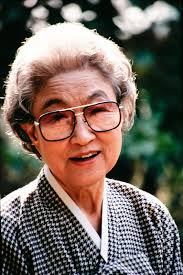
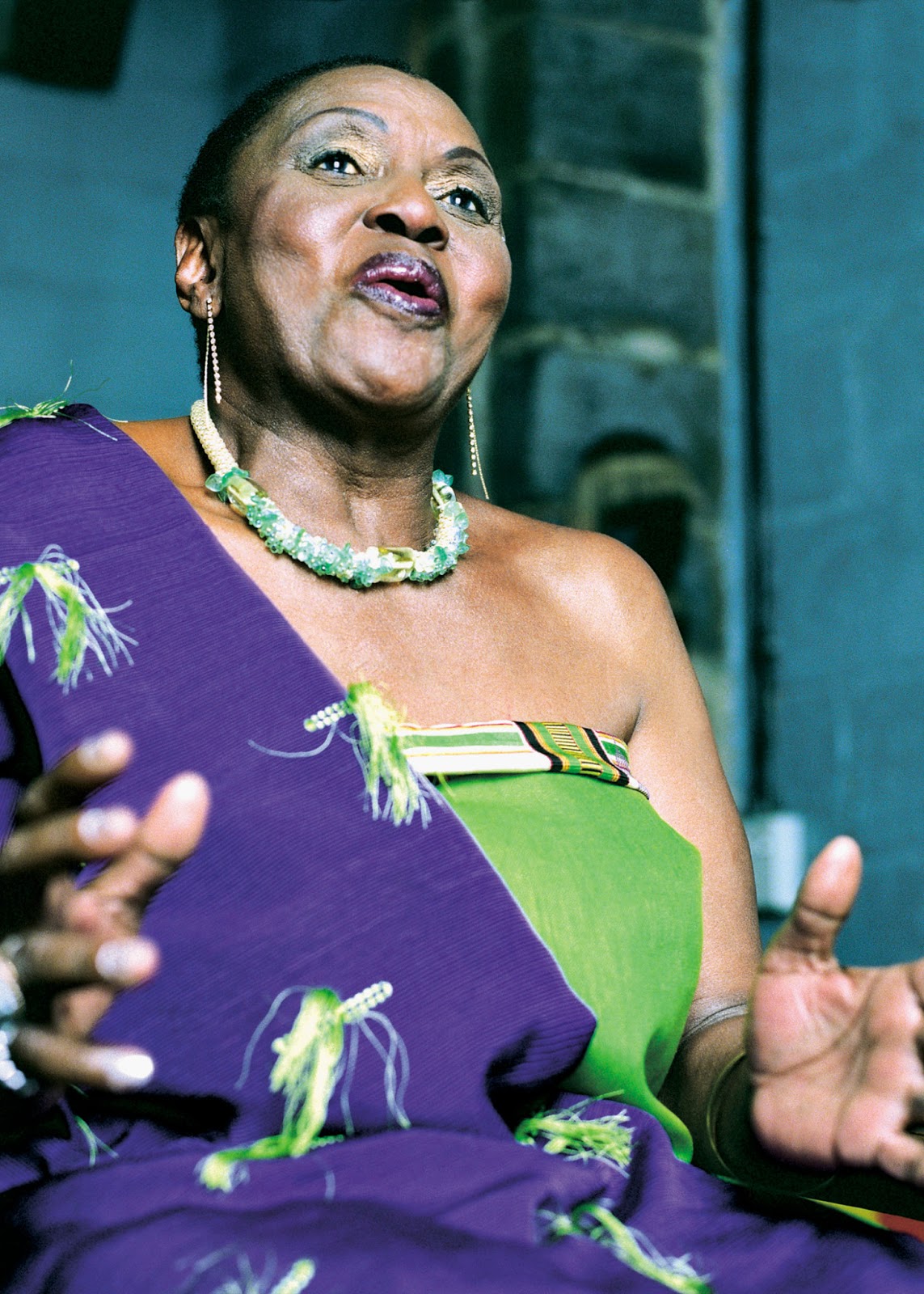
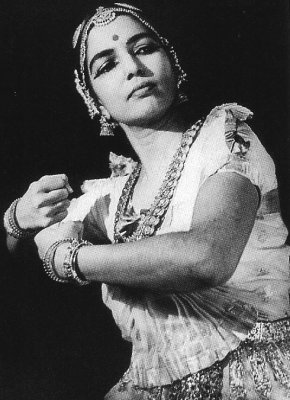
The goal is to have everyone, of all backgrounds, both men and women to support this day to showcase the world moving towards a positive direction that ensures equality among all women and men. To name a new things that needs change are equality in wages, education, healthcare, and other opportunities that are limited to women. It may not be the biggest concern in the US, but in other parts of the world these things aren’t available to young girls and women. In support of International Women’s Day, let’s highlight some historical female leaders from all around the world.

Lee Tai-Young was the first official female judge and lawyer in Korea.

Miriam Makeba was a South African leader, singer, actress, and civil rights activist.

Rukmini Devi Arundale was a choreographer, animal activist, dancer, and pioneer of traditional dancing.

Images belong to rightful owner.

Trends in Obesity Among Early Age Children

CDC

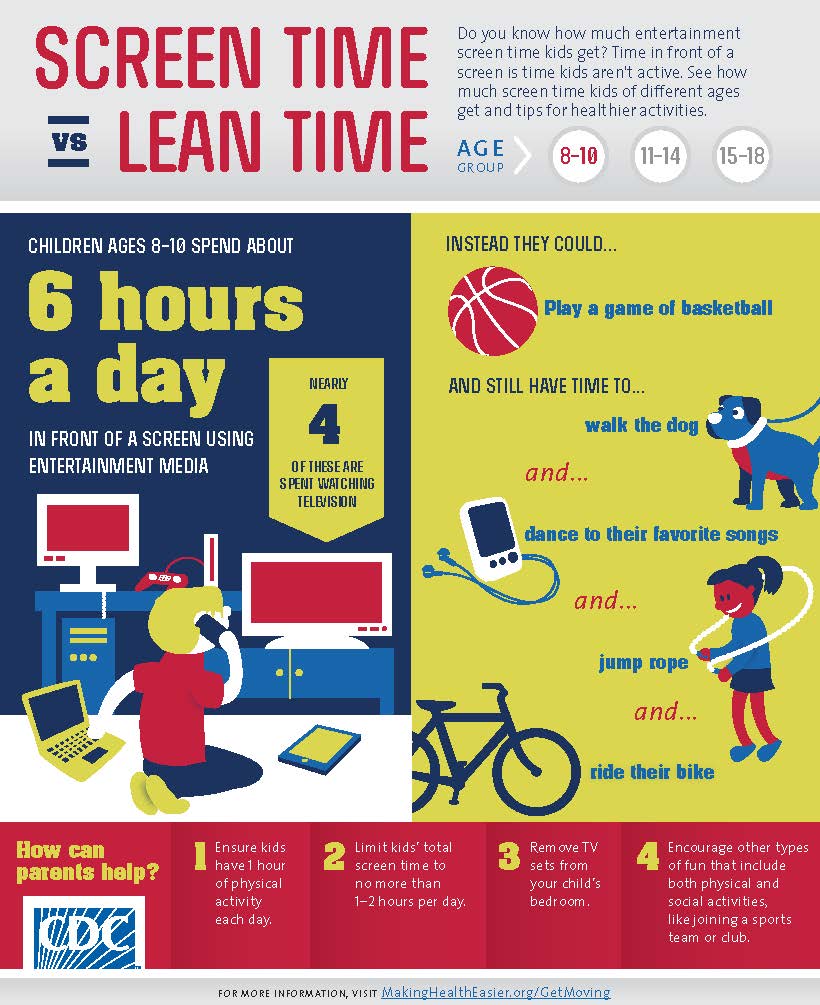
Obesity is a present health concern in the US and it’s important that it is continued to be discussed about. In order to prevent and decrease obesity rates in the US, there have been many attempts and programs to help people better understand what causes obesity, how to prevent it, and the ways we can educate people on it.

Some quick facts from a research conducted by CDC:

“Childhood obesity is associated with negative health consequences in childhood (1) that continue into adulthood (2), putting adults at risk for type 2 diabetes, cardiovascular disease, and certain cancers (1). Obesity disproportionately affects children from low-income families (3).

Overall obesity prevalence increased from 14.0% in 2000 to 15.5% in 2004 and 15.9% in 2010, and then decreased to 14.5% in 2014. During 2010–2014, the prevalence of obesity decreased significantly overall, among non-Hispanic whites, non-Hispanic blacks, Hispanics, American Indian/Alaska Natives and Asians/Pacific Islanders, and among 34 (61%) of the 56 WIC state agencies in states, the District of Columbia, and U.S. territories.” – CDC

Who is generally at risk for obesity:

  • Low-income families
  • Young mothers
  • People without access to healthy food/alternative food options

What can we do to prevent obesity?

  • Spread the knowledge of obesity among friends, families, peers, co-workers, etc. through various use of communications and social media platforms
  • Encourage people to live a active, balance, and healthier lifestyle by:
    • Encouraging healthy habits
    • Participating in activities outside of home/schools/work environment
    • Buying produces at local markets/groceries or partaking in a community garden or growing your own produces
    • Using other methods of transportation such as walking, biking, skating, etc.

Find recommended resources for minorities here.

Community Efforts Towards Healthier Living

“Community efforts across the country are improving the health of more people by working with groups that include public health professionals, hospitals, local community members, and more.

By Nolan Ly

A lack of access to healthy living opportunities in communities can affect obesity and other preventable chronic diseases. Learn more about community efforts to support healthy eating and active living: http://bit.ly/2knQTvl” – https://www.cdc.gov/

What are the benefits to a active community?

  • Reduce pollution and trash to the environment
  • Provide social and economic opportunities for the people of the community to collaborate and develop better relationships
  • Support social cohesion, events, and activities

What can you do to take part:

  • Going out to explore and enjoy the community by walking, biking, via other outdoor activities etc., either with yourself, friends, or family members.
  • Volunteering at a community garden to help grow veggies/fruits for the community and learning more about gardening along the way.
  • Educate your family, friends, and yourself on recycling, the benefits to it, and how it’s a little step towards making the Earth cleaner.
  • Volunteer for local parks and recreation centers to support and spread awareness for environmental concerns.

Being a Flexible Planner

Things don’t always go according to plan and it could be upsetting. Whether you’re an organized person or not, we all hope that the plans we make could go accordingly and smoothly. The key to counter this is by thinking about possible alternatives, keeping a open mind, and understanding that it is not the end of the world. Here are some tips to help you be a flexible planner:

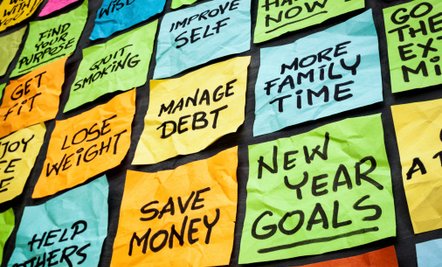
  1. Keep track of things. Set up reminders, write things down, or use a calendar to help you keep track of small to big events, goals, or dreams. It helps you the most when you take steps to motivate yourself.
  2. Make back up plans. Ask yourself what you plan to next do next if your initial plan doesn’t work out. Although you may end up getting sidetracked to point b instead of point a, just know that it can be a new opportunity for you to do something else.
  3. Throw away your feelings of dejection/rejection. It doesn’t mean that you are left with no options, in fact, there’s too many options out there in the world today. Take the time to reevaluate your situation and think about what is it that you really want to do or achieve. If you’re over/under qualified for something, seek better opportunities suited for you or seek out opportunities to improve areas in which you can work on.
  4. Being flexible means you’re open to new things. Don’t be too strict on yourself in life or refrain yourself from experiencing that you’re not used to. Even if the experience was positive/negative, you have least learn something and gain new information. Also keep in mind that it is your perspective that will influence your experiences in life and to be self-aware of your own thought process.