
9 Ways to Flatten Belly Without Dieting & Exercise

Post10Blog2

Achieving a better body is a challenge for anyone because we are all different. Some things may work for another person, but not for you. It is hard to find motivation to start working out and dieting. But don’t worry, there are some other steps you can take to feel more confident. Here are some ways in which you can easily achieve those goals:

MJS-Posture10p1-1

1. What about the body posture? “Yes, needless to say that having a good and perfect posture will surely reflect a better figure and diet. Kim Lyons, a Biggest Loser coach, says that straightening up your body will not only be good for our bones but also for our physique. “When your posture is good, you’re automatically engaging and toning your stomach muscles.” He advised that if you tend to forget to stand up straight, sticky notes that are strategically placed will constantly remind you. It’s not bad to try this at all. It may come difficult and tiring at first but trust me you’ll get used to it.”

bathroomrenovationsjohannesburg2

2. Bowel movements? “You definitely need to take bad toxins and wastes out of your body. Train yourself to have a bowel deposit every day. This will help you avoid feeling bloated and constipated. It’s also a good way to list in your daily routine for a good diet planning.”

womandrinkingwater

3. Drink more water! “Try to at least drink 7-8 glasses of water a day. Keep all the fluids coming! It’s also helpful for your body so that it’ll flush away those toxins. Who knew that water therapy is the best diet for a flat tummy.”

CE_0413_WomanEatingSalad

4. Eating healthier is always a plus! “Many of us don’t know about how to properly eat our food. Some just scarf down the meals meaning they just eat the food really fast and hastily. The right way is to chew each bite or intake at least 8-10 times before swallowing. Dr. Reichman says,” The body has to work overtime to break down good in the stomach and intestines, which can lead to major gas and indigestion.” In addition to this, when you’re eating fast, you’re actually swallowing some air too which could be a cause for developing a round stomach. So, chew your food thoroughly and don’t gulp. Take your time to eat the food.”

Walk_Park-smaller

5. Walking is exercise? “Now, you might say that walking is an exercise, and yes it truly is! But to take a walk is already part in our everyday lives and we can’t get rid of it knowing that it is really helpful in burning some fats plus it helps you take toxins and ailments out of your body. “Try to squeeze in a 30-minute walk daily. The simple boost in metabolism will help you burn the waistline fat more efficiently. And if you want to work out, skip those gadgets that promise “miraculous abs in minutes”. Remember that you don’t get things easily. You need to work hard for it. And going for a basic exercise such as walking will give you better results.”

29-vitamins

6. Does taking supplements help too? “C.W. Randolph, M.D., author of From Belly Fat to Belly Flat, says that excess estrogen causes the body to retain fat around the waist. The supplements, calcium D-glucarate ( 1,000 milligrams ) and B- complex, have been shown to help you excrete the hormone, which can cause to a reduced belly fats around the stomach.”

Of course, do your research and make sure that supplements you take are good for your body. And read the directions on how many you can take per day because taking too much of anything can do more bad than good.

gum_c3f445459e299593471f6bfb96597708

7. Chewing gum less is a good thing? “Researchers at the American College of Gastroenterology say that chewing a gum is also swallowing some air which can also lead to an increase size in the middle. Plus, some artificial sweeteners, such as sorbitol that is found in some gums, give out gas.”

probiotics-vs-antibiotics

8. What should I eat more of? “Probiotics are ‘good’ bacteria that help your digestive system break down food, preventing the gastrointestinal issues that can keep you from having a flat stomach,” says Jonny Bowden, Ph.D. He suggests that we should consume a daily serving of probiotic-rich food like yogurt, ginger beer, mild, dark chocolate or taking supplements containing at least 50 milligrams of probiotics.

Relaxing-Time

9. Time to relax? Dr. Reichman says that when you’re completely frazzled, your body increases the production of stress horomones and sterious, which negatively affects your digestive system, causing a major constipation. Did you know that stress pumps up the production of cortisol, a steroid hormone, which sends excess fat directly to the midsection of your body. He greatly recommends you to take at least 20 minutes a day to relax and go for something that minimizes your stress.

Information and picture belongs to original source.

Bicultural Healthy Living Can Help Memory Loss

Post10Blog4

(NaturalNews) As we grow older, we tend to worry more and more about our memory. Lapses in memory that we didn’t give much importance to when we were younger now seem to have a new meaning. It is common to do such things such as misplace things like car keys, eyeglasses and cell phones, to draw a blank on a friend’s name, to walk into a room and forget why we went there in the first place. However, although we all have had these experiences, as we age, we tend to worry about what these lapses could mean. It is important to realize that, contrary to popular belief, memory loss is not a natural process of aging. Our brains are capable of making new brain cells at any given age.

Memory loss becomes serious when it interferes with our daily activities

Examples of this are:

  • Not being able to perform daily tasks, such as paying bills, dressing properly, tending to daily hygiene, etc.
  • Getting lost in familiar places, such as an immediate neighborhood
  • Repeating the same phrases and questions in the same conversation
  • Being unable to recall recent events
  • Repeatedly misusing or garbling words
  • Difficulty in making choices
  • Exhibiting socially inappropriate behavior.

In these cases, a diagnosis is needed to determine the root of the cause.

Often though, there is a physical reason for these memory lapses. For example, there may be a nutritional deficiency or it could be due to a faulty thyroid. In older adults, dehydration could be the cause. Excessive alcohol consumption creates brain toxicity and increases the risk of such conditions as Alzheimer’s and dementia. By the same note, smoking can cause vascular disorders that can limit oxygen to the brain.

Keeping cognitive functions in a healthy state entails leading a healthy lifestyle

Making sure that the body gets the nutrition it needs includes:

  • Regular physical exercise which decreases the risk of memory loss and encourages the production of new brain cells.
  • Exercising the brain is also important. Activities such as reading, working crossword puzzles, and playing strategic games such as chess or scrabble will lower the risk of mental decline.
  • Proper nutrition that focuses on lots of fruits, vegetables, and foods containing Omega 3 fatty acids. The antioxidants in fruits and vegetables serve to help keep the brain healthy and Omega 3’s help to retain memory.
  • Giving the body the rest it needs. Sleep is necessary for all aspects involving cognitive function. Sleep deprivation leads to poor memory, concentration and decision-making.
  • Avoding stress. Stress is a very common cause of memory loss. Stress dramatically increases the ability of toxins to pass through the blood-brain barrier. Also, prolonged stress results in high cortisol levels in the body which results in impaired memory. Efforts should be made to alleviate stress. One effective way is by laughing. As opposed to emotions that affect only specific areas of the brain, laughter affects wider areas. After all, they say that laughter is the best medicine.

Supplements that prevent and help to reverse memory loss

  • Ginkgo Biloba has been used by the Chinese for thousands of years to treat memory loss.
  • Colloidal Gold improves memory, concentration, and mental focus.
  • Acetyl-I Carnatine also improves mental focus, as do amino acids such as L-Tryptophan, 5HTP, and Tyrosine.
  • B-Complex Vitamins help to prevent memory loss.
  • Inositol helps the brain to process information.
  • Choline helps in overall brain function.
  • Fortify your brain with antioxidants which include carotenoids, flavonoids, vitamin C, vitamin E, selenium and NAC (N-Acetyl Cysteine).Sources:

    http://helpguide.org/life/prevent_memory_loss.htm
    http://www.fi.edu/learn/brain/stress.html

    About the author:
    Luella May is a natural health advocate helping people to heal naturally. She partners with Tony Isaacs, who authors books and articles about natural health including “Cancer’s Natural Enemy” and “Collected Remedies” Luella contributes to The Best Years in Life website for baby boomers and others wishing to avoid prescription drugs and mainstream managed illness and live longer, healthier and happier lives naturally. Luella co-moderates the CureZone “Ask Tony Isaacs featuring Luella May” forum as well as the Yahoo Health Group “Oleander Soup” and hosts her own yahoo group focusing on the natural wellbeing of pets “The Best Years in Life Natural Health for Pets

Learn more: http://www.naturalnews.com/035394_memory_loss_natural_remedies_alternatives.html#ixzz3b07zTfV8

Credits to original author.

NATIONAL ASIAN AND PACIFIC ISLANDER HIV/AIDS AWARENESS DAY

May 19th is National Asian and Pacific Islander HIV/AIDS Awareness Day


hiv-aids-2-300x224
http://guardianlv.com/wp-content/uploads/2012/08/hiv-aids-2-300×224.jpg
National Asian & Pacific Islander HIV/AIDS Awareness Day was first observed in 2005, established by the Banyan Tree Project, a national social marketing campaign to stop HIV/AIDS-related stigma in Asian & Pacific Islander (A&PI) communities. On this day, Organizations around the country dedicated to providing HIV/AIDS services to A&PIs host events in their communities to raise awareness about the impact of HIV/AIDS-related stigma.

According to the CDC, Did you know:

  • The number of HIV diagnoses among Asians has increased in recent years, along with the growth of the Asian population in the United States.
  • Nearly two-thirds of Asians and nearly three-quarters of Pacific Islanders have NEVER been tested for HIV.
  • More than 1 in 5 Asians living with HIV do not know they have it.
Learn more about getting involved in observances in your community or about HIV/AIDS here.
Credits belong to original author.

Running Time!

run copy

Running is one of the oldest ways of exercising and has been proven to be very effective for maintaining an active lifestyle. People have been doing it for exercising, hunting, and sporting events. It is something that most people can do and fit into their schedule. Here are some tips on how to start:

  1. Stretching is very important before doing any work out! Whether you’re planning to run for 15 minutes or longer, it is good for you to stretch your muscle to relieve muscle tensions, lessen possible sore muscles, and prevent muscle cramping.
  2. Drink lots of water! Do it before, during, and after you have run. Besides the obvious fast paced breathing for oxygen, water is another important source for your body to reboot itself.
  3. Running is cardio work out! If you’re looking to lose weight, running is a great way to do it! You will have to work around and understand how your body loses and gains weight. The best combination to losing weight is dieting and sticking to a exercise schedule. Of course, a mix of cardio exercising will help your body more than just running.
  4. Wear proper work out gears! Some clothes, accessories, and shoes are better suited for working out because of the technology and material behind it. They are made to help absorb the sweat and give you more comfort while working out. And they can somewhat motivate you to work out even more.
  5. It’s great for the body and soul! Exercising helps decrease stress and raise your brain activity. When you are engaging in physical activities, it helps pump more blood, raise your heart beat, and release brain chemicals that makes you feel better. So you are helping yourself destress, losing calories, and incorporating more positive feelings into yourself.

AMA: REACH Vietnamese

AsianMediaAccess

Here is a recap from one of the radio talk show done by Asian Media Access. This time around it is focused on the Vietnamese community with issues that arises in health care, culture, and community. It is great way to get direct insights on how these problems can be discussed, addressed, and shared with others.

Asian Media Access: Radio Talk Show

February 14, 2012 9:30am

14443 Armstrong Boulevard Northeast

Ramsey, MN 55303

Radio Talk Show Summary

Guests: Kieu Anh (KA), Anh Ha (AH), Amy Yen (AY), Thiep Nguyen (TN), Nancy Le (NL), Thinh Nguyen (THN)

Host: Phuoc Tran (PT), librarian at Hennnepin County Library

PT: Welcoming guests. Introduced self and the topic of discussion: A look at health disparities in the Vietnamese community in Minnesota as part of the Health Disparities project of Asian Media Access

KA: Introduced self- happy to be part of the project

AH: Introduced self- had been in Minnesota more than 4 years, happy to share her experiences on health care issues

AY: Introduced self-very happy to join the group in discussing health disparities and services of the Vietnamese community in the Twin Cities

TH: Introduced self-had been in Minneapolis, Minnesota more than 30 year, retired

NL: Introduced self- had been in Minnesota for a long time and so happy to discuss about health disparities in the Vietnamese community

THN: Introduced self-happy to be part of the discussion

PT: A recent survey of 103 Vietnamese people over 40 years showed that only 70% had an annual check-up. Why?

  • NL: No health insurance coverage; language barrier (Many immigrants and seniors have low educational level in addition to the language barrier they face when trying to communicate with doctors and health care providers); habit of avoiding doctors in fear of finding out that they might have a serious illness
  • KA: Co-Payments and health insurance premiums are high and expensive; no health insurance coverage from employer; language barrier; the lack of transportation hinders Vietnamese seniors from accessing their health care provider even if they have health care coverage
  • AY: Main reasons for not having annual check-up: having health insurance coverage, but people were busy and ignored it; lack of health coverage; tend to view health care as necessary only when they’re sick.
  • NL: Raise questions about patients were kept in the waiting room for too long before they see the doctor/ urgent care
  • PT: Co-Payments and health insurance premiums are high and expensive.
  • TN: – paid $500 for health insurance after his retirement and it was too much with today’s economy and decided not to buy it if having a good health.

– Medicine prices were often high and not affordable in America, so it was           common to see people buy medicine in Vietnam at a much lower price

– Language barrier: Many immigrants and seniors have low educational level in addition to the language barrier they face when trying to communicate with doctors and health care providers

PT: Questions on health disparities in the Vietnamese Community in Minnesota?

  • NL: Feel unreasonable to pay high cost of health insurance while they may not be utilizing it. Why they need to pay more co-payment in addition to high premium cost; rather pay for daily expenses to their children than pay high cost insurance. Co-Payments and health insurance premiums were high and expensive; the cumbersome paperwork required to take part in government insurance programs has also contributed to the lack of health care coverage for many Vietnamese people.
  • AH: Not happy to pay high cost health insurance, but get limited services and high co-payment. Rather not having health insurance and buy medicine over the counter and have free mammogram services. Co-Payments and health insurance premiums are high and expensive. Couldn’t afford to buy health insurance
  • NL: Sorry for jumping to the discussion:

Medicare health insurance VS employee health insurance: limited services and doctor’s appointment in Government health insurance.

  • PT: Time for advertisement. We’ll come back to our next question.

2 minutes Break Time

  • PT:   Welcome back and discuss on co-payments and affordability on health insurance.
  • TN: Suggestions on health disparities: Vietnamese non-profit organization/ program, like First Call-United Way for free, updated information and referral program; free clinic or low cost clinic for new comers and low income families.
  • PT: Share info on Phillips Neighborhood Clinic, a free clinic operated by University of Minnesota health professional students. All students are supervised by licensed clinicians. No Appointments or Insurance Necessary. Spanish Interpreters are available at all times. No Appointments or Insurance Necessary; Give a Kid’s Smile (free dental exam for k-12);
  • KA: No one knew about these free clinic/services. Lack of resources /information in the Vietnamese community
  • PT: Great idea to have more resources published /advertised to the community via media outlets
  • AH: Why there was no interpreters in these free clinics while there was a interpretation phone line /interpreters in regular doctor office/clinic?
  • TH: Lack of sharing resources, no knowledge of such free clinic/services
  • AY: No knowledge of medical procedures/practices: thought they can see any doctor they wish or visit any hospital they choose; not happy to ask for a referral to see a specialist
  • NL: Not counting a lot of waiting time in the doctor’s office/ emergency room. Most people didn’t see the importance of preventive health services. They were unaware of what their health status was due to a habit of avoiding doctors in fear of finding out that they might have a serious illness
  • PT: Too much paperwork, no knowledge of medical procedures/practices shine people away from the doctor’s office
  • TN: It depended on health care policy some didn’t require a referral to see a specialist

2 minutes Break

  • PT: Welcome back. A need of resources and free clinic, free medicine and how to do it in the Vietnamese Community.
  • THN: We should have different media sources, local magazines, newspapers for seminating health information and resources
  • KA: In addition, information should be shared and brought to social and community gatherings every week
  • PT: Great idea to come to the weekly elderly gathering to share these resources
  • TN: A need of tailoring programs that fit both the audience’s need and the community’s resources.
  • NL : Development of health education, such as flyers, brochures and media materials in Vietnamese
  • AH: A need of developing a health issues website to cover all counties so everyone, including patients, new comers, health care providers, can use it as first resource.
  • PT: Significant use of traditional health practices VS Western Medicine. Why?
  • KA: Tendency to use herbal and traditional medicine among the elders. Use it as alternative or complementary medicine. Herbal treatments are the most popular form of traditional medicine and safe or carry no risk for harm. They are easy to buy and affordable, 10 times cheaper than medicine.
  • TN: Ensure the use of safe, effective and quality products and practices and watch for side effects
  • PT: Language barrier, no knowledge of medical terminology, cultural differences between patients and doctors are among the health disparities in the Vietnamese community
  • AY: Most of the clinics and hospitals have interpretation services while one might not find this service in a private doctor’s office.
  • THN: There were some complaints on interpretation services that weren’t good enough, lack of efficiency/ accuracy. All educational interpreters should have training, certification, and basic qualifications as required by the regulations of the state and by the interpreting industry

Solutions suggested by participants

  1. Free clinic low cost coverage
  2. Community physician who worked for a non-profit clinic that served low income, uninsured and underserved families
  3. Increase interpretation services
  4. Development of health education, such as flyers, brochures and media material in Vietnamese
  5. Reaching out to seniors through various venues, including weekly meetings, community gatherings/events, ethnic media (radio ,T.V, newspaper)
  6. Create a newsletter or website in Vietnamese that list updated resource/ news on health issues
  7. Getting the word out locally “word of mouth”
  8. Recruit community volunteers from within the Vietnamese community to be day doctors or health providers

PT: Thanks to everyone for their participation.

What Causes Cancer? A shocking truth..

What Causes Cancer? A shocking truth..

written by Beatrice
 cancer-lambert_2469736b

I was shocked the first time I heard how and WHY cancer happened. I was also surprised that the medical doctors I have met throughout this journey never explained to me WHY cancer happens at the first place, because we need to know the WHY to get to the prevention/improvement.

This 8 minute video by Shafin de Zane explains well the cancer happens at the first place because our cells are trying to protect itself by mutating, otherwise it would die because it is swimming in a sea of toxins. And also, it shares how cancer can be prevented quite easily. Please do watch this and share with others!

National Youth HIV & AIDS Awareness

nyhaadbanner-605x305

http://fenwayfocus.org/wp-content/uploads/2013/04/nyhaadbanner-605×305.jpg

On April 10th, it was the National Youth HIV & AIDS Awareness Day. Social media, news, and all sorts of media posted about how it is “an opportunity to learn about HIV & AIDS and how young people are affected” (https://www.aids.gov). But it is still great to pass on knowledge about these issues and to learn more about current updates and research. Here are some links to more information about HIV & AIDS.

Blog posts:
Additional resources include:

Take Advantage of Beautiful Spring – Go Out for a Walk

Take

Walking meditation is a form of meditation in action. In walking meditation we use the experience of walking as our focus. We become mindful of our experience while walking, and try to keep our awareness involved with the experience of walking. Actually, there are several different kinds of walking meditation. –http://www.wildmind.org/

  • Meditate is defined by to engage in mental exercise (as concentration on one’s breathing or repetition of a mantra) for the purpose of reaching a heightened level of spiritual awareness. – http://www.merriam-webster.com/
  • It is best done outside where you can fully pay attention to yourself. Do it without worrying about other things. A good walk would be from 15-20 minutes. But even if it’s just 5-10 minutes that you have to yourself each day, it can help you meditate.
  • Meditate while you are walking. It’s about walking without worry, time, and space. Take as much as you need for yourself to meditate while walking.
  • It helps you to slow down, think about yourself, and reflect on a deeper level. It can help decrease stress, improve your mental health, and at the same time allow you to be physically active.

So while the weather is getting warm, take advantage of it and try practicing walking meditation. It may take some time getting used to, but it can help with practice or even naturally. But remember that any form of meditation is always helpful for your mental health.

 

Daily Health Tips

apple


The start to a healthier lifestyle is starting out with small steps. These are the steps that can help gradually help you reach your goal. Whether you’re trying to lose weight, maintain your body weight, trying to eat healthier, or what you may want to achieve, it is better to set a plan with realistic approaches.

  • Switch out unhealthy foods with healthier alternatives. For example, do you have a sweet tooth for sugary drinks, snacks, deserts, and candies? It is better for you to switch it out with sweet fruits, organic juices, and have fruits become your snack.
  • Drinking too little of water? Maybe you don’t realize that you are not drinking enough water. Although there are tastier options out there, water is the best source of hydration for your body. After all, your body is made up about 65% of water! The recommended amount of water to drink is up to 2 liters a day.
  • An active lifestyle is always a plus and beneficial to your body, physically and emotionally. It helps reduce stress, burn extra calories, and maintain your body. It doesn’t mean that you have to work out according to a schedule. But trying to incorporate work out sessions (even if it it’s short or long) into your daily life is a great start.
  • Dieting isn’t always the answer to an healthier lifestyle. Everyone’s body are different biologically and sometimes, you lose or gain weight with a diet plan. Make sure to experiment and find out what works best for you.
  • Getting enough sleep is a very important part of the body regulation and recovery. If you find yourself being hunger many times, having mood swings, gaining weight, stressing out, and more, then maybe you need a break. Putting stress on your body by not getting enough sleep results in more stress. So make sure to sleep on a time schedule (if possible) and take naps whenever you are exhausted.

Remember, it’s not our external appearances that defines us, but what we think about ourselves internally. Don’t value yourself based upon what you see, it’s about how you respect and know that you’re worth. It is important to maintain one’s lifestyle physically and emotionally.

NRC Recognizes National Nutrition Month

9cc6d292-5f5e-4af5-a654-1ee370ced18a

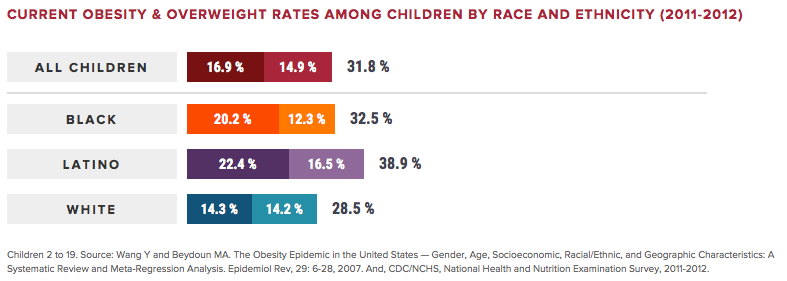
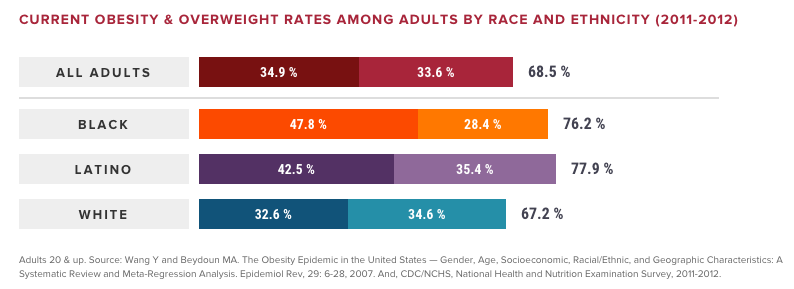
March is recognized as national nutrition month! This month focuses on healthy eating and living. The goal is encourage people to maintain a balance lifestyle between exercising and eating. Obesity is still a problem in the U.S. as less people are being active and consuming more than they should. Obesity affects many different kinds of people from all sort of age groups.

4e8afbd3-ef09-43b2-9577-69c9f650d572

ba156d5d-9c36-4386-a17e-ccb9e78d4cb9

If you are still keeping your new year’s resolution or looking for simple ways to be healthier, here are some quick tips onto how:

  • Avoid fast food companies, junk food, and anything that is high in calories. Although the price might be cheaper, but what you are getting in return is more calories than necessary. Look for foods with simple ingredients, low calories, and organic is always a plus!
  • Eat seasonal fruits and veggies. The best to consume fruits and veggies is when they are in their season. Most likely that fruits and veggies will be cheaper at this time so take advantage of it!
  • “Replace fats like bacon grease and butter with olive or canola oil” – http://reachcoalition.org/
  • Cook your own food. It doesn’t get any better than knowing what is and how much is in your food. Whether it’s fried chicken, a burger, or a stir fry dish, it’s a lot healthier to eat compared to eating out or ordering fast food.
  • Work out as much as you can or maintain a exercise schedule. Even a little exercise can help you lose calories and destress. If you are able to keep up your own schedule, mixing up exercise methods can help you avoid boredom and still be productive.

References and pictures are from: http://reachcoalition.org/

Follow the fight against obesity at CDCObesity and theweightofthenation.