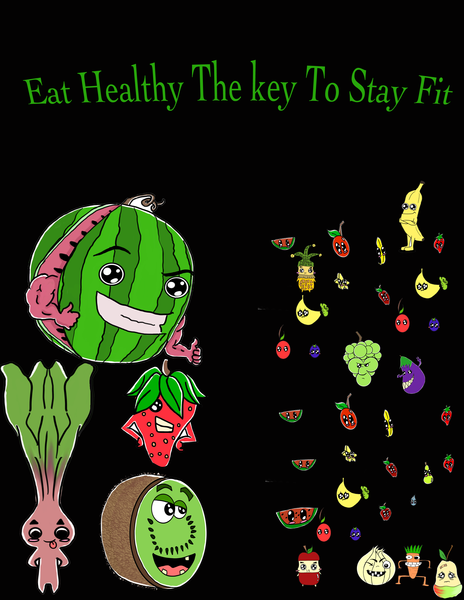
The Truth About Restaurant Food‏ & Eating Out Tips

QLZ72ua6tLXMXVZ8MVtr-dXnHe-sbpwUe0ajIk4w6ospwR34fBiKJRutiRJdndo8cxhsyRahxn1eDto5OPJQ1E_QfFO2wPNtLpzYpu9n4Ax2mvyKLaqD8GHYXY8yvHEBo

AMA’s STEP UP Youth 2015

Eating out can be a fun and social activity thing to do. But of course, it is not always healthy and cheap to eat out. Be aware that restaurant food can be just as unhealthy as fast food. Here are some reasons why:

  • Dishes can contain up to the same or more amount of salt, fat, and calories like fast food. Think about the total intake that comes from the appetizers, main dish, and side dishes.
  • Sometimes, it’s best to skip out on appetizers. Often time, people can’t finish their main course because they’re already full from the appetizers.
  • Are the food cleaner? This can vary from restaurants to restaurants. If you’re interested where the restaurants you eat at source their foods from, you can always ask the owner or do your own research.
  • Try not to order anything to drink besides water. Water is your body’s best friend and is an essential part of your diet. It’s free and keeps you hydrated.
  • Big plates equals big servings. Psychologically, when you have a big plate you feel like you need to fill it up with food. It relates to the old saying “your eyes can eat more than your stomach”. So it’s wise to portion your food and not over eat.

National Childhood Obesity Awareness Month and Fruits & Veggies

“One in 3 children in the United States is overweight or obese. Childhood obesity puts kids at risk for health problems that were once seen only in adults, like type 2 diabetes, high blood pressure, and heart disease.” – http://healthfinder.gov/
Post13Blog3
Children obesity is a real problem and still exist. There are reasons why obesity is still common in the U.S. Such as organic and healthy food tend to be more expensive so lower income families tend to buy lower quality food. Fast food and high calorie snacks are very cheap to buy and widely available everywhere. And many people are still not informed or knowledgeable on how food can affect their health. As much as it is a financial and informative issue, it is also a mental struggle. People have to change the way they think about food within themselves, their family, their friends, and so on.
But no worries, obesity can be prevented! September is the National Childhood Obesity Awareness Month and organizations hope to spread the word of helping others! Here are so helpful resources that you can use and please share with others on social media:
National Childhood Obesity Awareness Month
Fruits and Veggies – More Matters Month

Language Learning at Home

IMG_4657-683x1024

http://mplswtg.org/

Many people today are born and raised in a bilingual home. It not only enhances the communication within the family, but help build the concept of diversity and acceptances towards different people. Also, it helps English language learners in their education when they have something to reference to and therefore, can build a better understanding of English. By being to recognize that learning at home is a resource, children and adults can use it more often

“Research suggests children educated initially in their home language learn a second language more proficiently and achieve more academic success than those who have not had such a solid foundation. Once students have built basic literacy skills in their home language, they will be able to apply those skills to the new language.” http://mplswtg.org/

Here are some tips on how to learn your language at home:

  • Have daily conversations with your family members that speak to you in your native language. Try to have meaningful and deep conversations that can actually help you become better.
  • Listen/watch TVs, dramas, and music! By listening to your native language, you’ll learn how to speak it better. It naturally enhances your speaking skills without you trying.
  • Reading articles/books in your own language can help you with grammar and writing. One problem with being bilingual is not being able to to read and write in both languages. So only by practicing can it help the technical components in a language.

This Month in Japan | September

koyomi09

Nagatsuki is the shortened form of Yonagazuki, meaning “long-night month” for what is today the month of September. Tsukimi or “Moon-viewing” parties are popular today but originally began in the Heian Era (794-1185 CE) to honor harvests and the beauty of the moon. At tsukimi celebrations, many feast on dumplings and celebrate the coming of autumn.

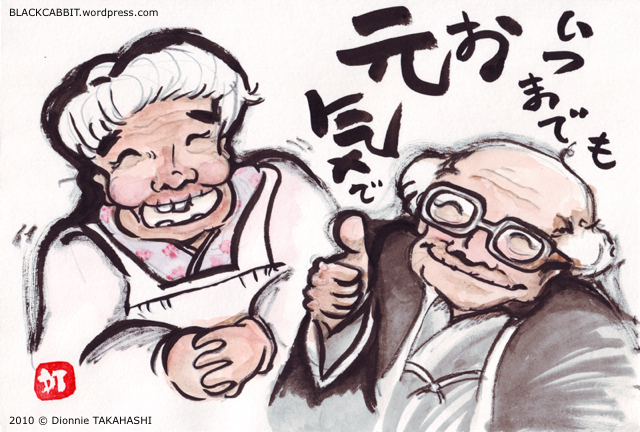
This month, two national holidays including Keiro no hi, or Respect for the Aged Day, and Autumnal Equinox Day are observed.

respect-for-the-aged-day-etegami

https://blackcabbit.wordpress.com/

Respect for Aged day is celebrated on the 3rd Monday in September and is one of many Japan’s national holidays. It’s a holiday that is spent respecting, honoring, and giving gifts to the elders. It highlights the longevity of Japan’s elderly population.

“With improvements in healthcare, Japanese people are living longer than ever and the number of people over the age of 100 is expected to reach 32,000 next month.

One in five Japanese are aged 65 or older and Japanese women can expect to live to see their 85th birthday.” – http://www.officeholidays.com/

higan

http://web-japan.org/

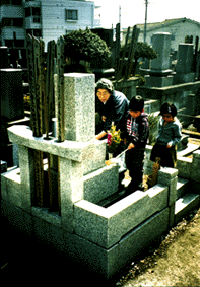
Autumnal Equinox Day usually falls on Sept 22 or 23. It is a period of time where Japanese people pay respects to their ancestors, elders, and important family members. Also, it marks the day that daylight will be getting shorter as winter approach.

“The Japanese have traditionally called the period around the autumnal and vernal (springtime) equinoxes higan. There’s a saying that goes, “both the heat and cold end with higan.Higan lasts for seven days – beginning three days prior to the equinox and ending three days after it. It occurs twice a year, once when the blustery winter temperatures give way to spring and again when the heat subsides and the cool, crisp air of autumn arrives.

Higan has Buddhist origins. It means the “other side of the river of death.” This side of the river is the world where we live, and the other side is the realm where the souls of those who have passed away dwell. To pray for the repose of deceased ancestors, visits are made to the family grave.” – http://web-japan.org/

Effective Cross-Cultural Communication and Health Literacy

Post10Blog5 copy

Communicating effectively across cultures is important for public health professionals. People’s ideas about health and illness can vary by cultural group and sub-group, and can affect which health literacy skills are considered culturally necessary. When communicating with diverse cultural groups, public health professionals should be aware of and adjust for linguistic differences, beliefs, values, customs, and behaviors that can affect if the audience receives your intended message.

Here are some tips to make sure you and your materials are well understood:

  • Try not to treat culture as a negative or barrier that must be overcome. Your cultural background may not be the same as your audience’s, but you can learn about and adjust for language, beliefs, and customs as you would for other factors, such as age or gender, that might affect how the audience interprets the messages. 
  • If your messages aren’t in the audience’s preferred language, consider if interpretation of oral information, translation of written materials, or a complete redesign to address cultural differences is necessary.
  • Adapt messages and materials for the literacy and numeracy skills people have in their preferred language.
  • Refer to the National Culturally and Linguistically Appropriate Services (CLAS) Standards as you plan your communication strategy.

To read more about the role of culture in health literacy, please visit http://www.cdc.gov/healthliteracy/culture.html

Stay Motivated in School

thumb-a8209f87

www.annarborfamily.com

Many students return to school with new motivation, but it is quite hard to maintain it! Sometimes, you just want to give up because many things can affect you. But don’t worry, you’re not alone as many other students are going through the same problems. These tips will help you get through the year!

  1. To feel good and energized, you need at least 8 hours of sleep! If your body is on a stable sleeping cycle, you will fall asleep much quicker. You’ll find that you will feel better the next morning as you won’t wake up exhausted.
  2. Eat a balance meal with healthy snacks. It’s normal for students of all ages to feel constantly feel hunger throughout the day. Chances are you may be tired, didn’t get to eat a proper meal, or too busy to worry about eating right. But you can try to avoid unhealthy snacks and meals. Try to bring healthy alternatives to satisfy your cravings!
  3. Along with eating well, try to live a balance life. That means make time for your education, family, friends, exercising, and free time. It will assure you more freedom to do what you need and want. So having a planner and being organized helps out a lot!
  4. Ask questions in class! You probably don’t want to stand out or feel less smart than other students in class, but chances are other students are wondering the same. It’s all about trying to educate yourself without worrying what others may think of you.
  5. Build positive relationships with peers and teachers! The closer you are with the people around you, you all can help and educate each other. Also, they provide new perspectives and knowledge that you may not know or have.
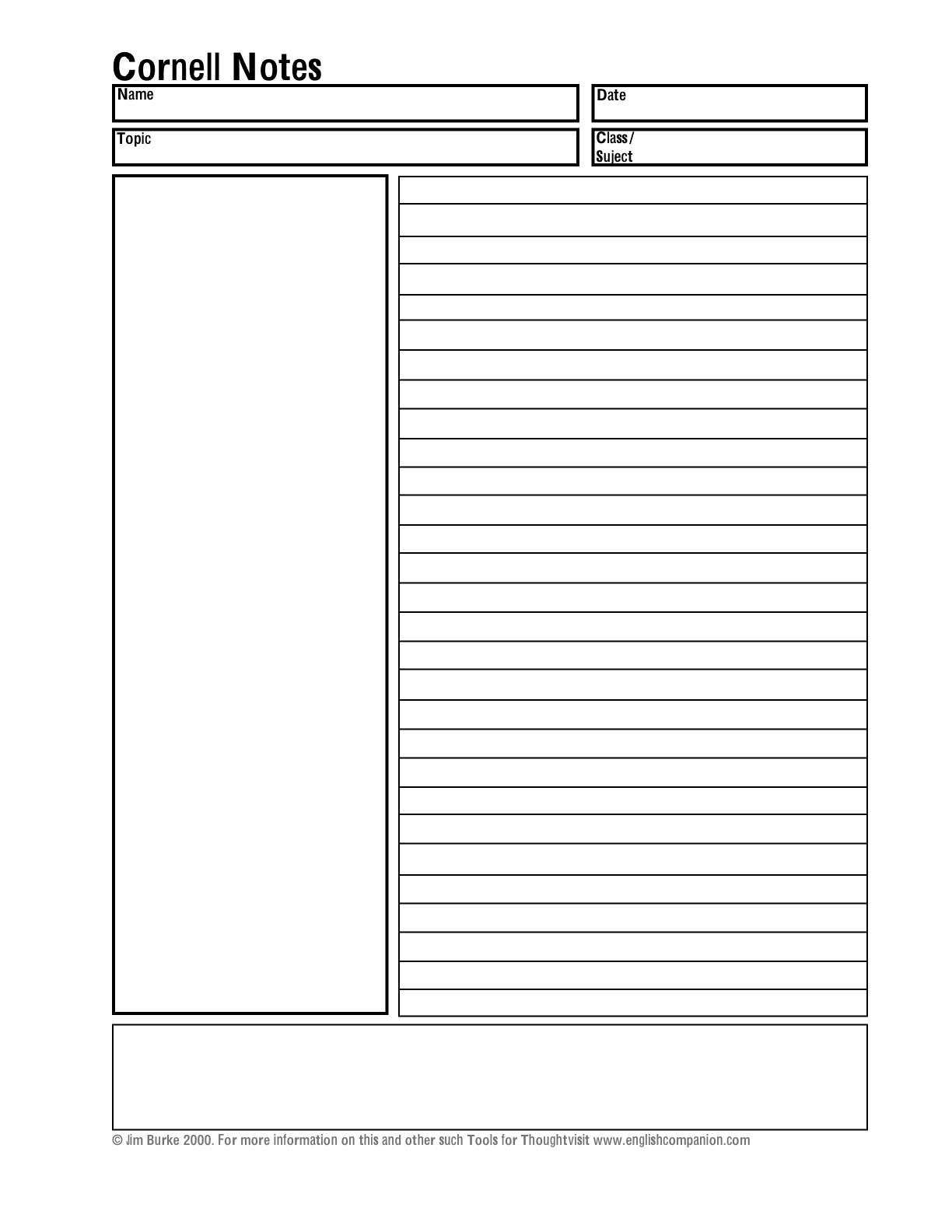
  6. Take effective notes! Everyone has their own styles when it comes to note taking. But don’t relentlessly write down notes without proper organization . You won’t be able to find things easily when you need them to study. A popular note taking style is Cornell notes.

cornell-notes-template-6ks06fha

Picture credit linked here.

STEP UP Youth 2015 Postcards

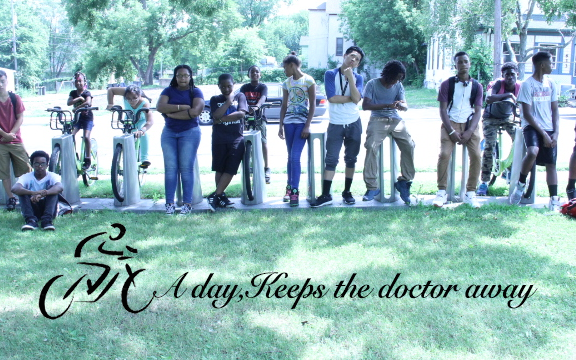
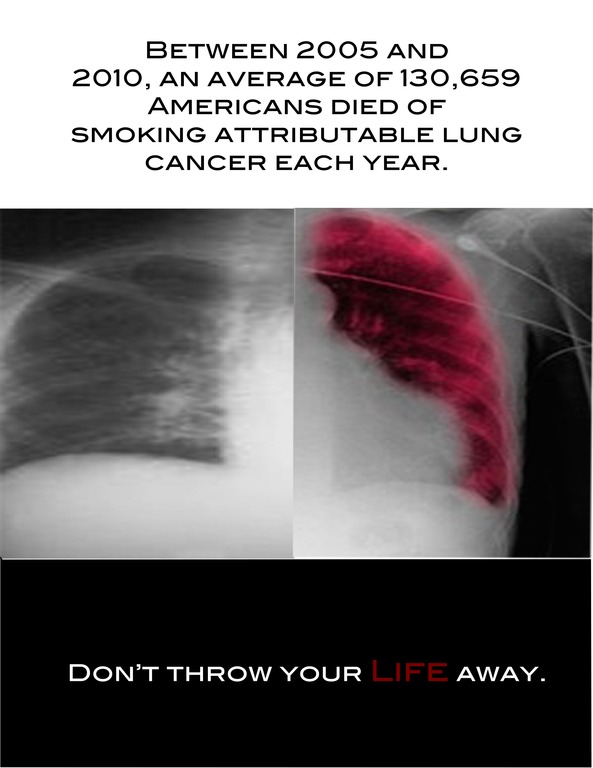
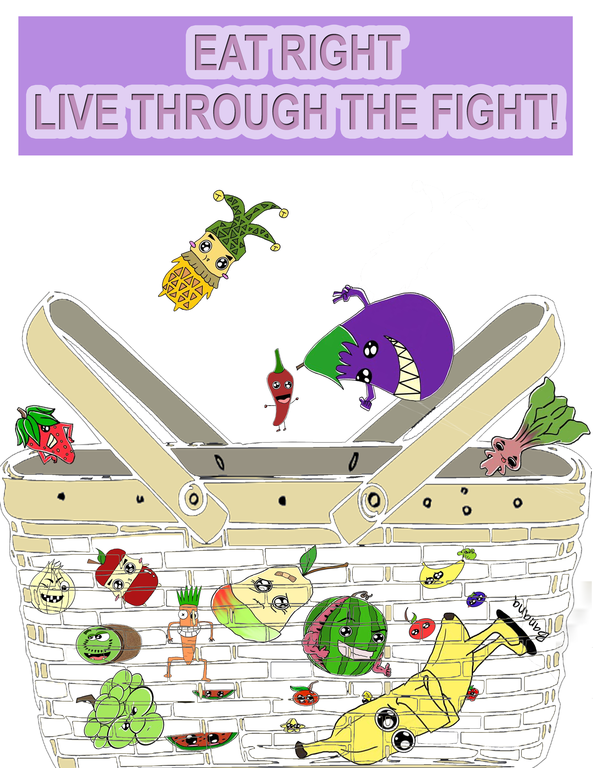
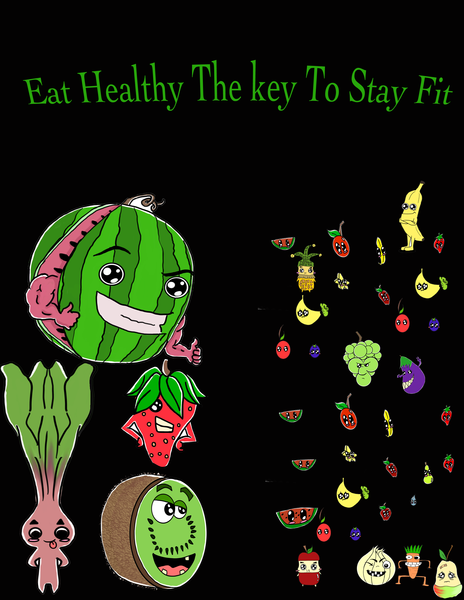
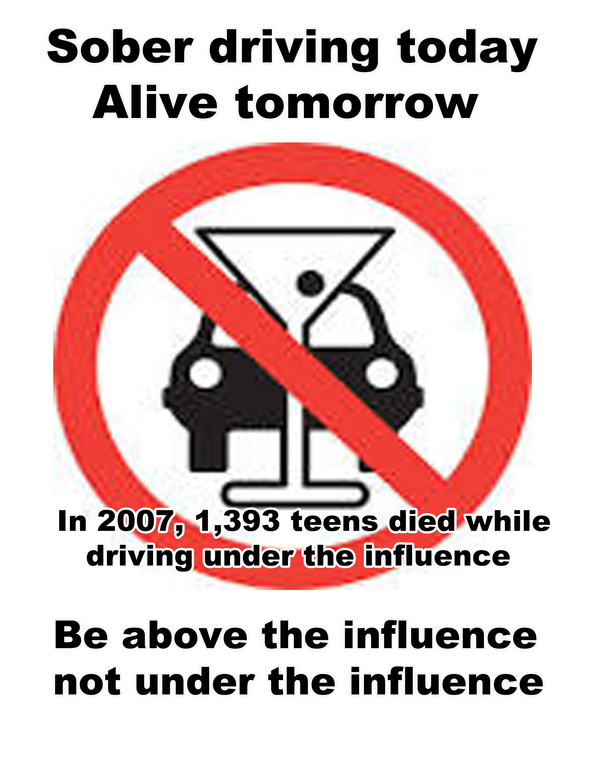
STEP UP youth made an amazing collection of postcards this summer. Topics range from anti-tobacco to domestic abuse and more. We hope to promote bi-culturalism and positive messages to the community. Please check them out down below. Share this post with your friends and family!

 0CtiRKD4NCqcTxTVx7AtgHm4kKQVqraG3OAp5dAWTFQ,4uEawT6JSA-DQzZdg3NsECzwgAv1RqaVTAWNe8uksXA,ixL82f4BILyl8eh8Py5K20vGJGazPGVE7yaYawg-N3w,lx8tvVycl4tmrR7Yc5BczbVusB018xjrH8Qs96LfmpU_MRj9iy-rnGQLizEDyVZ1JGogsB8YWPu4g9XTNbPUKQBJiOQPQw5UcDjhVnO2djvRj_zp9suTOsgTW69_53hJQ,B0p-oS_ElV_cKulEjFr-h1KXiWtXJP1jy7e6tbLpLlY,GQBY-rAuxTG3KDbQhZiWWex-QoJHRt0Ll1ZkZS0VmS8,O7r1Zj_eRdHxE9AglYuU9wQk5kCVvfHX1pHeHk3bxtoy5ZwRgHS46P8YCodifuaIHRtt5mIyq0wxFBhmpjW3Ro (1)b-kpW5GdYj4ltN-ow9Dxjjvb6SjrnzLlqXMWXFY0WK8WzIVOQy8tXWE_Gu500IbnPOZXLfwYRAEAfvwkMETO_g,C5lQ6ZHPW3LdZVUV2xhetHSMusXAbLlFq0yKwELvyaU,jgP__R7JXx-JKKAjVBiu4GdNbK8Kdy8358NxTGEVr5A,ENPd5dWyaN-1NPsojTbwatXiYnn2-0agA2ha9_XBGt4vrv7YAsdY17KdjTPEXBn7n8k6HXyYDRhujT3FiyD6Lk,KJ3KjHMc0n5UJTRyKUe3PC9jz_vcFvA7YEtqRpoqS8I,FwaKcS-udZuvplNLdgj56XYf2_d5tNW01XkiwlzPU50,NGRBPLvKe4QnC9hQb7hvO3iVrObR6w3itvSrRtCzfic

ISUiasjWHaJZhrCCz9a91RaPiCyimGtgXcUX6gUMaVY

4Wm7cHzhrtXKC9BoC5wPmtW88uXIxJIlfO2RN0-sqsA

g7viCr3KpKHezPcdncl9nzHp7dkEm8_M-dq68oFz2mY,-mMKXZz3LLREX6cA0SOZvQANINMuJI0hZLXwHr2wfrw

uVKTfM--IKddzEoaZ6asU0GFfvUYhpnXKFf4xYwcLlgthbq7d-CowScykUeDMVxui-4V3wS3N3njgxxh1IDqz0 (1)aZxWEqrEPWz9b8OPyxPrJqSpY3nncznD70-TUxA2rfM

KSIiqJDAwolFwGLVfV2gXWCN9LnvFsfmwvME3DxwNtE,mStTiS_4YysUN6BaZHfv2Hw8gJA3eCCrkpcXudGRjtk,-Sv5y_4onW6l81mihNLS1YisPIZCUpko_TTKorxMI24,PYhnhQ5kVFna6vS84dXBW9smT9RmGJv52fd1OsYARIs 66-_x95fB5eKvyOrM91RaREVm1dYhjlFfJJNp4Mas-M

Iw_cTicvcsR5hXOfLQIz3Ewsq0bzIJKV02CLoGwP4TY,-ZMKqYxbVeiaUBG0uby90rBIYI-kCBrBNNEzvaT76f8

RjcFZzeU7zIpmN99sqatFsIBiRJBFuwYDFciClS5SK0QLZ72ua6tLXMXVZ8MVtr-dXnHe-sbpwUe0ajIk4w6os,pwR34fBiKJRutiRJdndo8cxhsyRahxn1eDto5OPJQ1E,_QfFO2wPNtLpzYpu9n4Ax2mvyKLaqD8GHYXY8yvHEBoqIo_CCeCV_GpRhSPb1Bfp1BYpYbsggG6c2wa7opqGYo,Mu_ZqpwdEMO7g-FKXvg1w2-wfccy3zsoaMiPInU1nFk,2Zc2Em_LmNEnfAddJYD5gl6NjFaXDfaUjIyTuuT1qi0,Uk_q-36E77jG0JSRMdgMD_EdKIr2ubqZT7TP8AbBSVM

New School Year = Fresh Start

backtoschool

ashfieldpandc.com

It’s that time of the year where students are returning to school. Everyone wants to have a new start at school and have a positive experience. But it will be different for everyone. Are you worried about your schedule, making friends, joining sports, and such? Here are some tips to help you out:

  • Don’t be shy to ask for help whether it’s for something small or big. School nurses, staffs, and counselors are there to help students out.
  • Finding your classes can be easy or challenging. The best thing to do is ask the school staffs who can help guide you to the right classroom.
  • Want to a join a sport/club? Meet up with the staffs at the athletic/club office. They can help you with the paperwork and fees that may apply.
  • Having problem with or wanting to change your schedule? You are able to change it if you set up an appointment and meet up with your assigned counselor. Just know that people who are grade above you will be in consideration first.
  • Trying to make new friends? Often time, you just need to reach out first (volunteer or partner work, speak first, invite others, etc.). It could be in the classroom, club, or sport team setting. You have more opportunities to make friends with people who share more similarities.
  • Stray away from drama, peer pressure, and negativity. Focus on important things such as your homework, grades, and friends. Don’t get too hung over school drama or with unwanted peer pressure because those things won’t do you much good.

Focus on School Adjustment Problems

Focus on School Adjustment Problems:
INVEST NOW . . . OR PAY LATER!
80601756
Some students experience difficulties adjusting to new classes (content and standards), new schools, new teachers, new classmates, etc. It is particularly poignant to see a student who is trying hard, but is disorganized and can’t keep up.
Over the first few weeks, teachers realize quickly who has and hasn’t made a good adjustment to their classroom and to the school. This is the time to address the problem before it gets worse. If adjustment problems are not addressed, student motivation for school dwindles, and behavior problems increase. Misbehavior often arises in reaction to learning difficulties.
The first month is the time to be proactive. This is the time for staff development to focus on the type of strategies that enable good student adjustment, as well as identifying and addressing problems as soon as they arise. This is the time for student support staff to work with teachers in their classrooms to intervene before problems become severe and pervasive and require referrals for out-of-class interventions.
While some schools already have a proactive approach to student adjustment problems, many do not. These are the type of concerns that are regularly addressed by a transformed system of student and learning supports.*
Making it Happen
(1) To facilitate a strong focus on school adjustment, use a staff development session to encourage structured staff discussions about what teachers can do and what other staff (e.g., student support staff, resource teachers, etc.) can do to team with teachers in their classrooms to enhance school adjustment. Also clarify ways to use aides, volunteers, peer tutors/coaches, mentors, those in the home, etc. to help with additional strategies designed to enhance social, emotional, and cognitive engagement.
(2) Establish September as “Addressing School Adjustment Month – Getting the School Year Off to a Good Start” (see Is the School Year Off to a Good Start? — http://smhp.psych.ucla.edu/pdfdocs/goodstart.pdf )
(3) Let staff know about the following free and easily accessed Center resources:
• Supports for Transitions – Chapter 4 in Transforming Student and Learning Supports: Developing a Unified,
           Comprehensive, and Equitable System–  http://smhp.psych.ucla.edu/pdfdocs/book/book.pdf
            • Addressing School Adjustment Problems — http://smhp.psych.ucla.edu/pdfdocs/adjustmentproblems.pdf
• What Schools Can Do to Welcome and Meet the Needs of All Students and Families 
• Welcoming Strategies for Newly Arrived Students and Their Families –
• Welcoming and Involving New Students and Families – http://smhp.psych.ucla.edu/pdfdocs/welcome/welcome.pdf
• Learning Supports: Enabling Learning in the Classroom — http://smhp.psych.ucla.edu/pdfdocs/rtipract.pdf   
For more, use the Online Clearinghouse Quick Finds to link to other Center resources and to online resources across the country. For example, see:
>Transition Programs/Grade Articulation/Welcoming – http://smhp.psych.ucla.edu/qf/p2101_01.htm
>Classroom Focused Enabling – http://smhp.psych.ucla.edu/qf/classenable.htm
Credits belong to rightful owner.
Go Back to School Tobacco-free!‏

image001

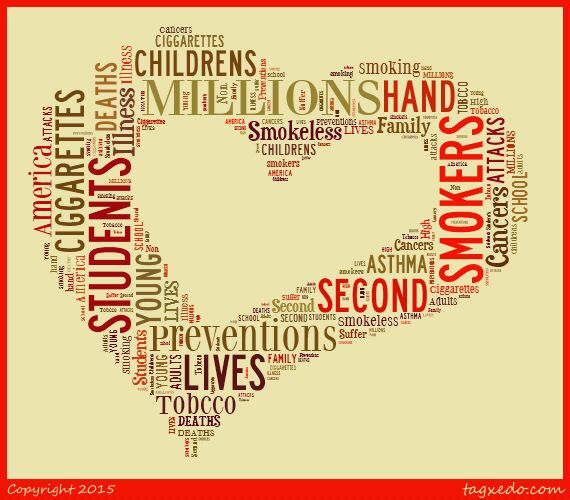
Let’s go back to school with a positive mindset on living healthy! One thing to encourage your peers and friends is to be tobacco-free. Although statistics shows that tobacco use is gradually decreasing, many are still at risk.

Use some of these tips to support this cause:

  • Set yourself or others to be a good role model. It can help change people’s perspective that tobacco usage is not cool or good for your body.
  • Say no to tobacco! Don’t let peer pressure get to you or to your friends! Only do what you want to and not what others say to you.
  • Quitting it sooner is better than never! If you are currently using tobacco or know someone who is, try to convince yourself/them to stop. Extensive research has show that by using tobacco it can cause diseases like lung cancer, breathing problems, stroke, and more.

Here are some quick facts to help you learn more about being tobacco:

  • From 2011 to 2014, current cigarette smoking declined among middle and high school students.4,5
  • Nearly 3 of every 100 middle school students (2.5%) reported in 2014 that they smoked cigarettes in the past 30 days—a decrease from 4.3% in 2011.
  • In 2014, more than 12 of every 100 high school students (12.7%) and approximately 3 of every 100 middle school students (3.1%) reported use of two or more tobacco products in the past 30 days.4
  • In 2014, nearly 25 of every 100 high school students (24.6%) and nearly 8 of every 100 middle school students (7.7%) used some type of tobacco product.4

image004

image003

Credits to www.cdc.gov