Running Time!

run copy

Running is one of the oldest ways of exercising and has been proven to be very effective for maintaining an active lifestyle. People have been doing it for exercising, hunting, and sporting events. It is something that most people can do and fit into their schedule. Here are some tips on how to start:

  1. Stretching is very important before doing any work out! Whether you’re planning to run for 15 minutes or longer, it is good for you to stretch your muscle to relieve muscle tensions, lessen possible sore muscles, and prevent muscle cramping.
  2. Drink lots of water! Do it before, during, and after you have run. Besides the obvious fast paced breathing for oxygen, water is another important source for your body to reboot itself.
  3. Running is cardio work out! If you’re looking to lose weight, running is a great way to do it! You will have to work around and understand how your body loses and gains weight. The best combination to losing weight is dieting and sticking to a exercise schedule. Of course, a mix of cardio exercising will help your body more than just running.
  4. Wear proper work out gears! Some clothes, accessories, and shoes are better suited for working out because of the technology and material behind it. They are made to help absorb the sweat and give you more comfort while working out. And they can somewhat motivate you to work out even more.
  5. It’s great for the body and soul! Exercising helps decrease stress and raise your brain activity. When you are engaging in physical activities, it helps pump more blood, raise your heart beat, and release brain chemicals that makes you feel better. So you are helping yourself destress, losing calories, and incorporating more positive feelings into yourself.

AMA: REACH Vietnamese

AsianMediaAccess

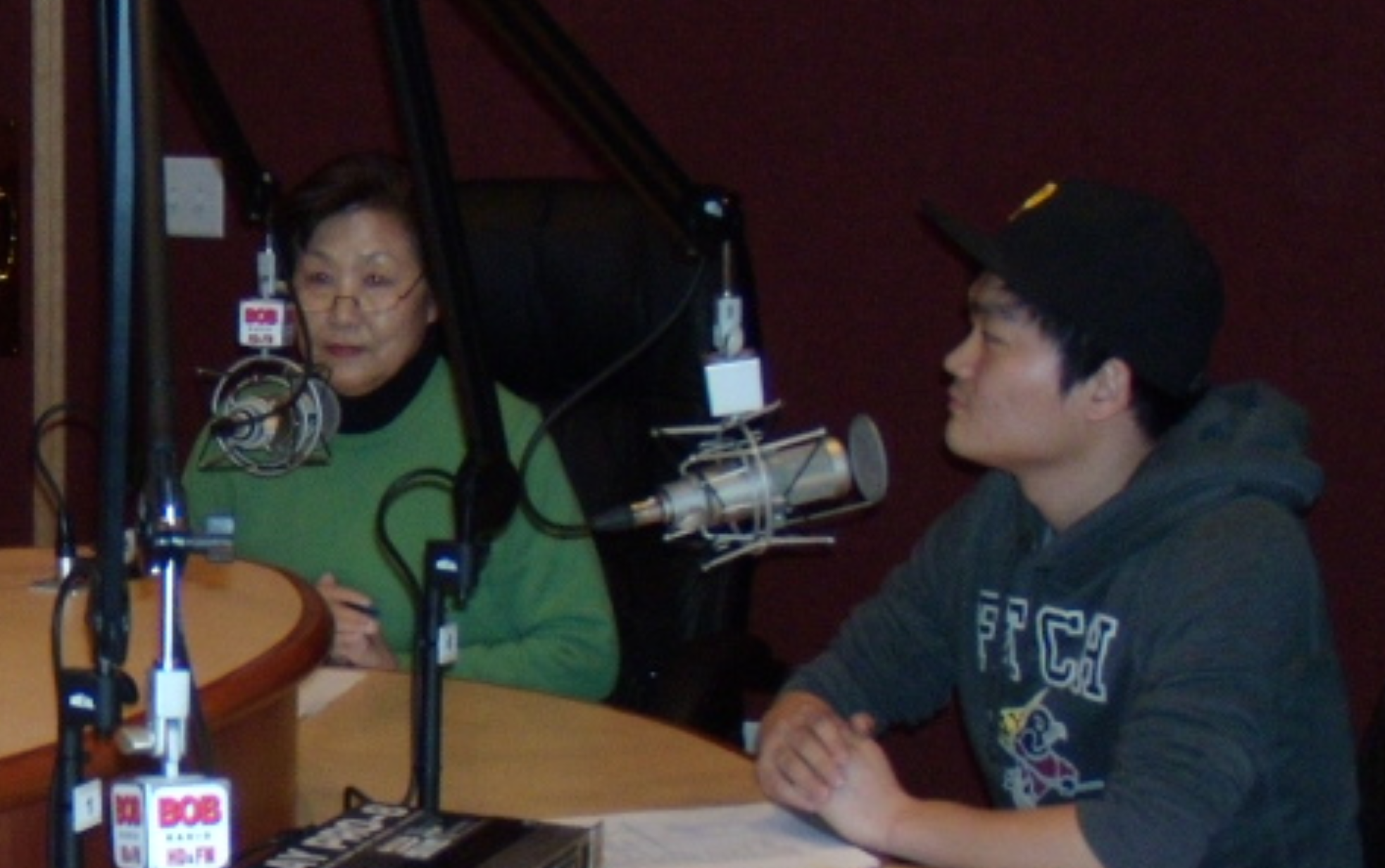
Here is a recap from one of the radio talk show done by Asian Media Access. This time around it is focused on the Vietnamese community with issues that arises in health care, culture, and community. It is great way to get direct insights on how these problems can be discussed, addressed, and shared with others.

Asian Media Access: Radio Talk Show

February 14, 2012 9:30am

14443 Armstrong Boulevard Northeast

Ramsey, MN 55303

Radio Talk Show Summary

Guests: Kieu Anh (KA), Anh Ha (AH), Amy Yen (AY), Thiep Nguyen (TN), Nancy Le (NL), Thinh Nguyen (THN)

Host: Phuoc Tran (PT), librarian at Hennnepin County Library

PT: Welcoming guests. Introduced self and the topic of discussion: A look at health disparities in the Vietnamese community in Minnesota as part of the Health Disparities project of Asian Media Access

KA: Introduced self- happy to be part of the project

AH: Introduced self- had been in Minnesota more than 4 years, happy to share her experiences on health care issues

AY: Introduced self-very happy to join the group in discussing health disparities and services of the Vietnamese community in the Twin Cities

TH: Introduced self-had been in Minneapolis, Minnesota more than 30 year, retired

NL: Introduced self- had been in Minnesota for a long time and so happy to discuss about health disparities in the Vietnamese community

THN: Introduced self-happy to be part of the discussion

PT: A recent survey of 103 Vietnamese people over 40 years showed that only 70% had an annual check-up. Why?

  • NL: No health insurance coverage; language barrier (Many immigrants and seniors have low educational level in addition to the language barrier they face when trying to communicate with doctors and health care providers); habit of avoiding doctors in fear of finding out that they might have a serious illness
  • KA: Co-Payments and health insurance premiums are high and expensive; no health insurance coverage from employer; language barrier; the lack of transportation hinders Vietnamese seniors from accessing their health care provider even if they have health care coverage
  • AY: Main reasons for not having annual check-up: having health insurance coverage, but people were busy and ignored it; lack of health coverage; tend to view health care as necessary only when they’re sick.
  • NL: Raise questions about patients were kept in the waiting room for too long before they see the doctor/ urgent care
  • PT: Co-Payments and health insurance premiums are high and expensive.
  • TN: – paid $500 for health insurance after his retirement and it was too much with today’s economy and decided not to buy it if having a good health.

– Medicine prices were often high and not affordable in America, so it was           common to see people buy medicine in Vietnam at a much lower price

– Language barrier: Many immigrants and seniors have low educational level in addition to the language barrier they face when trying to communicate with doctors and health care providers

PT: Questions on health disparities in the Vietnamese Community in Minnesota?

  • NL: Feel unreasonable to pay high cost of health insurance while they may not be utilizing it. Why they need to pay more co-payment in addition to high premium cost; rather pay for daily expenses to their children than pay high cost insurance. Co-Payments and health insurance premiums were high and expensive; the cumbersome paperwork required to take part in government insurance programs has also contributed to the lack of health care coverage for many Vietnamese people.
  • AH: Not happy to pay high cost health insurance, but get limited services and high co-payment. Rather not having health insurance and buy medicine over the counter and have free mammogram services. Co-Payments and health insurance premiums are high and expensive. Couldn’t afford to buy health insurance
  • NL: Sorry for jumping to the discussion:

Medicare health insurance VS employee health insurance: limited services and doctor’s appointment in Government health insurance.

  • PT: Time for advertisement. We’ll come back to our next question.

2 minutes Break Time

  • PT:   Welcome back and discuss on co-payments and affordability on health insurance.
  • TN: Suggestions on health disparities: Vietnamese non-profit organization/ program, like First Call-United Way for free, updated information and referral program; free clinic or low cost clinic for new comers and low income families.
  • PT: Share info on Phillips Neighborhood Clinic, a free clinic operated by University of Minnesota health professional students. All students are supervised by licensed clinicians. No Appointments or Insurance Necessary. Spanish Interpreters are available at all times. No Appointments or Insurance Necessary; Give a Kid’s Smile (free dental exam for k-12);
  • KA: No one knew about these free clinic/services. Lack of resources /information in the Vietnamese community
  • PT: Great idea to have more resources published /advertised to the community via media outlets
  • AH: Why there was no interpreters in these free clinics while there was a interpretation phone line /interpreters in regular doctor office/clinic?
  • TH: Lack of sharing resources, no knowledge of such free clinic/services
  • AY: No knowledge of medical procedures/practices: thought they can see any doctor they wish or visit any hospital they choose; not happy to ask for a referral to see a specialist
  • NL: Not counting a lot of waiting time in the doctor’s office/ emergency room. Most people didn’t see the importance of preventive health services. They were unaware of what their health status was due to a habit of avoiding doctors in fear of finding out that they might have a serious illness
  • PT: Too much paperwork, no knowledge of medical procedures/practices shine people away from the doctor’s office
  • TN: It depended on health care policy some didn’t require a referral to see a specialist

2 minutes Break

  • PT: Welcome back. A need of resources and free clinic, free medicine and how to do it in the Vietnamese Community.
  • THN: We should have different media sources, local magazines, newspapers for seminating health information and resources
  • KA: In addition, information should be shared and brought to social and community gatherings every week
  • PT: Great idea to come to the weekly elderly gathering to share these resources
  • TN: A need of tailoring programs that fit both the audience’s need and the community’s resources.
  • NL : Development of health education, such as flyers, brochures and media materials in Vietnamese
  • AH: A need of developing a health issues website to cover all counties so everyone, including patients, new comers, health care providers, can use it as first resource.
  • PT: Significant use of traditional health practices VS Western Medicine. Why?
  • KA: Tendency to use herbal and traditional medicine among the elders. Use it as alternative or complementary medicine. Herbal treatments are the most popular form of traditional medicine and safe or carry no risk for harm. They are easy to buy and affordable, 10 times cheaper than medicine.
  • TN: Ensure the use of safe, effective and quality products and practices and watch for side effects
  • PT: Language barrier, no knowledge of medical terminology, cultural differences between patients and doctors are among the health disparities in the Vietnamese community
  • AY: Most of the clinics and hospitals have interpretation services while one might not find this service in a private doctor’s office.
  • THN: There were some complaints on interpretation services that weren’t good enough, lack of efficiency/ accuracy. All educational interpreters should have training, certification, and basic qualifications as required by the regulations of the state and by the interpreting industry

Solutions suggested by participants

  1. Free clinic low cost coverage
  2. Community physician who worked for a non-profit clinic that served low income, uninsured and underserved families
  3. Increase interpretation services
  4. Development of health education, such as flyers, brochures and media material in Vietnamese
  5. Reaching out to seniors through various venues, including weekly meetings, community gatherings/events, ethnic media (radio ,T.V, newspaper)
  6. Create a newsletter or website in Vietnamese that list updated resource/ news on health issues
  7. Getting the word out locally “word of mouth”
  8. Recruit community volunteers from within the Vietnamese community to be day doctors or health providers

PT: Thanks to everyone for their participation.

National Youth HIV & AIDS Awareness

nyhaadbanner-605x305

http://fenwayfocus.org/wp-content/uploads/2013/04/nyhaadbanner-605×305.jpg

On April 10th, it was the National Youth HIV & AIDS Awareness Day. Social media, news, and all sorts of media posted about how it is “an opportunity to learn about HIV & AIDS and how young people are affected” (https://www.aids.gov). But it is still great to pass on knowledge about these issues and to learn more about current updates and research. Here are some links to more information about HIV & AIDS.

Blog posts:
Additional resources include:

Season Change – the things you need to watch for

Season

Spring is quickly arriving and with the new season, there are some things to do. For every season, we all need to prepare for it. Here are some ways that you can help prep yourself for the new season:

  • More cleaning? Sadly, yes we all need to clean our yard every year. Whether it is pulling out weeds, raking leaves, picking up pine seeds, planting new garden plants, or trimming the grass, it can help prep the yard to allow new things to grow. Also, it’ll help make the yard look cleaner.
  • How to properly dispose garbage and recycle? Depending on where you live, the city will tell you how to organize your recyclables and dispose garbages based on the city rules. It will help make it easier for the waste service to handle them and prevent you from paying any fees.
  • Experiencing warmer (or colder) weather? Time to put away your clothes that are not suited to the weather. Whether it is warm or cold weather, dress accordingly so that you can fully enjoy the warm weather (or protect yourself from the cold).
  • Food is a major part of the seasonal change! Check out your local farmer’s market and groceries to get fruits and veggies that are in season. As a bonus, having a garden can help you get outside, stay active, and grow your own produces!
  • There are many activities that you can do each season. Spring and summer is great for fishing, camping, walking, running, bicycling, swimming, and more. Fall and winter is great for harvesting, skiing, sledding, walking, and more. So it really depends on what you want to do during the season.
  • New season means other holidays are coming near! Usually, people get work off as well as students. It is a great way for families to celebrate with great food, entertainment, and bonding with others.
  • Season positions? Summer is the prime time for internships, summer jobs, and youth employment programs. It is a great way for many youths to earn a few buck while having time to spare for personal fun.

There are many things to do each season so make sure you enjoy each of them while they are still here! Have fun, stay active, and experience new things.

Risks of Tobacco Use

TobaccoKillspleasedon'tstart

We should always help educate youth about tobacco use and its risks. One of the many reasons why is because many people die each year due to using or smoking or being exposed to tobacco. According to www.cdc.gov, more than 480,000 deaths occur annually (including deaths from secondhand smoke). Here are some risks of tobacco exposure:

  • Being second handy exposed to tobacco can cause you to develop health risks as a normal person using tobacco
  • Tobacco can increase the risk of cancer which can form in most of your organs. The highest death rates are found in patients who developed lung and heart cancer.
  • Nicotine is found in cigarettes and it is proven to be an addictive substance (http://www.drugabuse.gov). A stimulant can make the user feel adrenaline and become more alert. In this case, cigarettes can do the same and even produce a calming effect on the user.
  • Many youths are influenced to use or smoke tobacco due to their social environments such as peers, families, stress, genetics, and more.

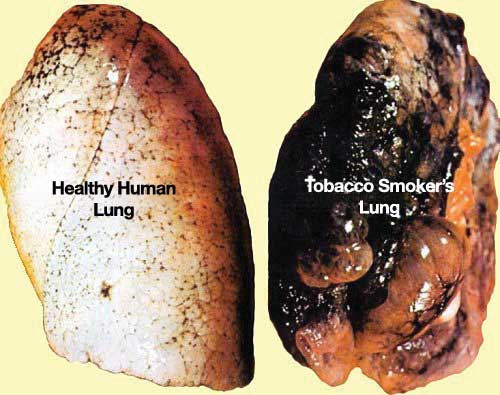
Comparing the lungs between a non smoker to a smoker, you can see the drastic difference in their health and conditions.

lungs(1)

http://www.drugabuse.gov/

One of the best thing to do is avoid using or being exposed to tobacco. Don’t let anyone influence you to put yourself at risk. As a growing person, you may be influence to make decisions that you personally don’t want to. So be aware of who is a positive and negative influence in your life. Sometimes the best thing to do is just say “No”.

Building a Better Community

Week2Blog4

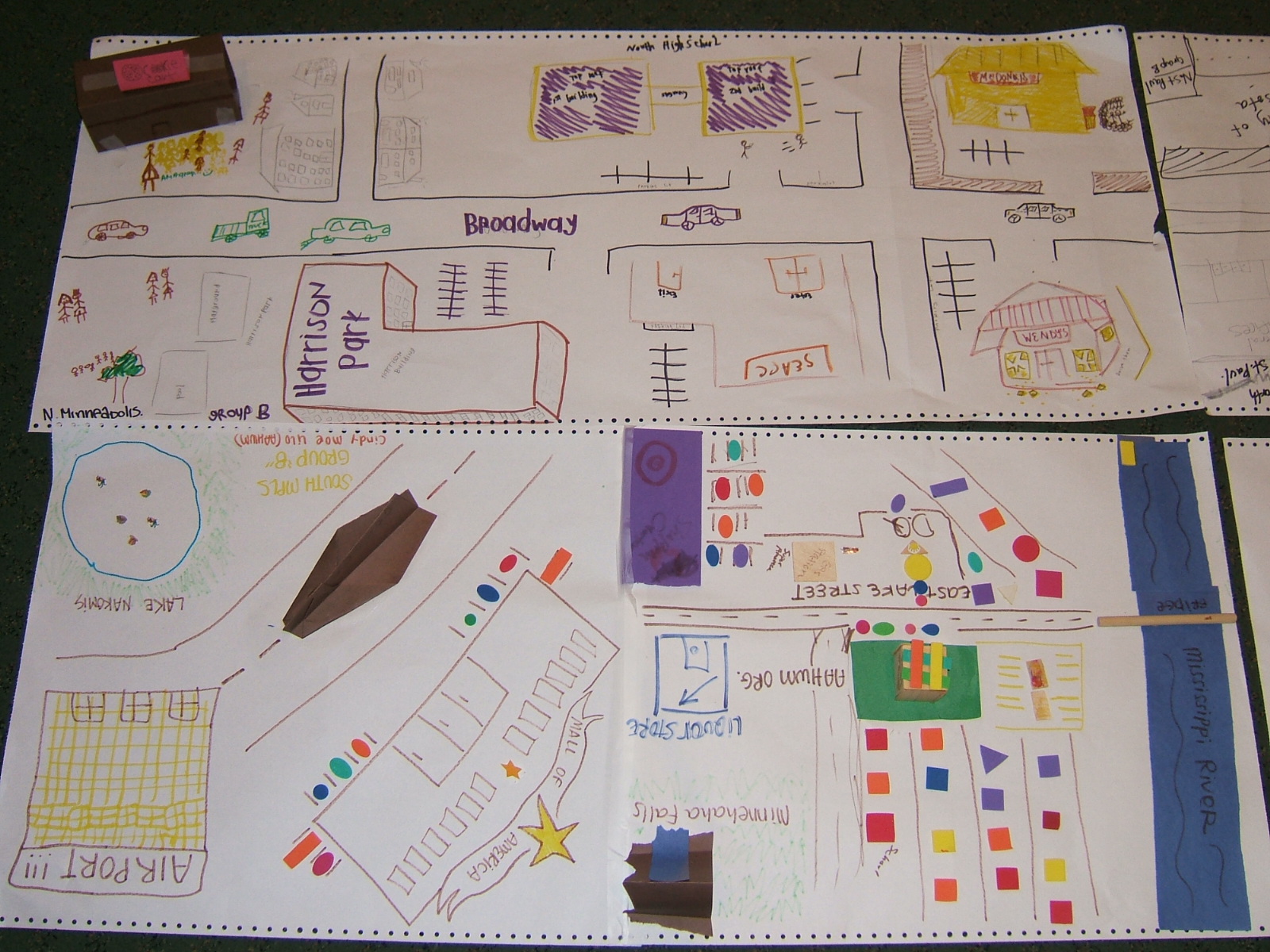
Our environment impacts our life in many ways that we are unaware of. Sometimes, the environment we live in can do good or bad thing to us such as our health, perspective, feelings and more. If you grow up in a neater community with a more nature, pedestrian, and family friendly environment you are more likely to have better health and a positive outlook on life. The same applies if you grew up in a poor condition community with little sidewalks, greens, and pollution you are more likely to have a poorer health and less likely to have a positive perspective.

There are things we can do to make our community a better place. It is about teamwork and commitment to make healthy change occur where you live. So how can you help your own community?

1. Attend community meetings. The most informative way to know what needs to change and improve about your community is understanding the problems. Get to know your community members and share your ideas on how the community can be improved.

2. Organize a team effort. Whether it is planting more trees or picking up trashes or starting a community garden, a small difference can make the community change. When people start to see improvement in their community, they are more willing to participate and be involved in their community.

3. Raise awareness. Try publishing interesting topics in your neighborhood newspaper, campaigns, and charity events where you can allow the residents and other people to know about the change you are pursuing.

Korean Americans

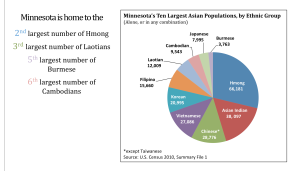
According to the 2010 U.S. Census the eight largest Asian American populations in Minnesota are the Hmong, Asian Indian, Chinese, Vietnamese, Korean, Filipino, Laotian, and Cambodian communities. Specifically, 27 percent of the total population identify themselves as Hmong, 15.5 percent are Asian Indian, 11.7 percent are Chinese, 11.1 percent are Vietnamese, 4.9 percent are Laotians, and 3.9 percent are Cambodians (See Figure 2).

Minnesota is home to over 40 different Asian Pacific Minnesotan immigrant and refugee communities. Each community has its own strengths and challenges that may be unique to that ethnic community. The following is an overview of how the Korean American community is faring in Minnesota.

Korean American Community Overview chart
The Korean community in Minnesota is defined by three distinct populations: Korean immigrants who came to the state as wives of U.S. servicemen following the Korean War, Korean immigrants drawn by educational and professional opportunities, and Korean adoptees who were brought to the state by Minnesotan families after the end of the Korean War.[i] There are about 13,000 to 15,000 Korean adoptees in the state.[ii] Most members of the Koreans community in Minnesota are professionally employed with a median household income of $60,984.i   APA ComMNet REACH CORE project staff and volunteers met with Korean American community members and leaders throughout the Twin Cities to understand the community’s strengths, challenges and other social and environmental factors affecting its overall health and well being.
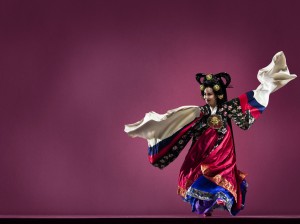
 korean dance

Korean American Community Strengths

In general, the Korean American community perceived its quality of life in the Twin Cities as one consisting of increasing financial wellbeing and higher educational and professional attainment. Ample activities and opportunities exist for Korean Americans to be academically, financially, and socially healthy.   Korean American members who participated in the project said they were proud of the their community’s academic and professional achievements. More than half of the Korean American population over the age of 25 years old in the state has a college or professional degree and only 6.3 percent are unemployed.i   As a guest in the Korean Radio show stated, “Many Koreans in Minnesota have professional jobs. High education standard is one of characteristics of Minnesota. A good educational environment is the most important factor too.” Korean Americans also identified having a good family relationship and relationship to the Korean community was important towards a healthy life in Minnesota. They added that maintaining a spiritual or religious practice, such as the Korean church, helps community members to be healthy.

Korean American Community Challenges

Korean American community members who participated in the project indicated that elders and newly arrived immigrants faced challenges in accessing appropriate health care services. Many stated that the lack of resources for limited English proficiency populations and affordable health insurance were among the issues that concerned Korean Americans. “Cost of private health insurance are high. Some of Koreans are still working to pay their health insurance. We have a private insurance before [turning 65 years old, when one is eligible for government subsidized health care]. We need to have solution for this,” stated one guest during the Korean radio show. APA ComMNet survey results also showed that Korean Americans were less likely to do any physical exercise or see a medical professional and were more likely to have been diagnosed with diabetes and suffer a heart attack than most other AAPI groups that participated in this project (See Figure 4).

REACH CORE Radio Talk Show:
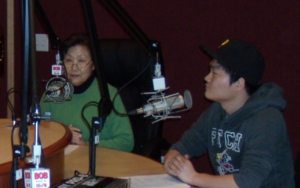
radio talk

Korean Community

Host Park: What are the three most important factors for a healthy Korean community in Minnesota?

Guest Kang: Strong family relationship, healthy life style, and religious or spiritual values are the three most important factors. Strong family relationship can improve our community in many ways like low crime rate, child education, safe neighborhoods, etc. Keeping healthy life style will be helpful for our community to become healthy. Religious values are the most important one.

Host Park: I agree with that strong family relationship is one of the three most important factors. When one’s home is happy, all goes well.

[i] Minnesota Historical Society, 2013. “Becoming Minnesotan: Stories of Recent Immigrants and Refugees.” St. Paul, MN: Minnesota Historical Society. Retrieved January 8, 2013 (http://education.mnhs.org/immigration/)

[ii] Olson, Norma Smith, 2010. “We’re From Here: New Book Gives a Visual History of Adopted Koreans in Minnesota.” Minnesota Women’s Press (September 10, 2010).

 

Laotian American Community Overview

According to the 2010 U.S. Census the eight largest Asian American populations in Minnesota are the Hmong, Asian Indian, Chinese, Vietnamese, Korean, Filipino, Laotian, and Cambodian community. Specifically, 27 percent of the total population identify themselves as Hmong, 15.5 percent are Asian Indian, 11.7 percent are Chinese, 11.1 percent are Vietnamese, 4.9 percent are Laotians, and 3.9 percent are Cambodians (See Figure 2).

Minnesota is home to over 40 different Asian Pacific Minnesotan immigrant and refugee communities. Each community has its own strengths and challenges that may be unique to that ethnic community. The following is an overview of how the Laotian community is faring in Minnesota.

Following a similar path as other AAPI refugees displaced by the Vietnam War, the Laotian community arrived in Minnesota in the late 1970s and 1980s to rebuild their lives.[i] Approximately 12,000 Laotians live in mostly urban counties in the Twin Cities and earn a median income of $40,000, which is the lowest income range among all eight AAPI ethnic communities. Laotian Americans have high unemployment rates at 12.7 percent. Over 40 percent of the Laotian population earned less than a high school diploma.i  APA ComMNet REACH CORE project staff and volunteers met with Laotian American community members and leaders throughout the Twin Cities to understand the community’s strengths, challenges and other social and environmental factors affecting its overall health and wellbeing.

chart

Laotian American Community Strengths

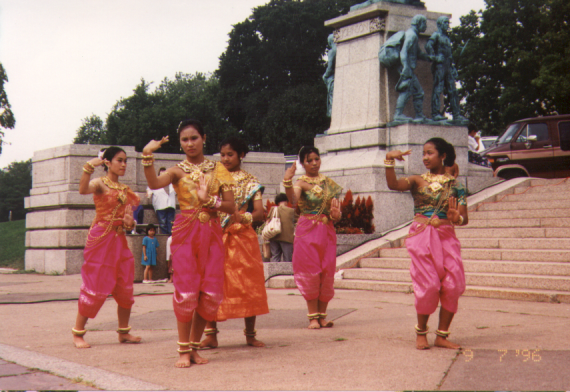
dance

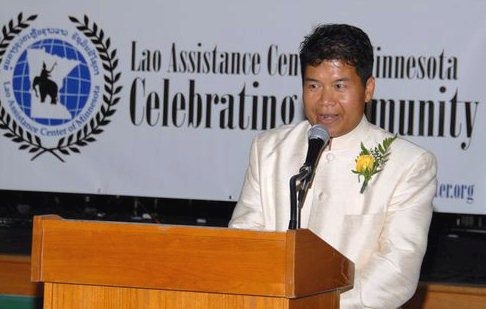
Laotian Americans who participated in this project stated that their strong family and community connections are important in improving the health and wellbeing of their community. Family members rely on each other for support and often visit with one another to talk about issues affecting their family or community. Sunny Chanthanouvong, Executive Director of the Lao Assistance Center, stated in his key informant interview that health information is usually spread using family and community network. Knowledge about diseases and preventive health practices are often communicated through storytelling and discussions during small get-togethers or at large community events. “We talk about sickness and health, we talk about the need for people to get exercise and eat healthy,” said Sunny Chanthanouvong who added that good as well as bad experiences of community members when dealing with health issues are often shared with one another.

Laotian American Community Challenges

Laotian Americans indicated that many in their community live in distressed neighborhoods and physical exercise as well as healthy eating habits may sometimes be difficult for members of the community. Due to their relatively recent introduction to the American health care system, some Laotian Americans may not be familiar with preventive practices to deter diseases or how certain disease can spread through different channels. Sunny Chanthanouvong explained how his organization attempts to educate Laotian Americans on flu prevention.

speehc

“It’s very important to help the community to truly understand the concept – where it’s coming from. People say that you have to save money for retirement, but what does that really mean? When there’s flu going around, they tell us, wash your hands to keep flu away but they still shake hands with someone who is sick. There is something behind just washing the hands, you have to tell the purpose for it, it’s not going to help much…we need deeper education.”

– Sunny Chanthanouvong, Executive Director of the Lao Assistance Center on educating the Lao American community about infectious diseases

In addition, APA ComMNet Health survey results show that the Laotian American community exhibited high tobacco use with nearly 30 percent of Laotian Americans stating that they frequently smoked cigarettes (Figure 3). Anecdotally, Laotian Americans also indicated that alcohol use was prevalent in the community especially during family and community celebrations despite the lack of evidence from this study affirming this notion. Laotian Americans added that smoking and drinking are common practices in Laos and young Laotian Americans who were raised in the U.S. often see their parents drink alcohol and smoke cigarettes leading many Laotian American youth to believe that such behaviors are normal and adopt their parents’ addictive habits as their own.

[i] Minnesota Historical Society, 2013. “Becoming Minnesotan: Stories of Recent Immigrants and Refugees.” St. Paul, MN: Minnesota Historical Society. Retrieved January 8, 2013 (http://education.mnhs.org/immigration/)


Bicultural Healthy Living Poster

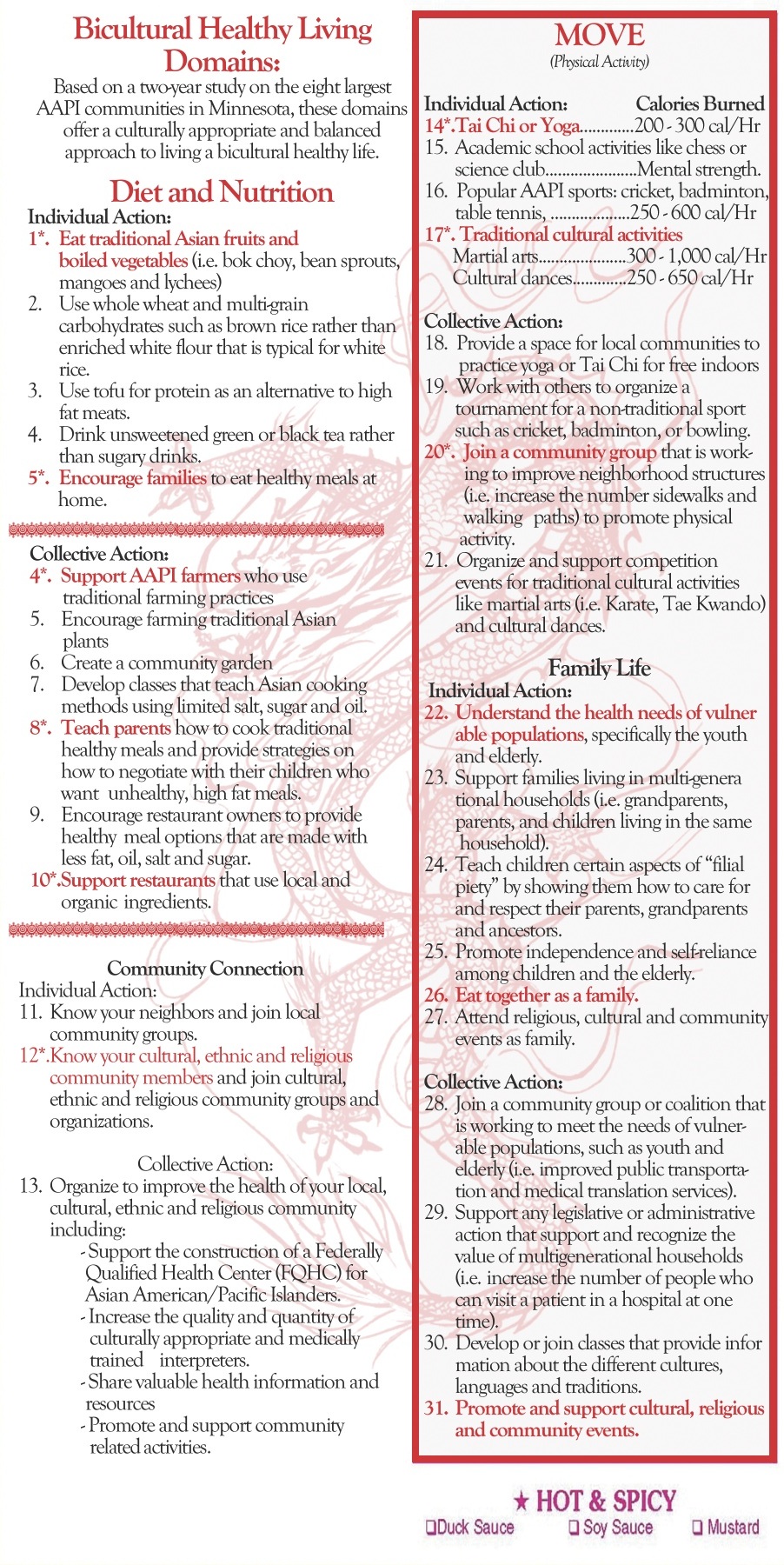
Living biculturally is about having balancing in your life, family, diet, health, and friends. There are many great things one can incorporate in their daily lives that compasses more than one culture. Here is a fun poster on possibly things to do:

PPO3_BiculturalHealthyLiv_Poster_MidSection

Here are other tips to outreach in other ethnic cultural groups/communities:

1. Meet international students!

If you’re a student or is housing a international student or know someone from another country, take the time to get to know them better. You will better understand their background, the culture, and the world they live in. Not only will it allow you to hear from a person’s firsthand experience, you’ll get better information than reading and finding them on your own.

2. Be part of different communities!

Participate in festivals, holidays, and other activities in different ethnic communities. It will provide you opportunities to expand your network and let you enjoy the different kinds of celebrations/activities a culture can offer.

3. Learn about your own culture!

You may not know much about your own culture and there may be many things you didn’t know before. So before expanding out to other cultures or if you don’t know where to start, think about your own culture(s). Try to get involved in your culture(s) through families and friends. Eventually, you’ll find something about your background that you’ll enjoy.