STEP UP Youth 2015 Postcards

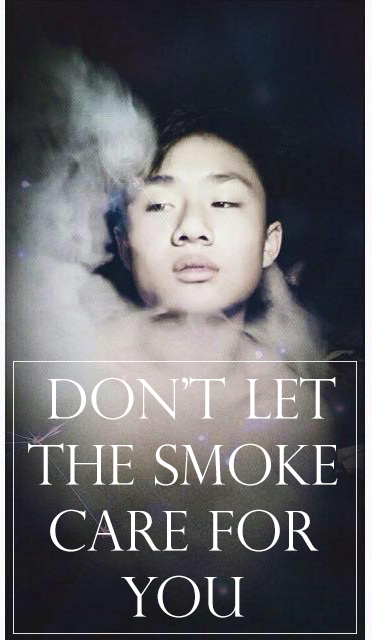
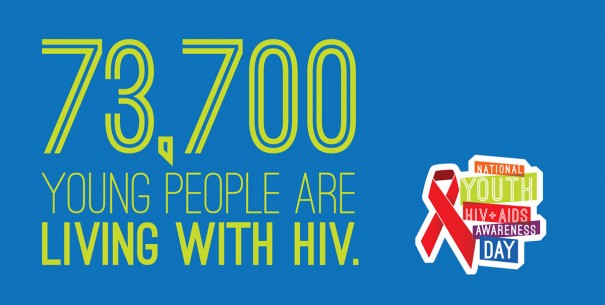
STEP UP youth made an amazing collection of postcards this summer. Topics range from anti-tobacco to domestic abuse and more. We hope to promote bi-culturalism and positive messages to the community. Please check them out down below. Share this post with your friends and family!

 0CtiRKD4NCqcTxTVx7AtgHm4kKQVqraG3OAp5dAWTFQ,4uEawT6JSA-DQzZdg3NsECzwgAv1RqaVTAWNe8uksXA,ixL82f4BILyl8eh8Py5K20vGJGazPGVE7yaYawg-N3w,lx8tvVycl4tmrR7Yc5BczbVusB018xjrH8Qs96LfmpU_MRj9iy-rnGQLizEDyVZ1JGogsB8YWPu4g9XTNbPUKQBJiOQPQw5UcDjhVnO2djvRj_zp9suTOsgTW69_53hJQ,B0p-oS_ElV_cKulEjFr-h1KXiWtXJP1jy7e6tbLpLlY,GQBY-rAuxTG3KDbQhZiWWex-QoJHRt0Ll1ZkZS0VmS8,O7r1Zj_eRdHxE9AglYuU9wQk5kCVvfHX1pHeHk3bxtoy5ZwRgHS46P8YCodifuaIHRtt5mIyq0wxFBhmpjW3Ro (1)b-kpW5GdYj4ltN-ow9Dxjjvb6SjrnzLlqXMWXFY0WK8WzIVOQy8tXWE_Gu500IbnPOZXLfwYRAEAfvwkMETO_g,C5lQ6ZHPW3LdZVUV2xhetHSMusXAbLlFq0yKwELvyaU,jgP__R7JXx-JKKAjVBiu4GdNbK8Kdy8358NxTGEVr5A,ENPd5dWyaN-1NPsojTbwatXiYnn2-0agA2ha9_XBGt4vrv7YAsdY17KdjTPEXBn7n8k6HXyYDRhujT3FiyD6Lk,KJ3KjHMc0n5UJTRyKUe3PC9jz_vcFvA7YEtqRpoqS8I,FwaKcS-udZuvplNLdgj56XYf2_d5tNW01XkiwlzPU50,NGRBPLvKe4QnC9hQb7hvO3iVrObR6w3itvSrRtCzfic

ISUiasjWHaJZhrCCz9a91RaPiCyimGtgXcUX6gUMaVY

4Wm7cHzhrtXKC9BoC5wPmtW88uXIxJIlfO2RN0-sqsA

g7viCr3KpKHezPcdncl9nzHp7dkEm8_M-dq68oFz2mY,-mMKXZz3LLREX6cA0SOZvQANINMuJI0hZLXwHr2wfrw

uVKTfM--IKddzEoaZ6asU0GFfvUYhpnXKFf4xYwcLlgthbq7d-CowScykUeDMVxui-4V3wS3N3njgxxh1IDqz0 (1)aZxWEqrEPWz9b8OPyxPrJqSpY3nncznD70-TUxA2rfM

KSIiqJDAwolFwGLVfV2gXWCN9LnvFsfmwvME3DxwNtE,mStTiS_4YysUN6BaZHfv2Hw8gJA3eCCrkpcXudGRjtk,-Sv5y_4onW6l81mihNLS1YisPIZCUpko_TTKorxMI24,PYhnhQ5kVFna6vS84dXBW9smT9RmGJv52fd1OsYARIs 66-_x95fB5eKvyOrM91RaREVm1dYhjlFfJJNp4Mas-M

Iw_cTicvcsR5hXOfLQIz3Ewsq0bzIJKV02CLoGwP4TY,-ZMKqYxbVeiaUBG0uby90rBIYI-kCBrBNNEzvaT76f8

RjcFZzeU7zIpmN99sqatFsIBiRJBFuwYDFciClS5SK0QLZ72ua6tLXMXVZ8MVtr-dXnHe-sbpwUe0ajIk4w6os,pwR34fBiKJRutiRJdndo8cxhsyRahxn1eDto5OPJQ1E,_QfFO2wPNtLpzYpu9n4Ax2mvyKLaqD8GHYXY8yvHEBoqIo_CCeCV_GpRhSPb1Bfp1BYpYbsggG6c2wa7opqGYo,Mu_ZqpwdEMO7g-FKXvg1w2-wfccy3zsoaMiPInU1nFk,2Zc2Em_LmNEnfAddJYD5gl6NjFaXDfaUjIyTuuT1qi0,Uk_q-36E77jG0JSRMdgMD_EdKIr2ubqZT7TP8AbBSVM

Go Back to School Tobacco-free!‏

image001

Let’s go back to school with a positive mindset on living healthy! One thing to encourage your peers and friends is to be tobacco-free. Although statistics shows that tobacco use is gradually decreasing, many are still at risk.

Use some of these tips to support this cause:

  • Set yourself or others to be a good role model. It can help change people’s perspective that tobacco usage is not cool or good for your body.
  • Say no to tobacco! Don’t let peer pressure get to you or to your friends! Only do what you want to and not what others say to you.
  • Quitting it sooner is better than never! If you are currently using tobacco or know someone who is, try to convince yourself/them to stop. Extensive research has show that by using tobacco it can cause diseases like lung cancer, breathing problems, stroke, and more.

Here are some quick facts to help you learn more about being tobacco:

  • From 2011 to 2014, current cigarette smoking declined among middle and high school students.4,5
  • Nearly 3 of every 100 middle school students (2.5%) reported in 2014 that they smoked cigarettes in the past 30 days—a decrease from 4.3% in 2011.
  • In 2014, more than 12 of every 100 high school students (12.7%) and approximately 3 of every 100 middle school students (3.1%) reported use of two or more tobacco products in the past 30 days.4
  • In 2014, nearly 25 of every 100 high school students (24.6%) and nearly 8 of every 100 middle school students (7.7%) used some type of tobacco product.4

image004

image003

Credits to www.cdc.gov

Free Entrance Days in the National Parks

America’s Best Idea—the national parks—is even better when it’s free! Mark your calendar for these entrance fee–free* dates in 2015:
BAND_flickr_Hikers-get-inspiring-views-along-the-Cerro-Grande-Trail_1
NPS photo
*Fee waiver includes: entrance fees, commercial tour fees, and transportation entrance fees. Other fees such as reservation, camping, tours, concession and fees collected by third parties are not included unless stated otherwise.


Hikers on the Cerro Grande Trail at Bandelier National Monument.

  • August 25
    National Park Service Birthday
  • September 26
    National Public Lands Day
  • November 11
    Veterans Day
Only 127 of our country’s 408 national parks usually charge an entrance fee. So start planning your visit!
 
For sure to visit Minneapolis very own – The Mississippi National River and Recreation Area offers a multitude of activities to keep you busy during the summer season. Listed below are a few of our featured summer activities. Make sure to check ourCalendar for upcoming park and partner programs.

If you have specific activity questions, contact the Mississippi River Visitor Center at (651) 293-0200. We also offer programs to organized groups such as community centers and summer school groups.

Programs and Activities

Coldwater Spring 2nd Saturdays

From June through October, come explore Coldwater Spring with park rangers and volunteers. Free. Drop-in activities.

 
Fish with a Ranger
Want to learn more about fishing? Brush up on fishing skills? Want to teach your kids how to fish? Then join us on one of our public fishing events.
 
Bike with a Ranger
Join ranger-led bike rides along the Mississippi River this summer. Rides include stops along the way to learn about the history, culture and natural features of the river.
Other Ideas
Don’t forget to check our Calendar for other fun educational or recreational programming.
Credits belong to rightful owner.

National Farmers Week

image002

Help support your local farmers and small business owners by going to your local farmers market this summer! This week is National Farmers Week and it is from August 2-8. Take advantage of locally grown foods that are cheap and healthy. Here are some tips on how to enjoy the farmers market.

  • Find where your local farmers market are. It’s most likely that your area will have more than one spot for farmers and sellers to sell their produces and products. So do your research and go to multiple spots to find your favorite farmers market.
  • You’re supporting the local economy! You are helping out others while getting great things in exchange. Farmers market often have better produces/products at a lower price than groceries.
  • Shop with family, friends, and get to know your community. It is a great way to interact with people from your community and learn more about the available businesses around your area.
  • Eat yummy foods! There will be food stalls that are not offered somewhere else and could be unique only to those certain areas. So explore new flavors and have fun trying new foods from all kinds of backgrounds.

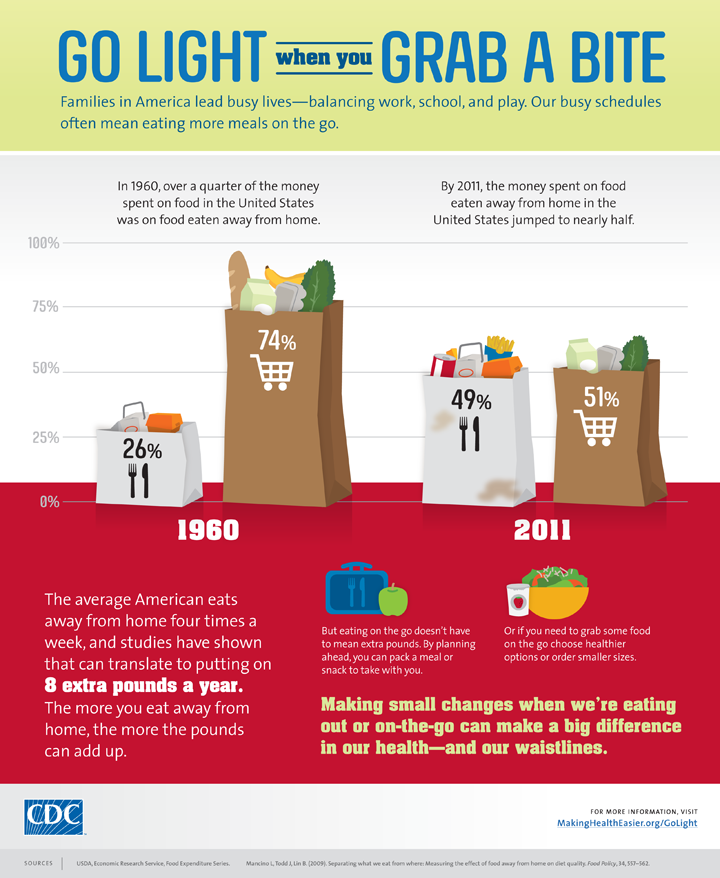
GLGB_Infographic_Final

Photo credits belong to www.cdc.gov

Honoring Cultural Exercises

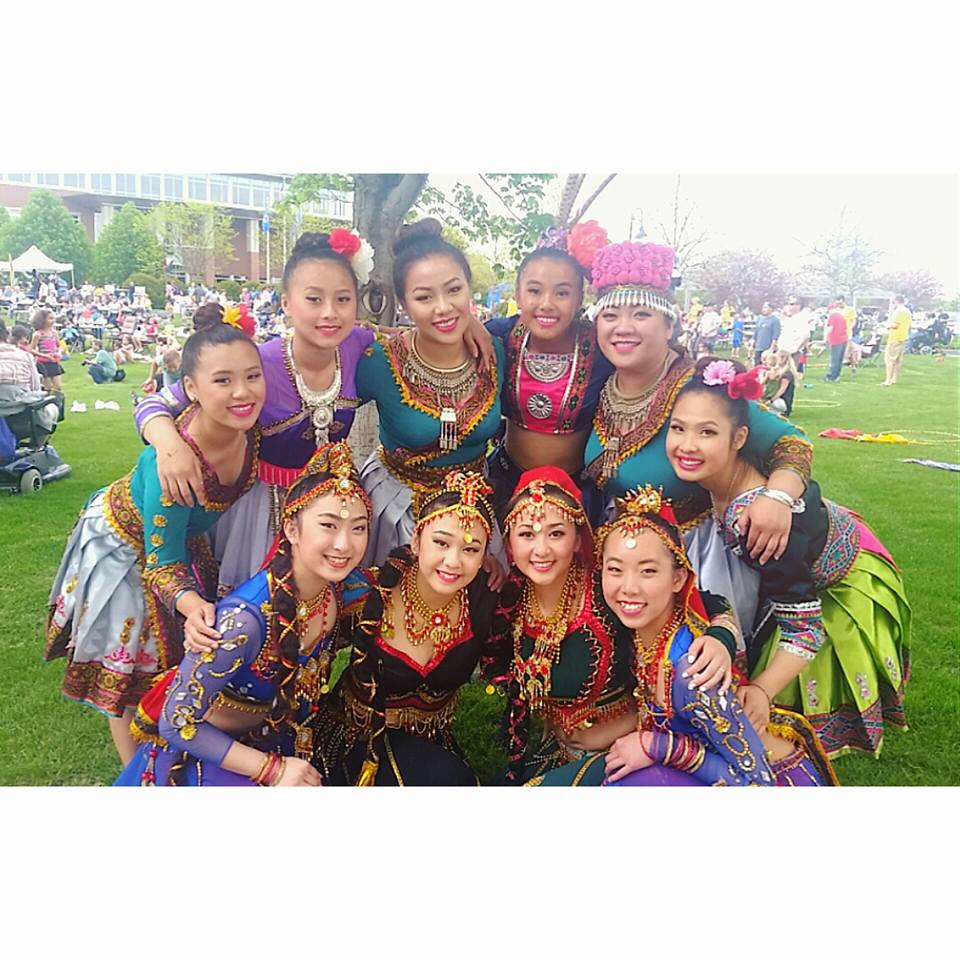
Join us for the 1st ever Hmong Dance Drama – Longing for Qeej

Post11Blog1

Minneapolis, Minnesota – In kicking off the Bicultural Active Living Lifestyle (BALL) Campaign, Asian Media Access and Iny Asian Dance Theater join hands to showcase the first ever Hmong Dance Drama – Longing for Qeej at both Cities – Minneapolis and St. Paul, to help the communities to recognize the beauty of the cultural exercises.


ST PAUL:

July 19 (Sunday), 5:30pm at

Central Park Frank Rog Amphitheater

2540 Lexington Ave. N
Roseville, MN 55113

MINNEAPOLIS:

July 23 (Thurs), 5:30pm at

Outside of Asian Media Access, on the Plymouth Ave

2418 Plymouth Ave. N.,

Minneapolis, MN 55411

Screen Shot 2015-07-16 at 3.11.35 PM

Both events are part of Asian Media Access’ BALL strategy to emphasis on bicultural healthy living by utilizing cultural pride and parent involvement as motivations for youth to be proud of themselves, and exercise more through cultural exercises.  By wearing beautiful costume, 
listening to traditional music, stepping into ancient footsteps, it gives youth a sense of self-esteem, and cultural identity other sports may not offer, along with strong parents’ 
support in preserving the cultural traditions.  Therefore, both AMA and IADT have supported youth learning/performing Asian dances as a way to live healthier in a bicultural environment.

Longing for Qeej will be performed by Iny Asian Dance Theater’s 109 dancers, which is a dance drama adapted from Hmong folktale portraying the origin of Qeej – a traditional Hmong music instrument, a mouth organ with six bamboo pipes of different lengths attached to a wooden air chamber.  Hmong believes that Qeej can communicate between the heaven and the earth, the living and the dead.  One of the opening mysterious dance – the Dragon Dance will be performed by Iny Asian Dance Theater’s most advanced group – MN Sun Shine.  The team has long history of winning titles of Hmong New Year Dance Competition.  Not only the dance includes a beautiful dragon head with matching gold/red masks, MN Sun Shine dancers has also performed this powerful dance with explosive physical capacities along with beautiful costume, and refreshing Asian music.

This is not the first time Iny Asian Dance Theater brought the Hmong dances/folklore to the broader audience.  Led and Choreographed by Acclaimed Hmong Artist, Iny Xiong, Iny Asian Dance Theater has successfully served more than 200 students annually.   Its mission is to broaden students’ ability and general public’s appreciation of Asian Dances through teaching and performance, and their major projects include: 1) Bringing the Asian Traditional Dances to Life, with a special focus on Asian Indian, Chinese, Hmong, Laotian and Thai dances through weekly dance classes and community engagement performances; 2) Sharing Asian cultures and talents with mainstream audience to build a better community of appreciation of diverse arts with Annual Recital and newly created Dance Drama Performance series.   Currently, Iny Asian Dance Theater has 13 different levels and ages groups.

Both performances are outdoor, please bring your lawn chairs to enjoy a 2-hours Asian dances you have never seen before.   This unique project is sponsored by the MN State Arts Board (which that was created by a vote of the people of Minnesota on Nov., 2008); Minnesota Department of Education; Roseville Parks and Recreation; and Minneapolis Roseville Parks and Recreation.  For more information, please check the website at www.inyasiandancetheater.org, or call at 612-376-7715 or e-mail info@inyasiandancetheater.org


reTHINK Your Drink

“In an effort to get people and places to choose healthier beverages, the Minneapolis Health eDepartment has launched the reTHINK campaign. The new campaign aims to help people to understand how beverages make up a significant part of their diet, and what people drink can either positively or negatively impact their mind and body. Experts have identified sugary drinks as the single largest contributor of calories and added sugars to the U.S. diet.” – http://www.cdc.gov/

Sweeteners that add calories to a beverage go by many different names and are not always obvious to anyone looking at the ingredients list. Some common caloric sweeteners are listed below. If these appear in the ingredients list of your favorite beverage, you are drinking a sugar-sweetened beverage.

  • High-fructose corn syrup
  • Fructose
  • Fruit juice concentrates
  • Honey
  • Sugar
  • Syrup
  • Corn syrup
  • Sucrose
  • Dextrose

Here are some tips to find what is in your drinks:

  • Look at the nutritional facts that are usually on the side or back of the products. It gives information on how much a product contain sugar, sodium, and calories, etc. Make sure that you are aware of how much you consume throughout the day whether it is foods or drinks. You don’t want to exceed your daily calorie intake or waste it on unhealthy food.
  • Drink water instead of sugary and carbonated drinks. There are many benefits to drinking water. Water helps your body flush out waste, keep your body hydrated, maintain bowel movements, and more. It doesn’t have any calories and can help you lose weight. Don’t substitute water with anything, drink water!
  • When ordering drinks, go for less! Less is more and more satisfying. Whether it’s ordering smoothies, coffees, shakes, etc., get it in small, if possible kid size. If you get it in a smaller size, you won’t feel as bad eating it, you’ll save money, and won’t have the urge to finish the entire drink especially if it’s in a large size.
  • Sodium intake is another thing to watch out for. Too much sodium can lead to heart related accidents and diseases, high blood pressures, stroke, and more. “Based on a 2013 phone survey of more than 180,000 adults across 26 states, DC and Puerto Rico, CDC research reveals that just over half of U.S. adults reported taking action to watch or reduce sodium intake – while one in five say they have received professional medical advice to reduce sodium intake.” http://www.cdc.gov/

Facts & info belong to http://www.cdc.gov/.

Anorexia & Bulimia

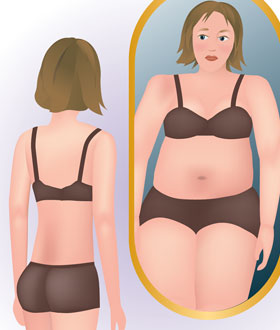
bulimia-anorexia-and-oral-health

Photo credit: www.deardoctor.com

Anorexia and bulimia are among some of the most common type of eating disorder. Factors are often associated with or can cause eating disorders are low-self esteem, bullying, distorted body images, food phobias, social or/and peer pressure, and more. Eating disorders are treated in combinations of doctors, therapists, consultants, and nutritionists. Also, the support of family and friends are crucial to helping someone overcome their eating disorder.

What is anorexia? It is a eating disorder where the individual does not want to eat food or not enough to keep their body weight. They often think of themselves as overweight and see themselves to not be thin enough. This can be accompanied by excessive exercising or starvation. People with anorexia are usually very underweight.

What is bulimia? It is a eating disorder where people binge eat and then either throw up the food or do extreme amount of exercises to burn the large amount of calories. People will binge eat and purge on a regular basis, which can cause serious health issues. Bulimia can cause people to develop compulsive behaviors and damage their teeth and esophagus along the way due to stomach acid. People with bulimia are usually at their body weight or overweight.

So what can you to help yourself if you are experiencing a eating disorder or someone with it?

  • Always seek out professional help who can help diagnosed the eating disorder, prescribed medications, provide consultations, and if needed, get more help from other professionals.
  • Get support from family and friends. They can help provide comfort and additional advices.
  • The road to recovery is changing your perspective towards a more positive outlook. Learn to accept yourself for who and what you are. It is not as easily done as said, but time will heal any insecurities that you may have.

The Benefits of Walking

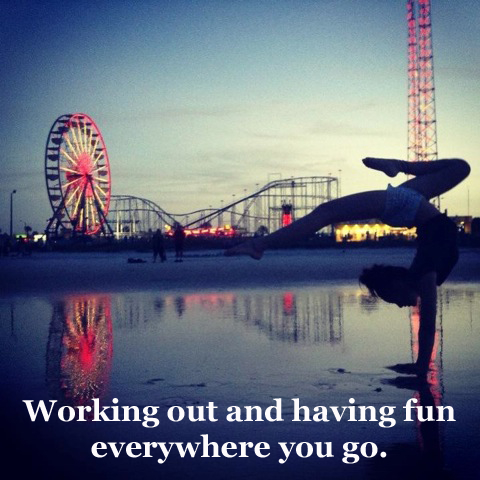
Post9BlogIt'sTimeForAWalk

One of the easiest and effective way to stay active is to walk. Going on daily walks or walking more often can help your body stay healthy. Oppose to not walking at all, even a little exercise can help you maintain an active lifestyle. Here are some health benefits to walking and ways you can walk more:

  • Incorporate stretches, warm ups, and different exercise activities. It can help you walk longer and better. As a bonus, it’ll help you burn more calories. It would effectively help you out even more if you can have a routine.
  • During your breaks at work or free time, instead of sitting down take a stroll. It is a good change for your mind and body as you are required to move. It can help improve your mood, blood circulation, maintain blood pressures, and more. Many jobs require people to sit 8 hours all day and it doesn’t do the body any good. Humans weren’t made to sit all day so it’s good to do little exercise there and here.
  • Walking can help maintain your weight and even help you lose weight. Although walking is not intensive, you can lose weight by walking longer. The faster you walk or run, the more calories you lose. Also, since it helps your body become more active you will decrease the chance of developing obesity, osteoporosis, and lower the risk of plausible diseases, and diabetes.
  • “Among 44,452 male health professionals, walking at least 30 minutes a day was linked to an 18% lower risk of coronary artery disease.” – http://www.health.harvard.edu/newsletter_article/Walking-Your-steps-to-health
  • If you can walk there, do it! If you are going somewhere nearby, instead of taking a vechicle there it would be better for you to walk there. Although it can be boring, bring your music or whatever it is to entertain you along the way. Just make sure to pay attention to where you’re heading.
  • Wear comfortable shoes! If you know you are going to walk for a long period of time or you need special shoes to help you walk then be prepared! The chance of you walking in an uncomfortable shoes all day isn’t the best situation to be in. It can cause your feet to develop rashes, sores, and more.
  • Do it with a friend or a pet! It is more fun to walk with a partner so if you have someone to do it with, that’s even better. They can serve to motivate you to walk more often and longer.

AMA Radio Talk Show (2012) – Korean

week7Blog8

AMA Radio Talk Show – Korean

Date recorded: 2/22/2012 Wed 5:00 pm

Host: Sungho Park

Guest: InSook Jung, ChunYoung Park, KyungSoon Shin, JungHae Oh, MoonSup Kang

————————————————————————————————————————-

Sungho (SH): Introduced self, REACH program, and Asia Media Access

InSook (IS): Introduced self – She has lived in Minnesota for 36 years and been retired.

ChunYoung (CY): Introduced self – He immigrated to Minnesota in 1936.

KyungSoon (KS): Introduced self – She has lived in Minnesota for 30 years.

JungHae (JH): Introduced self – She has lived in Minnesota for 30 years. She is a restaurant owner in downtown in Minneapolis.

MoonSup (MS): Introduced self – He has lived in the U.S for 36 years and been retired.

SH: Introduced today three questions – 1. What are the three most important factors for a healthy Korean community in Minnesota? 2. What are the three most important health issues in a Korean community in Minnesota? 3. What are the three most risky behaviors against a healthy Korean community in Minnesota?

SH: What are the three most important factors for a healthy Korean community in Minnesota?

IS: Strong family relationship, healthy life style, and religious or spiritual values are the three most important factors. Strong family relationship can improve our community in many ways like low crime rate, child education, safe neighborhoods, etc. Keeping healthy life style will be helpful for our community to become healthy. Religious values are the most important one.

SH: I agree with that strong family relationship is one of the three most important factors. When one’s home is happy, all goes well.

CY: Overall atmosphere in Minnesota is very active. Because of cold weather, Caucasian is majority in the population. There are many professional jobs in Minnesota. Many Koreans in Minnesota have professional jobs. Also, high education standard is one of characteristics of Minnesota. A good educational environment is the most important factor, too.

KS: I agree with Mrs. Jung’s opinion. Strong family relationship is important. Religious belief supports for our healthy life. Korean church is supporting immigrants to be adapted to the U.S. Healthy life style will be built in a way volunteering to community and caring other neighborhoods by a religious belief.

MS: The most important thing is to understand a culture of America and social system. Since there are many difference between the cultures in Korea and America, understanding them will be very helpful for us to be adapted in the U.S. Also, solving language problem will help since it is much effective way to understand the America culture by learning the language.

SH: We can think religious belief, strong family relationship, and understanding America culture are the three most important factors for a healthy Korean community in Minnesota.

SH: Are you satisfied with the health care system in Korean community?

SH: Student insurance does not cover many common health problems like dental problems.

JH: Costs of a private health insurance are high. Some of Koreans are still working to pay their health insurance. We have a private health insurance before 65 years. We need to have a solution for this.

BREAK

SH: Welcome back to our discussion. We start at the second question. What are the three most health issues in a Korean community in Minnesota?

MS: Many Koreans usually do not exercise. This life style will cause high blood pressure and cardiac disorders.

SH: I think regular exercise is very important. When I regularly exercised, I felt less fatigue.

CY: Because of cold weather in Minnesota, there are many winner sport events. However, many Koreans do not participate.

IS: There are many fitness centers in Minnesota. Our environmental conditions for exercise are good. Therefore, their will of exercise is important.

SH: The health issue that is the most important in the Korean community was health problem caused by lack of exercise.

SH: What detail efforts do you think that can improve community health?

IS: We can make an exercise group or regular meeting. Every one encourages each other. Also, if there is someone who can lead the exercise group or meeting, it will be better.

SH: I heard annually there is a Korea shorts event in Minnesota. It is a great way to encourage people to exercise.

MS: However, only few people participate in the event. Many people do not participate. This is a problem. Although we make many sports events, only few people will participate. We need more participation. I think generally Koreans do not tend to participate in public events. To encourage people to participate, we need to make our events more interesting and well-prepared.

SH: We can think health problems associated with lack of exercise. As a solution, we can organize exercise group or make regular meetings for exercise. To encourage people to participate in the events, the agency needs to make well-prepared and interesting sports events.

BREAK

SH: We are back. Welcome back to our discussion. What are the three most risky behaviors against a healthy Korean community in Minnesota?

JH: Bad eating habits and lack of exercise are the most risky behaviors against a healthy Korean community in Minnesota. In my case, sometime I skip meals and overeat at late night since I am very busy on my business. I know exercise is important and I need to exercise, but it is difficult to afford my time for exercise. I think if we work together like in a group and encourage each other, it help improve our health.

KS: I think exercising together is a good idea. After exercising, I feel less fatigue. Our family try to eat healthy foods like fruits and vegetables.

SH: I agree with that these two behaviors are the most risky behaviors against a healthy Korean community in Minnesota. I want to add another factor. Smoking might be one of the most risky behaviors. Surprisingly many students are smoking while few seniors and middle-aged males are smoking. It is a problem since the students will be following generation in the Korean community. What efforts do we think that can reduce the smoking population?

JH: Smoking is addiction. Their will of quitting smoking is more important than social regulations. Despite of very cold weather, many heavy smokers smoke outside since they cannot smoke inside a building.

SH: I think so. In my school, there are many programs for quitting smoking. However, very few smokers participate.

IS: Also, there are some gamble problems. I was some of cases. Some people have gambling debts and some of them are in bankruptcy.

SH: How do we prevent and solve these problems? Can you educate them?

IS: We already have the program for quitting smoking and gamble problems, but they do not participate in those programs.

MS: We really need their participation. Moreover, we need to get their interest.

IS: Currently, there is no specialist for these matters. If there are enough specialists who can make more effective program, it will be really helpful. We need them.

SH: Okay, that sounds like the biggest reason is their will. Bad eating habit, lack of exercise, smoking, and gamble problems are caused by lack of their will. Also, as the solution and prevention, we think making programs for these problems with specialists in those fields.

SH: We discussed today all questions and could see that religious belief, strong family life, and understanding America culture are the three most important factors for a healthy Korean community in Minnesota. Also, the most important health issue in the community was health problems associated with lack of exercise. As a solution, we can organize exercise group or make regular meetings for exercise. To encourage people to participate in the events, the agency needs to make well-prepared and interesting sports events. From the third question, we could know bad eating habit, lack of exercise, smoking, and gamble problems can be considered as the most risky behaviors against the healthy community. Also, as the solution and prevention, we think making programs for these problems with specialists in those fields.

SH: It was great time to discuss about our current life condition. Thank you for your participation today, again.

Guests: Thank you!